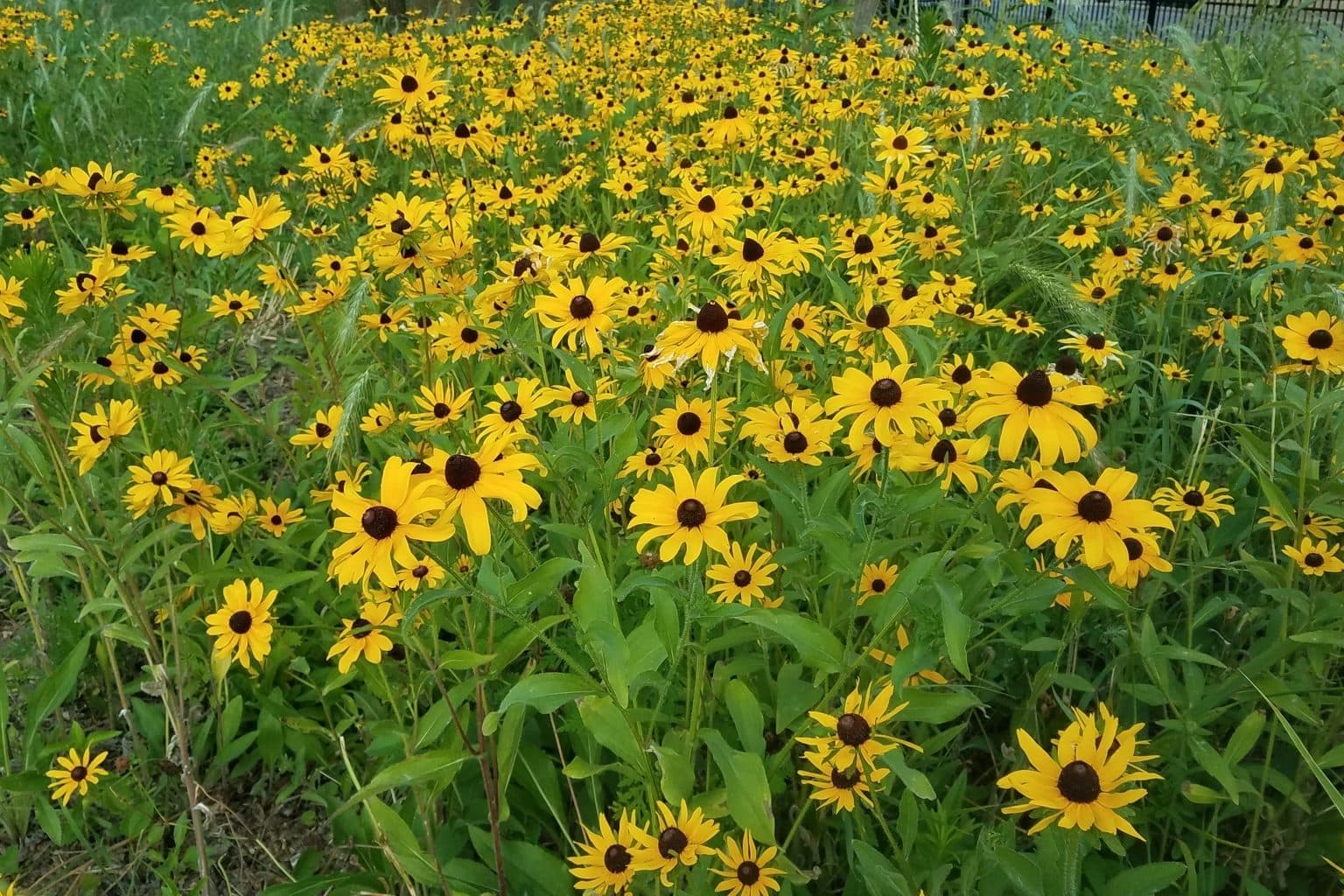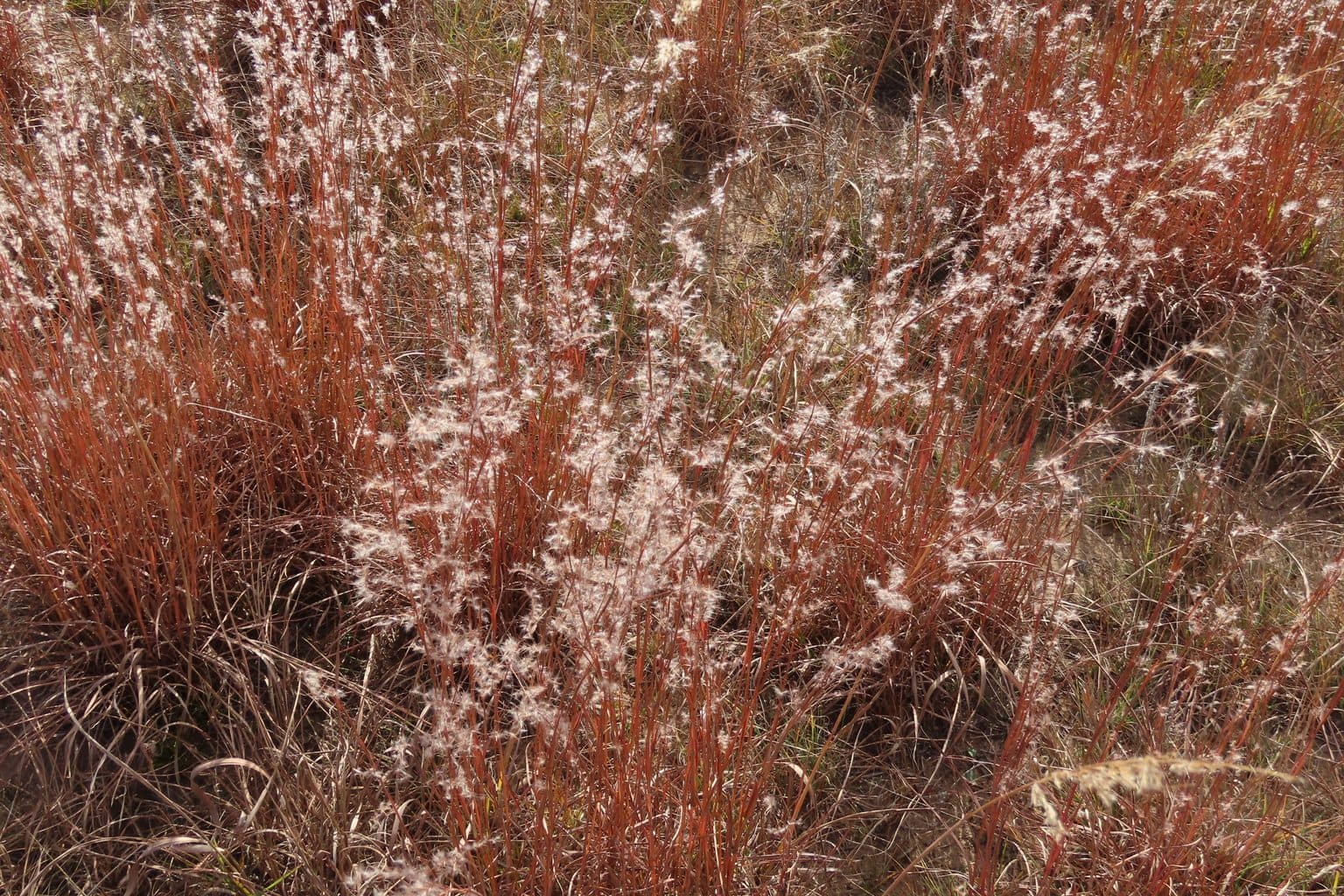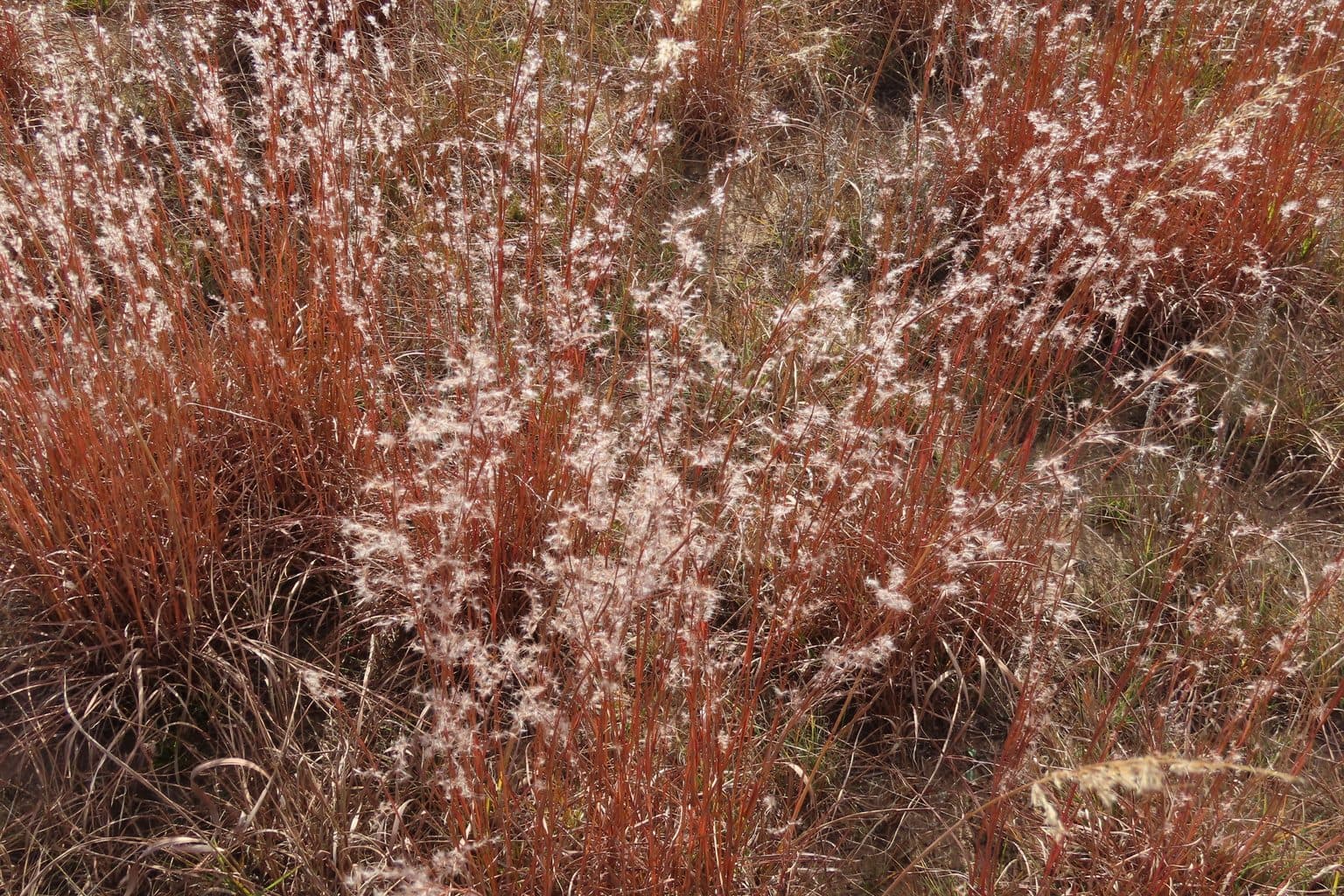
Quick answer: Cut ornamental grasses back in late winter or early spring, just before new growth starts, and leave them standing through fall. Iowa State University Extension puts the cut in April for Iowa, to within 2 to 4 inches of the ground (Iowa State University Extension). University of Missouri Extension and K-State Research and Extension both say late winter or early spring. The standing stems also shelter nesting insects and feed winter birds, which a fall cut takes away (Xerces Society).
Key takeaways
- Iowa State University Extension says to cut ornamental grasses in early spring, in April for Iowa, before new growth appears, and to let them stand all winter.
- Cut to within 2 to 4 inches of the ground with hand shears, lopping shears or hedge trimmers (Iowa State University Extension). Cutting too short can damage the growth points (Maryland Home & Garden Information Center, via Ask Extension).
- Tie or pull the old stalks together before you cut, with a bungee cord or compostable twine, so the clump does not scatter (K-State Research and Extension).
- Little bluestem is one of the best grasses for nesting and roosting habitat, and its seeds feed small birds through winter (USDA NRCS Plant Guide, Lady Bird Johnson Wildflower Center).
- Xerces Society advises waiting until late spring before cleaning up the garden, because insects are still using stems and litter (Xerces Society).
When to cut back ornamental grasses
The short answer is the same from every extension service that has written about it. Wait. University of Missouri Extension lists cutting back ornamental grasses in late winter or early spring as the routine job, and the point of it is to clear old growth so the new blades are not shaded by it (University of Missouri Extension). K-State Research and Extension agrees that the ideal time is late winter or early spring (K-State Research and Extension). Iowa State is more specific for its own state: April, before new growth appears (Iowa State University Extension).
Iowa State also gives a reason that has nothing to do with the plant. Many grasses provide color, sound and movement to the winter landscape, and even when they are tan and dead they look good after a snowfall (Iowa State University Extension). A fall cutback trades that for a bare patch of stubble from November to March.
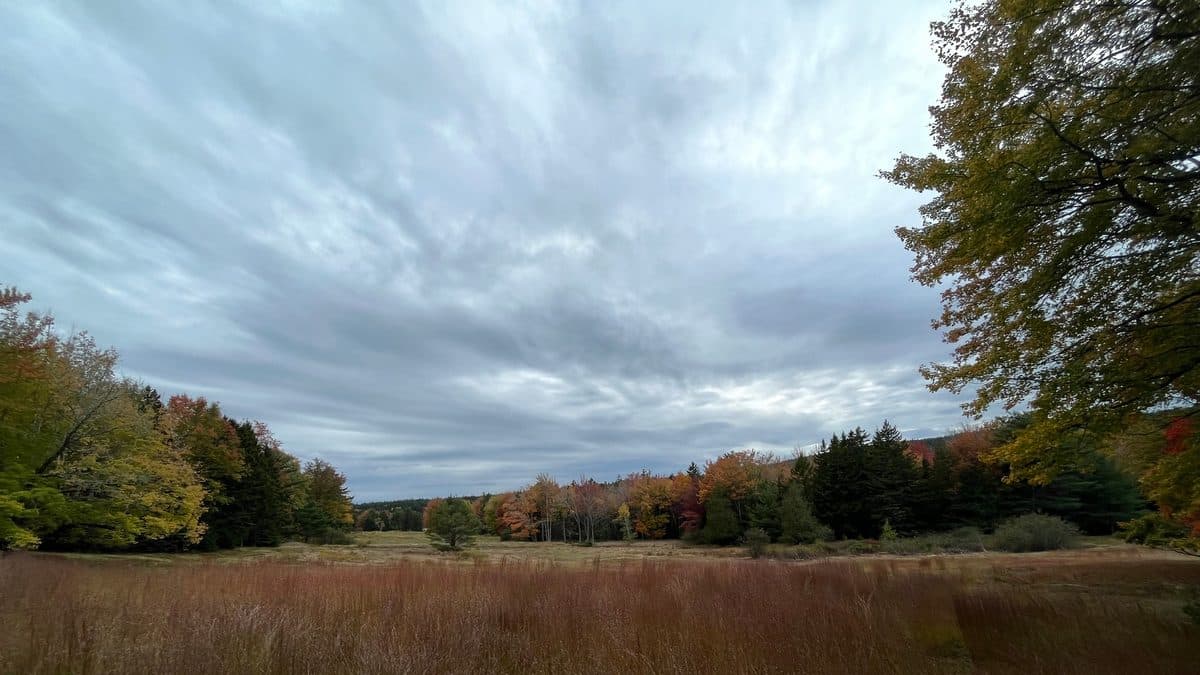
We covered the same hold in two sentences in our Colorado Front Range fall checklist. This is the longer version, with the cut itself.
What a fall cutback costs you
The strongest argument for waiting is wildlife, and it is specific. The USDA NRCS plant guide for little bluestem calls it one of the best grasses for nesting and roosting habitat, because the clump habit and the many fine leaves at the base provide nesting sites. The same guide lists the seeds as food for small mammals and birds, including juncos and several sparrows, and as especially valuable to birds that spend the winter on grasslands (USDA NRCS Little Bluestem Plant Guide). The Lady Bird Johnson Wildflower Center says the fuzzy white seeds are of particular value to small birds in winter (Lady Bird Johnson Wildflower Center). Cut the stems in October and the seeds are in your compost by Halloween.
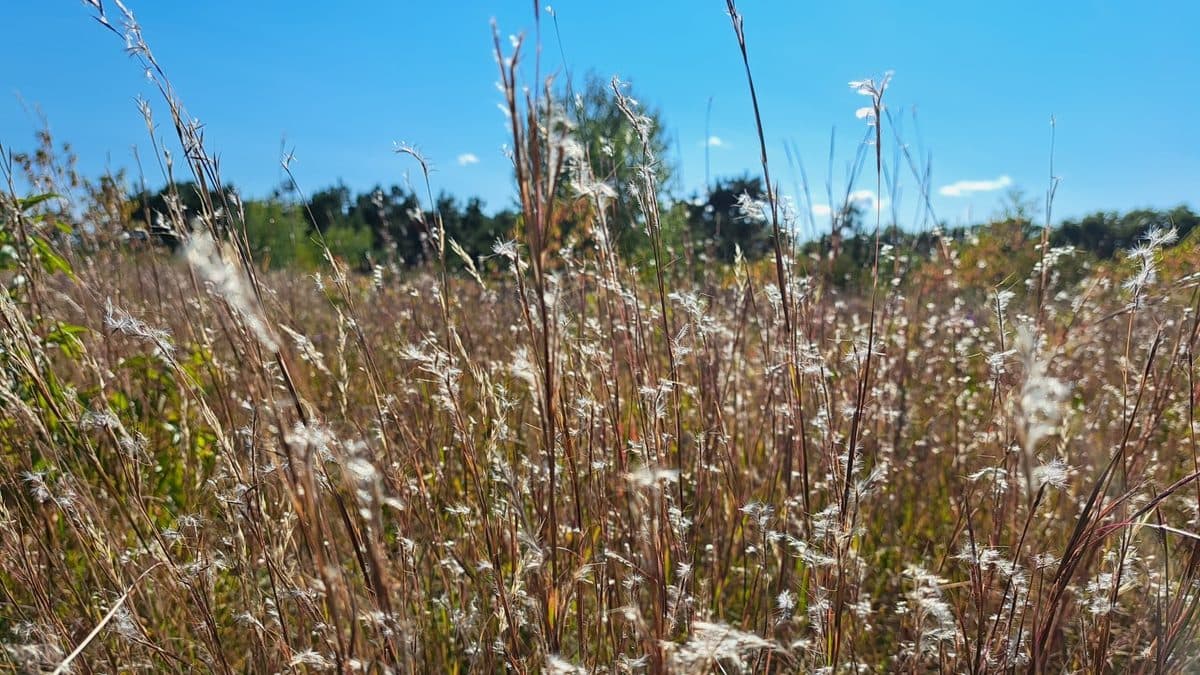
Switchgrass works the same way. Its seeds attract ground-feeding songbirds and game birds, and the plant provides cover and nesting material. The Wildflower Center also notes that its yellow clumps last throughout the winter (Lady Bird Johnson Wildflower Center).
Then there are the insects you cannot see. Xerces Society says not to cut canes, stalks or other standing plant material that may house nesting bees, and that cutting stems bees are nesting in too soon in spring loses the nests (Xerces Society). Most butterflies and moths do not migrate. They overwinter in the landscape as an egg, caterpillar, chrysalis or adult and use leaf litter for winter cover, and perennial stems shelter many insects that nest in them (Xerces Society). If you are weighing this against a tidy bed, our post on what to do with fall leaves covers the same trade for the litter around the clump.
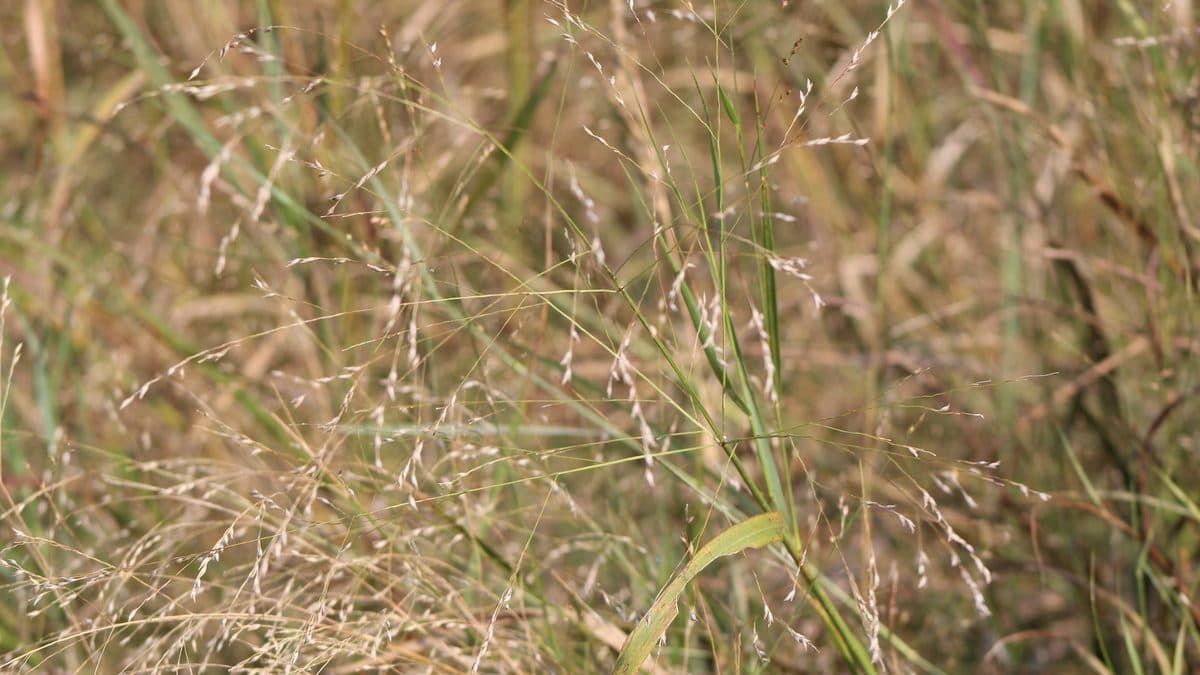
We did not find an extension source describing lasting harm to a warm-season grass from a fall cut. The case against it rests on habitat, food and how the bed looks, not on losing the plant. That is a reason to be relaxed if you already did it, and a reason to wait next year.
Warm-season and cool-season grasses
The four grasses in this post are warm-season grasses, and so are most of the tall ornamental grasses in a typical yard (K-State Research and Extension says the same of the grasses popular in Kansas City gardens). Penn State Extension puts the difference in when they wake up. Warm-season grasses emerge in late spring to early summer, while cool-season grasses emerge in late March through April (Penn State Extension).
That gap sets the deadline. A warm-season clump has until well into spring, which is why the late-winter cut is easy to hit. A cool-season grass starts earlier, so check the base for new blades before you cut, and cut sooner if you see them. The Maryland Home & Garden Information Center says warm-season grasses are best cut at the end of winter, before new blades emerge (Home & Garden Information Center, via Ask Extension).
What late winter means where you live
"Late winter" is January in Houston and April in Fargo. The regional care guide on each of our plant pages sets the window by ecoregion, and a few of the entries show how far it moves:
| Grass | Ecoregion (anchor city) | Cutback window in the guide |
|---|---|---|
| Gulf muhly | Western Gulf Coastal Plain (Houston) | January or February, to about 6 inches |
| Gulf muhly | Edwards Plateau (San Antonio) | February, a few inches above ground |
| Prairie dropseed | Cross Timbers (Fort Worth) | Late February to early March, to 3 to 4 inches |
| Little bluestem | Boston Mountains (Fayetteville) | Usually March, before new green appears |
| Little bluestem | Central Corn Belt Plains (Chicago) | Mid to late April, once highs are reliably near 60F |
| Switchgrass | Lake Agassiz Plain (Fargo) | After snowmelt, usually April, to 4 to 6 inches |
| Little bluestem | Acadian Plains and Hills (Bangor) | Once snow is gone, usually April to early May, to 3 to 4 inches |
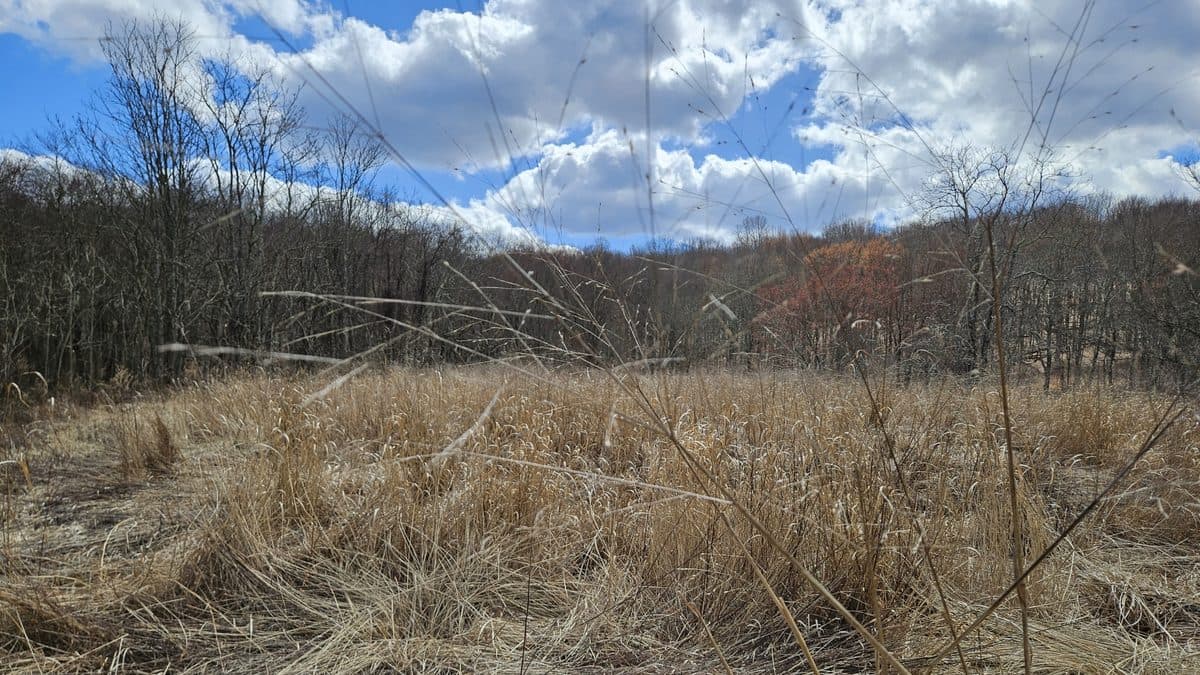
The rule underneath all of them is the same: after the stems are dormant, and before new growth starts. Look at the base of the clump rather than the calendar. If you can see green blades coming up through the old ones, you are cutting late, and you will have to work around them.
How to cut back ornamental grasses, step by step
- Pick the day. Wait until the stems are dormant, and do it before new growth appears at the base (Iowa State University Extension). A dry day in late winter is the easy case.
- Tie the clump. K-State Research and Extension recommends tying up or pulling the old stalks together before you cut, and says a bungee cord or compostable twine keeps them from scattering. A big clump can reach three feet or more across, so one wrap at the middle and another near the top is easier than chasing loose stems (K-State Research and Extension).
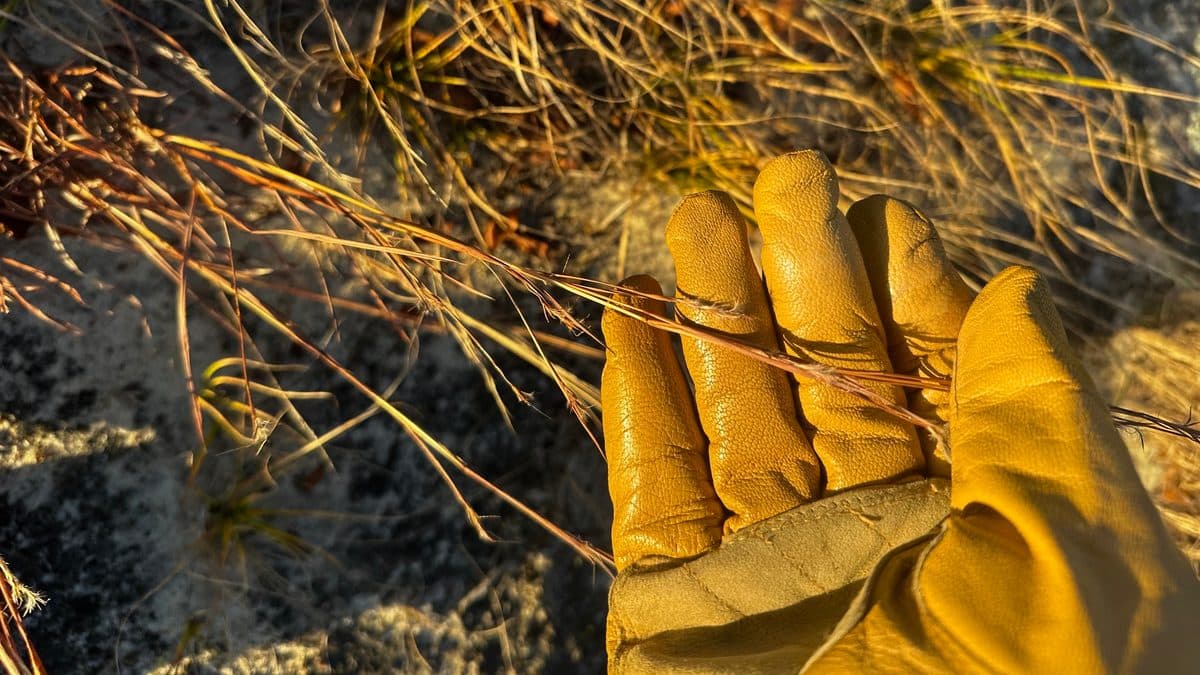
- Choose the tool. Iowa State lists hand shears, lopping shears or hedge trimmers (Iowa State University Extension). Wear gloves and long sleeves, because dry blades are rough on bare skin.
- Cut to a few inches. Iowa State says to within 2 to 4 inches of the ground. The Maryland Home & Garden Information Center says to leave a few inches of stubble, because cutting the grass back too short could damage the growth points (Home & Garden Information Center, via Ask Extension). Our regional guides use 4 to 6 inches in some regions and 2 to 4 in others, so treat the number as a range and stay above the crown.
- Move the bundle. A tied clump comes off in one piece. See the note below on where to put it.
Where the cut stems can go
The Xerces guidance and the extension guidance do not match exactly. Xerces says to wait until late spring before cleaning up leaf litter, while the extension services say late winter for grass. A reasonable middle is to cut on a mild day just before new growth, leave the stubble tall and keep the cut stems on site.
Four grasses, four small differences
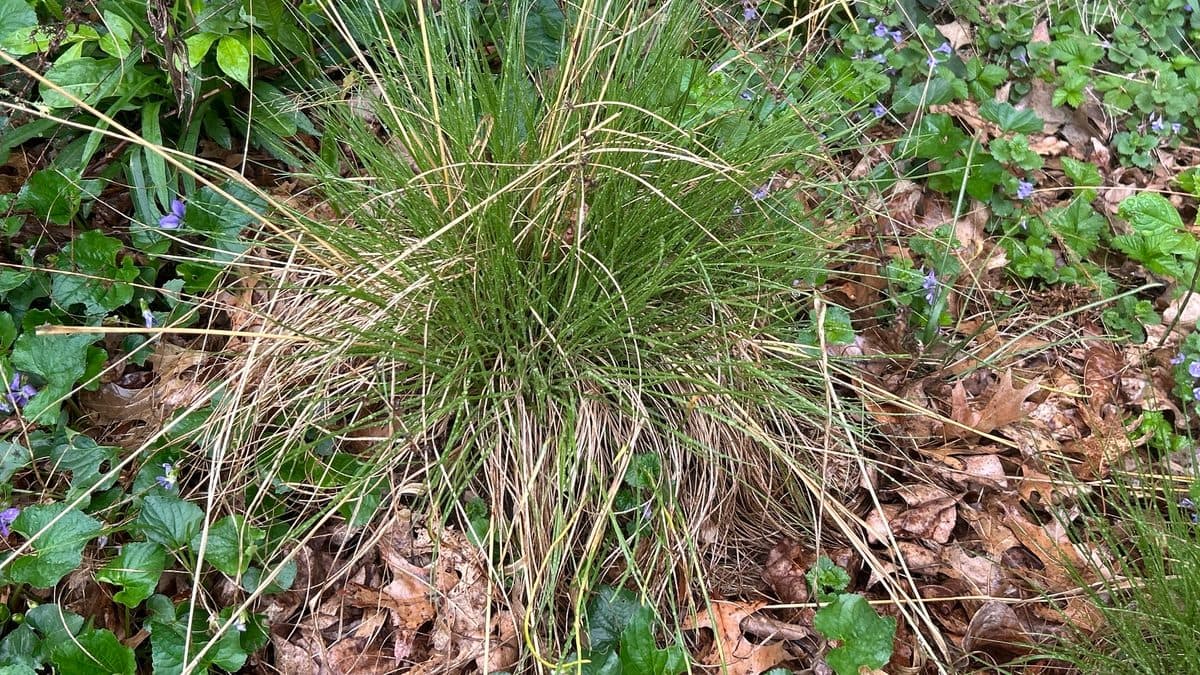
Little bluestem is the one with the most to lose from an October cut. The Wildflower Center says its color remains nearly all winter (Lady Bird Johnson Wildflower Center), and the NRCS guide says frost accents the plants and the reddish tint provides color during the winter (USDA NRCS Little Bluestem Plant Guide).
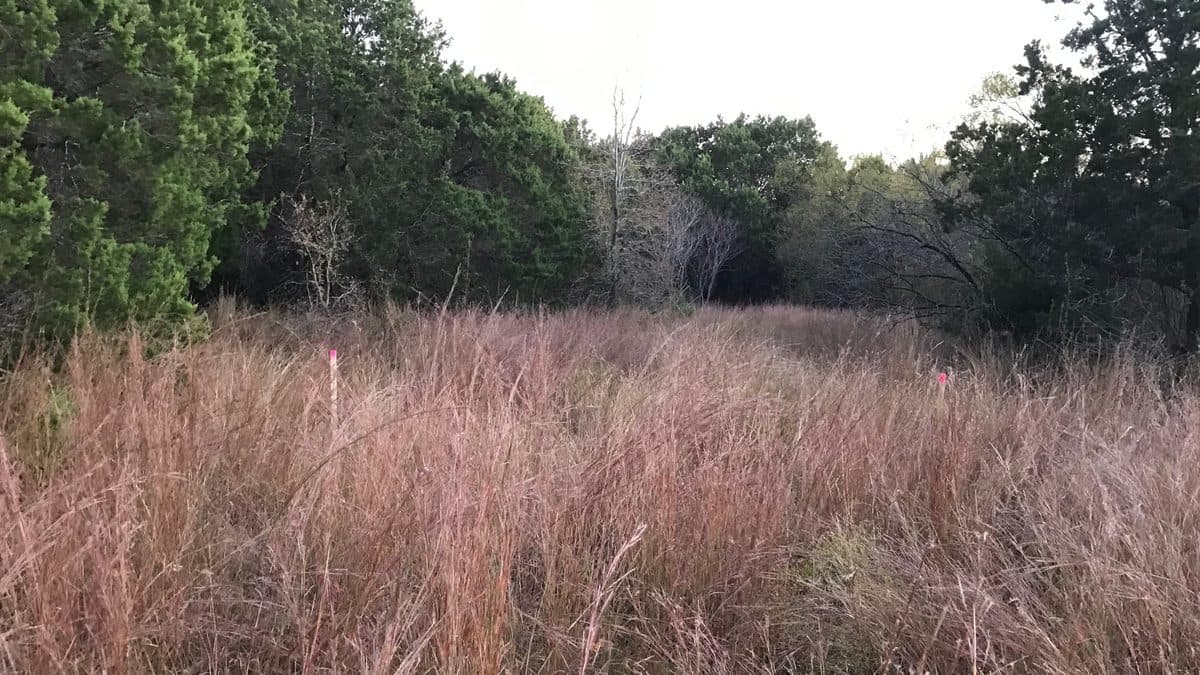
Switchgrass carries airy seed plumes, and Penn State Extension says the mature spikelets turn light tan and persist as plumes (Penn State Extension). In our regional guide the cutback runs from late winter in the Corn Belt to April after snowmelt in the northern plains.
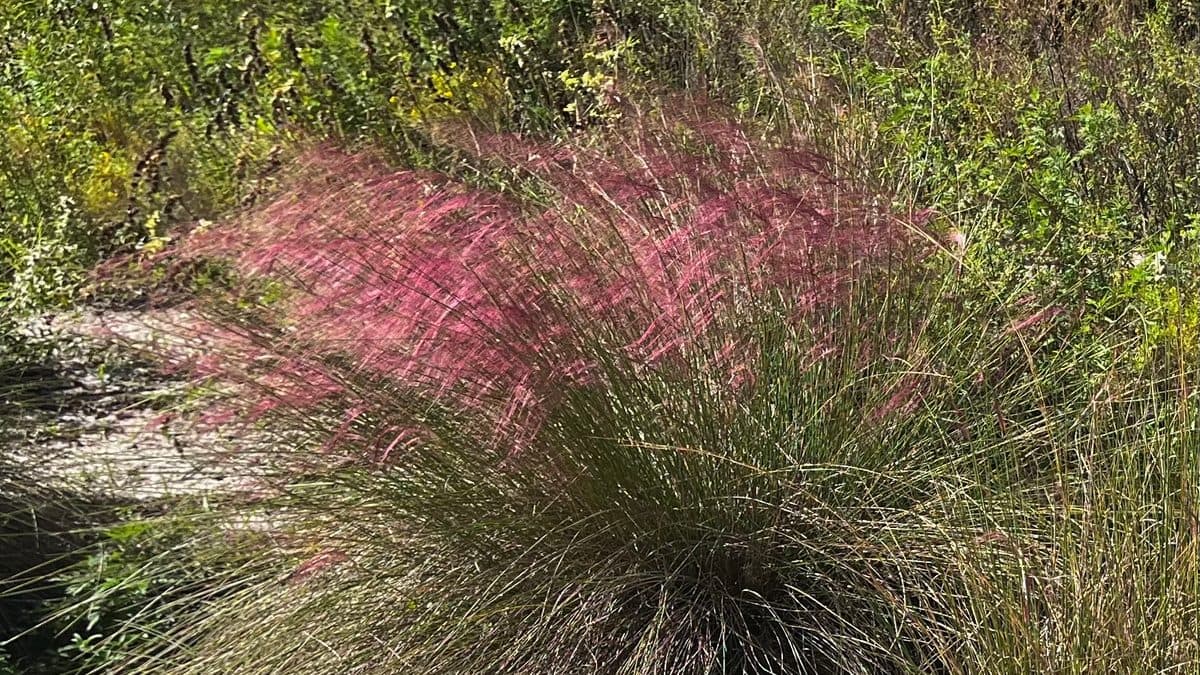
Gulf muhly blooms in fall with pink to purple plumes, and our regional guide says to leave the plumes standing through winter and not to cut in fall. Its window is the earliest of the four: January or February on the Texas Gulf Coast, late February into March around Dallas, and late March or early April in Kansas City.
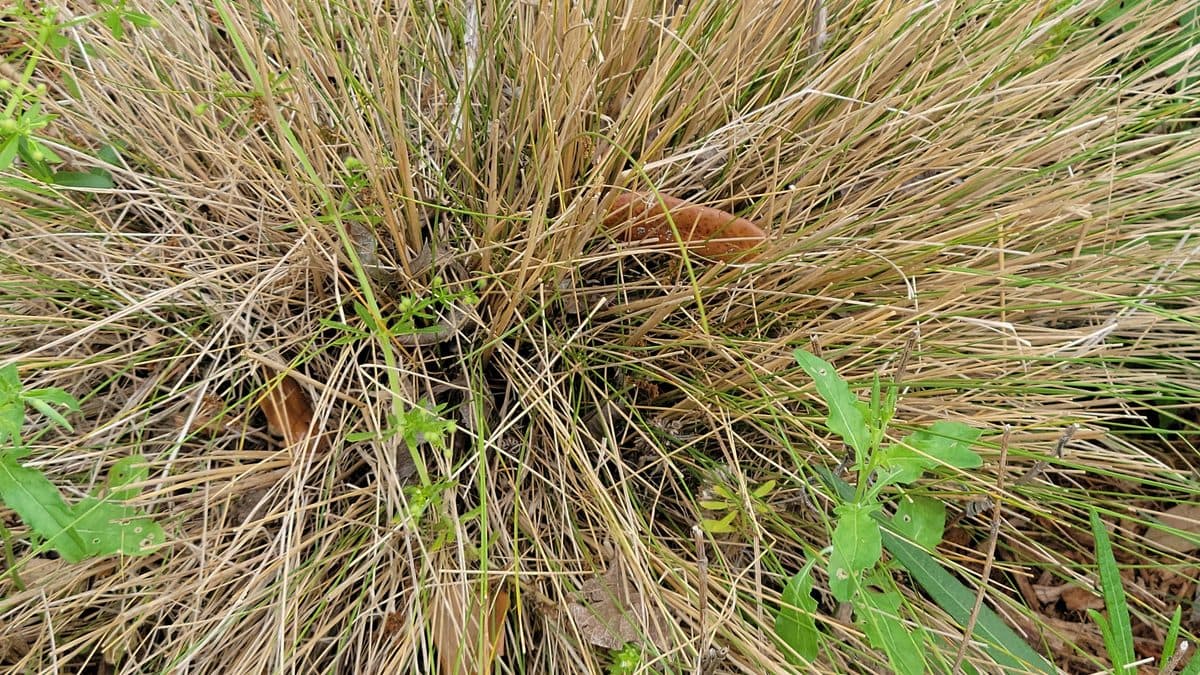
Prairie dropseed is a slower plant, and that changes how careful you want to be. The Wildflower Center calls it slow growing and slow to establish, about three seasons to mature size, so it is the one of the four to cut with the most care. The Xerces Society lists it as providing nesting materials and structure for native bees, and the same page says snow does not flatten it, so it stays visible in winter (Lady Bird Johnson Wildflower Center).
Watch it done
How to Cut Back Ornamental Grass With Ease, from Plant Select (3:54). A horticulturist at Denver Botanic Gardens Chatfield Farms takes down a dormant Indiangrass in early spring with hedge trimmers, rakes out the debris, then tidies the clump with hand pruners so it keeps a rounded shape. You also see why she wears gloves and long sleeves. She cuts grasses after her other perennials, which is the late winter timing this post follows.
Where the app fits
The timing is the part people lose track of, because it falls five months after the fall checklists end. Pollinator Patch is free for care on every plant you own, native or not, and it sends freeze alerts by ZIP. Add your grasses, and the regional care guide on each plant page gives you the cutback window for your ecoregion.
People also ask
Should I cut ornamental grasses in the fall?
Wait for late winter or early spring. Iowa State University Extension says to cut before new growth appears and to let the grasses stand all winter, and Xerces Society says standing stems may house nesting bees, so a fall cut removes winter cover and food.
When should I cut back little bluestem and switchgrass?
Cut them in late winter or early spring, before new green blades show at the base. In our regional guides that means March in Arkansas, April in Chicago and Fargo, and sometimes early May in Maine. Cut to within 2 to 4 inches (Iowa State University Extension).
How short do I cut ornamental grasses?
Iowa State University Extension says to within 2 to 4 inches of the ground. The Maryland Home & Garden Information Center says to leave a few inches of stubble, because cutting too short can damage the growth points.
How do I cut back ornamental grasses without making a mess?
Tie the old stalks together first with a bungee cord or compostable twine, as K-State Research and Extension recommends, then cut below the tie with shears, loppers or hedge trimmers. The bundle lifts out in one piece.
Get the cutback reminder when it is time
Pollinator Patch is free for care on every plant you own, native or not. Save your grasses and your ZIP, and you get freeze alerts and the cutback window for your region, so the late winter job does not slip past you.