Quick answer: Work backward from your own first freeze date rather than from a date for Colorado. Denver's normal first 32F freeze is October 11, but in one year out of ten it has already arrived by September 27, and Fort Collins runs about five days ahead of Denver (NOAA National Centers for Environmental Information, 1991 to 2020 Climate Normals). The checklist itself is short. For established native perennials and grasses, most of them need nothing from you before the freeze, and the job that matters most on the Front Range happens after it, on the dry warm days all winter.
Key takeaways
- Denver's normal first freeze is October 11, with an early tail of September 27 and a late tail of October 25 (NOAA National Centers for Environmental Information, 1991 to 2020 Climate Normals).
- Fort Collins reaches its normal first freeze on October 6, five days before Denver, off a weather station about three and a half miles away. One date for the whole state hides that.
- Established native perennials and grasses want their stems left standing through the freeze. Standing foliage protects the crown and holds insulating snow (Lady Bird Johnson Wildflower Center, USDA NRCS Little Bluestem Plant Guide).
- Colorado State University Extension asks you to keep watering woody plants through winter, but only when air temperature is above 40F and early enough in the day to soak in before night (Colorado State University Extension fact sheet 7.211).
- Butterfly weed seed sown outdoors this fall gets its three month cold period from the winter itself (US Forest Service).
There is no Colorado frost date
Every fall garden checklist written for Colorado gives one date. Mid-October, usually, sometimes October 15. It is a reasonable average, and it is wrong for most of the people reading it.
The NOAA 1991 to 2020 Climate Normals put two Front Range cities about 65 miles apart like this:
| City | Early (1 year in 10) | Normal | Late (1 year in 10) | Growing season |
|---|---|---|---|---|
| Denver (80202) | September 27 | October 11 | October 25 | 163 days |
| Fort Collins (80525) | September 22 | October 6 | October 18 | 154 days |
Both come off weather stations within four miles of the ZIP code, so the gap between the two cities is real and not an artifact of a distant station. Denver gets nine more growing days than Fort Collins. But the spread that should actually change your plans is not the one between cities. It is the 28 days inside Denver's own row, between the early tail and the late tail. Plan to the normal date and you get caught roughly one year in ten.
So plan against the early tail, because that is the end that costs you something. A week of cushion is cheap. Losing a container of something you have been growing since May is not.
Look up your own ZIP before anything else on this list. Elevation moves these dates around inside a single metro, which is why a number for Denver is not a number for the foothills west of it.
The checklist, ordered by your own date
Three weeks out
- Stop feeding everything. Fertilizer this late pushes soft new growth, and soft new growth is the first thing a freeze takes.
- Taper the watering on perennials so they harden off instead of going into the cold soft and full of water.
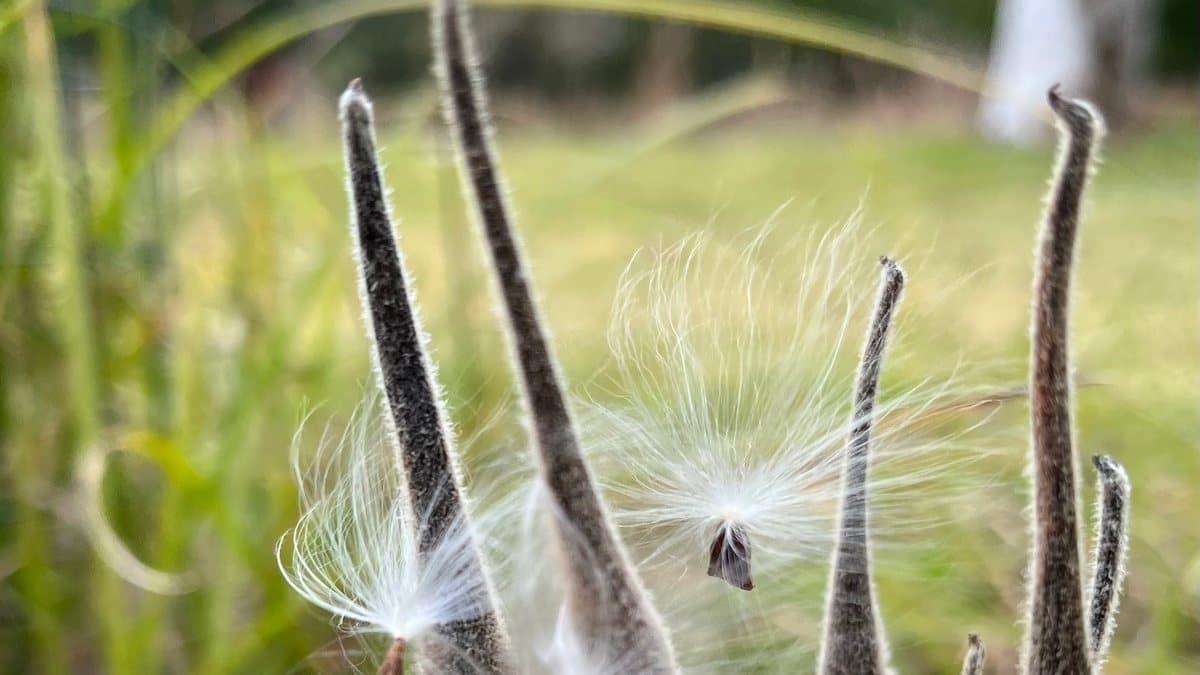
- Collect seed if you want more of a plant next year. Butterfly weed pods ripen and split in fall, and seed sown outdoors now gets the three month cold period it needs from the winter (US Forest Service).
- Divide crowded clumps if you are going to, early enough that the roots settle before hard freezes.
The week of
- Water anything you planted this season, deeply, while the soil is still workable.
- Move containers against the house or into the garage. A pot has no soil mass around it and freezes from every side at once.
- Leave the perennials standing. Most people get this one backward.
After the freeze
- Do not rush the cleanup. Cut back in late winter or early spring.
- Hold the mulch until the ground is cold, and keep it off the crowns.
- Start the winter watering rounds, which run October through March.
What established natives actually need, which is almost nothing
The four plants below are native to both ecoregions the Front Range spans, the High Plains around Denver and the Southern Rockies, so this holds whether you garden in Fort Collins or up in the foothills. Our own regional care rows for the Southern Rockies are anchored on Durango.
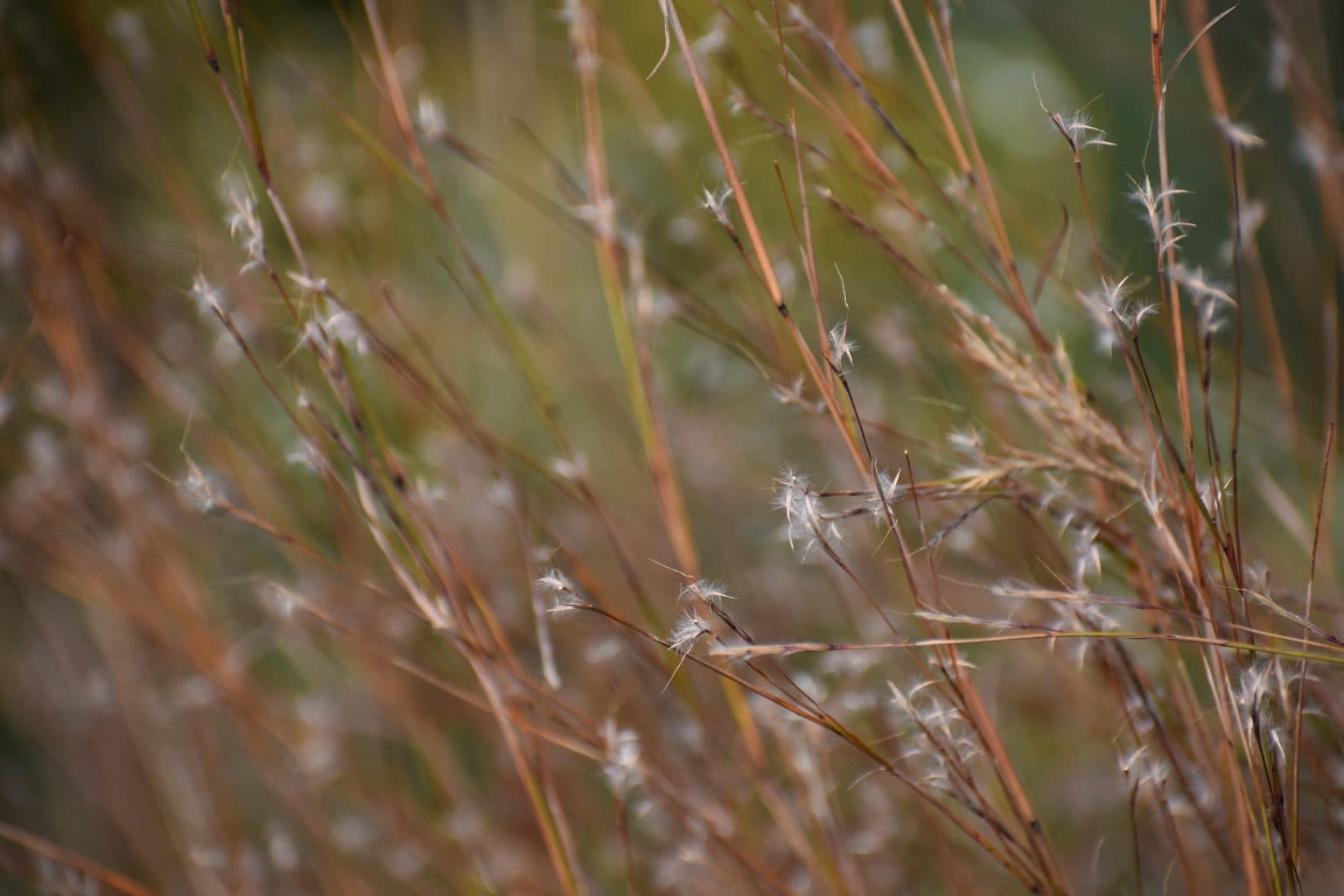
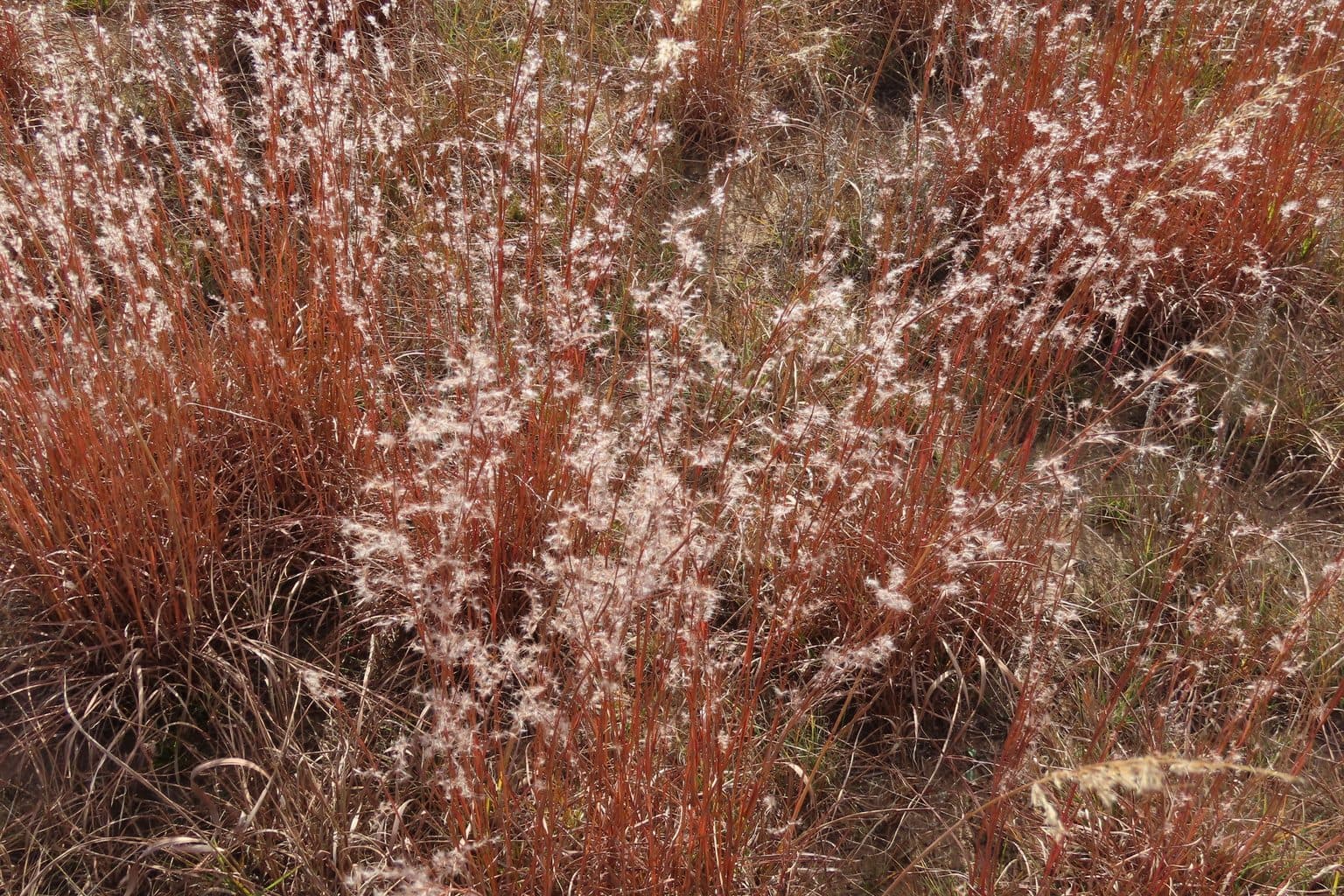
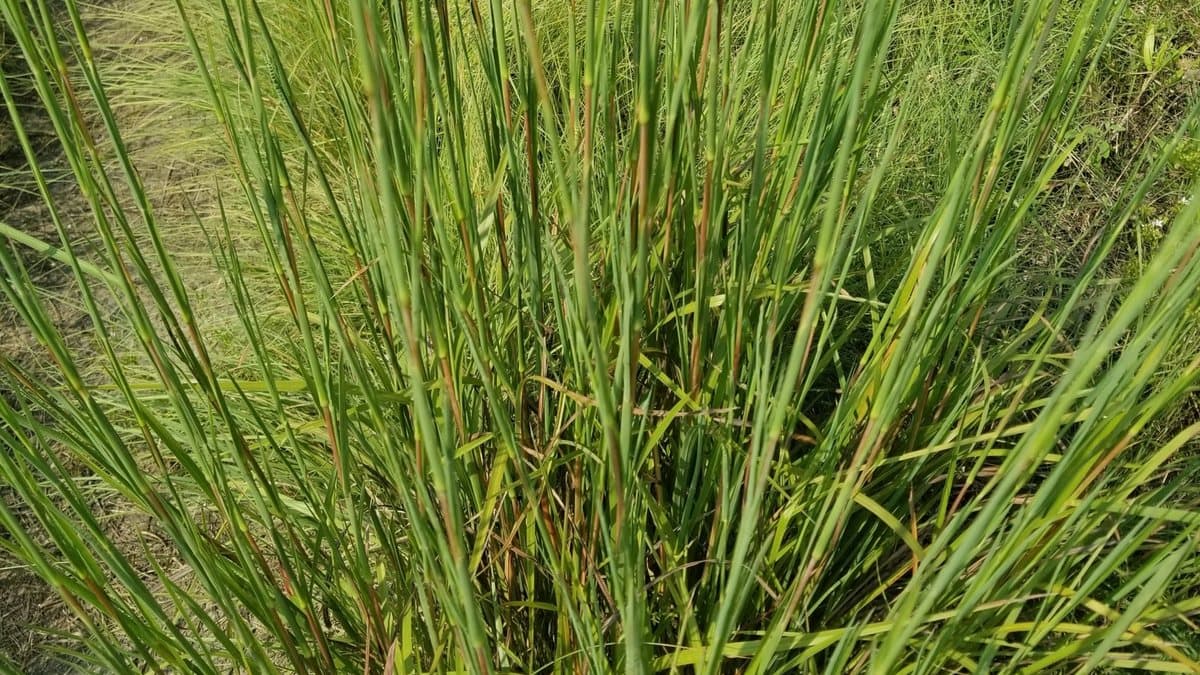
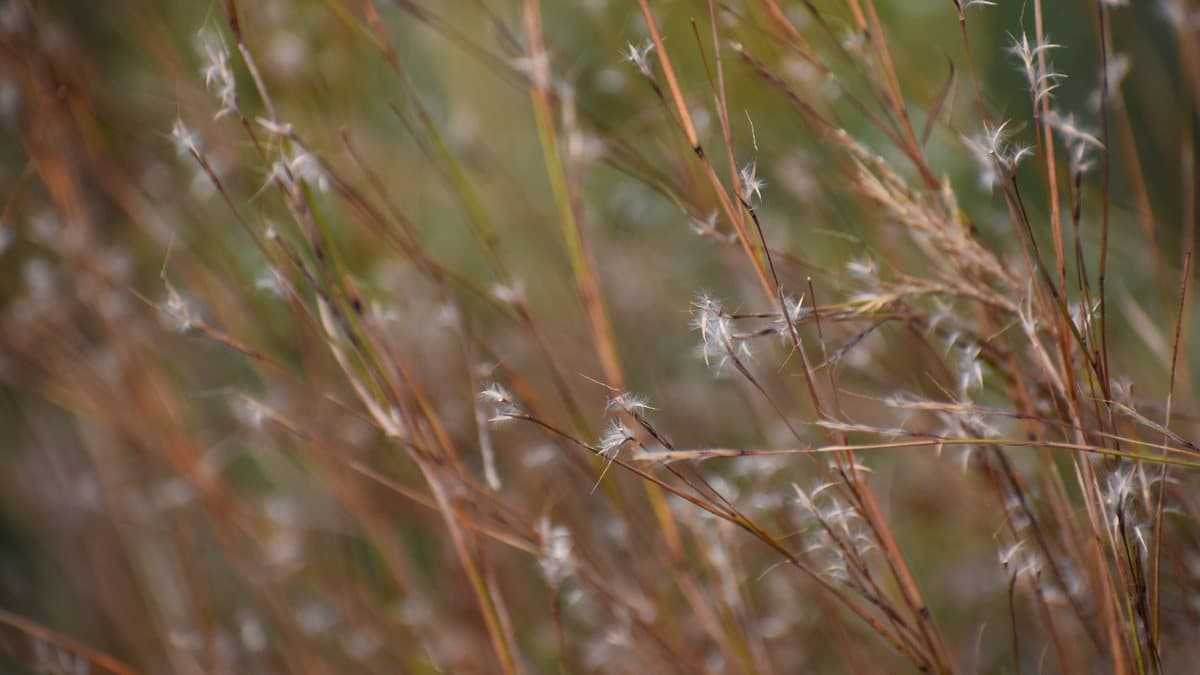
Little bluestem holds its cutback until late winter. The standing foliage protects the crown through the coldest months, and the seed tufts feed birds while it does (Lady Bird Johnson Wildflower Center, USDA NRCS Little Bluestem Plant Guide).
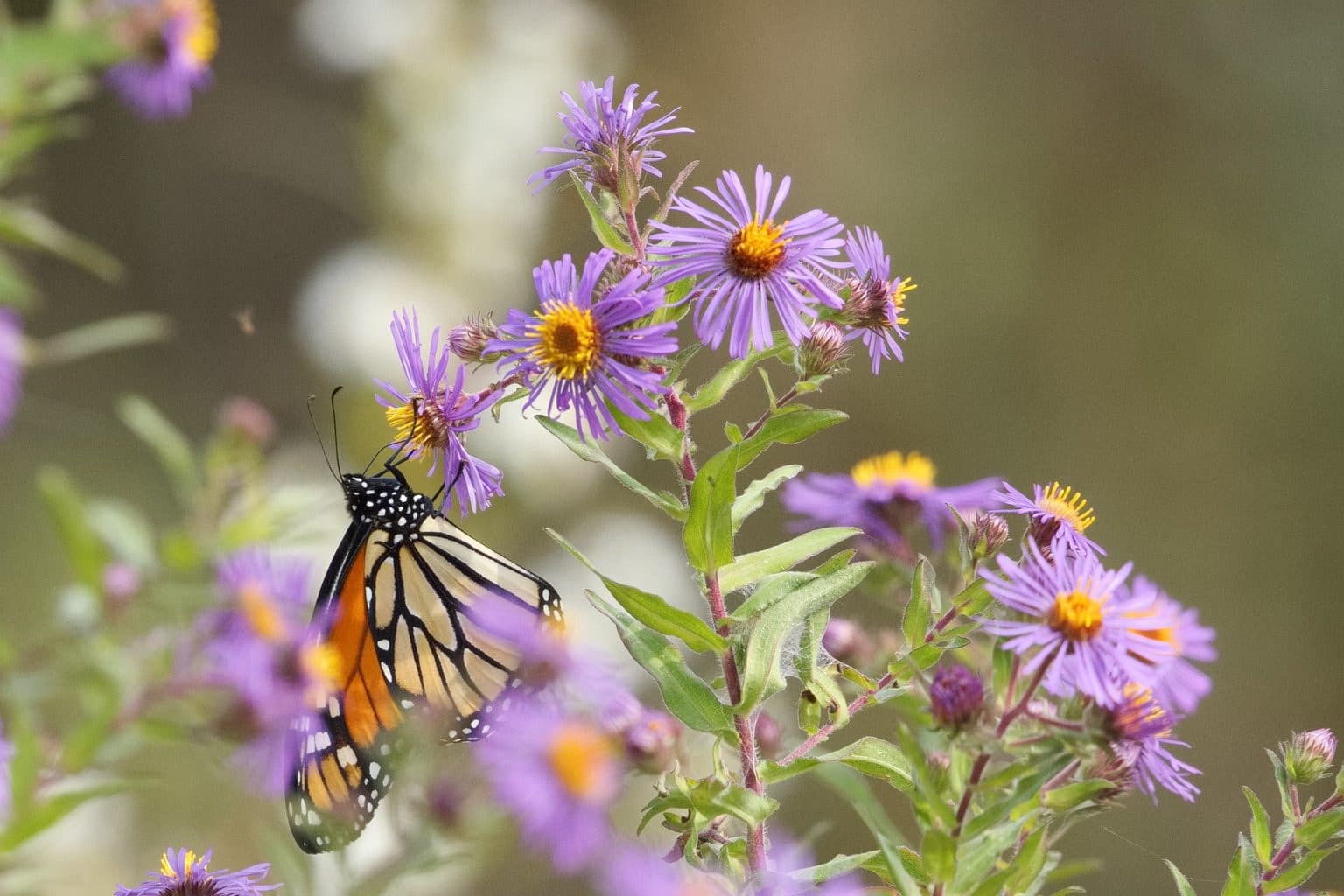
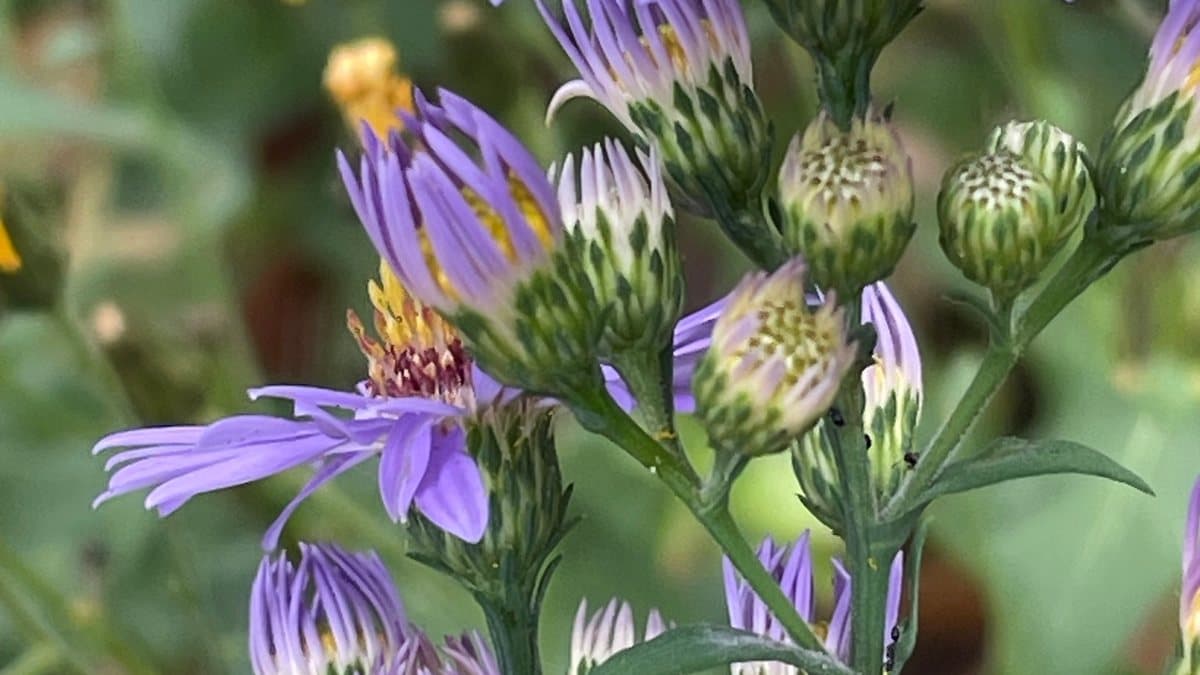
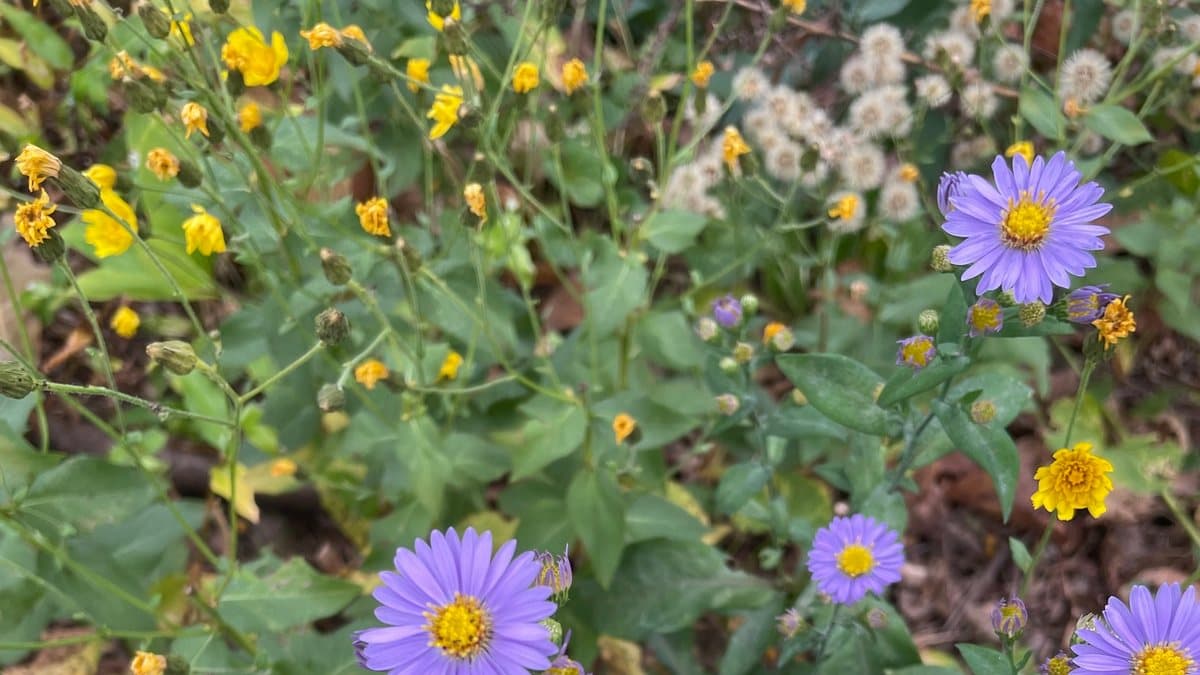
Smooth aster is probably still blooming while you read this. It runs August through October and is one of the last real nectar sources before the first hard frost (Lady Bird Johnson Wildflower Center, Xerces Society). It dies to the ground on its own and is fully hardy. Cut last year's stems in spring, once new basal growth tells you it is awake.
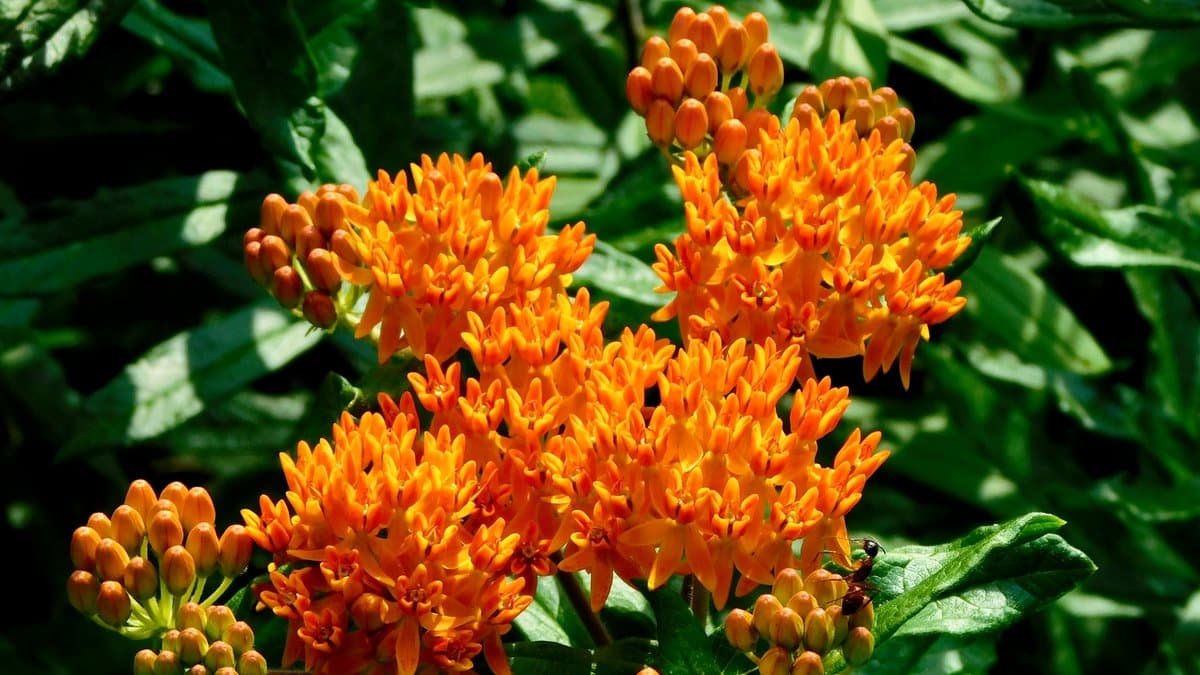
Butterfly weed wants nothing at all. It is dormant, its cold hardiness covers a Front Range winter comfortably, and the two ways to hurt it are burying the crown in wet mulch and digging near the taproot (US Forest Service, Lady Bird Johnson Wildflower Center).
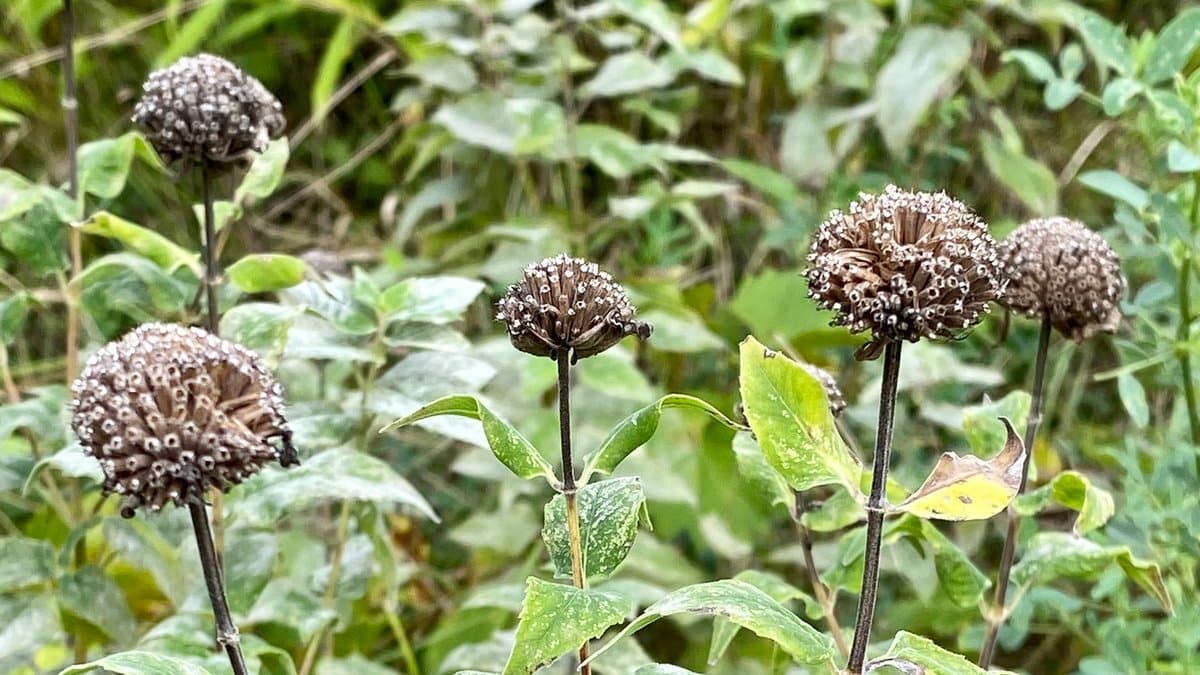
Wild bergamot dies back to its roots and overwinters underground, so snow on top of it helps rather than hurts. Its stems come off in spring too (Lady Bird Johnson Wildflower Center).
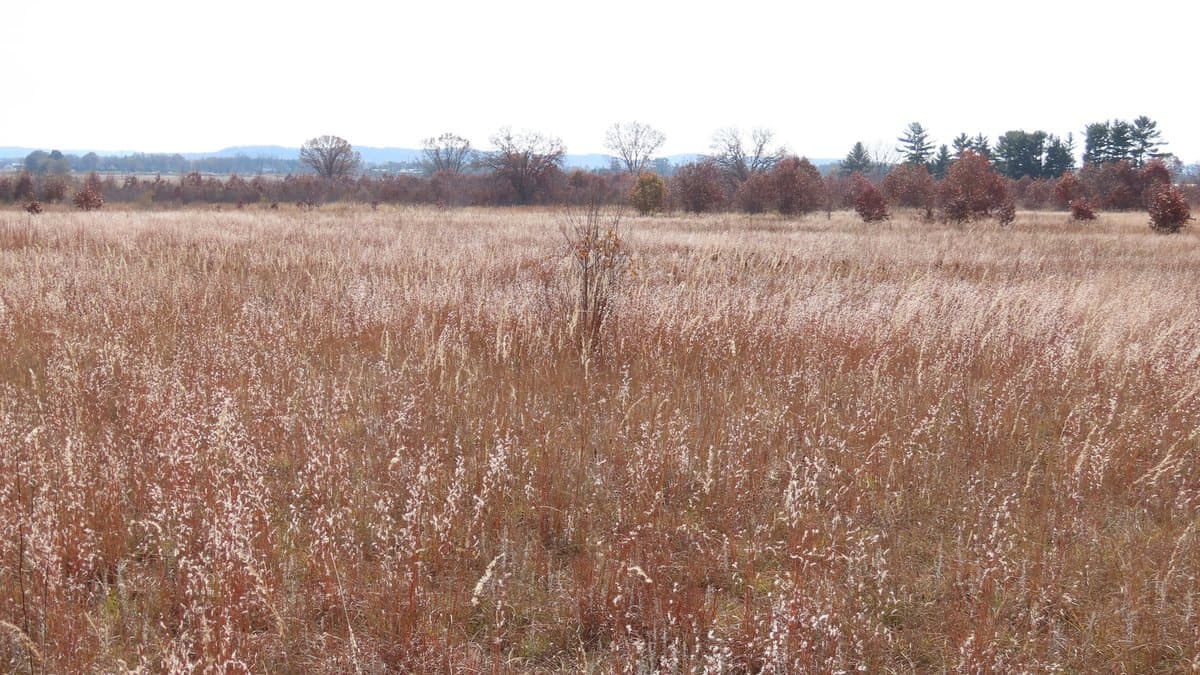
Four plants, and the work on all four is in spring. That is the part a fall checklist usually gets wrong: it fills October with jobs that belong in March. If standing stems read as untidy on your street, one clean cutback in late winter is the HOA-conscious compromise, and the plant still gets through the coldest stretch covered.
If you are still choosing what goes in the bed, our roundups of the best native plants for Colorado and drought tolerant Colorado natives both weight toward plants that ask this little of you in the fall.
The one job that is not optional
Colorado winters are dry, warm days are common, and that combination kills roots on plants that look perfectly fine from the sidewalk. Colorado State University Extension fact sheet 7.211 puts two conditions on winter watering that decide whether it helps or backfires. Water only when the air temperature is above 40F, and water at midday so it soaks in before the night freeze. The window runs October through March, roughly once or twice a month through dry stretches without snow cover.
The two conditions that make winter watering work
The amounts are a separate question with its own numbers, and we cover them in full, along with why watering continues until the ground freezes rather than until the air cools.
What not to do
Do not cut everything to the ground in October. Do not mulch a wet crown. Do not read a frost date as a safe-to-plant date, because a normal is a midpoint rather than a promise. Half of all years freeze earlier than it.
People also ask
When is the first freeze on the Colorado Front Range?
It depends where on it you are. Denver's normal first 32F freeze is October 11 and Fort Collins reaches it on October 6, with early tails of September 27 and September 22 (NOAA National Centers for Environmental Information, 1991 to 2020 Climate Normals). Look up your own ZIP rather than using a number for the state.
Should I cut back native grasses before winter in Colorado?
No. Hold the cutback for late winter or early spring. The standing foliage protects the crown and gives cover to birds and overwintering insects (Lady Bird Johnson Wildflower Center, USDA NRCS Little Bluestem Plant Guide).
Do I need to water my garden during a Colorado winter?
Established native perennials that are dormant under snow do not. Woody plants and anything planted this year do, through dry warm stretches, only when the air temperature is above 40F and applied at midday (Colorado State University Extension fact sheet 7.211).
Is it too late to plant natives in Colorado in October?
Perennials want roughly six weeks of soil time before the ground freezes, so on the Front Range that window has mostly closed by October. No date makes a fall planting a sure thing.
Get freeze alerts for your own address
Enter your ZIP code and Pollinator Patch tracks your first and last freeze dates for you, then sends the watering and cutback reminders when your yard needs them rather than when the calendar says so. Care is free, for every plant you own, native or not.