Quick answer: For a dry, sunny front yard on the Colorado Front Range, the most dependable drought-tolerant natives are Blanketflower, Rocky Mountain Penstemon, Purple Prairie Clover, Sulphur-flower Buckwheat, Mexican Hat, Chocolate Flower, Blue Grama, Little Bluestem, and Rocky Mountain Bee Plant. A front bed only needs six to eight of these, kept edged and mulched.
The Front Range is semi-arid: roughly 12 to 17 inches of rain a year, clay and alkaline soils, and a short, bright growing season. The plants that hold up here without a hose running all summer are the ones that evolved in it. Here is a short, drought-tolerant list for a front yard that still looks intentional in an HOA neighborhood.
Every plant below is native to Colorado per the Lady Bird Johnson Wildflower Center, and each is picked for the Colorado Front Range / Southern Rockies, the Denver to Fort Collins corridor. Sun needs, water needs, and drought ratings come from the same source.
Drought-tolerant perennials
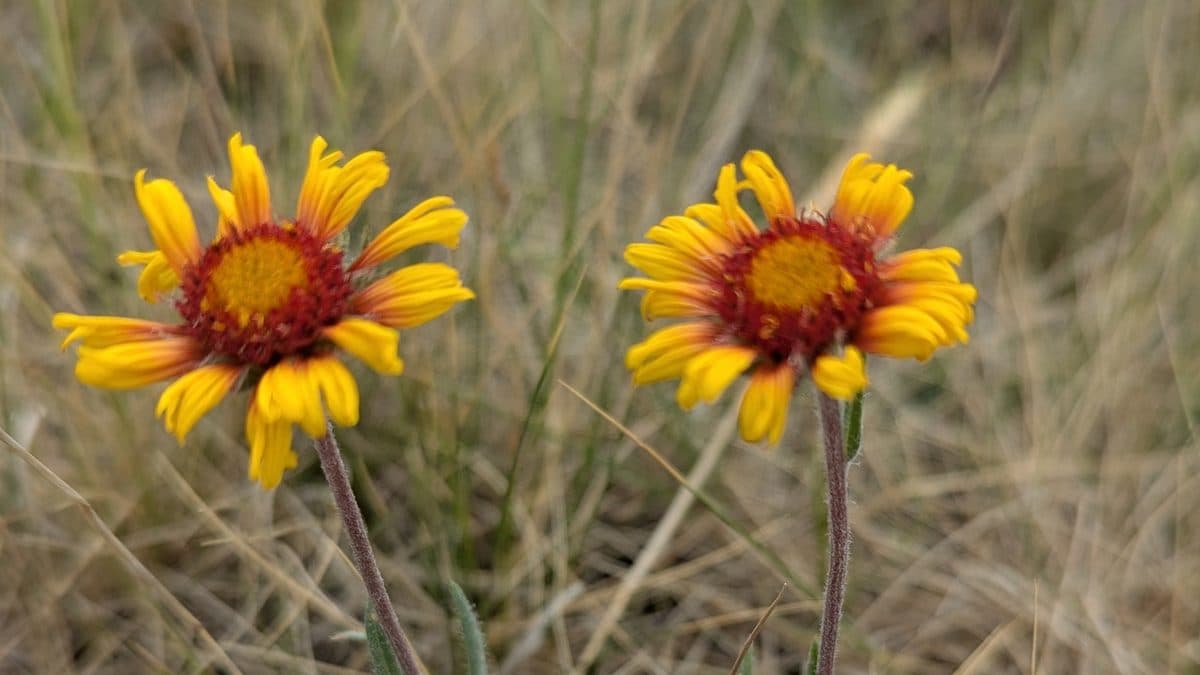
- Blanketflower (Gaillardia aristata). Two-toned red-and-yellow daisies July to September, to about 2 feet, full sun. The Wildflower Center rates its drought tolerance high; its one real risk is overwatering, so plant it in well-drained soil and leave it be. Special value to native bees.
- Rocky Mountain Penstemon (Penstemon strictus). Blue-purple flower spikes in May and June, low water use per the Wildflower Center, and no supplemental irrigation once established. Handles poor, rocky, alkaline ground and draws hummingbirds.
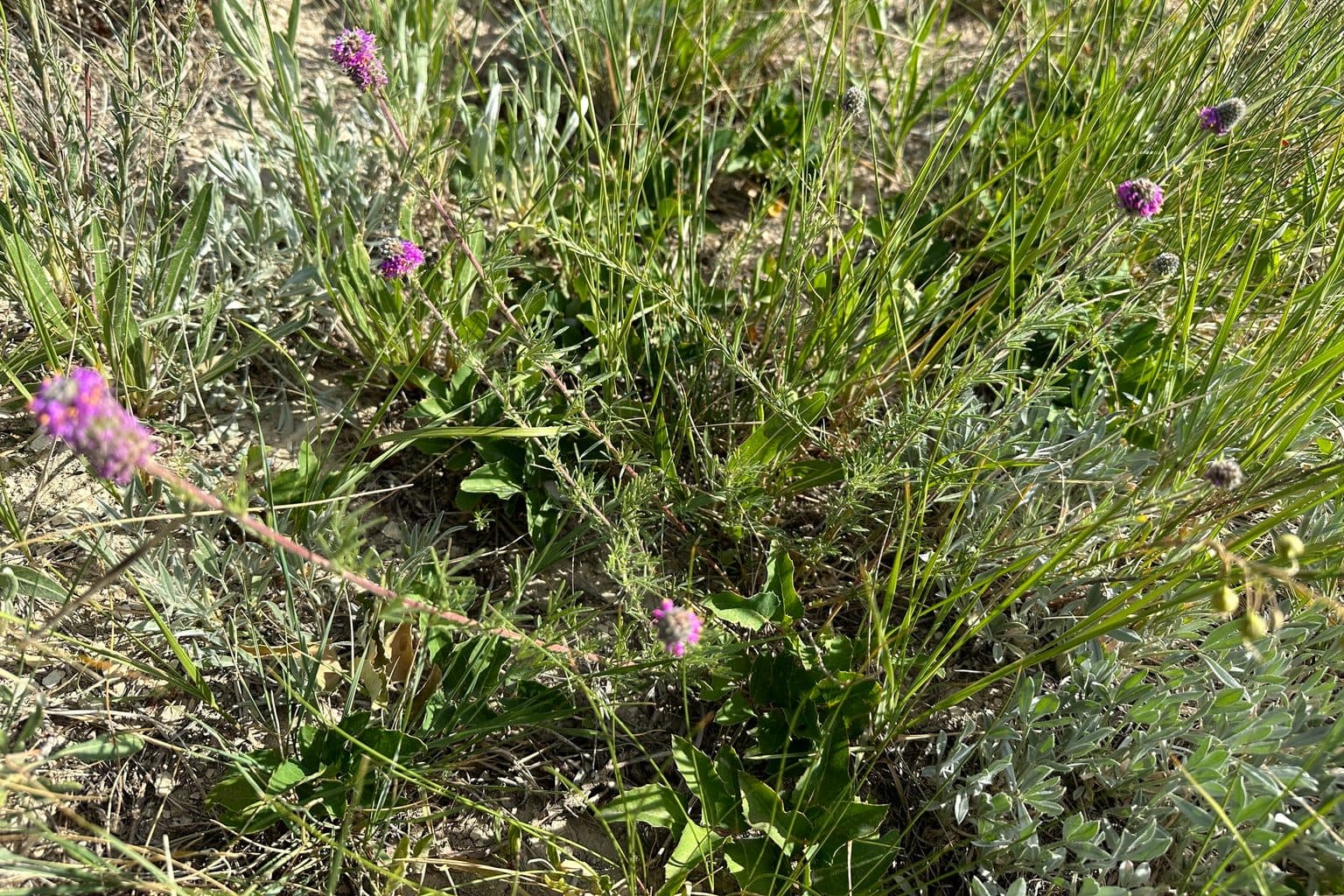
- Purple Prairie Clover (Dalea purpurea). Rose-purple flower spikes June through September on a fine-textured, upright plant. Rated low water and high drought tolerance. It is a nitrogen-fixing legume, so it feeds the soil, and it is a strong native-bee plant.
- Sulphur-flower Buckwheat (Eriogonum umbellatum). Cream to sulfur-yellow flower clusters June to September that age to orange and red, on a low, mounding, evergreen mat. Low water, dry soil, high drought tolerance. A true Rocky Mountain xeric native and an important butterfly plant.
- Mexican Hat (Ratibida columnifera). Sombrero-shaped flowers in orange, yellow, and brown from May clear into October, airy and self-seeding. Medium water use with high drought tolerance, so it carries a long bloom season on very little.
- Chocolate Flower (Berlandiera lyrata). Yellow petals around a maroon center, blooming April to November, one of the longest seasons on this list. Low water use, and the flowers genuinely smell of chocolate in the morning.
Native grasses for structure
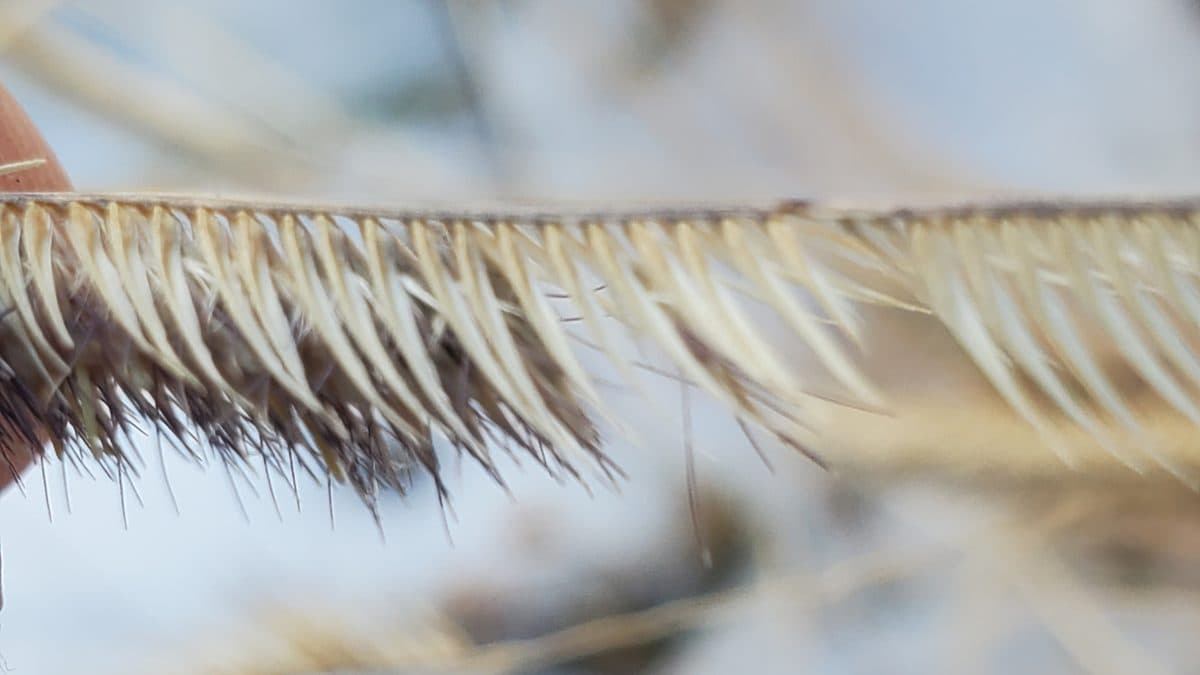
- Blue Grama (Bouteloua gracilis). Colorado's state grass, with distinctive horizontal seed heads in late summer and tan winter interest. Rated high for drought tolerance and able to survive on as little as 7 inches of rain a year. Low and fine-textured, it works as an unmown lawn alternative and tolerates heavy clay.
- Little Bluestem (Schizachyrium scoparium). Blue-green bunchgrass 18 to 24 inches tall that turns mahogany-red with white seed tufts in fall. Low water, dry soil, high drought tolerance, and it takes sandy, loamy, or clay ground. Upright and well-behaved for a front bed, with strong winter structure and seed for birds.
A reseeding annual worth adding
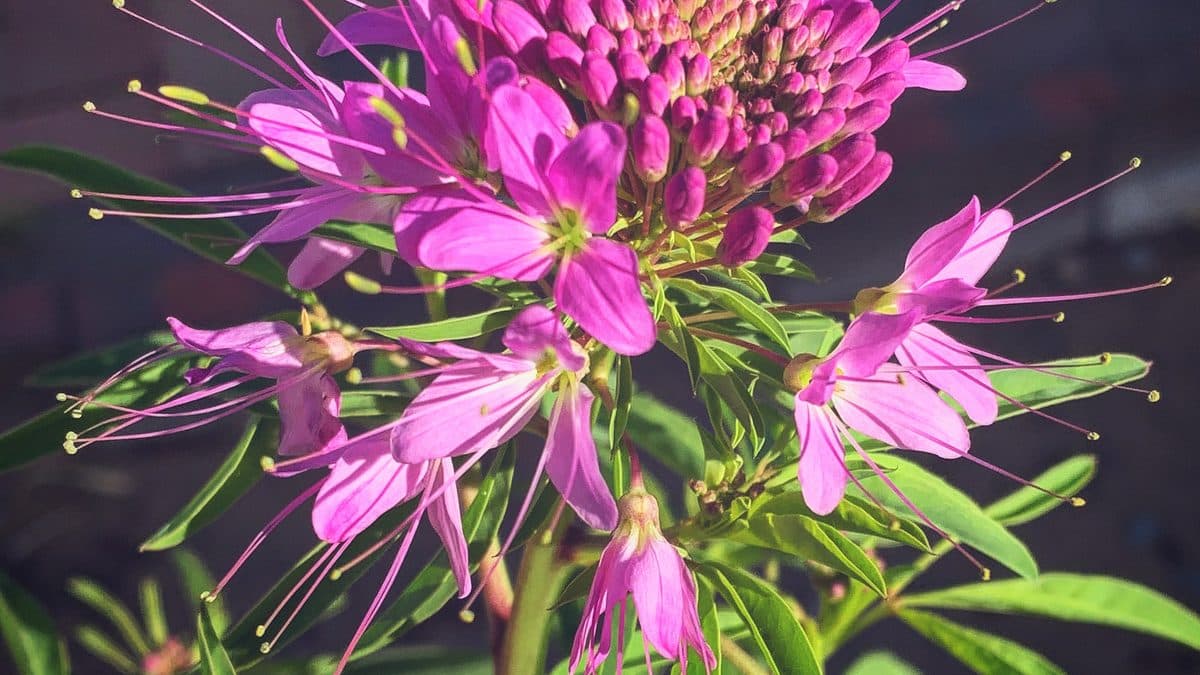
- Rocky Mountain Bee Plant (Cleome serrulata). Purple-to-pink flower heads May through September and one of the best native-bee magnets you can plant. Low water and high drought tolerance. Note that this one is an annual that reseeds itself rather than a perennial, so let a few seed heads stand if you want it back next year.
Keeping it HOA-friendly
Colorado is one of the states with a law on the homeowner's side. Under C.R.S. §38-33.3-106.5, enacted by SB 23-178 and effective August 7, 2023, an HOA may not prohibit the use of xeriscape, nonvegetative turf grass, or drought-tolerant landscapes to provide ground covering. HOAs can still set reasonable design and placement standards, so tidy execution still carries the front yard.
Give these natives a defined border and fresh mulch, keep the taller grasses and the bee plant set back from the sidewalk, and hold the lower perennials up front. For the full legal picture and how to submit a plan, see whether your Colorado HOA can force you to keep grass. For a broader planting list beyond the driest picks, see the best native plants for Colorado front yards, and look into Colorado turf and water rebates to offset the cost of converting.
Not sure which of these fit your exact yard?
Pollinator Patch matches native plants to your ZIP and Colorado ecoregion, then builds a front-yard plan with the right six to eight species, a layout, and a maintenance schedule you can hand to an HOA.