The leaves are starting to come down, and the default plan is the worst one available. Raking them to the curb takes the most work, costs the most money if you are buying bags, and throws away the best mulch you will be offered all year along with a good share of next spring's butterflies. There is one place leaves genuinely cause a problem, and it is not your garden beds.
Key takeaways
- Leaf litter is winter habitat, not waste. Luna moths and swallowtail butterflies disguise their cocoons and chrysalises as dried leaves, and the vast majority of butterflies and moths do not migrate, they overwinter in the landscape as an egg, caterpillar, chrysalis or adult (Xerces Society).
- The lawn is the real exception. A mat of leaves keeps turfgrass from manufacturing and storing food before winter and blocks light, leaving patchy dead areas that come back as weeds (Iowa State University Extension).
- Move leaves off the grass and into the beds. Rake them into garden beds, around tree bases, or into other designated areas (Xerces Society).
- A couple of inches is the target depth in beds, which is what invertebrates want (Xerces Society), and deeper than that can smother the crowns of perennials (Iowa State University Extension).
- Whole leaves beat shredded ones for habitat. Shredded leaves do not give the same cover, and shredding may destroy the eggs, caterpillars and cocoons inside them (Xerces Society).
- Then leave them alone. Wait until late in the spring to clean up, so you do not undo the winter's work (Xerces Society).
Leaves are not litter
Clemson Cooperative Extension says it in as many words: "leaves are not litter and can provide a protective habitat for valuable insects", and combining leaves with standing dead plant material "provides terrific overwintering sites" (Clemson HGIC). That is the whole argument for leaving them in the landscape.
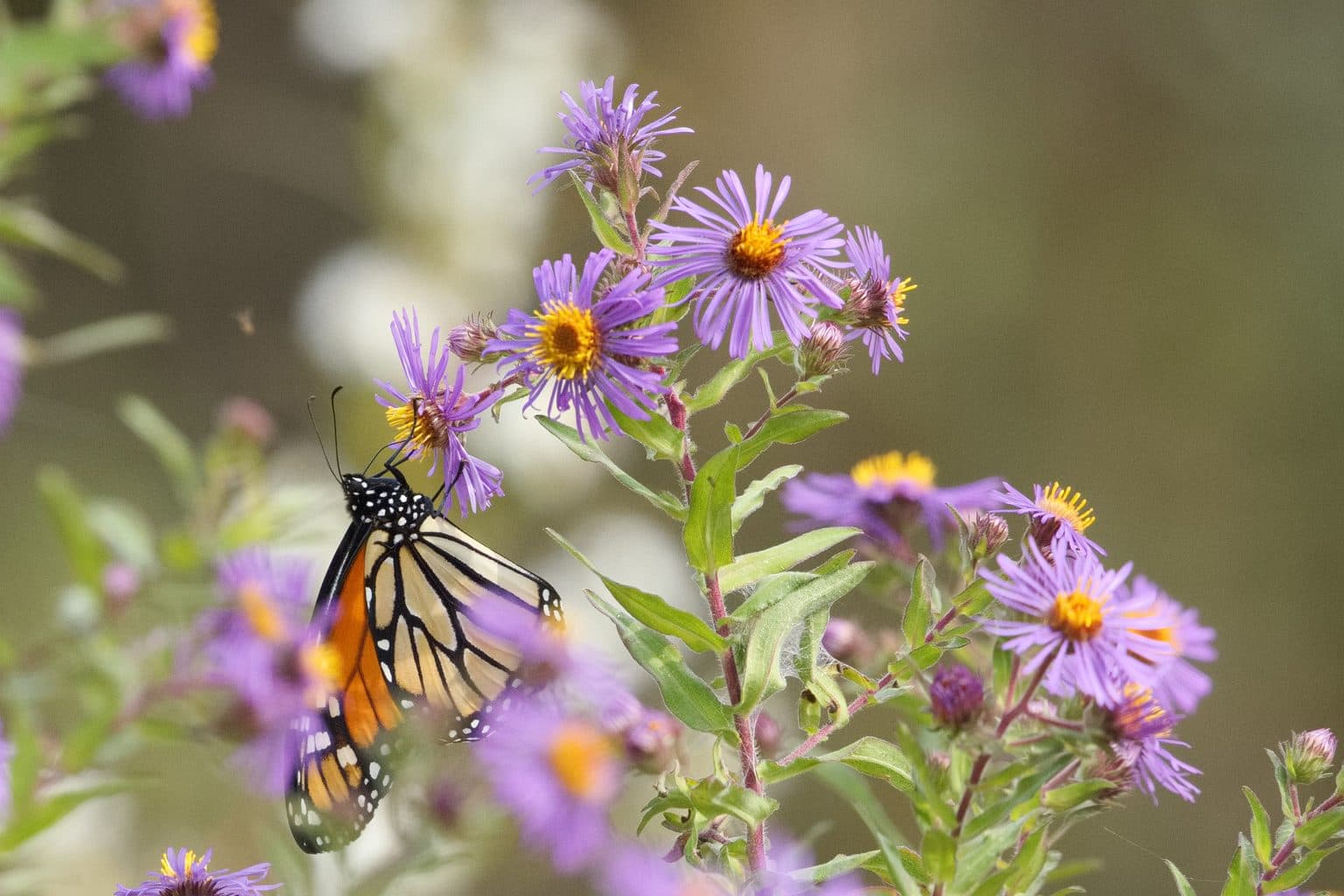
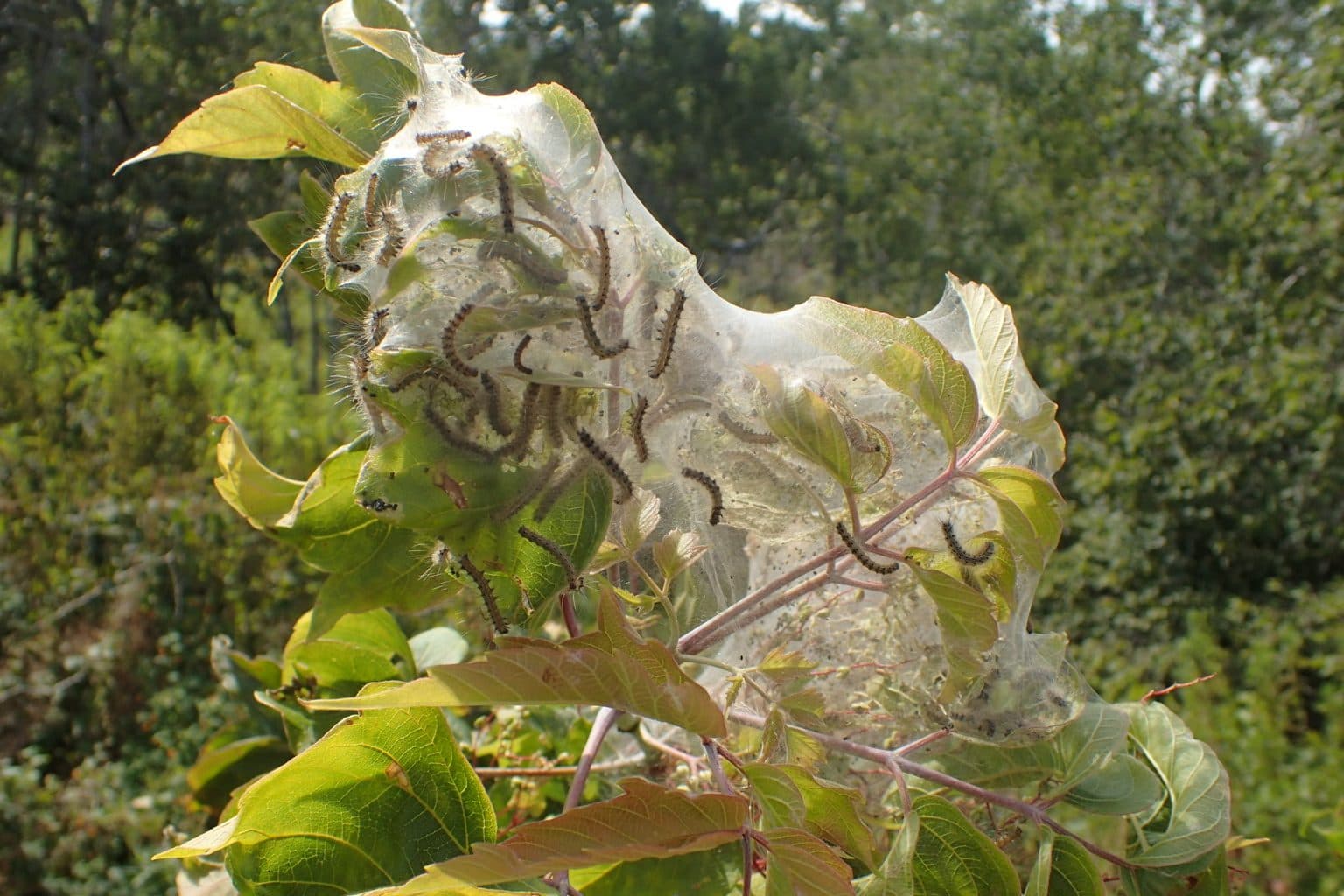
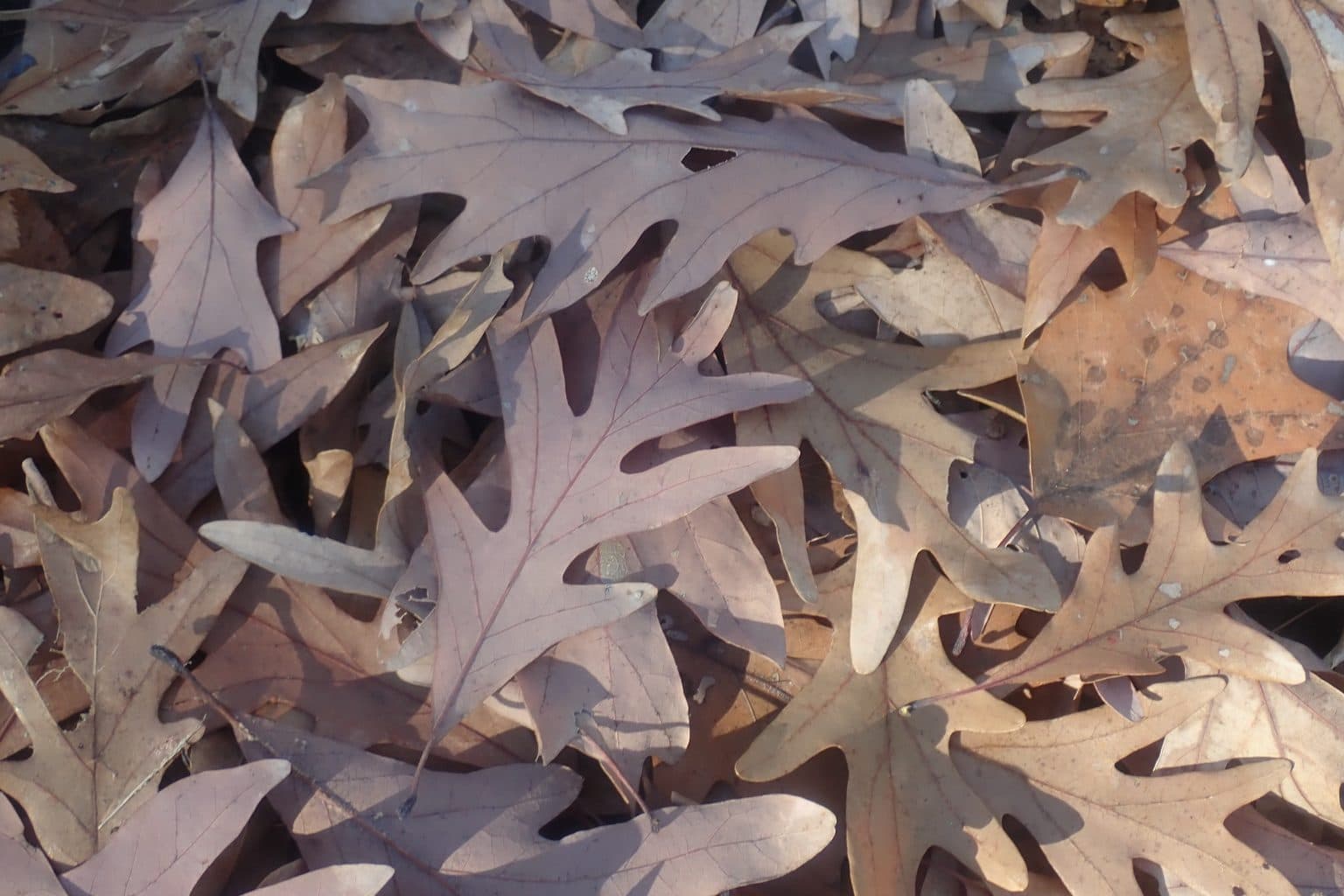
What is actually in there is more specific than most people expect. The Xerces Society points out that "the vast majority of butterflies and moths don't migrate" and instead "overwinter in the landscape as an egg, caterpillar, chrysalis, or adult" (Xerces Society). Some of them have evolved to look exactly like the material they are hiding in. Luna moths and swallowtail butterflies disguise their cocoons and chrysalises as dried leaves. A bag of leaves at the curb in October is a bag of next year's moths.
Clemson also has the long answer for what happens if you do nothing at all. The leaves decompose on their own, and in spring, once temperatures rise and they have broken down, they turn into organic matter and release nutrients into the soil.
The lawn is the one place this backfires
Turf is the exception, and it is worth being precise about why. Iowa State University Extension says leaf debris on a lawn "prevents the turfgrass plants from manufacturing and storing food prior to winter, and can block light, causing areas of the lawn to die back", leaving patchy dead grass that is more prone to weeds (Iowa State University Extension).
So a thick layer sitting on grass through November is not a habitat decision, it is a dead patch next April. Clear the lawn. The question is only where the leaves go next.
Where the leaves should go instead
Into the beds. Xerces gives the simplest version of the instruction: "You can rake them into garden beds, around tree bases, or into other designated areas." Iowa State agrees that leaves can be relocated to other garden areas and serve as mulch over the winter.
Two numbers matter once they are there. Xerces says "important invertebrates will find a home in leaves a couple of inches thick, which mimics natural ecosystems". Iowa State adds the limit from the plant's side: "be sure not to layer leaves too thick as they can smother the crowns of perennials if too deep". A couple of inches across the bed, thinner right over the crown of anything herbaceous, is the version that serves both.
Around the base of a tree you have more room. There is no crown to smother and no lawn to shade, and the leaves came from up there anyway.
Whole leaves beat shredded leaves, where you have the choice
A mulching mower is the standard advice for leaves on turf, and it is good advice for turf. Iowa State says chopping leaves with a mulching mower returns organic matter to the soil and benefits the lawn, as long as they are "chopped into pieces small enough to fall down between the blades of grass". Mow when the layer is thin and dry, and go over a thick layer more than once. Illinois Extension gives the test you can check from the driveway: "When mowing leaves, make sure you can see the grass beneath the cut-up leaves" (Illinois Extension).
Understand what the mower costs you. Xerces is direct about it: "Shredded leaves will not provide the same cover as leaving them whole, and you may be destroying eggs, caterpillars, and cocoons along with the leaves." A rake or a blower keeps them intact.
That gives you a simple split. Mow what stays on the lawn, because it has to be chopped to disappear into the turf anyway. Rake what goes into the beds, because whole leaves are the point there.
The part that reads as neglect, and how to keep it from doing that
A front bed full of loose leaves can look unmaintained from the street, and in an HOA-conscious neighborhood that is the thing that draws a letter. The fix is the same one that works for any native planting, which is to make the edges obvious. A crisp bed line, leaves that stop where the bed stops rather than drifting onto the lawn, and a clear path make a leaf layer read as a choice rather than an oversight. Leaves blown into the grass and left there do not.
Keeping the lawn clear, which you are doing anyway, is most of that work. There is more on this in our guide to clean borders and wild edges.
Then wait until late spring
The last instruction is the hardest one, which is to stop. Xerces says to "wait to clean up the garden until late in the spring", so you do not destroy the life you spent the winter protecting. Everything sheltering in that layer has to be given time to leave it.
One thing not to do with the surplus: Iowa State notes that "most home compost piles do not get hot enough to kill pathogens, insect larvae, or weed seeds". If you are clearing leaves off a diseased plant, those go in the municipal yard waste stream rather than your own pile.
Where the app helps
If you want to know how much time you have before the first freeze changes the job, Pollinator Patch sends freeze alerts by email as well as in the app, once your account has a garden saved with your location. If you are not sure whether a leaf layer will read as intentional on your street, Ask Patch takes the question in plain words, something like "will leaf litter in my front beds look neglected to my HOA?"
What to do this week
Rake or blow the leaves off the grass. Put them in the beds at a couple of inches, thinner over the crowns. Mow the thin stuff that is left on the lawn until you can see grass through it. Then leave the beds alone until late spring.