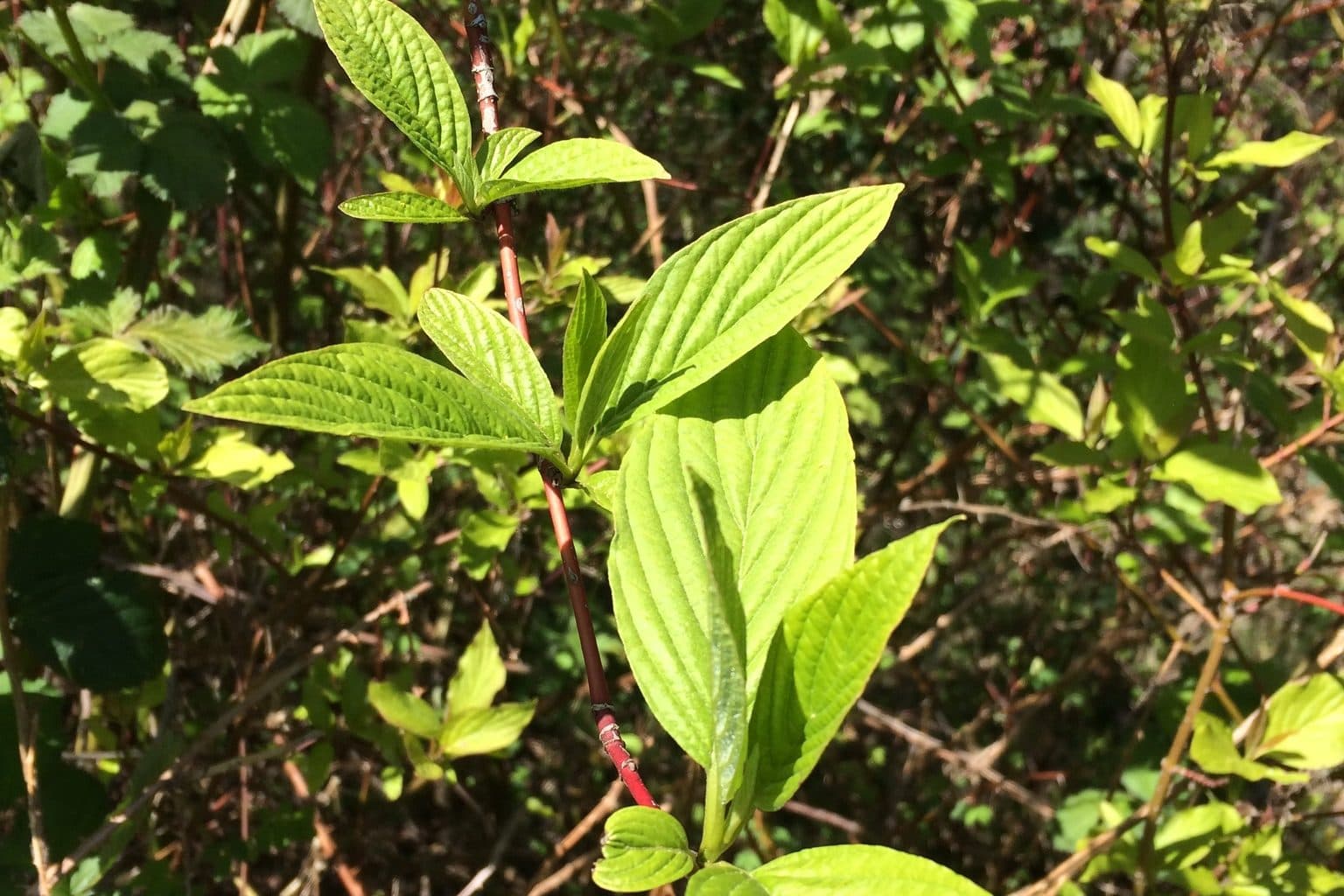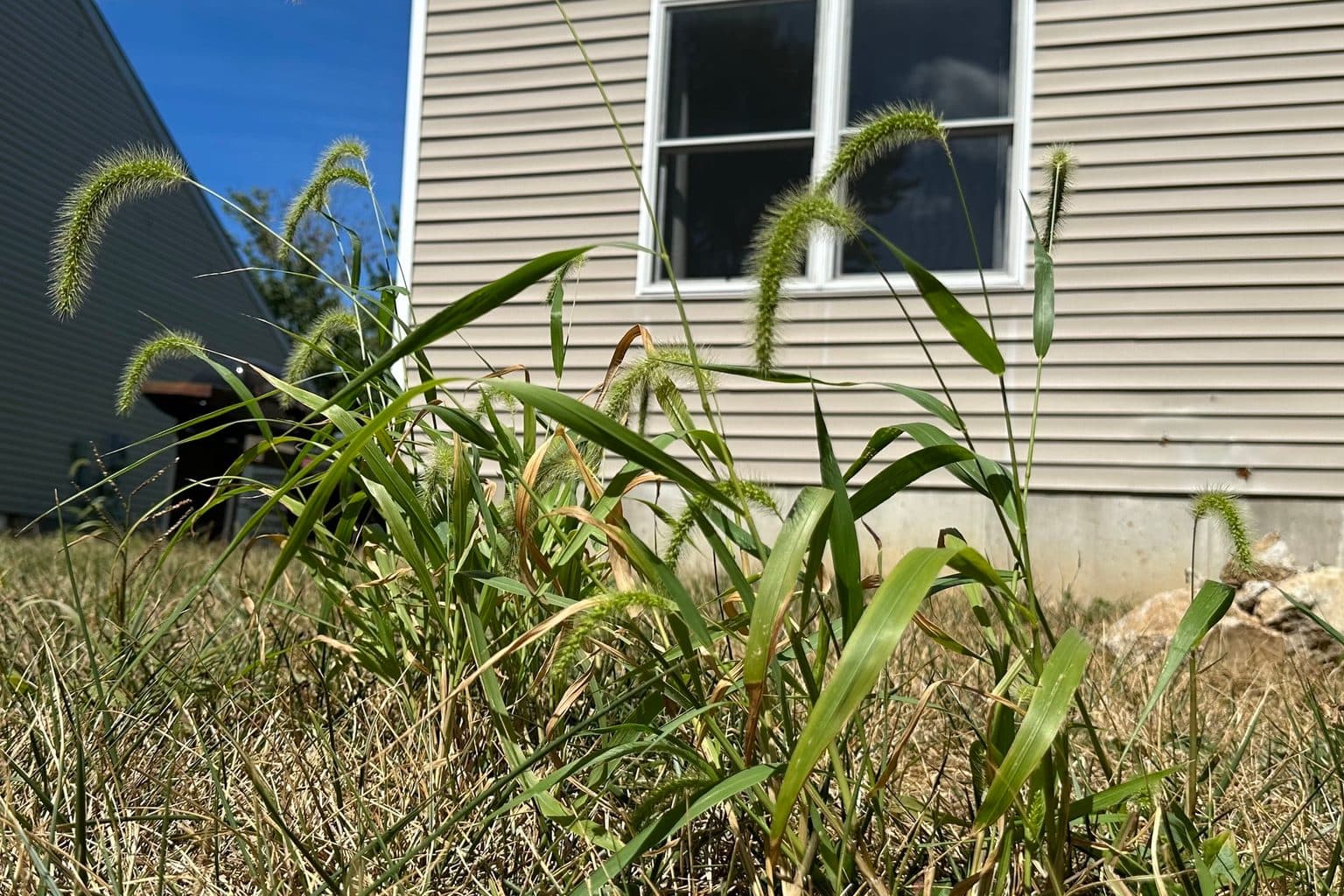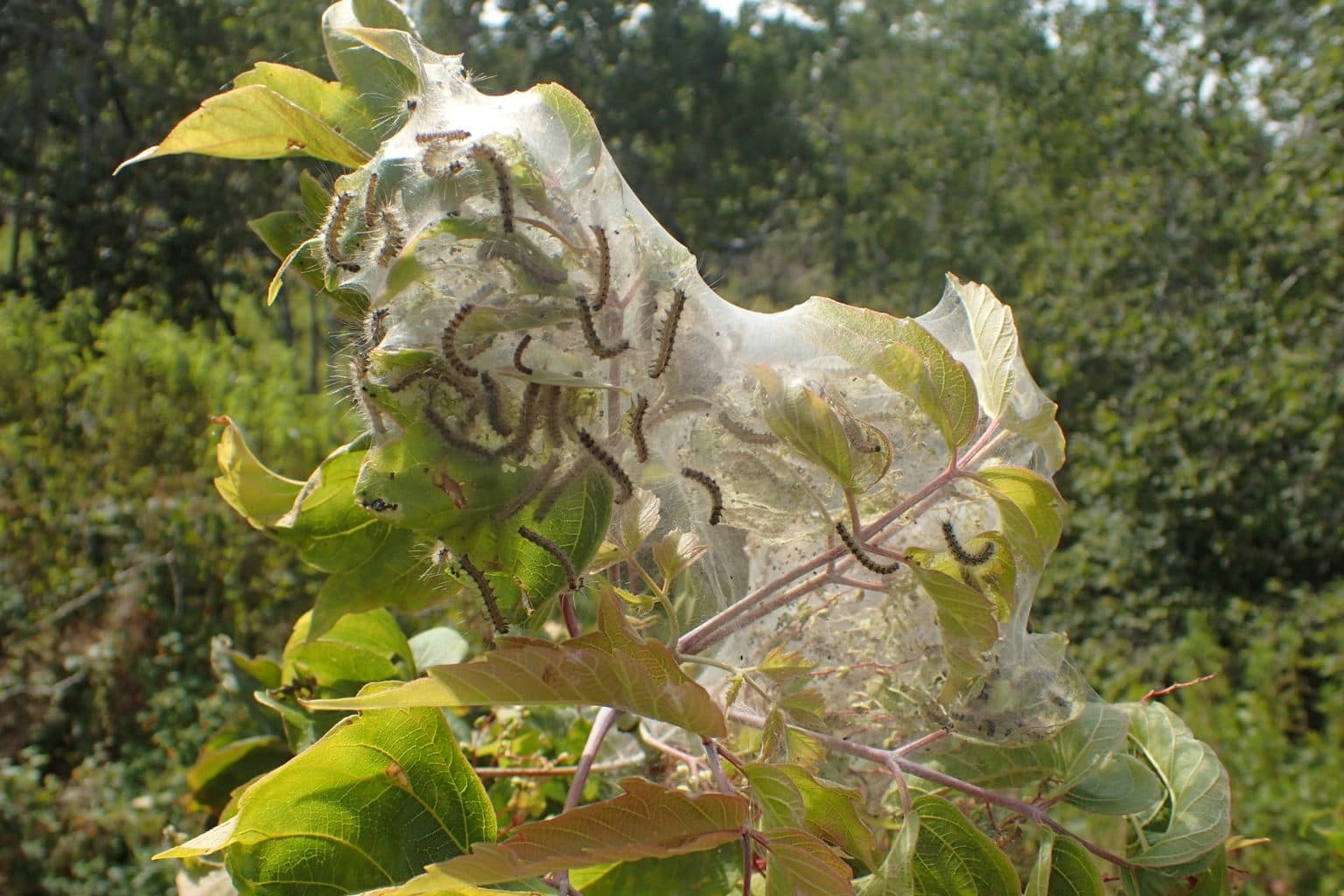
Late summer is when the silk bags show up. A gray-white web wraps the last foot or two of a branch, it gets a little bigger every week, and if you look closely there are caterpillars inside eating the leaves they have wrapped. It looks like something is wrong with the tree. Usually nothing much is.
Key takeaways
- A web over the end of a branch in late summer is fall webworm. Eastern tent caterpillar builds in branch forks in spring and early summer (Penn State Extension).
- Fall webworm is a native defoliator (Clemson Cooperative Extension) that feeds on almost 90 species of deciduous trees (Penn State Extension).
- It runs one or two generations a year in Pennsylvania (Penn State) and 2 to 5 in the southern United States (Clemson), so webs appear earlier the farther south you are.
- Damage is not significant to well-established, otherwise healthy trees, and control is not essential (Iowa State University Extension).
- Prune and discard the webs you can reach, or knock them down or tear them open, and leave the rest (Iowa State, Clemson).
- Birds and many insect predators and parasitoids attack the caterpillars, so a web left standing feeds wildlife (Penn State Extension).
What you are looking at
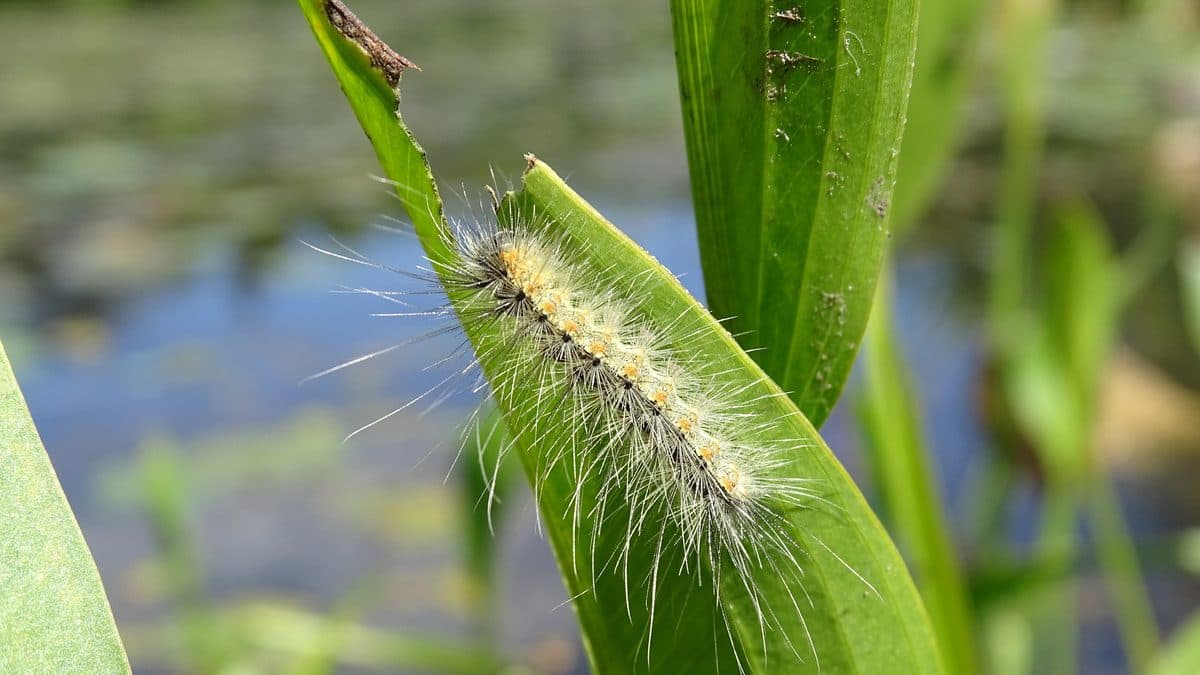
A web at the end of a branch in late summer or early fall is almost always fall webworm, which Clemson Cooperative Extension describes as a "native defoliator" (Clemson HGIC). The webs start small, "only large enough to encompass a single leaf," and "grow larger, envelop more leaves (until they cover the entire terminal branches)."
It is not picky about the tree. Penn State Extension says it "feeds on almost 90 species of deciduous trees, commonly attacking hickory, walnut, birch, cherry, and crabapple" (Penn State Extension).
Tip or fork: the one check that tells you which web it is
The web people usually confuse it with belongs to the eastern tent caterpillar, and the two are easy to separate by where they sit. Penn State: the fall webworm "constructs its nest over the end of the branch rather than at tree crotches." Eastern tent caterpillar tents "occur in the crotches and forks of branches in spring and early summer," and Penn State spells out the contrast directly: "it is in the fork of the branches, not at the tip as in fall webworm" (Penn State Extension, Eastern Tent Caterpillar).
So a web at the tip of a branch in late summer is the webworm. A web in a fork in spring or early summer is the tent caterpillar.
When it shows up depends on where you live
Fall webworm can run through more than one generation a year, and the count goes up as you go south. Penn State says "there may be one or two generations each year, depending on the geographic location in Pennsylvania." Clemson says "there can be 2 to 5 generations per year in the southern United States." In Iowa, Iowa State Extension says mid-August through the end of summer is when it is "noticed on walnut and other hardwood trees" (Iowa State University Extension).
That is why a southern reader may have been looking at webs since early summer while a northern reader is only now noticing them.
Is it hurting the tree?
For an established tree in decent health, not in any way that matters. Iowa State is direct about it: "Damage caused by the fall webworm is not significant to well-established, otherwise healthy trees," and "trees are not killed by this pest and control is not essential." Penn State says the caterpillars "may defoliate a tree occasionally but rarely kill it," and Clemson calls the nests "unsightly and alarming" but "unlikely to cause long-term damage to the tree."
Part of the reason is timing. The leaves they eat in late summer are near the end of their working year anyway. Clemson does note one exception worth watching: "complete defoliation may occur if the entire tree is covered in webbing." A young tree you planted this year, or one already stressed by drought, is the one to keep an eye on.
What to do about it
Start with nothing, then decide. Iowa State's advice is the simplest version: "Prune and discard the webs you can reach and disregard the rest." Penn State agrees that "when the webbed branches are within reach, they can be pruned and destroyed."
If you followed our advice to put the pruners away until late winter, you can still deal with a web without cutting. Clemson says "the web may be knocked down or torn open."
Or leave it for the wildlife. Penn State notes that "birds and many insect predators and parasitoids attack the larval stage." A web you leave standing is food for them.
Where the app helps
If you are not sure what you are looking at, our problem guides go symptom by symptom, starting with bugs on your plant and holes in the leaves. In the Pollinator Patch app, Ask Patch takes the question in plain words, something like "there are webs at the ends of my walnut branches, should I worry?"
What to do this week
Walk the yard and look up. Check whether each web is at a branch tip or in a fork. Prune off or tear open the ones you can reach and that bother you, and leave the rest to the birds. Keep an eye on anything planted this year.