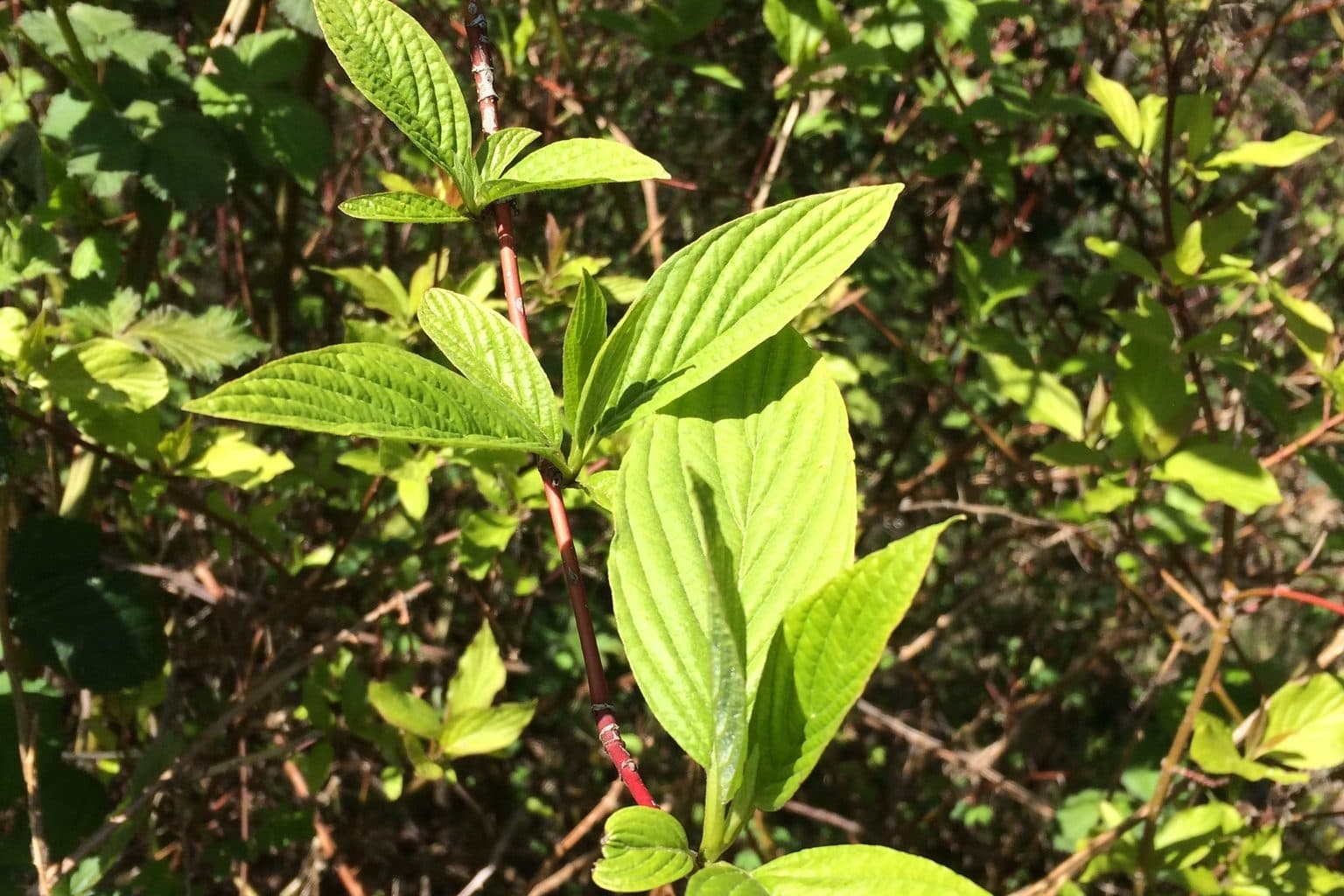
When to Stop Pruning Native Shrubs Before Winter
The short version
- Stop major pruning after mid-August and leave shaping until late winter (Rutgers NJAES).
- Pruning stimulates new growth that may not harden off before cold weather (Iowa State Extension).
- Dead, diseased, damaged, and crossing limbs can be removed at any time of year (Rutgers NJAES).
- An August cut on a spring bloomer removes next spring's flowers, which are already set on this summer's wood.
- The best window for most deciduous shrubs is roughly February through April (Iowa State Extension).
Quick answer
Stop major pruning after mid-August. Rutgers NJAES advises against pruning spring- or summer-flowering shrubs from after mid-August through leaf fall, because pruning stimulates new growth that may not harden off before winter. Iowa State Extension gives the same guidance for deciduous shrubs and puts the best window at roughly February through April. Dead, diseased, damaged, and crossing limbs are the exception and can come out any time.
There is a stretch of August where the yard looks shaggy and the pruners look useful. That is the one time of year to leave them in the shed. A shrub cut back now does not sit still. It answers with a flush of soft new growth, and that growth arrives with too little of the season left to toughen up before the first hard freeze.
Key takeaways
- Stop major pruning after mid-August and leave shaping until late winter (Rutgers NJAES).
- The damage is indirect. Pruning stimulates new growth that may not harden off before cold weather, and the cold does the rest (Iowa State Extension).
- Dead, diseased, damaged, and crossing limbs are the standing exception and can come out any time of year (Rutgers NJAES).
- An August cut on a spring bloomer removes next spring's flowers, because those buds are already set on this summer's wood (Rutgers NJAES).
- The best window for most deciduous shrubs is late winter to early spring, roughly February through April (Iowa State Extension).
A pruning cut is a growth signal
Cutting a stem back does not just shorten it. It releases the buds below the cut and tells the plant to grow. Rutgers NJAES calls pruning an invigorating process that stimulates new growth, which is exactly what you want in March and exactly what you do not want in late August (Rutgers NJAES FS1221, Pruning Flowering Shrubs).
New shoots come in soft and green. Over a normal season they lignify, harden, and go dormant on schedule. Shoots that appear in September have far less time to do that, and they head into winter tender.
The cutoff is mid-August, and the reason is frost
Two extension services put the line in nearly the same place. Rutgers NJAES advises: "DO NOT prune spring- or summer-flowering shrubs in late summer or early fall (after mid-August through leaf fall)," because new growth "may not 'harden off' by winter. This may lead to cold damage or winter injury" ( Rutgers NJAES FS1221). Iowa State Extension is just as direct about deciduous shrubs: "Do not prune deciduous shrubs in late summer. Pruning shrubs in August or early September may encourage a late flush of growth," and "this new growth may not harden sufficiently before the arrival of cold weather and be susceptible to winter injury" (Iowa State Extension, Proper Time to Prune Trees and Shrubs).
Read those two together and the real variable is not the date. It is how much growing season is left between the cut and the cold. Mid-August is a good national rule of thumb, but a gardener in northern Minnesota has weeks less runway than one on the Gulf Coast. Look up your own average first frost date and treat the weeks in front of it as the budget you are spending when you make a cut.
The one exception: the four D's
Rutgers NJAES carves out a permanent exception: "dead, diseased, damaged or doublecrossed limbs (the Four D's) should be pruned out at any time" ( Rutgers NJAES FS1221). Iowa State makes the same allowance for storm cleanup and for dead branches on evergreens (Iowa State Extension).
So a broken limb after a storm comes out today. A branch rubbing a wound into its neighbor comes out today. What waits is the discretionary work: shortening, shaping, thinning, and anything you are doing because the plant looks untidy rather than because it is hurt.
What an August cut costs you next spring
Winter injury is only half the bill. The other half is flowers.
Spring-flowering shrubs "bloom on one-year-old wood that grew the previous summer" and "should be pruned immediately after flowering," because the buds for next spring are formed the year before (Rutgers NJAES FS1221). The buds that will open next April are already sitting on the branches you are looking at right now. Cut those branches back in August and you have thrown away the flowers before anyone sees them, which is a quiet failure that will not show up until the plant sulks through a spring the neighbors' plants do not.
Summer-flowering shrubs work the other way. They "bloom from buds that developed on new wood that grew in the spring of the current year" and "should be pruned in late winter or early spring to promote vigorous growth" (Rutgers NJAES FS1221).
When to prune instead
- Spring bloomers: right after they finish flowering, not before (Rutgers NJAES).
- Summer bloomers: late winter or early spring (Rutgers NJAES).
- Most deciduous shrubs generally: February through April, with the exact timing depending on bloom time and plant health (Iowa State Extension).
- Anything dead, diseased, damaged, or crossing: whenever you find it (Rutgers NJAES).
The late-winter window has a second advantage nobody advertises. The leaves are off, the structure is visible, and you can actually see which branch is the problem.
What to do in August instead
The urge to work on the yard is real. Point it somewhere useful.
Water deeply and less often, so roots follow the moisture down instead of sitting near the surface. Pull the weeds that are about to set seed, which is a week of work now against a season of work next year. Walk the beds with your phone and photograph the shrubs that got away from you, then write their names on a note dated February. And if you are planning to add plants this fall, this is the month to decide what and where, because the planting window opens as soon as the worst heat breaks.
Put the pruners back. The shrub is not going anywhere, and February is a better month for both of you.
Can you prune shrubs in August?
Not for shaping or size. Rutgers NJAES advises against pruning spring- or summer-flowering shrubs after mid-August through leaf fall, and Iowa State Extension says pruning deciduous shrubs in August or early September may encourage a late flush of growth. Dead, diseased, damaged, and crossing limbs are the exception and can be removed at any time of year.What happens if you prune a shrub too late in the year?
The cut itself is not the damage. Pruning stimulates new growth, and Iowa State Extension notes that this new growth may not harden sufficiently before cold weather arrives, leaving it susceptible to winter injury. Rutgers NJAES describes the same chain, where growth that does not harden off by winter leads to cold damage. On a spring-flowering shrub there is a second cost, because next spring's buds are already set on this summer's wood.When is the best time to prune a flowering shrub?
It depends on when it blooms. Rutgers NJAES advises pruning spring-flowering shrubs immediately after they finish flowering, since they bloom on wood that grew the previous summer, and pruning summer-flowering shrubs in late winter or early spring, since they bloom on the current year's new wood. Iowa State Extension puts the general window for most deciduous shrubs at roughly February through April.Want the pruning window to come to you?
Pollinator Patch tracks what you planted and sends care reminders tuned to your ZIP code, so the late-winter pruning window arrives as a reminder instead of something you have to remember. You can also ask when a specific plant in your yard should be cut back in your region.
See a finished plan for a yard like this
Find our guides useful? Add Pollinator Patch as a preferred source on Google and articles like this one will show up higher in your own search results.