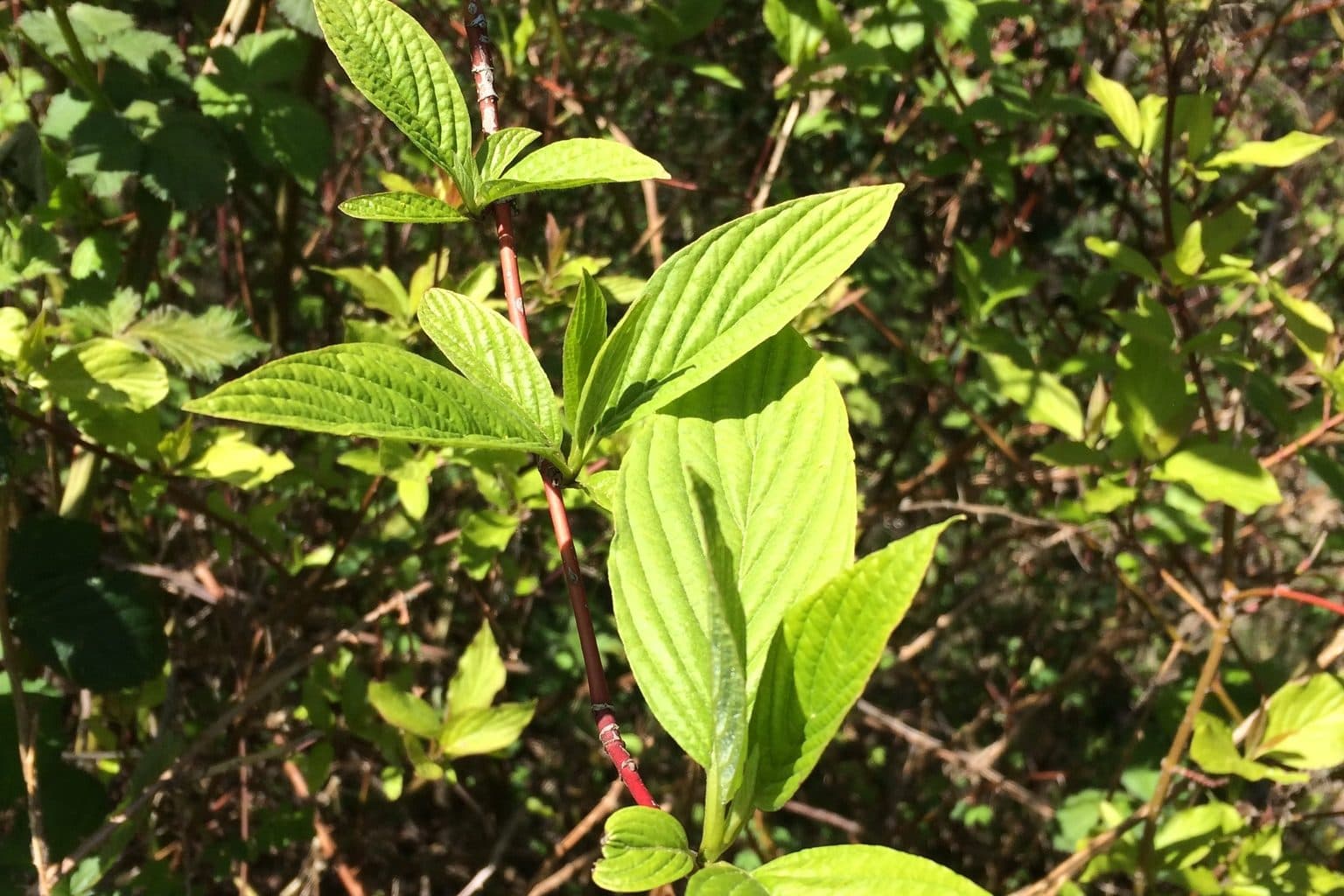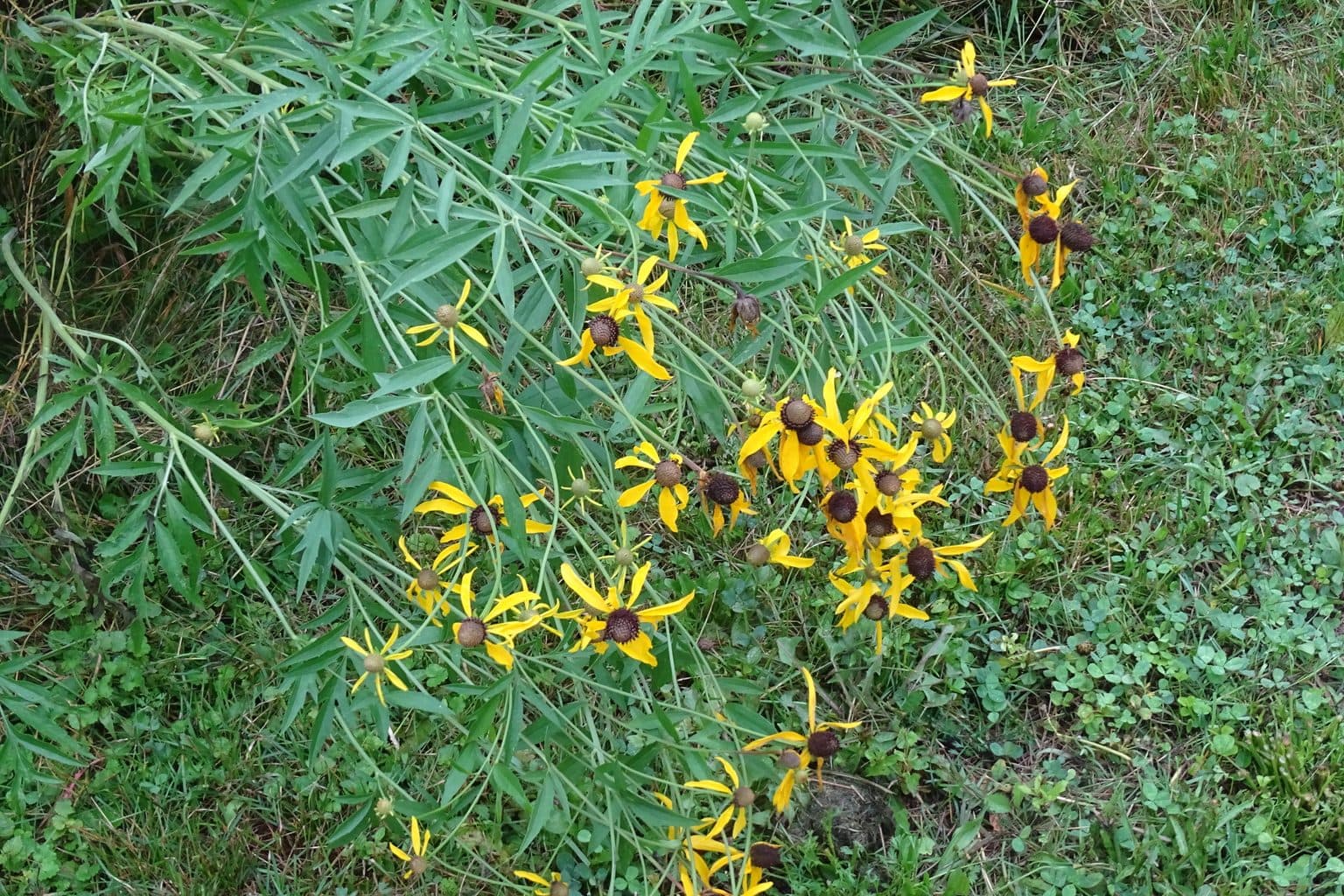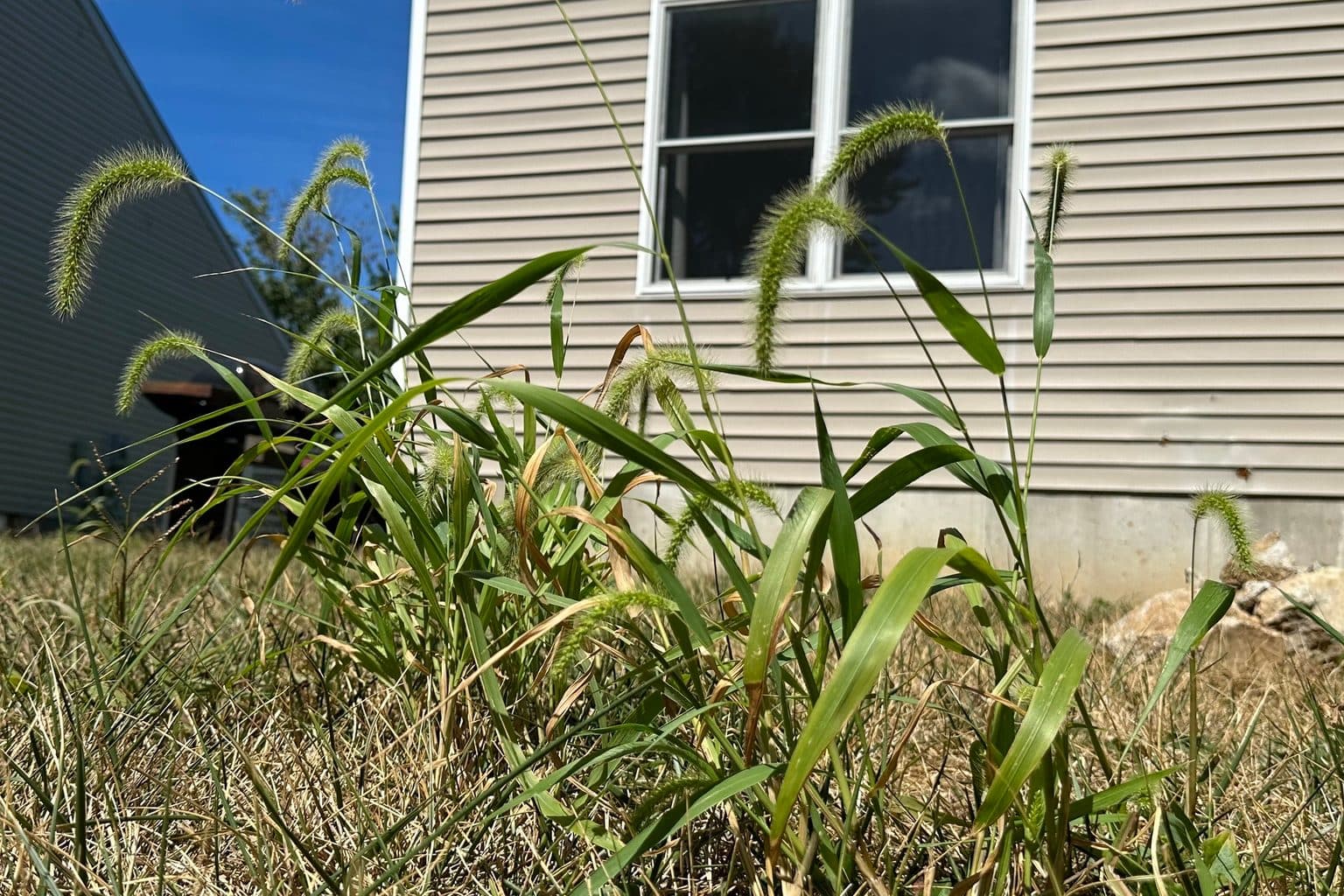
The weeds standing in your beds in late August are not really the problem. The seeds they are about to drop are. For the next several weeks, the single highest-value hour of garden work you can do is walking your beds and taking out anything carrying a flower head or a seed head, in that order, before the small stuff.
Key takeaways
- About 80 percent of next season's weeds come from the weed seed that falls this fall (Penn State Extension).
- Pigweed species begin producing mature seed by mid-August, and for grassy weeds the heaviest seed drop runs from late September through October (Penn State Extension).
- One crabgrass plant produces about 150,000 seeds a year, one common purslane plant up to 2 million, and one chickweed plant about 25,000 (Illinois Extension).
- Weed seeds wait. Purslane stays viable in soil about 5 years and eastern bitter nightshade 40 years or more, and Illinois Extension calls the old "one year's seeding, seven years weeding" line a conservative estimate.
- The home-garden version of the rule is one sentence: do not let weeds flower and set seeds (University of Minnesota Extension).
Why these few weeks matter more than the ones behind you
Summer annual weeds have one job and they are finishing it now. Penn State Extension, writing for field crops but describing the same plants that turn up in a garden bed, puts pigweed's timeline plainly: pigweed species begin to produce mature seed by mid-August. For grassy weeds like giant foxtail, the same source notes that peak seed rain usually occurs from late September through the month of October.
That is the whole window. What falls in it is what you deal with next year. Penn State's summary line is the one worth remembering: about 80 percent of weeds next season come from weed seed this fall.
A weed pulled in May was one weed. A weed pulled in late August is a weed plus everything it was about to plant for you.
The arithmetic of one missed weed
Illinois Extension's numbers are the reason this is not a task worth putting off a week. A single common purslane plant can produce up to 2 million seeds annually. One crabgrass plant makes about 150,000 seeds every year. Chickweed, which looks harmless, manages 25,000. Eastern bitter nightshade makes 825,000.
Then those seeds wait in the soil. Purslane stays viable about 5 years. Eastern bitter nightshade lasts 40 or more years. As Illinois Extension puts it, there are plenty of weed seeds that can remain viable in the soil for decades.
The old gardening line for this is "one year's seeding, seven years weeding," and the same source notes it is a conservative estimate.
What to do, in order
The point of doing this now is not to get the bed perfect. It is to stop the seed. So the order matters more than the thoroughness.
- 1Take out anything flowering or holding a seed head first.A tall weed with a ripe head is worth more of your attention than ten small seedlings that will not set seed before frost.
- 2Pull after rain, or after you water.Moist soil lets the whole root come up instead of the stem snapping off at the crown, which is what leaves you pulling the same plant again in two weeks.
- 3Handle the seed heads carefully on the way out.A ripe head shaken over the bed you just cleared undoes the work. Cut or bag the head before you tug the root if the plant is loaded.
- 4Then get the small seedlings.Only if you have time left. If you do not, they can wait. Most will not finish a seed crop before your first freeze.
University of Minnesota Extension reduces the whole practice to one instruction for home gardens: do not let weeds flower and set seeds. Its companion line is the reason it works, which is that you prevent the number of weeds from increasing by eliminating weeds before they flower.
What to do with what you pulled
Seed heads do not belong in a backyard compost pile. Most home piles never reach and hold the temperature needed to kill weed seed, so a pile that took in ripe heads in August becomes the delivery system that spreads them back across the beds next spring when you spread the finished compost. Bag the seed-bearing material and put it in the trash or the municipal yard-waste stream, which is generally hot-composted at a scale a backyard pile is not.
Leafy weeds with no flowers and no seed heads are fine to compost. The distinction is the head, not the plant.
Then mulch what you cleared
Bare soil in a bed you just weeded is an invitation. Illinois Extension's recommendation for the seed already in the soil is to use a quality mulch or compost to keep those seeds in the dark to prevent germination. That is the cheapest follow-through available, and it is work you were probably going to do before winter anyway.
Illinois Extension also describes a stale seedbed for areas you are preparing rather than maintaining, which means very lightly and shallowly working the very surface of the soil repeatedly so seed comes up to germinate and you can take out that flush before you plant. That is a technique for a bed you are about to start, not one you are keeping.
Why this matters more in a front yard than a back one
A native bed and a neglected bed look different in exactly one place: the weeds. Established natives can look loose, tall, and seedy in late summer and still read as intentional to a neighbor or a board, because the mass and the structure hold. A crop of two-foot weed stems standing over the top of that same bed is the thing that reads as abandoned.
If your front yard is the one that gets looked at, this hour of work is doing two jobs at once. It cuts next year's weed pressure and it keeps the planting looking deliberate through the part of the season when everything else is winding down.
Know what you are pulling before you pull it
The question that stalls this task is usually not what to do, it is whether the thing in your hand is a weed or a seedling you actually wanted. Pollinator Patch builds a native plant list for your zip code, so a mystery seedling has something to be compared against, and you can describe what you are seeing to get a read before you pull it.
Open the app