Prairie Spiderwort
Tradescantia occidentalis
Last reviewed: August 2026
Prairie spiderwort is a drought-tolerant forb found on dry prairies, plains, and rocky grasslands across the central and southwestern United States, blooming from March through November in full sun.
Toxicity unknown
Prairie Spiderwort (Tradescantia occidentalis) is not listed by the ASPCA Animal Poison Control Center (opens in new tab) or the other sources we check, so we have no verdict for it either way. Absence from those lists is not a clearance. If your pet shows symptoms after eating any plant, call the ASPCA at (888) 426-4435.
Light
full sun
Water
low
Size
18"–36" H × 6"–12" W
Bloom
Mar, Apr, May, Jun, Jul, Aug, Sep, Oct, Nov
Native to
AR, AZ, CO, IA and 15 more states
Pollinators
bees
Before you buy
Your city may pay you to plant this
Cities and water utilities offer rebates for replacing lawn with native and water-wise plants. We track 452 programs across 44 states, each with a link to the provider and the date we last checked it.
Find rebates in your areaBrowse plants for this ecoregion
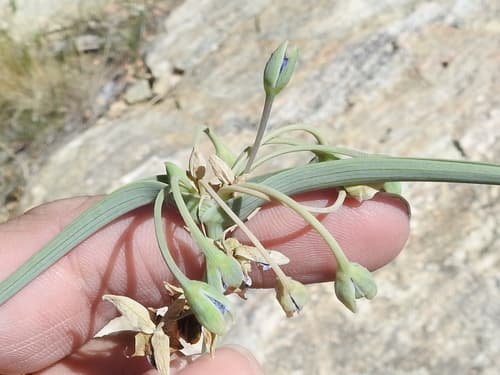
Prairie Spiderwort produces delicate three-petaled flowers in shades of blue, purple, or white from spring through fall. This native Texas wildflower forms upright clumps with grass-like foliage and thrives in hot, dry conditions with minimal care.
Growing Prairie Spiderwort
Grow Prairie Spiderwort in full sun and low water. Mature plants reach 18 to 36 inches tall and spread 6 to 12 inches wide. Expect low maintenance to keep it looking intentional in a front yard.
How to care for Prairie Spiderwort, by region
How to care for Prairie Spiderwort where it is actually grown: year-round basics plus what to do each season, region by region, with the sources for each.
Care guidance last updated: September 2026
Cross Timbers (includes Fort Worth, TX)
Year-round
Prairie spiderwort is native to the Cross Timbers, so around Fort Worth it is growing in the region it evolved in. The sandy loam over clay subsoil that is typical here drains better than the heavy black clay just east, and that suits this plant well, because it wants a well-drained spot and very little water once it has settled in. Plan for 18 to 36 inches of loose, grassy growth in full sun to light afternoon shade. The most important thing to know is that the three-petaled blue to purple flowers open early and close by midday, so if you only look at the bed after work you will swear it never bloomed. Each flower lasts a single day, but the plant keeps pushing new buds for months. It also self-seeds readily, which is a gift in a big naturalistic bed and a nuisance in a small tidy one, so decide early which you have. On pet questions, be precise: the ASPCA lists several houseplant relatives in this genus, such as the variegated inch plant, as causing dermatitis in dogs and cats, but it publishes no determination for prairie spiderwort itself, and our record for this species is simply unchecked rather than clear.
- Give it full sun to light shade in sandy loam or any spot that drains freely.
- Water only to establish, then let it run on rainfall.
- Look at the bed before 10am if you want to see flowers open.
- Expect volunteer seedlings and pull the ones you do not want while small.
- Listed by the Lady Bird Johnson Wildflower Center as having special value to native bees.
- No ASPCA determination exists for this species, so treat pet risk as unknown rather than ruled out.
- Mature clumps reach about 18 to 36 inches tall and lean outward as the season wears on.
Fall
Fall is the second rainy peak around Fort Worth, and a clump that got cut back in August will often reward you with a late flush of flowers well into October or November. First frost usually arrives in late November, and the top growth goes down soon after. This is the season to make a decision about seed. If you want the patch to spread, leave the seed heads and let it sow itself, because it does that readily. If your bed is small or formal, snip the seed heads off before they shatter and you will save yourself a lot of weeding next spring. After frost you can either cut the browned stems down or leave a few inches standing to mark where the crowns are.
- Expect a late bloom flush through October or November after a summer cutback.
- Remove seed heads before they shatter if you do not want volunteers.
- Leave seed heads standing if you want the patch to fill in on its own.
- Cut browned top growth down after the late November frost.
- Leave a few inches of stem as a marker so you do not dig the crown in spring.
- Skip fall fertilizer and skip watering unless the fall is unusually dry.
A clean fall cutback with a crisp bed edge is what keeps a native planting reading as intentional through winter instead of looking abandoned.
Winter
Winter is the easy season. In zone 8a the plant dies back to the ground and rests, and the crown handles Fort Worth cold on its own with no protection needed. Do not water it. The one real winter risk here is not cold, it is wet feet, because a heavy mulch layer sitting on a crown over clay subsoil can hold moisture longer than this plant likes. Keep mulch thin and pulled back an inch or two from the center of the clump. If you left stems standing in fall, tidy them up in late winter before new growth pushes. Late winter is also a good time to divide an oversized clump, while everything is still dormant.
- Do not water dormant plants over winter.
- Keep mulch thin and pulled back from the crown to avoid trapped moisture.
- No cold protection is needed in zone 8a.
- Tidy any remaining stems in late winter before growth resumes.
- Divide oversized clumps while dormant in late winter.
- Mark the spot so a winter bed cleanup does not dig out the crown.
Trimming the last dead stems and re-cutting the bed edge in late winter is the cheapest way to keep the front yard looking cared for during the months when nothing is growing.
Spring
Last frost around Fort Worth lands near mid March, and that is your planting window. Spring rain is one of the two wet peaks here, so a plant set out in late March or April can get its roots down without much help from you. Water new plants once a week for the first month, then taper off and let the weather take over. Flowering can start as early as March and builds through spring, but remember the flowers close by midday, so a morning walk is the only way to enjoy them. This is also when volunteer seedlings from last year's seed show up, and they are easiest to pull or move now while they are only a few inches tall. If you want more of it, spring stem cuttings root in water or moist potting mix in one to three weeks.
- Plant after mid March once frost risk has passed.
- Water weekly for about four weeks, then stop supplemental water.
- Walk the bed in the morning to actually see the flowers open.
- Thin or transplant volunteer seedlings while they are small.
- Take stem cuttings now if you want more clumps for free.
- Watch young foliage for slug damage in a wet spring.
- Skip fertilizer, since lean sandy loam produces sturdier growth than rich soil.
Summer
July and August are the hard part of the year here, with long dry stretches and days over 100 degrees. Your plant will handle that better than most, because it is built for dry sandy ground and needs very little water once established, but the foliage will still flop, yellow at the base, and start looking ratty by midsummer. That is normal and it is your cue, not a disease. Cut the whole clump back hard, close to a few inches above the ground, and it will push fresh compact growth and often bloom again into fall. If the bed is small, do this in stages so you are not left with a bare patch. Give it one deep soak after the cutback to help the regrowth, then go back to leaving it alone.
- Cut floppy clumps back to a few inches when they turn ratty, usually late July or early August.
- Water deeply once right after the cutback, then return to no supplemental water.
- Do not add extra water for wilting alone, since it recovers overnight.
- Deadhead spent stalks as they fade to keep more buds coming.
- Stagger cutbacks across a small bed so it never looks bare.
- Expect a fresh flush of tighter growth within two to three weeks.
Cutting the floppy midsummer growth back hard reads as intentional maintenance from the sidewalk, where a sprawling yellowing clump is exactly the kind of thing that draws a violation letter.
Sources: Lady Bird Johnson Wildflower Center, Tradescantia occidentalis (Prairie spiderwort), Native Plant Society of Texas, Tradescantia occidentalis, ASPCA Toxic and Non-Toxic Plants, Variegated Inch Plant (Tradescantia flumeninsis), Penn State Extension Master Gardener, Spiderwort
East Central Texas Plains (includes College Station, TX)
Year-round
Prairie Spiderwort in College Station wants a well-drained spot with at least half a day of sun and grows into a low, grassy clump.
- Give it a spot with at least half a day of sun. More sun brings more flowers, but it also tolerates part shade.
- Plant it in soil that drains well. It handles sandy, clay, or rocky ground and does not need rich soil to do fine.
- Water new plants regularly until the roots settle in, usually the first season. Once established it gets through dry stretches without much extra help.
- Expect a clumping perennial with narrow, grass-like leaves that grows about a foot and a half to three feet tall.
Fall
Cooling fall weather in College Station can bring a lighter second bloom, and the plant spreads by seed if flowers are left to go to seed.
- As summer heat breaks, the plant can put out a second, lighter round of blooms before the first freeze arrives.
- It spreads on its own by seed and by widening clumps. Texas A&M's own turf program lists it among the plants that show up unplanted in lawns.
- Deadhead spent flower clusters if you want to keep it from seeding into nearby beds or the lawn edge.
Because it can seed itself into a lawn or neighboring beds, deadheading before seed drop keeps a front-yard planting from spreading past where you put it.
Winter
The foliage dies back to the ground after College Station's first hard freeze, and the plant needs no winter protection.
- The top growth dies back to the ground after the first hard freeze and the plant goes fully dormant for winter.
- Cut back the dead foliage in late winter before new shoots start, or leave it in place as light ground cover until then.
- No extra winter protection is needed. The roots handle the cold snaps that come through this part of Texas.
Cutting back the dead foliage in late winter keeps a visible front bed looking neat until new growth starts in spring.
Spring
Spring is the main show for this plant in College Station, with its biggest bloom flush as the weather warms up.
- New growth comes up as the coldest nights of winter pass and the ground warms.
- This is the heaviest bloom window of the year. Each blue-violet to rose flower opens in the morning and closes by early afternoon, but new ones keep coming.
- Keep the soil a little moist if spring rain runs light. An established plant does not need much more than that.
Summer
Once established the plant rides out College Station's hot, humid summers on its own, though a light shearing keeps it looking tidy.
- College Station summers get hot and sticky, but an established plant handles the heat fine without regular watering.
- During a long dry stretch, an occasional deep watering keeps it from looking tired, though it will not die without one.
- After the big spring bloom fades, cutting the stems back by about a third tidies the plant up and can bring on another round of flowers later in the summer.
Shearing back the spent stems in summer keeps the planting looking tended instead of leggy, which helps if it sits along a front walk or curb.
Sources: Lady Bird Johnson Wildflower Center native plant database, Tradescantia occidentalis, Native Plant Society of Texas, Tradescantia occidentalis plant profile, Texas A&M AggieTurf, Prairie Spiderwort identification, Plantophiles, Tradescantia occidentalis care guide (community tip), GrowPlants.org, Tradescantia occidentalis growing guide (community tip)
Edwards Plateau (includes San Antonio, TX)
Year-round
Prairie spiderwort is native to Texas prairies and the Edwards Plateau, including the San Antonio area, according to the Lady Bird Johnson Wildflower Center and the Native Plant Society of Texas. It is a low, clumping perennial that blooms nearly all year in the San Antonio climate and asks for very little water once it settles in.
- Give it full sun to light afternoon shade and a well drained spot, it handles caliche and limestone soils that many other plants struggle with.
- Water regularly for the first few weeks after planting, then cut back to occasional deep watering during dry stretches.
- The three petaled blue to purple flowers open in the morning and close by midday, so plant it where you or passersby will see it early in the day.
- It has special value to native bees according to the Lady Bird Johnson Wildflower Center, and deer tend to leave it alone.
Fall
Bloom tapers off through fall in San Antonio, with the area's first light frost typically arriving in mid to late November. This is a second good planting and dividing window since the weather cools but the ground stays workable.
- Keep watering lightly through October, San Antonio falls can still be dry.
- Divide crowded clumps now if you did not do it in spring, roots establish well before winter.
- Deadhead spent flower stalks to keep the bed looking neat as bloom slows down.
Winter
Winters in San Antonio are mild, and prairie spiderwort usually dies back to a low clump of foliage rather than disappearing completely. A hard freeze can knock the top growth back further, but the roots handle the area's typical cold snaps without trouble.
- Leave the foliage in place through most of winter, it protects the crown during cold snaps.
- Wait until you see new green growth low on the plant before removing old top growth, usually by late February or March.
- This is not a plant that needs winter mulch in the San Antonio area, the mild climate does not require it.
Removing winter browned foliage once new growth starts gives a front-facing bed a clean, intentional look heading into spring.
Spring
Spring is prairie spiderwort's strongest bloom stretch in San Antonio. New growth starts once nights warm past the area's typical last freeze around early March, and flowering can run from March into early summer.
- This is the best time to plant new starts or divide an established clump, while the soil is still cool and rain is more reliable.
- Water new plantings two to three times a week until you see fresh growth, then taper off.
- Watch young shoots for slug damage after rain, especially in shadier spots.
Summer
San Antonio summers are hot and can turn dry for weeks at a time. Prairie spiderwort keeps blooming through the heat but the flowers close earlier in the day once temperatures climb, and older stems can flop or look leggy by midsummer.
- A deep soak once a week is usually enough once the plant is established, more often only during extended drought.
- Shear the clump back by about half in July if it looks leggy, it flushes out fresh foliage and more flowers within a couple weeks.
- This also slows self seeding, so expect fewer volunteer seedlings popping up nearby next spring.
A midsummer shear keeps a front-yard bed looking tidy and stops the plant from seeding into the lawn or walkway.
Sources: Lady Bird Johnson Wildflower Center, Tradescantia occidentalis (Prairie Spiderwort) plant profile, Native Plant Society of Texas, Tradescantia occidentalis species page
High Plains (includes Lubbock, TX)
Year-round
Prairie spiderwort's native range stretches from Minnesota to Louisiana and west to the Rockies, reaching into the dry Texas High Plains, so it can handle Lubbock's wind and temperature swings once it's established.
- Plant in early spring after the last frost, or in fall, and shelter new transplants from Lubbock's wind until roots take hold.
- Once established, it's deep rooted and drought tolerant. Rely on rainfall and water deeply only during the driest summer stretches.
- Mulch to hold moisture and cut down on wind driven evaporation, a bigger issue here than in wetter parts of its range.
- Each flower lasts only a day and the foliage can look rangy in Lubbock's summer heat. Don't overwater trying to fix normal summer dieback.
- Work compost into Lubbock's clay or sandy loam before planting to help it establish faster.
It has an arching, somewhat sprawling habit, so give it a defined bed edge in a front yard so it reads as planted rather than weedy.
Fall
Fall is a good window to cut back, divide, or plant before Lubbock's ground starts to freeze.
- Cut back foliage after the first light freeze.
- Divide crowded clumps or plant new ones before the ground freezes for winter.
- Reduce watering as temperatures drop and growth slows.
- Clear fallen leaves and debris so the crown isn't sitting under a damp mat through winter.
Winter
Lubbock winters are cold, dry, and windy, but this prairie native is fully dormant and needs almost nothing from you.
- No watering is needed once the plant is dormant.
- A layer of mulch helps buffer the crown from Lubbock's repeated freeze thaw cycles and drying wind.
- Leave cut back stems in place over winter. They help trap snow and insulate the crown.
- Resist planting or dividing during hard freezes. Wait for early spring instead.
Spring
Plant after Lubbock's last spring frost, typically mid-April, and expect flowering to build through late spring.
- Wait until frost danger has passed before setting out new plants.
- Protect young transplants from Lubbock's strong spring winds with a temporary windbreak or row cover.
- Water regularly the first few weeks after planting to help roots establish in the dry High Plains air.
- Expect blue violet flowers to start appearing as the season warms.
Summer
Main bloom is June and July, but Lubbock's dry heat means each flower closes by midday and the plant can go summer rough.
- Water deeply but infrequently. Frequent shallow watering doesn't hold up in Lubbock's low humidity.
- Expect blooms to close by midday. That's normal, not a sign of stress.
- Cut the clump back by half if it flops or looks tired in peak summer heat. It will resprout from the base.
- Watch for slug damage on tender new growth after any rain.
Sources: Lady Bird Johnson Wildflower Center - Tradescantia occidentalis (Native Plant Database), USDA PLANTS Database - Tradescantia occidentalis Plant Profile
North Central Hardwood Forests (includes Minneapolis, MN)
Year-round
Prairie spiderwort is native to Minnesota, where the Lady Bird Johnson Wildflower Center lists its range running from Minnesota south to Louisiana and west to the Rockies. In the Minneapolis area it grows in dry, sandy prairie soil and blooms from late spring into early fall.
- Plant it in full sun to light shade, in a well drained spot, sandy or gravelly soil is ideal but it also tolerates average garden soil.
- It is drought tolerant once established and rarely needs supplemental watering beyond its first season.
- The blue to violet flowers open in the morning and close by midday, each individual bloom lasts only a day but the plant keeps producing new ones for months.
- It has special value to native bees according to the Lady Bird Johnson Wildflower Center.
Fall
Bloom winds down through September as nights cool, and the first frost typically arrives in the Twin Cities in early to mid October. Foliage yellows and dies back naturally after that first hard frost.
- Once frost blackens the foliage, cut the whole plant back to two or three inches above the ground.
- Fall is also a good time to divide an overgrown clump, giving new divisions a few weeks to root before the ground freezes.
- Skip fertilizing in fall, it can push soft new growth that will not have time to harden off before winter.
A fall cutback after the first frost keeps a front-facing bed from looking collapsed and brown through winter.
Winter
Minneapolis winters are cold enough that prairie spiderwort dies back completely to the ground and survives as dormant roots. It handles the area's typical winter lows without extra protection once established.
- No winter watering or care is needed, the dormant crown handles the cold on its own.
- A layer of fallen leaves or mulch over the crown in the first winter after planting can help newly installed plants establish, established clumps do not need it.
- There will be no visible foliage until new shoots emerge in spring, so mark the spot if you want to avoid disturbing it.
Spring
Minneapolis has a short spring, with the average last frost falling in early to mid May. Prairie spiderwort breaks dormancy once the soil warms and typically starts blooming by late May or early June.
- Wait until after the last frost date to plant new starts or divide existing clumps.
- Water new plantings regularly for the first few weeks while roots establish.
- New growth is soft and can attract slugs in a wet spring, especially in shadier beds.
Summer
Summer is peak bloom for prairie spiderwort in the Twin Cities, with flowers appearing steadily from June through August. Minneapolis summers are warm but rarely extreme, so the plant tends to hold its shape well.
- A deep watering once a week is plenty during normal summer weather, more only during an extended dry spell.
- The plant can flop open in the middle by midsummer, staking or a light shear helps it stay upright.
- Removing spent flower stalks every week or two also slows self seeding into nearby beds.
Regular deadheading through summer keeps a front-bed planting looking maintained rather than overgrown.
Sources: Lady Bird Johnson Wildflower Center, Tradescantia occidentalis (Prairie Spiderwort) plant profile, Minnesota Wildflowers, Tradescantia occidentalis (Spiderwort) species page
Texas Blackland Prairies (includes Dallas, TX)
Year-round
Prairie Spiderwort is a genuinely native clumping wildflower for the Blackland Prairies, happy in full sun to part shade with low water once it settles in.
- Native to the Texas Blackland Prairies, so it belongs in a Dallas-area front yard
- Grassy clumping plant, 18 to 36 inches tall, with blue to purple three-petal flowers
- Handles full sun to part shade and takes the heavy black clay soil here
- Low to medium water once established, and it shrugs off summer drought
- Flowers open in the morning and close by afternoon heat, which is normal and not a sign of stress
- Can gently reseed itself into nearby bare soil over time
Site the clump in a front or mid-zone bed with a clean edge so the grassy shape reads as intentional planting.
Fall
Fall is a second good planting window and often brings a fresh round of blooms as the weather cools.
- Fall is a strong time to plant or divide clumps while the soil is still warm
- Cooler weather and fall rain can bring another wave of blue-purple flowers into November
- Water new fall plantings until the first steady rains settle in
- Leave the clump standing for now, save the hard cleanup for late winter
- Let a few seed heads mature if you want it to gently spread into bare spots
Winter
Winter is quiet time for this plant, so cut spent growth back in late winter to set up a clean spring flush.
- The plant goes dormant and dies back through the mild Dallas winter
- In late winter, cut any remaining old growth down to a few inches
- No watering needed, cool-season moisture is plenty for a dormant clump
- A few hard freezes will not hurt this hardy prairie native
- Clear away the trimmed dead foliage so new spring shoots come up clean
A late-winter cutback removes tan, dormant foliage before spring, keeping the front bed tidy through the off-season.
Spring
Spring is the main planting and bloom window, so get plants in the ground early and let the spring rain do most of the watering.
- Plant new clumps in early spring while the soil is still moist and cool
- Water new plants deeply for the first few weeks until roots grab the clay
- Blue-purple flowers start opening as the season warms, roughly from March on
- Skip fertilizer, this prairie native does fine in lean black clay
- Let spring rains carry the watering load and only add water in a dry stretch
- Pull competing weeds around the young clump so it can fill in
Summer
Summer heat makes the foliage flop and yellow after heavy bloom, so cut it back hard and it flushes fresh tidy growth.
- When the strappy leaves flop and brown in the heat, cut the clump back to a few inches
- The hard cutback triggers fresh green regrowth and often a second flush of flowers
- Give it a deep soak during long dry spells, but let the clay dry between waterings
- Morning-only flowers that close by afternoon are normal in the heat, not a problem
- Do not overwater, soggy black clay in summer can rot the crown
Cutting the flopped, browning foliage back hard keeps the bed looking neat and HOA-friendly, and the plant rebounds quickly.
Sources: USDA PLANTS: Tradescantia occidentalis (TROC), Lady Bird Johnson Wildflower Center: Tradescantia occidentalis
Western Gulf Coastal Plain (includes Houston, TX)
Year-round
Prairie spiderwort is native from Minnesota to Louisiana and west to the Rockies, a range that puts Houston right on its humid, coastal edge, and it grows fast and full here once established.
- Plant in fall or late winter so roots are established before Houston's long, humid summer.
- It tolerates Houston's heavy gumbo clay, but a raised bed or amended planting hole still helps drainage.
- Houston's regular rainfall usually covers its watering needs. Add water only during dry spells.
- It self-sows readily in Houston's warm, wet climate, so plan on thinning or pulling seedlings to keep a front bed tidy.
- Mulch to even out Houston's wet dry swings, but keep it off the crown in humid, slow draining clay.
It spreads by self-seeding in Houston's climate, so a defined edge and a fall thinning keep a front-yard planting looking tended rather than overgrown.
Fall
Houston's mild fall extends the growing season, and it's a good time to divide, transplant, or get ahead of self-sown seedlings.
- Cut back leggy growth to refresh the clump before cooler weather sets in.
- Divide crowded clumps or move volunteers to where you actually want them.
- Pull unwanted seedlings now before they establish over winter.
- Ease off watering as fall rain becomes more reliable.
Winter
Houston winters are mild, so this plant often stays semi-evergreen and only occasionally dies back to the roots.
- Little to no watering is needed. Regular winter rain is normally plenty.
- If a hard freeze hits, expect foliage to die back, but the roots survive and it resprouts in spring.
- Cut back any freeze-damaged foliage once the cold snap passes.
- Skip fertilizer. New growth resumes on its own as the weather warms.
Spring
Houston's warm spring often brings blooms on earlier than cooler parts of this plant's range.
- Expect blue violet flowers to start by mid to late spring.
- Let regular Gulf Coast spring rain handle watering. Extra irrigation usually isn't needed.
- Thin out volunteer seedlings from last year's self sowing while they're small and easy to pull.
- Watch new growth for slug damage, common in Houston's humid spring conditions.
Summer
June and July are peak bloom, and Houston's humidity means each flower still closes by midday even though the air feels wet.
- Water only during dry stretches. Houston's regular summer rain is usually enough on its own.
- Give it some airflow and avoid overcrowding. Houston's humidity makes foliage more prone to fungal spotting in cramped, wet beds.
- Trim lightly to keep the clump from sprawling over walkways during peak growth.
- Watch for slugs after heavy rain.
Sources: Lady Bird Johnson Wildflower Center - Tradescantia occidentalis (Native Plant Database), Texas A&M AgriLife Extension - Harris County Horticulture
Want these tasks as reminders timed to your yard? Pollinator Patch turns this guidance into a season-by-season care plan for the plants you actually grow.
In an HOA neighborhood
Prairie Spiderwort is an HOA-friendly choice. Maintenance level: low. Tidiness: 3 out of 5.
Works well in: front yard, foundation, street edge, mid zone.
Wildlife value
The flowers attract native bees and other pollinators throughout its exceptionally long blooming season. Each flower opens in the morning and closes by afternoon, providing consistent nectar sources for months.
Common questions
- How much sun does prairie spiderwort need?
- Prairie spiderwort grows best in full sun, matching the open prairie and grassland sites where it is commonly found.
- How much water does prairie spiderwort require?
- It has low water needs and tolerates dry, well-drained soils once established, making it suitable for xeric plantings.
- What pollinators visit prairie spiderwort?
- Bees are the primary visitors to prairie spiderwort flowers, foraging on the pollen during the plant's long bloom period.
- When does prairie spiderwort bloom?
- Flowering typically runs from March into November, with individual blooms opening in the morning and closing by early afternoon.
- Is Prairie Spiderwort HOA-friendly?
- Prairie Spiderwort is generally an HOA-friendly choice in the right placement, with low maintenance.
These answers were drafted with an AI model from this plant's data. Verify care details with a local expert.
Native range data from the World Checklist of Vascular Plants (Kew). Pollinator and host plant associations compiled from GBIF, iNaturalist, and published ecological literature.
If something looks wrong
Common plant problems, and what to check first
These come up on almost any plant. Each guide lists the likely causes in the order they are worth ruling out, with one thing to check before you act on any of them, and links to the source it came from.
- It is dying right after planting
- Leaves turning yellow
- Wilting even though I watered it
- Brown crispy leaf tips
- Bugs on the plant
Ready to grow Prairie Spiderwort? Add it to your garden in Pollinator Patch to track it and get season-by-season care guidance.
Planning a bed around it? Start a free plan with this plant
Not sure where to start? Take the 2-minute yard quiz