Canby's Bluegrass
Poa secunda
Last reviewed: September 2026
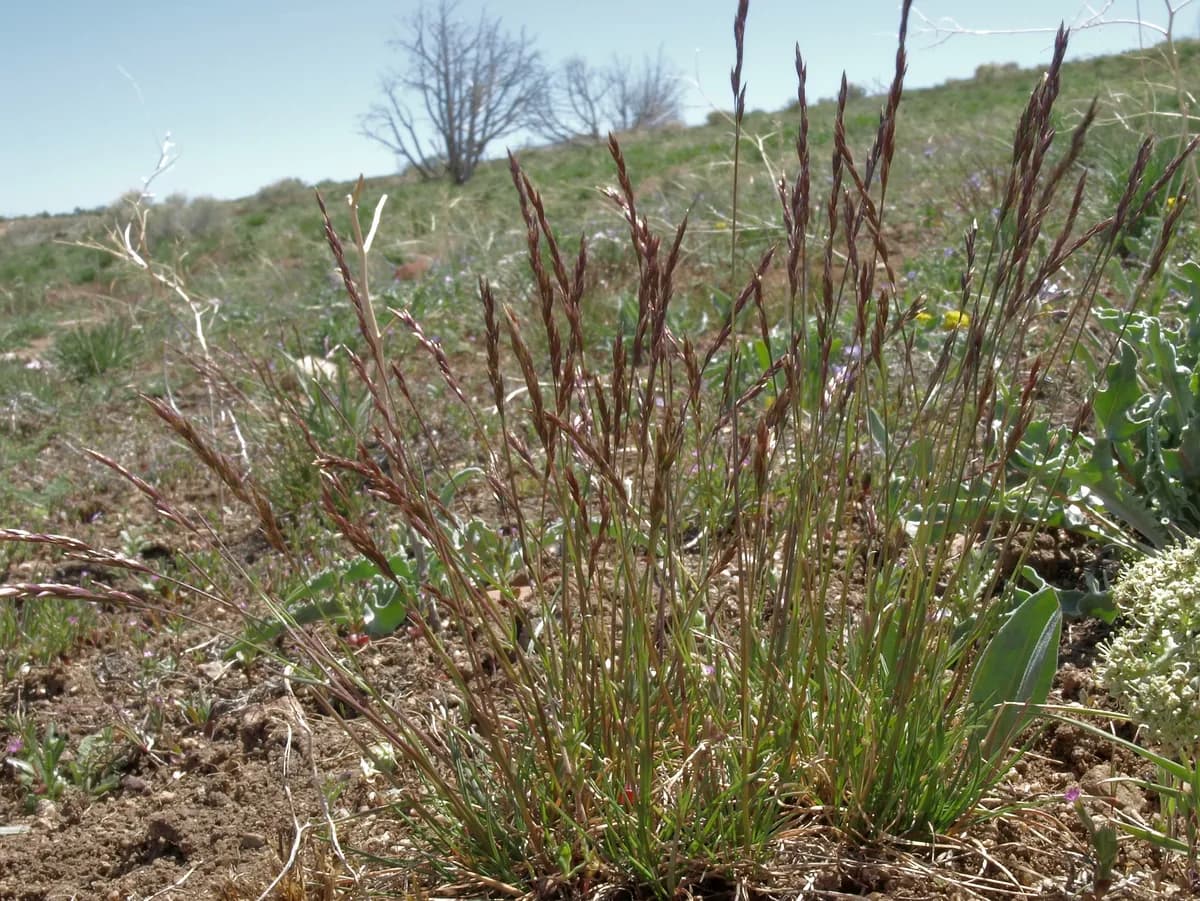
Poa secunda, or Canby's bluegrass, is a compact cool-season bunchgrass that blooms from May through July and thrives in full sun with low water once established.
Toxicity unknown
Canby's Bluegrass (Poa secunda) is not listed by the ASPCA Animal Poison Control Center (opens in new tab) or the other sources we check, so we have no verdict for it either way. Absence from those lists is not a clearance. If your pet shows symptoms after eating any plant, call the ASPCA at (888) 426-4435.
The USDA PLANTS Database (opens in new tab) does not flag Canby's Bluegrass as toxic to livestock.
Light
full sun
Water
low
Size
6"–24" H × 4"–12" W
Bloom
May, Jun, Jul
Native to
AZ, CA, CO, ID and 14 more states
Pollinators
bees, beetles
Before you buy
Your city may pay you to plant this
Cities and water utilities offer rebates for replacing lawn with native and water-wise plants. We track 459 programs across 44 states, each with a link to the provider and the date we last checked it.
Find rebates in your areaPicture natives in your own yard
Upload a photo of your yard and Patch Vision shows a rendering of it planted with natives for your region, like Canby's Bluegrass.


Browse plants for this ecoregion
Poa secunda is a native bunchgrass that forms compact clumps with fine-textured blue-green foliage. It produces delicate seed heads in late spring and early summer, then goes dormant during hot, dry periods. This drought-tolerant grass is well-adapted to harsh climates and poor soils.
Growing Canby's Bluegrass
Grow Canby's Bluegrass in full sun and low water. Mature plants reach 6 to 24 inches tall and spread 4 to 12 inches wide. Expect low maintenance to keep it looking intentional in a front yard.
How to care for Canby's Bluegrass, by region
How to care for Canby's Bluegrass where it is actually grown: year-round basics plus what to do each season, region by region, with the sources for each.
Care guidance last updated: August 2026
Sonoran Basin and Range (includes Palm Springs, CA)
Year-round
Poa secunda is a small, tough rangeland bunchgrass, not a low-desert lawn substitute, so plan on it as an accent grass for a cooler spot in a Palm Springs-area yard rather than open ground.
- This is a short, clumping bunchgrass, not a spreading turf grass, so it stays in tidy little tufts instead of filling in like a lawn.
- It's a cool-season grass, meaning it grows fastest in mild temperatures and goes summer dormant, turning tan and pausing growth, once desert heat sets in.
- Give it well drained soil. It does not like heavy clay or ground that stays soggy.
- It's drought resistant once established, but it's naturally a higher, cooler rangeland plant, so in the Palm Springs area it will do best somewhere it gets a break from full all day low desert sun, like light afternoon shade or a slightly elevated spot.
- Pet toxicity for this exact species is not specifically listed on the ASPCA's toxic and non-toxic plant database, so we can't confirm it's toxic or non-toxic to dogs or cats. Use normal caution and call your vet if a pet eats a large amount.
- It's mainly grown for erosion control and habitat restoration work, so it can be hard to find at local nurseries as a garden plant.
Fall
Fall is when this grass wakes back up. Cooler temperatures and the first rains trigger fresh green growth.
- Leaves start greening up again as soon as fall rains begin, sometimes with just a light shower.
- Fall is the better season to plant new starts or divide existing clumps, since the grass is heading into its active months instead of shutting down.
- Resume light regular watering once temperatures cool, tapering off as natural rain picks up so you're not overwatering.
- Clear out dead thatch left over from summer dormancy so new growth has room to come through.
Clearing out dried summer thatch as new green growth comes in keeps the planting looking cared for instead of leftover from summer.
Winter
Winter is mild growing weather for this grass in the Palm Springs area, and it needs very little from you.
- It keeps growing through the cooler, wetter winter months as long as it's getting some rain.
- Skip extra watering after a good rain. This grass is built to get by on light winter moisture.
- Frost is rarely a concern in the low desert around Palm Springs, but if a cold snap is forecast, established clumps of this rangeland grass handle cold far better than heat.
- Leave the tufts alone. Winter isn't a pruning season for this grass, it's simply resting and regrowing at its own pace.
This grass keeps a naturally low, tidy shape through winter with little upkeep needed, which helps a front yard planting look neat without extra work.
Spring
Spring is this grass's busy season. It sends up flower stalks and sets seed quickly before desert heat arrives.
- Watch for thin flower stalks rising above the leaf tufts, with seed heads ripening by late spring.
- Give it light water if rain has been sparse. This grass finishes its whole growth and seed cycle before summer drought hits, so spring is when the roots need the most support.
- Skip the fertilizer. Rangeland bunchgrasses like this one are built for lean, unimproved soil.
- Once seed stalks dry out and drop their seed, trim them off if you want a neater look up front.
- Check your drainage after any spring storm. Standing water is more likely to hurt this grass than a dry spell is.
Trimming the dried seed stalks after they drop seed keeps the clumps looking tidy from the street instead of overgrown.
Summer
Summer is dormancy season for this grass. Expect it to turn tan and stop growing, and that's normal, not a sign it's dying.
- Leaves dry out and turn a straw or tan color as soil moisture drops. That's natural summer dormancy for a cool season bunchgrass, not a dead plant.
- Cut back or skip extra watering. This grass is shallow rooted and built to shut down for summer rather than be pushed to stay green through desert heat.
- Don't mow it hard during dormancy. Leave the dry tufts in place, they protect the crown through the worst heat.
- Hold off on planting new starts in peak summer heat. Fall is a better window for that.
- If a neighbor or HOA committee asks about the tan color, it helps to explain this is the grass's normal seasonal rest, same as many rangeland natives.
A tan, dormant look in peak summer is normal for this grass and not a dead patch, so it helps to have that explanation ready if it draws attention for looking brown.
Sources: USDA Forest Service Fire Effects Information System: Poa secunda (Sandberg bluegrass), ASPCA Toxic and Non-Toxic Plant List (no entry found for Poa secunda or bluegrass)
In an HOA neighborhood
Canby's Bluegrass takes more care to keep looking intentional in a front yard. Maintenance level: low. Consider it for backyard or mid-zone beds rather than the street edge.
Works well in: backyard only.
- Goes dormant and turns brown in summer heat
- Can appear sparse or patchy
- May look unkempt compared to traditional lawn grasses
Wildlife value
The flowers attract bees and beetles during the blooming period from May through July. As a native grass, it also provides habitat and food sources for various wildlife species.
Common questions
- When does Canby's bluegrass bloom?
- Poa secunda typically flowers from May through July, producing narrow seed heads on slender stems above the tufted foliage.
- How much water does Canby's bluegrass need?
- This bunchgrass is adapted to low water conditions once established, though it can also handle moderate moisture in spring before summer dryness sets in.
- What kind of light does Canby's bluegrass prefer?
- It grows best in full sun and can tolerate part sun locations, making it suited to open rangeland and rocky slopes.
- Does Canby's bluegrass support pollinators?
- Its flowers are visited by bees and beetles, though as a grass it relies mainly on wind for pollination rather than insect visitation.
- Is Canby's bluegrass evergreen?
- It behaves as a semi-evergreen bunchgrass, staying green in cooler, moister periods and going dormant or fading during hot, dry summer months.
- Is Canby's Bluegrass toxic to livestock?
- The USDA PLANTS Database does not flag Canby's Bluegrass as toxic to livestock.
- Is Canby's Bluegrass HOA-friendly?
- Canby's Bluegrass takes more care to look intentional in a front yard. Consider it for backyard or mid-zone beds rather than the street edge.
These answers were drafted with an AI model from this plant's data. Verify care details with a local expert.
Native range data from the World Checklist of Vascular Plants (Kew). Pollinator and host plant associations compiled from GBIF, iNaturalist, and published ecological literature.
If something looks wrong
Common plant problems, and what to check first
These come up on almost any plant. Each guide lists the likely causes in the order they are worth ruling out, with one thing to check before you act on any of them, and links to the source it came from.
- It is dying right after planting
- Leaves turning yellow
- Wilting even though I watered it
- Brown crispy leaf tips
- Bugs on the plant
Ready to grow Canby's Bluegrass? Add it to your garden in Pollinator Patch to track it and get season-by-season care guidance.