Giant Coneflower
Rudbeckia maxima
Last reviewed: September 2026
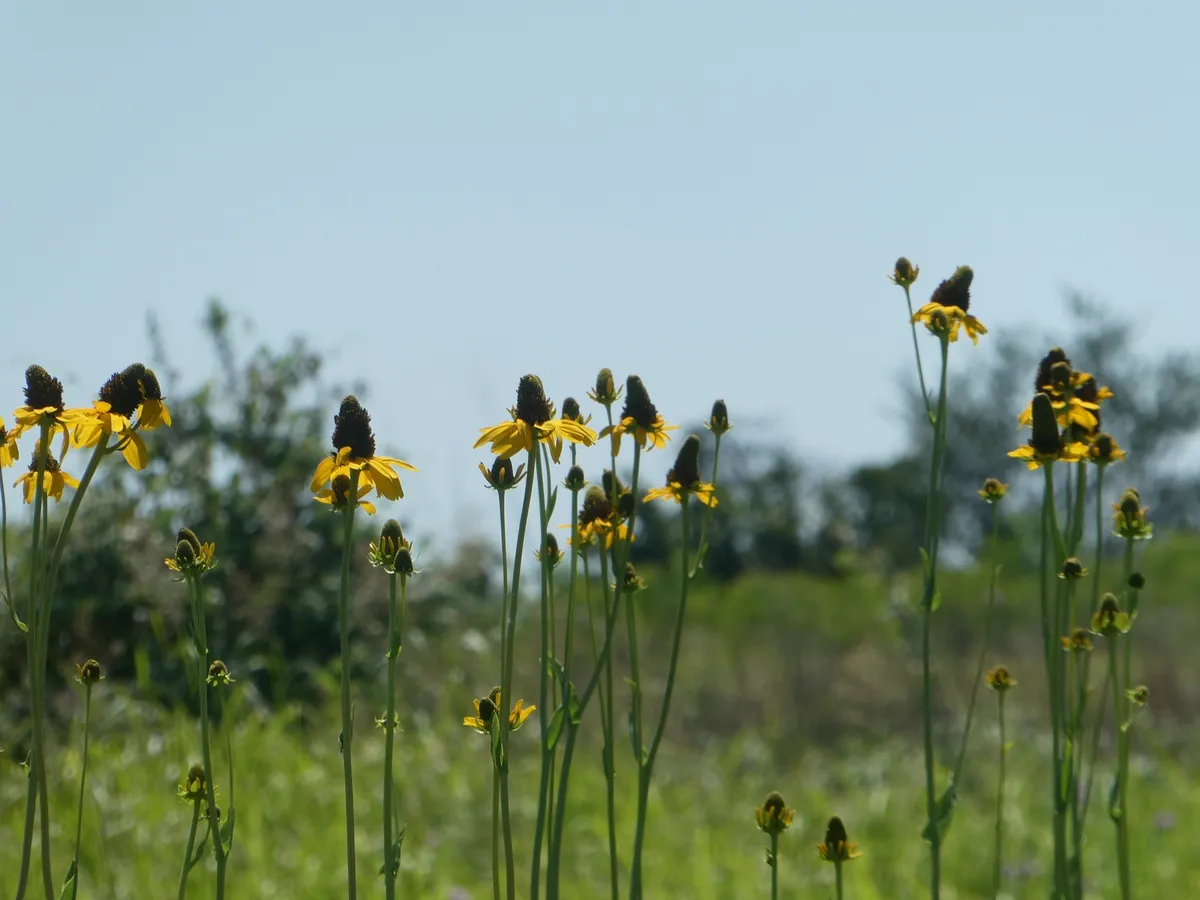
Rudbeckia maxima blooms from March through August, sending up tall stalks with drooping yellow petals around a dark, cone shaped center. It grows best in full sun with consistently moist, rich soil, common in prairies and low meadows across the southern United States.
Toxicity unknown
Giant Coneflower (Rudbeckia maxima) is not listed by the ASPCA Animal Poison Control Center (opens in new tab) or the other sources we check, so we have no verdict for it either way. Absence from those lists is not a clearance. If your pet shows symptoms after eating any plant, call the ASPCA at (888) 426-4435.
The USDA PLANTS Database (opens in new tab) does not flag Giant Coneflower as toxic to livestock.
Light
full sun
Water
high
Size
36"–72" H × 12"–24" W
Bloom
Mar, Apr, May, Jun, Jul, Aug
Native to
AR, LA, OK, SC and 1 more states
Pollinators
butterflies, bees, nectar insects
Before you buy
Your city may pay you to plant this
Cities and water utilities offer rebates for replacing lawn with native and water-wise plants. We track 452 programs across 44 states, each with a link to the provider and the date we last checked it.
Find rebates in your areaBrowse plants for this ecoregion
Giant Coneflower is a tall native perennial with large blue-green leaves and bright yellow daisy-like flowers on towering stems. It blooms for an extended period from spring through summer, creating a dramatic backdrop in garden beds. The plant goes dormant in winter, dying back to ground level.
Growing Giant Coneflower
Grow Giant Coneflower in full sun and high water. Mature plants reach 36 to 72 inches tall and spread 12 to 24 inches wide. Expect low maintenance to keep it looking intentional in a front yard.
How to care for Giant Coneflower, by region
How to care for Giant Coneflower where it is actually grown: year-round basics plus what to do each season, region by region, with the sources for each.
Care guidance last updated: September 2026
Cross Timbers (includes Fort Worth, TX)
Year-round
Giant coneflower is a native Texas perennial with a rosette of large, waxy blue green leaves and tall flower stalks, 5 to 8 feet, topped with drooping yellow petals around a dark brown center. It is native to this part of North Texas and needs more water than most native perennials to look its best.
- This plant is native to the North Texas area, including both the Cross Timbers and the Blackland Prairies, so it is naturally adapted to the region once it has a season to root in.
- Give it full sun to light afternoon shade and about 3 to 4 feet of space between plants; it reaches 5 to 7 feet tall with a 3 to 4 foot spread.
- Site it where the soil holds moisture, a low spot in the bed, near a downspout, or somewhere you can water regularly. In heavy black clay it tolerates the moisture well; in the sandier soils west of the metro it dries out faster and will need more frequent watering to keep from wilting.
- Native bees use this plant for pollen and nectar, so avoid spraying insecticide directly on or near it while it is in bloom.
Fall
Blooming winds down in fall, and the seed heads left behind are valuable food for goldfinches and other birds through the season.
- Let the last round of seed heads mature and stand instead of deadheading everything in September; goldfinches and other seed eating birds feed on them through fall.
- Cut back only the stalks that have fully browned and dropped their seed. Leave the rest standing for winter interest and continued bird feeding.
- Taper watering back to about once a week as temperatures drop and fall rain picks up.
- Clear fallen leaf litter from around the base; it helps cut down on the powdery mildew this plant can pick up during a humid summer.
Standing seed heads read as an intentional wildlife planting when the bed edges stay crisp and mulched; an unedged bed can make the same stalks look neglected.
Winter
Giant coneflower dies back to its low basal rosette for winter. In a mild North Texas winter the rosette itself often stays visible and should not be removed.
- Cut the dead flower stalks down to the basal rosette, about 4 to 6 inches, in late winter once birds have had the full season to work the seed heads.
- Leave the flat rosette of blue green leaves in place; it often stays evergreen or semi evergreen through a mild winter and is the base next season's stalks grow from.
- An occasional hard Arctic freeze can brown the rosette leaves. This is usually cosmetic, and new growth resumes from the crown once temperatures warm back up.
- Skip fertilizer in winter; wait until new growth resumes in spring before feeding.
A freshly cut back bed of low rosettes can look bare in winter. A mulch ring or clean bed edge keeps it reading as tended rather than abandoned.
Spring
Spring is the planting window for giant coneflower. New plants need steady moisture to get established before the first hard heat of summer arrives.
- Plant new giant coneflower divisions or nursery pots in March or April, before the heat sets in, so roots have time to establish.
- Amend the planting hole with compost. In heavy black clay, plant slightly high on a mound so the crown does not sit in standing water; in the sandier soils west of the metro, work in extra organic matter since water drains through faster and the plant will need watering more often through its first summer.
- Water new plantings two to three times a week through spring if rain is light. The large basal leaves wilt quickly once the soil dries out.
- Watch for flower stalks to begin rising in late spring; in a windy spot, a stalk that tops 5 feet can lean, so a loose stake helps it stay upright.
New plantings look sparse for the first several weeks. A mulch ring or bed edge signals it is an intentional planting rather than an empty gap in the bed.
Summer
Summer is the toughest stretch for giant coneflower here. It keeps blooming through the hottest months, but it needs regular water to avoid wilting in 100 degree afternoons.
- Water deeply once or twice a week in July and August if there is no rain. This plant wilts fast in a Texas summer, and a first-year planting can die without it.
- Keep 2 to 3 inches of mulch around the base to hold moisture and keep roots cooler.
- Deadhead spent flower heads to keep it blooming into late summer; leave the last flush of heads on the plant so they can go to seed for fall.
- Check the leaves for powdery mildew during humid stretches; thin out crowded stems for airflow if you see it.
Tall bloom stalks can start to look leggy by late summer if spent flowers are left on. Regular deadheading keeps the display reading as tended rather than overgrown.
Sources: Lady Bird Johnson Wildflower Center: Rudbeckia maxima, Missouri Botanical Garden Plant Finder: Rudbeckia maxima
Texas Blackland Prairies (includes Dallas, TX)
Year-round
Giant coneflower is a native Texas perennial with a rosette of large, waxy blue green leaves and tall flower stalks, 5 to 8 feet, topped with drooping yellow petals around a dark brown center. It is native to this part of North Texas and needs more water than most native perennials to look its best.
- This plant is native to the North Texas area, including both the Cross Timbers and the Blackland Prairies, so it is naturally adapted to the region once it has a season to root in.
- Give it full sun to light afternoon shade and about 3 to 4 feet of space between plants; it reaches 5 to 7 feet tall with a 3 to 4 foot spread.
- Site it where the soil holds moisture, a low spot in the bed, near a downspout, or somewhere you can water regularly. In heavy black clay it tolerates the moisture well; in the sandier soils west of the metro it dries out faster and will need more frequent watering to keep from wilting.
- Native bees use this plant for pollen and nectar, so avoid spraying insecticide directly on or near it while it is in bloom.
Fall
Blooming winds down in fall, and the seed heads left behind are valuable food for goldfinches and other birds through the season.
- Let the last round of seed heads mature and stand instead of deadheading everything in September; goldfinches and other seed eating birds feed on them through fall.
- Cut back only the stalks that have fully browned and dropped their seed. Leave the rest standing for winter interest and continued bird feeding.
- Taper watering back to about once a week as temperatures drop and fall rain picks up.
- Clear fallen leaf litter from around the base; it helps cut down on the powdery mildew this plant can pick up during a humid summer.
Standing seed heads read as an intentional wildlife planting when the bed edges stay crisp and mulched; an unedged bed can make the same stalks look neglected.
Winter
Giant coneflower dies back to its low basal rosette for winter. In a mild North Texas winter the rosette itself often stays visible and should not be removed.
- Cut the dead flower stalks down to the basal rosette, about 4 to 6 inches, in late winter once birds have had the full season to work the seed heads.
- Leave the flat rosette of blue green leaves in place; it often stays evergreen or semi evergreen through a mild winter and is the base next season's stalks grow from.
- An occasional hard Arctic freeze can brown the rosette leaves. This is usually cosmetic, and new growth resumes from the crown once temperatures warm back up.
- Skip fertilizer in winter; wait until new growth resumes in spring before feeding.
A freshly cut back bed of low rosettes can look bare in winter. A mulch ring or clean bed edge keeps it reading as tended rather than abandoned.
Spring
Spring is the planting window for giant coneflower. New plants need steady moisture to get established before the first hard heat of summer arrives.
- Plant new giant coneflower divisions or nursery pots in March or April, before the heat sets in, so roots have time to establish.
- Amend the planting hole with compost. In heavy black clay, plant slightly high on a mound so the crown does not sit in standing water; in the sandier soils west of the metro, work in extra organic matter since water drains through faster and the plant will need watering more often through its first summer.
- Water new plantings two to three times a week through spring if rain is light. The large basal leaves wilt quickly once the soil dries out.
- Watch for flower stalks to begin rising in late spring; in a windy spot, a stalk that tops 5 feet can lean, so a loose stake helps it stay upright.
New plantings look sparse for the first several weeks. A mulch ring or bed edge signals it is an intentional planting rather than an empty gap in the bed.
Summer
Summer is the toughest stretch for giant coneflower here. It keeps blooming through the hottest months, but it needs regular water to avoid wilting in 100 degree afternoons.
- Water deeply once or twice a week in July and August if there is no rain. This plant wilts fast in a Texas summer, and a first-year planting can die without it.
- Keep 2 to 3 inches of mulch around the base to hold moisture and keep roots cooler.
- Deadhead spent flower heads to keep it blooming into late summer; leave the last flush of heads on the plant so they can go to seed for fall.
- Check the leaves for powdery mildew during humid stretches; thin out crowded stems for airflow if you see it.
Tall bloom stalks can start to look leggy by late summer if spent flowers are left on. Regular deadheading keeps the display reading as tended rather than overgrown.
Sources: Lady Bird Johnson Wildflower Center: Rudbeckia maxima, Missouri Botanical Garden Plant Finder: Rudbeckia maxima
Western Gulf Coastal Plain (includes Houston, TX)
Year-round
Giant coneflower is a native Texas wildflower built for moist, sunny spots, an easy match for Houston's humid climate given consistent moisture.
- Native to northeastern and eastern Texas and neighboring Gulf South states, typically found in moist open ground and roadside ditches.
- Needs full sun to part shade and consistently moist soil. It is not drought-tolerant.
- Reaches up to about 8 feet tall in bloom. Give it room and site it where the height won't overwhelm a front bed.
- Attracts goldfinches and other seed-eating birds to the cone centers after bloom.
- Cut back to the base after blooming to keep the clump tidy.
Best massed at the back of a bed or along a fence line given its height, an HOA-conscious way to keep a front yard looking tended.
Fall
Bloom continues into early fall before the plant is prepared for winter.
- Blooming typically wraps up by September. Deadheading isn't necessary since birds feed on the seed cones.
- Leave spent seed heads standing into fall and winter for goldfinches and other birds.
- Continue consistent moisture as long as the plant is actively blooming.
- Fall is a good time to divide crowded clumps if needed.
Winter
Cut the plant back once birds have had a chance at the seed heads, and expect it to return reliably from the root in Houston's mild winters.
- Cut back to the base in late winter, after seed-eating birds have used the cone centers through the season.
- The root system is perennial and reliably hardy through typical Houston winters.
- No winter protection is needed in the Houston area.
- Keep the planting site from drying out completely, even in the dormant season.
Spring
Spring is for planting and establishing. Giant coneflower needs consistent moisture from the start.
- Plant in spring in full sun to part shade, in a spot that holds moisture, such as a low area or near a downspout.
- Water regularly while establishing. This species does not tolerate dry spells well.
- Houston's clay soil can work in its favor here since it holds moisture, but avoid a site that dries out in summer.
- Silvery-blue foliage forms a low clump before the tall flower stalks emerge later in the season.
Summer
Summer brings the tall flower stalks. Houston's rainfall usually supplies enough moisture, but supplement in dry stretches.
- Flower stalks shoot up and bloom begins in July, continuing into August and September.
- Keep soil consistently moist through hot summer stretches. This is not a drought-tolerant plant.
- Tall stems may need support or a sheltered spot if summer storms bring strong wind.
- Full sun keeps stems sturdier. Part shade can mean more flopping.
Sources: Rudbeckia maxima, Lady Bird Johnson Wildflower Center
Want these tasks as reminders timed to your yard? Pollinator Patch turns this guidance into a season-by-season care plan for the plants you actually grow.
In an HOA neighborhood
Giant Coneflower takes more care to keep looking intentional in a front yard. Maintenance level: low. Consider it for backyard or mid-zone beds rather than the street edge.
Works well in: backyard only.
- Height exceeds typical HOA-friendly range
Wildlife value
This plant is excellent for supporting butterflies, bees, and other nectar-feeding insects with its long blooming period. The seed heads also provide food for birds in late summer and fall.
Common questions
- When does Rudbeckia maxima flower?
- Rudbeckia maxima generally blooms from March through August, with peak flowering in late spring into midsummer depending on local conditions.
- What pollinators visit Rudbeckia maxima?
- The flowers attract butterflies, bees, and other nectar-seeking insects, and the large seed heads later provide food for songbirds.
- How much water does Rudbeckia maxima need?
- This plant prefers consistently moist to wet soil and performs poorly if allowed to dry out for extended periods, though it can handle brief dry spells once established.
- How tall does Rudbeckia maxima get?
- Mature plants often reach five to seven feet in height, with sturdy flower stalks rising well above the basal foliage.
- What growing conditions suit Rudbeckia maxima best?
- It does best in full sun on moist, fertile ground such as low meadows, prairie swales, and the edges of wetlands or ditches.
- Is Giant Coneflower toxic to livestock?
- The USDA PLANTS Database does not flag Giant Coneflower as toxic to livestock.
- Is Giant Coneflower HOA-friendly?
- Giant Coneflower takes more care to look intentional in a front yard. Consider it for backyard or mid-zone beds rather than the street edge.
These answers were drafted with an AI model from this plant's data. Verify care details with a local expert.
Native range data from the World Checklist of Vascular Plants (Kew). Pollinator and host plant associations compiled from GBIF, iNaturalist, and published ecological literature.
If something looks wrong
Common plant problems, and what to check first
These come up on almost any plant. Each guide lists the likely causes in the order they are worth ruling out, with one thing to check before you act on any of them, and links to the source it came from.
- It is dying right after planting
- Leaves turning yellow
- Wilting even though I watered it
- Brown crispy leaf tips
- Bugs on the plant
Ready to grow Giant Coneflower? Add it to your garden in Pollinator Patch to track it and get season-by-season care guidance.
Planning a bed around it? Start a free plan with this plant
Not sure where to start? Take the 2-minute yard quiz