Lavender
Lavandula angustifolia
Last reviewed: October 2026
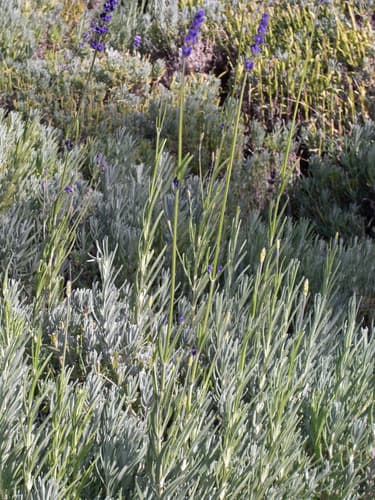
Lavender (Lavandula angustifolia) is a perennial shrub. It blooms in May, June, and July. The flowers draw bees and butterflies.
Toxicity unknown
Lavender (Lavandula angustifolia) is not listed by the ASPCA Animal Poison Control Center (opens in new tab) or the other sources we check, so we have no verdict for it either way. Absence from those lists is not a clearance. If your pet shows symptoms after eating any plant, call the ASPCA at (888) 426-4435.
Light
full sun
Water
low
Size
18"–30" H × 18"–36" W
Bloom
May, Jun, Jul
Pollinators
bees, butterflies
Native alternatives to Lavender
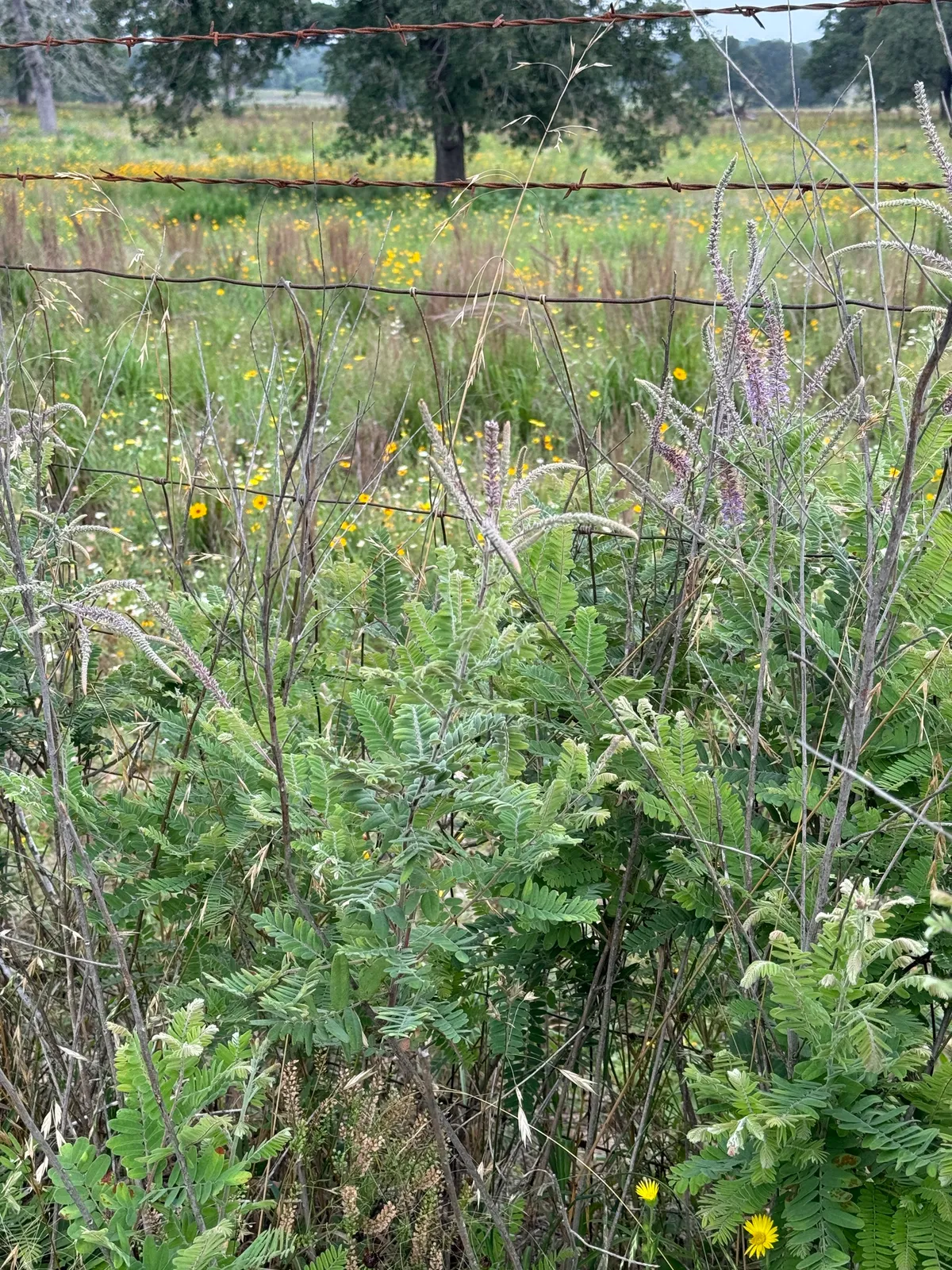
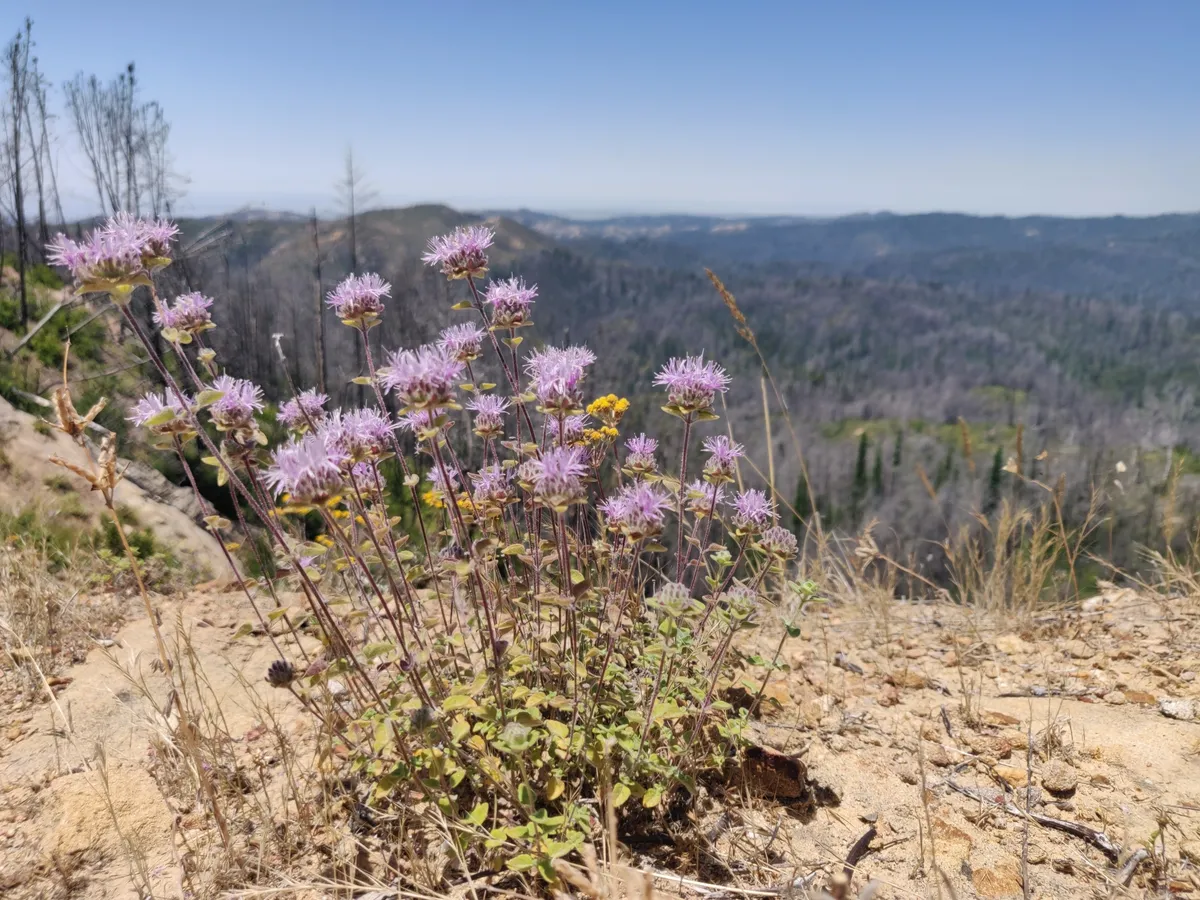
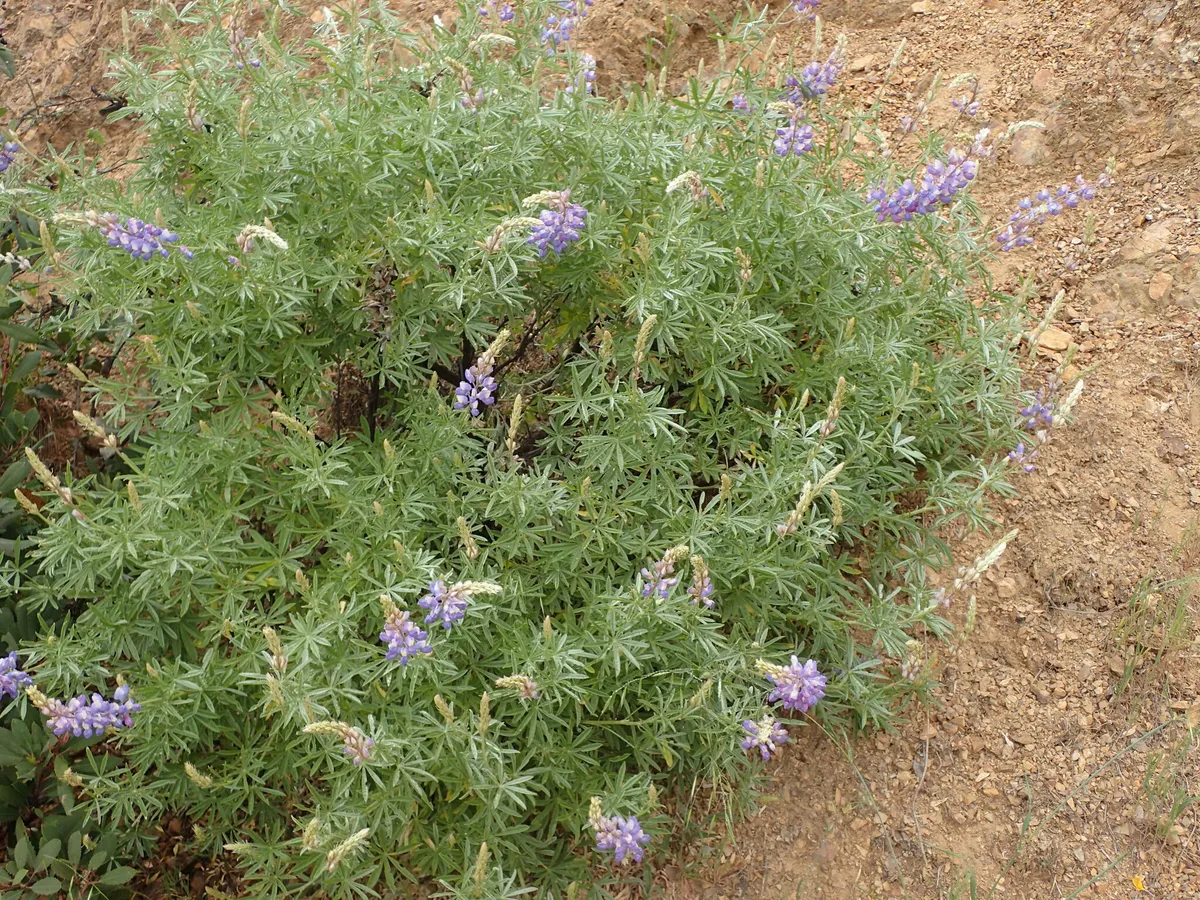
Lavender is not native to the United States. These natives fill a similar role in a planting, matched on bloom season, bloom color and mature size.
Before you buy
Your city may pay you to plant this
Cities and water utilities offer rebates for replacing lawn with native and water-wise plants. We track 459 programs across 44 states, each with a link to the provider and the date we last checked it.
Find rebates in your areaPicture natives in your own yard
Wondering what could grow where Lavender is now? Upload a photo of the spot and Patch Vision shows a rendering of it replanted with natives for your region.


English lavender is a compact, evergreen subshrub grown for its narrow, silvery-green foliage and dense spikes of fragrant purple flowers in early summer. It forms a tidy, rounded mound and is often used in borders, edging, and mass plantings where a low, aromatic hedge is desired.
Growing Lavender
Grow Lavender in full sun and low water. Mature plants reach 18 to 30 inches tall and spread 18 to 36 inches wide. Expect low maintenance to keep it looking intentional in a front yard.
How to care for Lavender, by region
How to care for Lavender where it is actually grown: year-round basics plus what to do each season, region by region, with the sources for each.
Care guidance last updated: September 2026
High Plains (includes Lubbock, TX)
Year-round
Lavender is not from around here, but Lubbock's dry sun and alkaline soil are close enough to its Mediterranean home that it does genuinely well, as long as the roots never sit wet.
- Give it full sun, at least 6 to 8 hours a day.
- Sharp drainage matters more than anything else with this plant. If you have heavier or caliche soil, plant on a raised bed or berm, or mix in coarse gravel or decomposed granite so water moves through instead of pooling at the roots.
- Slightly alkaline soil in the 6.5 to 7.5 pH range suits it well, and a lot of West Texas soil already runs that direction.
- Space plants 2 to 3 feet apart so air can move through the foliage. Crowded plants stay damp longer and are more likely to develop root and crown rot.
- Water deeply but not often. Let the top few inches of soil dry out between waterings once the plant is established.
- Keep mulch pulled back a few inches from the base of the plant. A gravel or small stone top dressing right at the crown works better than bark mulch, which holds moisture against the stems.
- Lavender is on the ASPCA's list of plants toxic to dogs, cats, and horses, from natural compounds in the plant called linalool and linalyl acetate. The listed effects are nausea, vomiting, and loss of appetite. This usually takes a pet eating a real quantity of the plant, but it is worth knowing if you have a chewer in the yard.
Fall
Fall is for tapering off water and light cleanup on lavender, not the big cutback.
- Cut back on watering as the weather cools and the plant stops actively blooming.
- A light shaping pass or deadheading is fine if the plant looks ragged, but hold off on the heavy one-third prune. Save that for spring. Pruning hard now can push new soft growth that a hard freeze will kill.
- Before the first hard freeze, add a couple inches of gravel or small stone around the base to help protect the crown, keeping it a few inches back from the actual stems.
- Fall is also a fine backup planting window if you missed spring. Lubbock's fall weather is usually mild enough for new roots to settle in before winter.
Tidying up spent stems in fall keeps the bed looking intentional through the off season instead of leggy and dead-looking.
Winter
Lavender goes dormant over a Lubbock winter and mostly wants to be left alone and kept from drying out completely.
- Established lavender needs very little attention while dormant. Gray, sparse-looking growth over winter is normal, not a sign the plant is dying.
- Lubbock winters are dry with little snow cover, so water occasionally during long dry stretches to keep the root zone from drying out completely. This matters most for plants still in their first year.
- Do not prune now. Wait until you see new growth at the base of the plant in spring before cutting anything back.
- A hard freeze can damage or kill top growth, especially on younger plants. A loose layer of mulch or a frost cloth over the crown during the coldest nights can help it come back strong in spring.
Spring
Spring is planting season and the one time of year to do the big prune on lavender in a cold-winter climate like Lubbock's.
- Plant new lavender in spring after the last frost so the roots have the whole growing season to settle in before summer heat arrives.
- This is the best time for the yearly hard prune. Once you see new green growth low on the plant, cut the top growth back by about a third. Doing this cutback in spring instead of fall protects tender new growth from getting caught by a late cold snap.
- Watch drainage through spring storms. If a spot in the bed stays wet for more than a day after rain, it is too wet for lavender long term and needs better drainage or a different spot.
- New plantings need water once or twice a week until they root in. Established plants can start stretching out the time between waterings as the weather warms.
A spring cutback keeps the plant compact and rounded through the growing season instead of woody and sprawling, which reads as more intentional from the street.
Summer
Summer is bloom time for lavender here, and the biggest risk is a soaked bed after a hard rain, not the heat itself.
- Expect the fragrant purple flower spikes from late spring through summer.
- Once the plant is budding and blooming, water more often, roughly once or twice a week, but still let the soil dry out between waterings.
- Lubbock's summer thunderstorms can drop a lot of rain fast. A bed that stays soggy after a storm is the main reason lavender dies in this area. Check drainage rather than assuming the heat is the problem.
- After the main bloom fades, snip off the spent flower spikes to keep the plant tidy. This is just light deadheading, not the hard cutback, which should wait for spring.
Deadheading the spent flower spikes once the main bloom fades keeps the plant looking neat from the curb through late summer.
Sources: Growing Lavender in Colorado, Colorado State University Extension, ASPCA Toxic and Non-Toxic Plant List: Lavender, Lavender, Lubbock Master Gardener Association (Texas A&M AgriLife)
Southern Coastal Plain (includes Orlando, FL)
Year-round
Lavender is not from Florida and it struggles with the state's humidity and heavy rain, but it can still grow in Orlando if you focus on drainage first.
- Plant lavender in a raised bed at least 12 inches high or a large unglazed clay pot, never straight into a low spot or heavy Central Florida yard soil.
- Mix the native soil with 30 to 40 percent coarse sand or fine gravel so heavy rain drains through fast instead of sitting around the roots.
- Use gravel or crushed rock as mulch instead of bark, straw, or wood chips. Organic mulch holds moisture against the base of the plant and can help start root rot.
- Water only when the top few inches of soil feel dry. In Orlando, too much water is a much bigger risk to this plant than too little.
A raised bed and gravel mulch look different from a typical lawn planting bed, so check your HOA's rules on hardscape and mulch type before installing one. Both are HOA-friendly choices, they just tend to need a heads up.
Fall
As the rain lets up in fall, this is a good time to clean up storm damage and fix drainage before winter.
- Once the heaviest summer rain tapers off, usually by October, cut away any stems that rotted or died back over the summer.
- Check that mulch has not washed into a pile against the base of the plant. A wet pile against the stem is a common cause of stem rot.
- If the plant struggled through summer, fall is a reasonable time to move it into a raised bed or a higher spot with better drainage.
- A light shaping prune is fine now, but save the bigger, harder prune for spring after new growth starts.
Winter
Winter is usually the easiest season for lavender in Orlando. Cold is not the main risk here. Wet soil still is.
- Occasional light frost between December and February usually is not a real threat. This plant handles cold far better than it handles constant humidity and wet soil.
- Skip extra winter mulch added just for cold protection. In Central Florida it mostly adds moisture risk rather than cold protection, since hard freezes are rare.
- Cut back watering further in winter, Orlando's driest stretch, since the plant needs much less supplemental water than it does in summer.
- If a hard freeze warning is issued, drape a frost cloth over the plant overnight and remove it the next morning so the plant does not stay damp underneath.
Spring
Spring is the best window to plant or replant lavender in Orlando, before summer's heavy rain arrives.
- Plant new lavender in March or April, after the coldest nights have passed and before Central Florida's summer rains typically start in June.
- Avoid planting in summer. Young roots cannot establish fast enough to handle the combination of summer heat and heavy afternoon storms.
- Once new growth appears in spring, prune back up to one third of the plant to keep it full and encourage more blooms later in the season.
- Go light on fertilizer. Lavender grown in lean soil tends to have a stronger scent and a more compact shape than a heavily fed plant.
Summer
Summer is the toughest season for lavender here. Daily humidity and afternoon thunderstorms are when most root rot starts.
- Check that your raised bed or pot drains fully within a few hours of a heavy storm. Water sitting around the roots for even a day can start root rot.
- Watch for leaves that wilt and stay wilted even after the soil has dried out. That usually points to root rot, not thirst, so do not respond by watering more.
- Water at the soil level instead of overhead, and let the top layer of soil dry out between waterings.
- Give the plant full sun and open space around it. A crowded or shaded spot stays damp longer after a storm and raises the chance of fungal disease.
Sources: UF/IFAS Extension Nassau County: Fact Sheet, Lavender, UF/IFAS Extension Pasco County: Beginners Guide to Growing Lavender, UF/IFAS EDIS: Cold Protection of Landscape Plants (ENH1/MG025), NC State Extension Gardener Plant Toolbox: Lavandula angustifolia
Texas Blackland Prairies (includes Dallas, TX)
Year-round
Lavender comes from the Mediterranean, a hot, dry, rocky climate that is close to the opposite of Dallas's heavy Blackland Prairie clay. Get the site and drainage right and it can be a long lived, low water shrub. Get it wrong and it rots.
- Full sun, at least six hours a day, in a raised bed or mounded berm built eight to twelve inches above grade so roots stay out of standing clay water.
- Amend heavy clay with coarse sand, gypsum, and organic matter, or build the bed from a fast draining gritty mix instead of trying to loosen native clay in place.
- Mulch with gravel, crushed granite, or pea gravel instead of wood mulch or bark. It reflects heat, keeps stems dry, and does not hold moisture against the crown.
- Water low and infrequent once established. In Dallas, overwatering kills far more lavender than underwatering does.
- The ASPCA lists lavender as toxic to dogs, cats, and horses. The listed toxic components are linalool and linalyl acetate, with reported effects of nausea, vomiting (not seen in horses), and loss of appetite. Keep it out of reach of pets that chew on landscaping.
Fall
Fall is when North Texas lavender gets its main structural haircut, ahead of winter and next year's growth.
- Do the year's main prune in early fall, cutting back about one third of the plant's woody growth to keep a dense, rounded shape and a strong base for next spring.
- Remove dead or spent foliage and stems so the plant is not carrying disease prone debris into winter.
- Refresh gravel mulch where it has thinned, keeping it a couple inches back from direct contact with the stems.
- Hold off on heavy pruning after mid fall. Cutting into old wood too late leaves little time to recover before the first freeze.
This is the prune that most affects how the plant looks the rest of the year. Skipping it is how lavender turns into the sprawling, woody, leggy shape that reads as untended in a front yard bed.
Winter
Dallas winters are mild most years, USDA zone eight a, but an occasional hard freeze is the real risk to an established plant.
- Leave the plant's structure alone once temperatures drop. The fall prune should already be done, and additional cutting during winter dormancy adds stress.
- Before a hard freeze or ice event, a breathable frost cloth draped over the plant helps protect stems from wind and freeze damage. Do not use plastic, which traps moisture against the foliage.
- Keep gravel mulch in place through winter. It protects the crown and roots through freeze and thaw cycles better than wood mulch, which holds moisture against the base.
- Hold off on watering right before or during freezing weather. Wet soil that then freezes is harder on roots than dry soil.
Spring
Spring is planting season and the first real test of drainage, since North Texas gets heavy spring rain on top of thawing clay.
- Plant new lavender after the last frost, typically early to mid March in the Dallas area, so roots get a full season to establish before summer heat.
- After spring downpours, check that the raised bed or berm is draining within a few hours and not holding standing water around the base of the plant.
- Cut back any winter damaged, gray, or dead stems once new green growth shows at the base. This is also when to shape the plant into a tidy, rounded mound.
- Go light on fertilizer, or skip it. Lavender that gets too much nitrogen grows soft, floppy stems and fewer flowers, with more disease risk.
Summer
Summer in Dallas means intense heat and, some years, heavy humidity. Both push lavender toward stress and rot faster than cold weather ever does.
- Water deeply but infrequently, and water in the early morning rather than midday, to cut evaporation loss and avoid leaving foliage wet overnight.
- After flowering finishes, trim spent flower spikes back to the topmost set of leaves. This tidies the shape and can trigger a smaller second bloom.
- Brief wilting during peak heat that recovers by evening is normal. Wilting that does not recover points to a drainage or root problem, not a signal to add more water.
- Give plants room to breathe. Crowded plantings trap humidity around the foliage and raise the risk of leaf spot.
Sources: ASPCA: Lavender toxicity (Toxic to Dogs, Cats, and Horses), NC State Extension Gardener Plant Toolbox: Lavandula angustifolia, Texas A&M AgriLife Extension: Soil Preparation, Clemson HGIC: Herbs (Home & Garden Information Center), Texas A&M AgriLife Today: How to Keep Your Lawn and Landscape Alive Through Summer Heat
In an HOA neighborhood
Lavender takes more care to keep looking intentional in a front yard. Maintenance level: low. Consider it for backyard or mid-zone beds rather than the street edge.
Works well in: low hedge, border edging, foundation planting.
- requires excellent drainage and can rot in heavy or wet soils
- woody stems can become leggy without periodic pruning
Wildlife value
Highly attractive to bees and butterflies throughout its bloom period, offering a reliable nectar source in dry, sunny plantings.
Common questions
- When does English lavender bloom?
- Lavandula angustifolia generally blooms from May through July, producing upright spikes of fragrant purple flowers.
- How much sun and water does English lavender need?
- This shrub grows best in full sun and needs only low water once established. It prefers well-drained soil and can suffer in consistently wet conditions.
- Does English lavender attract pollinators?
- Yes. Its flower spikes are a reliable nectar source for bees and butterflies throughout the summer bloom period.
- Does English lavender lose its leaves in winter?
- It keeps its narrow, silvery green foliage year-round in mild climates, though the plant can look sparse and woody after a hard winter.
- Is Lavender HOA-friendly?
- Lavender takes more care to look intentional in a front yard. Consider it for backyard or mid-zone beds rather than the street edge.
These answers were drafted with an AI model from this plant's data. Verify care details with a local expert.
Pollinator and host plant associations compiled from GBIF, iNaturalist, and published ecological literature.
If something looks wrong
Common plant problems, and what to check first
These come up on almost any plant. Each guide lists the likely causes in the order they are worth ruling out, with one thing to check before you act on any of them, and links to the source it came from.
- It is dying right after planting
- Leaves turning yellow
- Wilting even though I watered it
- Brown crispy leaf tips
- Bugs on the plant
Ready to grow Lavender? Add it to your garden in Pollinator Patch to track it and get season-by-season care guidance.