Prairie Goldenrod
Solidago missouriensis
Last reviewed: September 2026
Solidago missouriensis, or prairie goldenrod, produces bright yellow flower clusters from July through September and thrives in dry, sunny prairies, plains, and open slopes.
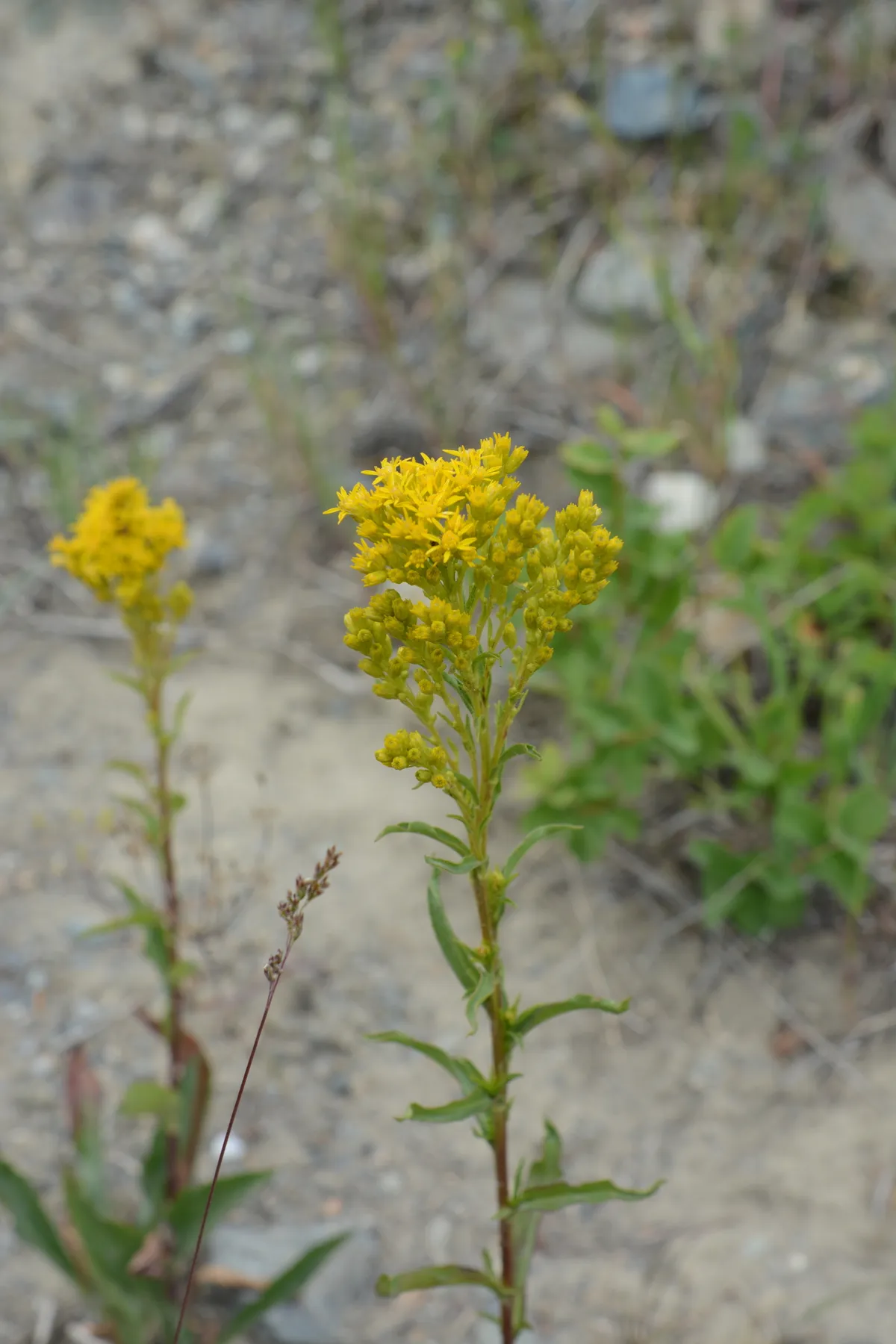
Toxicity unknown
Prairie Goldenrod (Solidago missouriensis) is not listed by the ASPCA Animal Poison Control Center (opens in new tab) or the other sources we check, so we have no verdict for it either way. Absence from those lists is not a clearance. If your pet shows symptoms after eating any plant, call the ASPCA at (888) 426-4435.
The USDA PLANTS Database (opens in new tab) does not flag Prairie Goldenrod as toxic to livestock.
Light
full sun
Water
low
Size
12"–36" H × 12"–24" W
Bloom
Jul, Aug, Sep
Native to
AR, AZ, CO, ID and 21 more states
Pollinators
bees, butterflies, beetles
Before you buy
Your city may pay you to plant this
Cities and water utilities offer rebates for replacing lawn with native and water-wise plants. We track 459 programs across 44 states, each with a link to the provider and the date we last checked it.
Find rebates in your areaPicture natives in your own yard
Upload a photo of your yard and Patch Vision shows a rendering of it planted with natives for your region, like Prairie Goldenrod.


Browse plants for this ecoregion
Prairie goldenrod is a compact native perennial that produces bright yellow flower clusters from summer into early fall. It grows in a neat, upright form and is extremely drought tolerant once established, making it a low-maintenance choice for sunny areas.
Growing Prairie Goldenrod
Grow Prairie Goldenrod in full sun and low water. Mature plants reach 12 to 36 inches tall and spread 12 to 24 inches wide. Expect low maintenance to keep it looking intentional in a front yard.
How to care for Prairie Goldenrod, by region
How to care for Prairie Goldenrod where it is actually grown: year-round basics plus what to do each season, region by region, with the sources for each.
Care guidance last updated: October 2026
High Plains (includes Lubbock, TX)
Year-round
Prairie goldenrod, also called Missouri goldenrod, is a real High Plains native and a great fit for a Lubbock yard. It wants full sun and very little water once it is settled in, so it shrugs off the hot dry summers out here. Plant it in soil that drains well, because soggy winter ground is what actually kills it, not the cold. Good news for anyone worried about sneezing: goldenrod does not cause hay fever. Its pollen is heavy and sticky and gets moved by bees, not the wind. The look-alike troublemaker is ragweed, which blooms at the same time and is the real allergy cause. This one is a well-behaved clump former, so it earns its keep as a late-season nectar plant for bees and passing monarchs.
- Full sun and low water once established, ideal for the Llano Estacado
- Needs well-drained soil, alkaline sandy loam or gritty ground is fine
- Does NOT cause hay fever, ragweed blooming nearby is the real culprit
- Golden plumes July through September feed bees and migrating monarchs
- Non-toxic to horses per USDA
- Spreads slowly by short underground runners, easy to keep in bounds
Fall
Fall is the best time to plant prairie goldenrod in Lubbock. Get it in the ground in September or October and the roots settle over the cool months, so the plant is ready before next summer's heat. Fall is also the show. The golden plumes carry into September and feed migrating monarchs fueling up for their trip south, along with late bees. Because of that, hold off on cutting anything down right now. Let the flowers finish and go to seed. Water new fall plantings enough to keep the roots moist while they establish, then let the cooler weather do the rest.
- Best planting window is September to October here
- Blooms feed migrating monarchs and late-season bees
- Leave flowers up as they fade, they are still feeding insects
- Water new fall plantings to settle the roots, then ease off
- Established clumps need little to no water this time of year
- Hold the cutback until late winter, not now
If a tired, browning clump starts to look messy against the curb, a light tidy of only the worst stems keeps it looking intentional while still leaving seed heads and cover for pollinators.
Winter
Winter in Lubbock brings hard freezes, wind, and the odd snow or ice, and prairie goldenrod takes all of it in stride. It dies back to the ground and rests. The kindest thing you can do is leave the dead stalks standing through the cold, because hollow stems and old foliage give native bees and other insects a place to shelter. The one real danger this time of year is water sitting around the crown in poorly drained soil, so make sure it is not planted in a low, soggy spot. Then, near the end of winter and before spring growth starts, cut the old stalks down for a clean start.
- Fully cold hardy here, dies back and rests through freezes
- Leave stalks standing over winter to shelter insects
- Watch drainage, standing water at the crown is the main killer
- No watering needed while the plant is dormant
- Do a late-winter cutback right before spring growth begins
- Runners stay put in winter, no spreading to manage now
Standing dead stalks help insects but can read as neglected, so a late-winter cutback just before spring cleanup resets the bed to a tidy, intentional look ahead of the growing season.
Spring
Spring is your second-best time to plant prairie goldenrod in Lubbock, after fall. Aim for April once the hard freezes are done, so the roots can grow a bit before the summer heat lands. New transplants hate our dry wind more than anything, so water them regularly for the first few weeks and then start easing off. If you left last year's stalks standing over winter, now is the time to cut them down to a few inches so fresh growth comes up clean. An established plant needs almost nothing from you in spring beyond pulling any runners that wandered where you did not want them.
- Plant in April after the last hard freeze, roughly mid-April here
- Water new transplants often at first, then taper as they root in
- Shelter fresh plantings from drying wind, the top killer of transplants
- Cut any leftover winter stalks back to a few inches
- Skip fertilizer, this native prefers lean High Plains soil
- Pull unwanted runners now while the clump is easy to see
A quick spring cutback of last year's stalks and a clean edge makes the bed read as intentional and cared-for, which keeps it from drawing a violation letter.
Summer
Summer is when this plant shows why it belongs in Lubbock. Once established it handles 90 to 100 degree afternoons and low humidity with very little water, so you can mostly leave it alone. In a first-year planting, give it a deep soak every week or two during the worst heat, then back off as it settles. Established clumps usually get by on our May to October thunderstorms alone. The golden plumes open in July and run into fall, pulling in bees and setting the table for monarchs later. Do not overwater. More summer goldenrods die from too much water and poor drainage than from drought.
- Established plants are drought tolerant, water rarely if at all
- First-year plants, deep soak every 1 to 2 weeks in peak heat
- Let established clumps live off summer thunderstorm rain
- Blooms start in July, full sun keeps them upright and dense
- High nectar value for bees as the plumes open
- Avoid overwatering, soggy roots are the real summer risk
Sources: USDA PLANTS Profile, Solidago missouriensis (SOMI2), native distribution including Texas, Lady Bird Johnson Wildflower Center, Solidago missouriensis native range and full sun / low water, Xerces Society, goldenrods (Solidago) as high-value late-season pollinator plants, Xerces Society, leaving standing stems over winter to shelter native bees and insects
North Cascades (includes Leavenworth, WA)
Year-round
Year-round care for prairie goldenrod around Leavenworth, WA: full sun and dry, sandy or gravelly soil.
- It needs full sun.
- Water use is low, and it grows in dry soils.
- It prefers sandy or gravelly soil.
- It reaches up to about 32 inches tall.
- Flowers open from July through September.
- It usually forms loose colonies in dry soils, so give it room or an edged bed.
Keeping it in an edged bed gives a defined shape, so the colony reads as deliberate rather than wandering.
Sources: Lady Bird Johnson Wildflower Center: Solidago missouriensis
Puget Lowland (includes Seattle, WA)
Year-round
Give it full sun and sharp drainage so it can handle Seattle's wet winters, and expect it to spread by rhizome over time.
- Plant in full sun to part sun in well-drained soil. Puget lowland clay often needs grit or a raised spot worked in so it doesn't stay soggy.
- Water it through its first summer to establish, then it's drought tolerant and needs little to no extra water during Seattle's dry summers.
- Mulch lightly to help with weed control, keeping mulch off the base of the stems.
- It spreads by underground rhizomes and forms colonies over time. Give it room, or plan on edging or containing the bed if you want a tidy patch.
- It's native on both sides of the Cascades in Washington, including the Puget lowlands, so it's a genuine regional native for a Seattle-area yard.
- The most common mistake here is planting it in a spot that stays wet all winter. Standing water in our wet season rots the rhizomes.
Because it spreads by rhizome, keep it in an edged bed or give it defined space so the planting stays contained and reads as deliberate rather than a spreading patch creeping into the lawn.
Fall
As the fall rains return, keep an eye on drainage and let the seed heads stand for wildlife.
- Flowering tapers off through September into October as the region's rainy season begins again.
- Leave the seed heads up. They feed goldfinches and other birds into fall.
- Watch drainage as rain returns after the dry summer, especially in heavier Puget lowland soils.
- Fall is also a fine time to divide crowded clumps if you want to manage its rhizome spread.
Winter
Seattle's mild but wet winter is the season this plant is most at risk, so drainage is everything.
- Foliage dies back to the rhizomes for winter. This is normal dormancy, not plant loss.
- The biggest winter risk here is soggy soil. Make sure the planting site doesn't sit in standing water through our wet season.
- You can leave dried stems standing through winter for wildlife value, or cut them back to a few inches if you prefer a tidier look.
- No winter mulch is needed in this mild climate, and piling on wet mulch can add to drainage problems.
Spring
Seattle's wet spring is the time to plant, but pick a site that drains, not one still soggy from winter rain.
- Plant or divide once the soil has dried out enough to work, typically April or May here.
- Choose a spot that isn't still holding water from the winter rains. Good drainage matters most at this stage.
- New shoots emerge from the rhizomes through spring. Water them in if the season turns dry.
- Weed around new plantings while they're getting established.
Summer
This is bloom season, and Seattle's dry summer suits it well since it's built for drought.
- Expect bright yellow flower clusters from July into September, right through the region's dry season.
- Once established, it needs little to no supplemental watering during Seattle's typically dry summers.
- Deadhead spent flowers if you want to limit self-seeding, or leave them for pollinators and later seed for birds.
- It tolerates the region's dry summer soil, including loam, clay-loam, or rocky ground, without extra fuss.
Sources: Lady Bird Johnson Wildflower Center - Solidago missouriensis, University of Washington Burke Herbarium - Solidago missouriensis, USDA Forest Service Fire Effects Information System - Solidago missouriensis, USDA NRCS Plant Fact Sheet - Missouri Goldenrod, Illinois Wildflowers - Missouri Goldenrod (community tip)
Southern Michigan/Northern Indiana Drift Plains (includes Grand Rapids, MI)
Year-round
Missouri Goldenrod, also called Prairie Goldenrod, is a tough, low growing goldenrod that does well in dry, sunny spots around Grand Rapids once it settles in.
- Give it full sun and well drained soil. It does better in sandy or gravelly, dry soil than in rich, wet soil.
- Once established, it needs very little watering. Extra water or fertilizer can make it flop over or spread faster than you want.
- It spreads by underground stems called rhizomes, so plan for the patch to slowly widen over a few years. A buried edging strip or a bed edge helps keep it in its space.
- It usually blooms bright yellow from late summer into fall, which is a good late season nectar and pollen source for bees and butterflies.
- Goldenrod, the Solidago genus, does not appear on the ASPCA's toxic plant lists for dogs, cats, or horses, though eating any plant in quantity can upset a pet's stomach.
Fall
Fall is the main show for Missouri Goldenrod around Grand Rapids. It blooms bright yellow roughly from August into September, then fades as nights cool toward the average first frost in mid October.
- Deadheading is not really needed. Once flowers fade, leave the seed heads up for winter interest and for birds like goldfinches, or cut stalks back to a few inches for a tidier look.
- This is a good window to divide or thin a spreading clump, since the plant is easy to see and dig once it is done flowering.
- Watch for volunteer seedlings nearby and pull any you do not want before they get established.
- A hard frost, usually by mid October in the Grand Rapids area, blackens the foliage and ends the bloom for the year.
Cutting the spent stalks back after bloom keeps a front bed looking tidy and HOA-friendly. If the bed is not very visible from the street, leaving the seed heads up for winter birds works fine too.
Winter
Winter around Grand Rapids brings cold, often snowy conditions, and Missouri Goldenrod handles it well underground. There is not much active care to do until spring.
- The rhizomes survive freezing winters fine in this hardiness zone. No winter mulch or covering is needed for an established planting.
- If stalks were left standing after fall, they can still be cut back anytime through winter, or left up as shelter and food for birds and overwintering insects.
- This is a good time to plan where a division might move to in spring if the patch has outgrown its spot.
- Avoid repeatedly walking or piling snow on the same spot. Heavy repeated compaction can stress the crown, though a normal light snow cover is not a problem.
Spring
Spring around Grand Rapids, roughly Zone 6a with an average last frost near mid May, is when Missouri Goldenrod wakes up from dormancy and the best time to divide it if the patch has spread further than you want.
- New shoots come up from the rhizomes as soil warms, often before you expect them, since this plant spreads underground.
- If last year's dead stems were not cut back in fall, spring is a fine time to clear them before new growth gets tall.
- Early spring, before much new growth shows, is the easiest time to dig up and divide a crowded clump to keep it contained.
- Skip heavy fertilizing. This plant is used to lean, dry soil, and rich soil tends to make it grow taller and floppier.
Keeping the spread in check with an early spring division helps a front bed stay tidy and HOA-friendly.
Summer
Grand Rapids summers are warm and humid, and an established Missouri Goldenrod mostly takes care of itself through this stretch, with a couple of things worth watching.
- Water only during a real dry spell. This plant is drought tolerant, and too much summer water can make it flop or spread faster.
- Humid Michigan summers can bring on powdery mildew, a white dusty coating on the leaves. Good spacing and air circulation prevent it better than any spray.
- This is peak spreading season underground. If new shoots pop up outside the bed, pull or dig them out while they are small.
- Flower buds usually do not open until late summer, so do not expect much color yet. That is normal for this plant.
Pulling stray shoots that creep past the bed edge in summer keeps the planting looking intentional and HOA-friendly.
Sources: USDA NRCS Plant Guide: Missouri Goldenrod, Lady Bird Johnson Wildflower Center: Solidago missouriensis, ASPCA Toxic and Non-Toxic Plants, Penn State Extension: Goldenrod (Solidago) Diseases, Prairie Moon Nursery: Solidago missouriensis, MSU Extension: Frost Free Dates
In an HOA neighborhood
Prairie Goldenrod is an HOA-friendly choice. Maintenance level: low. Tidiness: 3 out of 5.
Works well in: front yard, foundation, street edge, mid zone.
- May look sparse when dormant in winter
Wildlife value
This goldenrod is a pollinator powerhouse, attracting bees, butterflies, and beneficial beetles during its long bloom period. It's particularly valuable for late-season pollinators when many other flowers have finished blooming.
Common questions
- When does prairie goldenrod bloom?
- Prairie goldenrod generally blooms from July through September, sending up clusters of small yellow flowers on upright stems.
- What pollinators visit prairie goldenrod?
- Bees, butterflies, and beetles regularly visit prairie goldenrod, drawn to its late summer and early fall yellow blooms.
- How much water does prairie goldenrod need?
- Prairie goldenrod tolerates low moisture well and prefers dry, well-drained soils once it is established.
- What growing conditions suit prairie goldenrod best?
- It grows best in full sun with well-drained, often sandy or rocky soil, and is commonly found on open prairies, plains, and slopes.
- Is Prairie Goldenrod toxic to livestock?
- The USDA PLANTS Database does not flag Prairie Goldenrod as toxic to livestock.
- Is Prairie Goldenrod HOA-friendly?
- Prairie Goldenrod is generally an HOA-friendly choice in the right placement, with low maintenance.
These answers were drafted with an AI model from this plant's data. Verify care details with a local expert.
Native range data from vouchered herbarium specimen records and regional native plant society lists. Pollinator and host plant associations compiled from GBIF, iNaturalist, and published ecological literature.
If something looks wrong
Common plant problems, and what to check first
These come up on almost any plant. Each guide lists the likely causes in the order they are worth ruling out, with one thing to check before you act on any of them, and links to the source it came from.
- It is dying right after planting
- Leaves turning yellow
- Wilting even though I watered it
- Brown crispy leaf tips
- Bugs on the plant
Ready to grow Prairie Goldenrod? Add it to your garden in Pollinator Patch to track it and get season-by-season care guidance.