Idaho fescue
Festuca idahoensis
Last reviewed: September 2026
Festuca idahoensis is a fine-leaved bunchgrass that blooms in May and June, favoring full sun and dry, well-drained soils on slopes and rangelands throughout the western United States.
Toxicity unknown
Idaho fescue (Festuca idahoensis) is not listed by the ASPCA Animal Poison Control Center (opens in new tab) or the other sources we check, so we have no verdict for it either way. Absence from those lists is not a clearance. If your pet shows symptoms after eating any plant, call the ASPCA at (888) 426-4435.
Light
full sun
Water
low
Size
12"–24" H × 12"–18" W
Bloom
May, Jun
Native to
AZ, CA, CO, ID and 8 more states
Pollinators
wind-pollinated
Before you buy
Your city may pay you to plant this
Cities and water utilities offer rebates for replacing lawn with native and water-wise plants. We track 452 programs across 44 states, each with a link to the provider and the date we last checked it.
Find rebates in your areaBrowse plants for this ecoregion
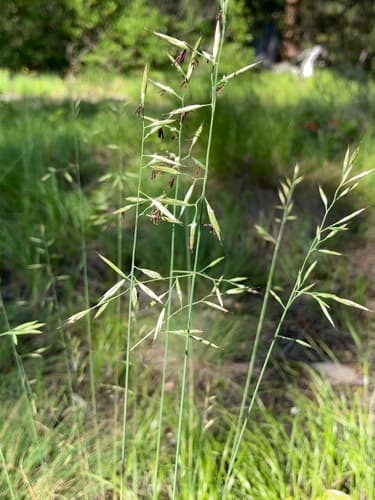
A fine-textured evergreen bunchgrass forming dense blue-green tufts with slender flowering stems held just above the foliage. It is deeply drought-tolerant, needs sharp drainage, and stays neat without shearing.
Growing Idaho fescue
Grow Idaho fescue in full sun and low water. Mature plants reach 12 to 24 inches tall and spread 12 to 18 inches wide.
How to care for Idaho fescue, by region
How to care for Idaho fescue where it is actually grown: year-round basics plus what to do each season, region by region, with the sources for each.
Care guidance last updated: August 2026
Puget Lowland (includes Seattle, WA)
Year-round
Idaho fescue is a small tough bunchgrass that grows naturally in the prairies around Puget Sound, and it fits right into a low water Seattle yard once it gets going.
- Give it full sun to light shade, it wants at least three hours of direct sun a day
- Plant it in soil that drains well, heavy wet clay without any amendment will hold it back
- Water new plants regularly through the first year to help roots dig in, after that rain usually covers most of its needs here
- The blue green clumps stay low and tidy, usually six to ten inches tall, and hold their color through much of the year
Fall
Fall is prime planting time here, the rain comes back in October and gives new roots months to settle in before next summer's dry spell.
- Get new plants or divisions in the ground in fall so roots can establish while the soil stays moist through winter
- Water new fall plantings if there is a dry stretch between rain systems, established clumps do not need it
- A light clip of any leftover summer flower stalks tidies the clump up for the season
- Leave most of the foliage in place, it holds its blue green color and gives the bed some winter structure
A tidy fall clip before the wet season settles in keeps the clump looking intentional for street view, an HOA-friendly habit.
Winter
Winters around Seattle are wet more than cold, Idaho fescue handles the rain fine as long as the soil drains, it is standing water that causes trouble here, not the chill.
- Make sure the planting spot drains well, soggy winter soil is the main risk for this grass here, not frost
- The clump keeps a good bit of its blue green color through winter instead of going fully bare
- Hold off on any hard cutback until late winter, right before new growth starts, cutting too early leaves the crown exposed to cold wet soil
- No need to mulch or wrap it, this grass grows natively as far north as British Columbia and is hardy well past a typical Seattle winter low
Its low winter mound holds a tidy shape through the wet months with no work needed, which reads as HOA-friendly.
Spring
Spring in Seattle is when Idaho fescue wakes up and pushes new growth through the rain, so this is the time to clear out old growth before the plant gets going for the year.
- Cut back dead stalks and old blades to a few inches tall before new green growth shows, usually late winter into early spring here
- This is a good window to divide crowded clumps into new plants if you want to spread it around the yard
- Watch for slug damage on tender new blades during wet spring weeks, established clumps usually shake it off
- Skip heavy fertilizer, this grass is built for lean soil and too much feeding just makes it floppy
A spring cleanup cut keeps the clump looking tidy for street view, an HOA-friendly habit to build in early.
Summer
Summer around Seattle is dry, often less than an inch of rain a month from June through August, and Idaho fescue is built for exactly that stretch once it is established.
- Let established clumps go without extra water, this grass handles the dry summer stretch on its own
- New plantings from earlier in the year still want a deep soak every week or two if the ground gets bone dry
- Leave the seed heads and longer blades standing through summer instead of trimming, grass feeding skipper butterfly caterpillars use bunchgrasses like this one to get through their life cycle
- A light clip of spent flower stalks after seeds drop in late summer cuts down on thatch without hurting the plant
Leaving seed heads up through summer is an HOA-conscious choice when the bed edge stays mowed or defined, it reads as intentional design rather than neglect.
Sources: King County GoNative: Idaho Fescue plant profile (native plants of Western Washington), USFS Fire Effects Information System: Festuca idahoensis species review, Washington Native Plant Society: Festuca idahoensis plant directory entry, SLV Habitat Restoration Program: Idaho Fescue care guide (cutback and division timing) (community tip), Xerces Society: habitat hotspot plants for western butterfly and moth caterpillars
Want these tasks as reminders timed to your yard? Pollinator Patch turns this guidance into a season-by-season care plan for the plants you actually grow.
Wildlife value
Bunchgrass tussocks provide nesting material and shelter for ground-nesting bees and small birds.
Common questions
- When does Idaho fescue bloom?
- Idaho fescue produces its slender flower spikes in May and June, after which the plant sets seed and its foliage often takes on a blue-gray cast through the summer.
- How much water does Idaho fescue need?
- Once established, Idaho fescue is a low-water bunchgrass that handles dry, well-drained sites well, though it can tolerate occasional moderate moisture in spring.
- How is Idaho fescue pollinated?
- Like most grasses, Idaho fescue relies on wind to move pollen between plants rather than on insects or other animals.
- What does Idaho fescue look like?
- It forms dense, low tufts of narrow, blue-green to silvery leaves that stay evergreen in mild climates, giving it a fine, textured appearance in dry meadows and rocky slopes.
These answers were drafted with an AI model from this plant's data. Verify care details with a local expert.
Native range data from vouchered herbarium specimen records and regional native plant society lists. Pollinator and host plant associations compiled from GBIF, iNaturalist, and published ecological literature.
If something looks wrong
Common plant problems, and what to check first
These come up on almost any plant. Each guide lists the likely causes in the order they are worth ruling out, with one thing to check before you act on any of them, and links to the source it came from.
- It is dying right after planting
- Leaves turning yellow
- Wilting even though I watered it
- Brown crispy leaf tips
- Bugs on the plant
Ready to grow Idaho fescue? Add it to your garden in Pollinator Patch to track it and get season-by-season care guidance.
Planning a bed around it? Start a free plan with this plant
Not sure where to start? Take the 2-minute yard quiz