Graceful Cinquefoil
Potentilla gracilis
Last reviewed: September 2026
Potentilla gracilis is a drought-tolerant forb that blooms yellow from May through August, thriving in full sun across prairies, meadows, and mountain slopes of the western and upper midwestern United States.
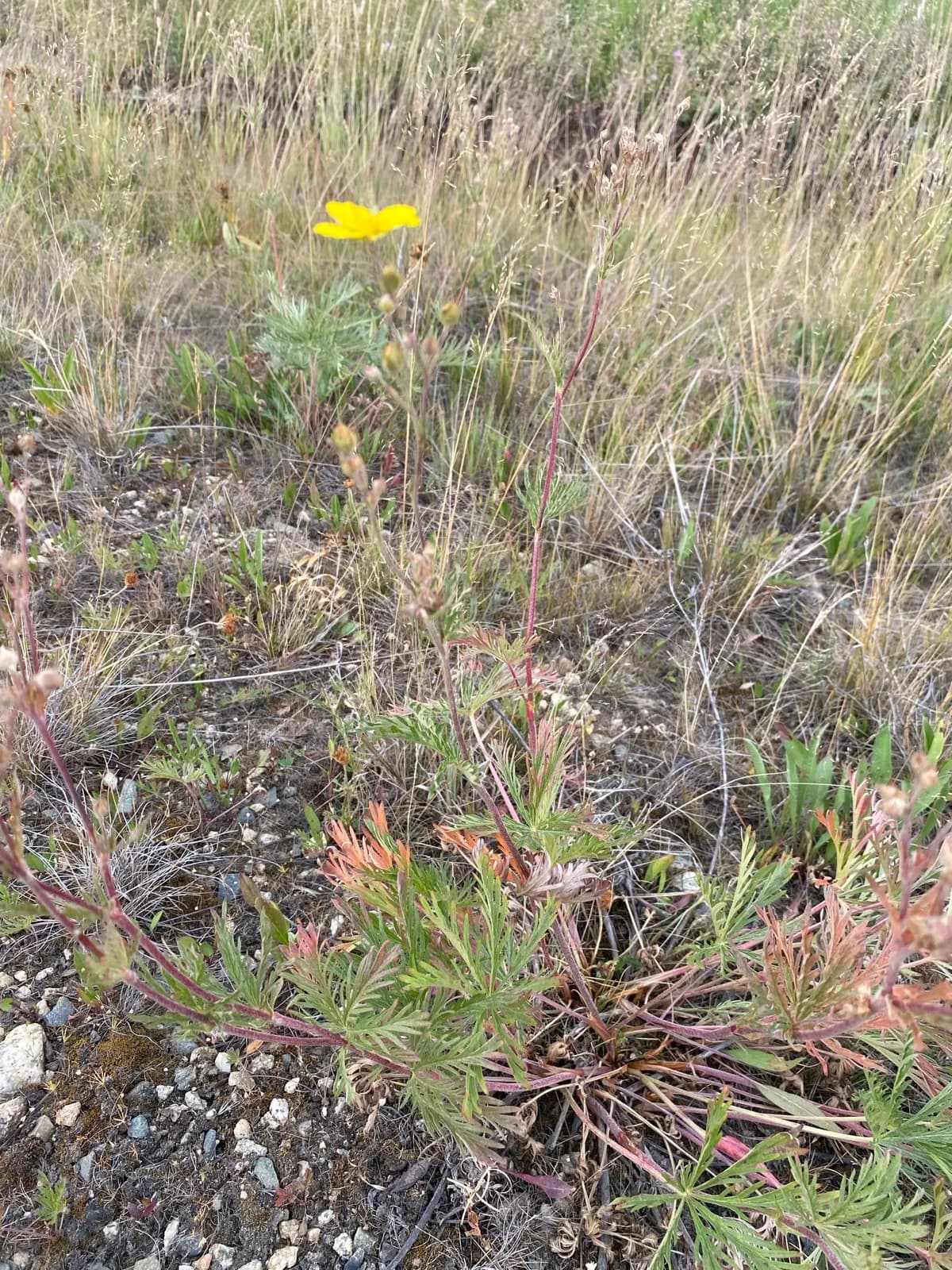
Graceful Cinquefoil (Potentilla gracilis) is not on the ASPCA Animal Poison Control Center toxic plant list for dogs or cats (aspca.org (opens in new tab), last reviewed 2026-05-21). If your pet shows symptoms after eating any plant, call the ASPCA at (888) 426-4435.
The USDA PLANTS Database (opens in new tab) does not flag Graceful Cinquefoil as toxic to livestock.
Light
full sun
Water
low
Size
8"–24" H × 6"–18" W
Bloom
May, Jun, Jul, Aug
Native to
AZ, CA, CO, ID and 12 more states
Pollinators
bees, butterflies, beetles
Before you buy
Your city may pay you to plant this
Cities and water utilities offer rebates for replacing lawn with native and water-wise plants. We track 459 programs across 44 states, each with a link to the provider and the date we last checked it.
Find rebates in your areaPicture natives in your own yard
Upload a photo of your yard and Patch Vision shows a rendering of it planted with natives for your region, like Graceful Cinquefoil.


Browse plants for this ecoregion
Graceful cinquefoil is a compact native perennial that produces bright yellow five-petaled flowers from late spring through summer. This drought-tolerant plant forms neat clumps with attractive palmate leaves and maintains a tidy appearance throughout the growing season.
Growing Graceful Cinquefoil
Grow Graceful Cinquefoil in full sun and low water. Mature plants reach 8 to 24 inches tall and spread 6 to 18 inches wide. Expect low maintenance to keep it looking intentional in a front yard.
How to care for Graceful Cinquefoil, by region
How to care for Graceful Cinquefoil where it is actually grown: year-round basics plus what to do each season, region by region, with the sources for each.
Care guidance last updated: September 2026
Central California Foothills and Coastal Mountains (includes San Francisco, CA)
Year-round
Graceful cinquefoil is confirmed native to California, though it is best documented in mountain meadows and moist woodlands rather than the immediate San Francisco Bay Area coastline, so treat it as a California native worth growing here rather than a confirmed local native for this exact coastal spot.
- USDA-referenced Lady Bird Johnson Wildflower Center range data and Calscape, the California Native Plant Society's plant database, both list California among this species' native states.
- California native plant sources describe its typical habitat as mountain meadows, oak woodland, and moist open ground, often at moderate to high elevation, rather than immediate coastal lowland sites like San Francisco specifically.
- It's a low mounding perennial in the rose family with small yellow flowers, valued by native bees according to the Wildflower Center's pollinator rating for this species.
- Give it full sun to light shade and sandy or loamy, well-drained soil.
Fall
Fall is when bloom tapers off and foliage can be tidied up before the rainy season starts.
- This species is winter deciduous, so foliage naturally starts to die back as fall progresses.
- Cut back spent flower stems and any dying foliage for a tidier look before winter rains arrive.
- Ease off supplemental watering as San Francisco's rainy season typically begins in fall.
Trimming spent stems and fading foliage in fall keeps the planting from looking overgrown or brown through the wet season.
Winter
Winter in San Francisco means rain, not cold, so the main care task is making sure drainage is good enough to prevent root or crown rot.
- San Francisco winters are mild and wet rather than freezing, and this species is far hardier to cold than that climate ever requires, with nursery hardiness ratings down to USDA zone 5.
- Well-drained, sandy or loamy soil matters most in winter, since prolonged soggy soil is more of a risk here than frost.
- No pruning is needed beyond any fall cleanup already done.
Spring
Spring is the best time to plant and establish this species in a San Francisco garden, with regular water to get it going.
- Plant in spring and water regularly to help roots establish.
- Expect flower buds to form heading into an early to mid-summer bloom.
- Full sun works well in San Francisco's cooler, fog-moderated spring, with light shade also tolerated.
Summer
San Francisco's dry, fog-cooled summer is different from the snowmelt-fed mountain meadows this plant is used to, so it needs supplemental water through bloom season.
- In its native mountain habitat this plant gets moisture from spring snowmelt into summer. San Francisco's dry summers do not provide that, so regular water during bloom keeps it going.
- Deadhead spent flowers to keep the mounded form tidy and encourage more blooms.
- Full sun to light shade both work, with light afternoon shade an option in warmer, sun-exposed yards away from the immediate coast.
Deadheading through summer keeps this low, mounding plant looking neat along a front walk or bed edge.
Sources: Lady Bird Johnson Wildflower Center Native Plant Database - Potentilla gracilis, Calscape - Potentilla gracilis (Slender Cinquefoil), Las Pilitas Nursery - Potentilla gracilis, Xera Plants - Potentilla gracilis ssp. gracilis growing notes, California Flora Nursery - Potentilla gracilis
Coast Range (includes Eureka, CA)
Year-round
Graceful cinquefoil is a low upkeep native perennial for Eureka area gardens that mostly takes care of itself once it is established.
- Give it full sun to light shade and well drained soil, sandy or loamy ground suits it better than heavy clay.
- Water regularly the first year while roots establish, then let rainfall carry most of the work once it is settled in.
- It is not on the ASPCA toxic plant list for dogs, cats, or horses, so it is a reasonable choice near pet areas.
- This variety grows naturally along the Humboldt County coast in coastal prairie habitat, so it is considered native here and supports local bees and butterflies without extra effort on your part.
- Since bees and butterflies visit the flowers regularly, skip pesticides on and around this plant.
Fall
Fall is cutback and tidy-up season for graceful cinquefoil as it starts to slow down with Eureka's returning rains.
- As blooms taper off and fall rains return, trim spent flower stalks and any dead foliage down to keep the clump neat.
- This is a good time to divide crowded clumps or move divisions, since the coming winter rain helps new roots settle in.
- No need to cover or protect the plant, Eureka's fall weather stays mild and this species handles cool, wet conditions fine.
- Leave a few seed heads if you want the plant to self sow into bare patches of the bed.
Cutting back spent stalks now keeps the front bed looking tidy heading into the wet season, an HOA-conscious way to close out the growing year.
Winter
Winters in Eureka are mild and wet, and graceful cinquefoil mostly rests, needing little from you beyond letting the rain do the watering.
- The plant goes semi dormant in winter, with new growth pausing until days lengthen again.
- Eureka's coastal winters rarely bring hard freezes, so this species needs no frost cloth or winter protection here.
- Skip supplemental watering, the region's winter rainfall is normally enough to keep roots from drying out.
- Leave the dormant crown in place rather than pulling it, it will resume growth from the same base come spring.
Spring
Spring is when graceful cinquefoil wakes up in Eureka's cool, rainy season and starts putting out new leaves ahead of its summer bloom.
- New gray-green leaves emerge as the wet season eases, and Eureka's regular spring rain usually means no watering can needed yet.
- This is a good window to divide crowded clumps or move divisions to a new spot before the summer dry season sets in.
- Expect the first buttery yellow flowers to open toward late spring as days get longer.
- Skip fertilizer, this species grows fine in average soil and heavy feeding tends to make it floppy and open up gaps in the bed.
Summer
Eureka's cool, foggy summers suit graceful cinquefoil well, and it keeps blooming without the frequent watering a hotter inland yard would need.
- Main bloom period runs through summer, with bright yellow buttercup-like flowers continuing into July and often later in this mild coastal climate.
- Established plants handle the dry summer stretch on stored soil moisture, so a deep watering every couple of weeks beats a light daily sprinkle.
- Deadhead faded flower stalks through the season to keep the clump looking neat and to encourage more blooms.
- Coastal fog and mild temperatures mean this plant is unlikely to need shade cloth or extra summer protection here, unlike hotter inland regions of the state.
Sources: Calscape, Graceful Cinquefoil (Potentilla gracilis var. gracilis), Lady Bird Johnson Wildflower Center, Potentilla gracilis, ASPCA, Toxic and Non-Toxic Plants: Cinquefoil, USDA NRCS Plant Guide, Slender Cinquefoil (Potentilla gracilis), Plant Symbol POGR9, Las Pilitas Nursery, Potentilla gracilis growing notes
High Plains (includes Lubbock, TX)
Year-round
Graceful cinquefoil is not part of Texas's native flora, but it can still be grown in a Lubbock High Plains garden with the right site and extra summer water.
- USDA-referenced Lady Bird Johnson Wildflower Center range data list this species as native to states such as CA, CO, ID, MT, OR, WA, and WY, plus the upper Midwest and parts of Canada. Texas is not on that list.
- In its home range it grows in cool mountain meadows, so the Texas High Plains' hot summers and clay or caliche soils are a real change from what it is naturally suited to.
- Give it full sun to part shade, with afternoon shade a plus during Lubbock's hottest weeks, in well-drained soil. Work in compost or coarse sand if your soil holds water.
- It carries small yellow flowers that draw native bees, based on the Wildflower Center's pollinator-value rating for this species.
Fall
Fall is a good time to cut back fading foliage and ease off watering as this winter-deciduous plant heads into dormancy.
- This species is winter deciduous, so foliage naturally yellows and dies back as cooler weather arrives.
- Trim back dead or ragged foliage in fall for a neater look through winter.
- Cut back on watering as bloom finishes and temperatures drop.
Cutting back spent, dying foliage in fall keeps the planting looking maintained rather than left to go brown.
Winter
Winter cold is not a concern for this plant in Lubbock, but the High Plains' dry winter wind can dry it out.
- This species is winter hardy well beyond Lubbock's cold, with nursery sources rating it hardy to USDA zone 5, so freezes are not the risk.
- The bigger risk in a High Plains winter is windy dryness. An occasional deep watering during extended dry spells helps roots that aren't used to this climate.
- No pruning is needed over winter beyond any fall cleanup already done.
Spring
Spring is when to plant and establish graceful cinquefoil in Lubbock, watering it in deeply since it is outside its native range.
- Plant after the last spring frost so new roots are not hit by a late freeze.
- Water regularly through the first season, about once a week, to help it settle into High Plains soils it isn't naturally suited to.
- Flower buds typically form in late spring ahead of an early to mid-summer bloom.
Summer
Summer heat is the biggest challenge for this plant in Lubbock, since it evolved for climates cooler than the High Plains.
- A nursery grower of this species notes it performs poorly in hot summer conditions south of USDA zone 7. Lubbock sits right around that line, so afternoon shade and steady moisture matter more here than in the cooler regions where it naturally grows.
- Mulch around the base to keep roots cool and reduce how often you need to water during the High Plains' dry, windy summers.
- Deadhead spent flowers to keep the mounded shape tidy.
Deadheading spent blooms keeps this low mounding plant looking tidy from the street.
Sources: Lady Bird Johnson Wildflower Center Native Plant Database - Potentilla gracilis, Xera Plants - Potentilla gracilis ssp. gracilis growing notes, Las Pilitas Nursery - Potentilla gracilis
Puget Lowland (includes Seattle, WA)
Year-round
Slender cinquefoil is native to Washington's meadows and open slopes, and it settles into a Seattle garden fastest with a little patience up front and almost nothing once it's rooted in.
- Water new plants every few days for the first few weeks, then weekly through the first summer while roots establish.
- Once established, this plant handles Seattle's dry summer stretch with little or no extra water.
- Spread 2 to 3 inches of bark mulch around the base to hold moisture through July and August.
- Give it sun to part shade. It grows naturally in open meadows and foothills, not deep shade.
- The most common mistake is treating it like a thirsty ornamental and watering all summer. That invites root rot in our wet clay soils.
Its low, tidy mounding habit and yellow summer flowers read as a neat groundcover for a front border, not a wild patch.
Fall
Fall rain returns to the Puget Sound and gives this plant a second good window for planting and dividing.
- September through November rain restarts, making this a low-effort planting and dividing season.
- Let seed heads stand through fall for visiting birds and insects rather than cutting back right away.
- Ease off any supplemental watering once the fall rains are reliable.
- Clear fallen leaves off the crown if they mat down and trap moisture against the plant.
Winter
Winters here are cool and wet rather than harshly cold, so this plant needs very little from you.
- Foliage dies back or goes semi-evergreen depending on how mild the winter is.
- Cut back old dead growth in late winter, just before new shoots appear in spring.
- Avoid walking or working the bed when clay soil is saturated. It compacts easily in our wet winters.
- No frost protection is needed for typical Seattle winter lows.
Spring
Spring is when slender cinquefoil wakes up and does most of its growing, timed to Seattle's rainy season.
- Plant or transplant now, from March through May, while spring rain does most of the watering for you.
- New leaves emerge from the base as soil warms. No need to rush growth along with fertilizer.
- Divide overcrowded clumps now if you want to spread the plant to another spot.
- Watch for slugs on tender new growth, common in Puget Sound spring gardens.
Summer
Summer is Seattle's dry season, and this is the one stretch where slender cinquefoil actually needs your attention.
- Blooms appear June through August with small yellow flowers.
- Deep water every 2 to 3 weeks during the driest weeks if the plant is still in its first year.
- Established plants, year two and beyond, usually coast through our rainless summer without help.
- Deadhead spent flowers if you want a tidier look, though it isn't required for reblooming.
Sources: Lady Bird Johnson Wildflower Center - Potentilla gracilis var. fastigiata, WSU Extension - Drought Tolerant Landscaping for Washington State
Southern California/Northern Baja Coast (includes Los Angeles, CA)
Year-round
This species is native to California, but its home ground is moist mountain meadows and streambanks, not bone-dry chaparral, so in the Los Angeles basin it wants a bit more consistency than a classic drought-tough Southern California native.
- Water deeply once or twice a week through the first two summers so roots go deep before the dry season tests them.
- Once established it still appreciates occasional deep watering during LA's long dry season, unlike true chaparral natives.
- Keep 2 to 3 inches of mulch on the soil to buffer the long rainless stretch from April through October.
- Site it in part shade or a spot that holds a little moisture, like near a downspout or a low point in the yard.
- The most common mistake is cutting off all summer water the way you would for a true chaparral native. This plant will wilt and go dormant early if it dries out completely.
A low mounding clump with yellow summer flowers fits a tidy front bed, but it needs more water than the driest-tolerant California natives to keep that tidy look through summer.
Fall
Fall in Los Angeles often stays dry and can bring Santa Ana wind conditions before real rain arrives.
- Keep watering through October and into November until reliable rain starts.
- Clear dead or dry plant material away from structures during fire season.
- First light rains in fall are often not enough on their own. Keep checking soil moisture.
- Good window to plant new starts once temperatures cool, ahead of the wet season.
Winter
Winter is the Los Angeles rainy season, and it's the easiest stretch of the year for this plant.
- Rainfall usually covers watering needs from December through February.
- Good season to divide or plant new starts while the ground is moist.
- Watch drainage in heavy rain years. This plant doesn't want to sit in standing water.
- Frost is rare in the LA basin, so no winter protection is typically needed.
Spring
Los Angeles gets its rain from late fall through spring, so this is the plant's natural growing and blooming lead-up.
- Plant in late winter or early spring, February through April, while rain is still likely.
- New growth and flower buds form as days lengthen. No fertilizer needed.
- Watch for snails and slugs on new leaves in irrigated beds.
- Divide crowded clumps now while the soil is still workable and moist.
Summer
Summer is Los Angeles's long dry season, and this species needs more help through it than most California natives.
- Give a deep soak every 10 to 14 days rather than letting it go completely dry.
- Watch for wilting or crispy leaf edges as an early sign it needs water.
- Blooms taper off as the dry season wears on. That's normal, not a sign of failure.
- Avoid frequent shallow sprinkling. Infrequent deep watering builds stronger roots.
Sources: Lady Bird Johnson Wildflower Center - Potentilla gracilis var. fastigiata, Calflora - Potentilla gracilis distribution, UC ANR Master Gardener Program Sonoma County - Gardening and Drought
Willamette Valley (includes Portland, OR)
Year-round
Graceful cinquefoil is a low, clump-forming perennial with cheerful yellow flowers that grows well in the Portland area once it is established, given full sun and soil that drains. Lady Bird Johnson Wildflower Center lists it as native to Oregon, and it needs little care once its roots are in.
- Give it full sun for the best bloom. Part shade cuts flowering back noticeably.
- Site it where winter water drains away. Willamette Valley clay holds moisture through the wet season and can rot the crown of this low-water plant.
- Water regularly through the first summer to get it established, then let seasonal rainfall carry it in most years.
- Not on the ASPCA toxic plant list for dogs, cats, or horses. The ASPCA entry covers the cinquefoil genus (Potentilla spp.) rather than this exact species.
Fall
Growth slows and Portland's rains typically return by mid-October. Fall is the season to cut the plant back for winter and to get new starts or divisions into the ground.
- Cut foliage back to the crown once it dies back, usually late October into November as the rains and cooler nights settle in.
- Plant new starts or divisions in fall. Cool, wet weather helps roots establish before next summer's dry stretch.
- Clear fallen leaves off the crown so it is not sitting wet all winter in Willamette Valley's heavier clay soils.
A clean fall cutback reads as deliberate seasonal maintenance rather than a bed left to go to seed, and helps avoid a violation letter for an unkempt appearance.
Winter
Graceful cinquefoil goes fully dormant in winter, dying back to a woody crown below ground. Portland's mild, wet winters rarely test the plant's cold tolerance, drainage is the bigger factor here.
- Keep mulch off the crown itself and avoid foot traffic on the bed. Saturated Willamette Valley clay plus standing water is the most common way to lose this plant over winter.
- No pruning is needed once the fall cutback is done. The dormant crown does not need extra winter protection in the Portland area's mild lows.
- Mark the spot if the bed looks bare, so it is not disturbed before spring growth resumes.
A neatly cut back, mulched dormant bed reads as deliberate winter care rather than neglect.
Spring
Spring brings new growth up from the crown ahead of the June bloom. It is the best window in the Portland area to tidy winter foliage and divide crowded clumps before the new growth gets tall.
- Cut back any tattered winter foliage once new leaves appear, usually by mid to late March in the Portland area.
- Divide crowded clumps every 3 to 4 years before new growth gets tall. This keeps plants vigorous and blooming well.
- Hold off on extra watering while spring rains continue. Adding water on top of a wet Willamette Valley spring raises the risk of crown rot in this low-water plant.
- Top dress with compost around the crown to help drainage in heavier clay soil.
Cutting back winter-damaged foliage in spring reads as intentional, tended care rather than neglect, and helps avoid a violation letter for a messy front bed.
Summer
Summer is graceful cinquefoil's show, with bright yellow five-petaled flowers from June into August. Once established, the plant handles Portland's dry summer stretch without regular watering.
- Deadhead spent flower stalks if you want a tidier look and a longer bloom window. The flowers are largely self-cleaning, so this step is optional.
- Skip supplemental watering except during an extended dry spell or heat wave. Overwatering an established plant in summer is a bigger risk than underwatering.
- Give plants good airflow and avoid crowding. This helps prevent powdery mildew during humid stretches.
Deadheading through peak bloom keeps the front bed looking tended rather than overgrown.
Sources: Lady Bird Johnson Wildflower Center - Potentilla gracilis (Slender Cinquefoil), ASPCA Toxic and Non-Toxic Plants - Cinquefoil (Potentilla spp.), Xera Plants - Potentilla gracilis ssp. gracilis
In an HOA neighborhood
Graceful Cinquefoil is an HOA-friendly choice. Maintenance level: low. Tidiness: 4 out of 5.
Works well in: front yard, foundation, street edge, mid zone.
- Goes dormant in winter leaving bare spots
Wildlife value
The cheerful yellow flowers attract bees, butterflies, and beneficial beetles throughout its long blooming period. Its extended flowering season makes it a reliable nectar source for pollinators from May through August.
Common questions
- When does Potentilla gracilis bloom?
- Potentilla gracilis typically flowers from May through August, producing small, five-petaled yellow blooms held above soft, palmately divided leaves.
- What pollinators visit Potentilla gracilis?
- Bees, butterflies, and beetles commonly visit the flowers to feed on nectar and pollen during the summer bloom period.
- How much water does Potentilla gracilis need?
- It grows well with low to moderate moisture and handles dry spells once established, making it suited to open meadows, prairies, and rocky slopes.
- What growing conditions suit Potentilla gracilis best?
- This forb performs best in full sun with well-drained soil, though it can tolerate some light afternoon shade in hotter climates.
- Is Graceful Cinquefoil toxic to dogs?
- Graceful Cinquefoil is not on the ASPCA Animal Poison Control Center toxic plant list for dogs (aspca.org).
- Is Graceful Cinquefoil toxic to cats?
- Graceful Cinquefoil is not on the ASPCA Animal Poison Control Center toxic plant list for cats (aspca.org).
- Is Graceful Cinquefoil toxic to livestock?
- The USDA PLANTS Database does not flag Graceful Cinquefoil as toxic to livestock.
- Is Graceful Cinquefoil HOA-friendly?
- Graceful Cinquefoil is generally an HOA-friendly choice in the right placement, with low maintenance.
These answers were drafted with an AI model from this plant's data. Verify care details with a local expert.
Native range data from the World Checklist of Vascular Plants (Kew). Pollinator and host plant associations compiled from GBIF, iNaturalist, and published ecological literature.
If something looks wrong
Common plant problems, and what to check first
These come up on almost any plant. Each guide lists the likely causes in the order they are worth ruling out, with one thing to check before you act on any of them, and links to the source it came from.
- It is dying right after planting
- Leaves turning yellow
- Wilting even though I watered it
- Brown crispy leaf tips
- Bugs on the plant
Ready to grow Graceful Cinquefoil? Add it to your garden in Pollinator Patch to track it and get season-by-season care guidance.