Chinkapin Oak
Quercus muehlenbergii
Last reviewed: October 2026
Chinkapin oak is a large deciduous shade tree that blooms in May and June and tolerates dry, rocky, often limestone soils across much of the eastern and central United States.
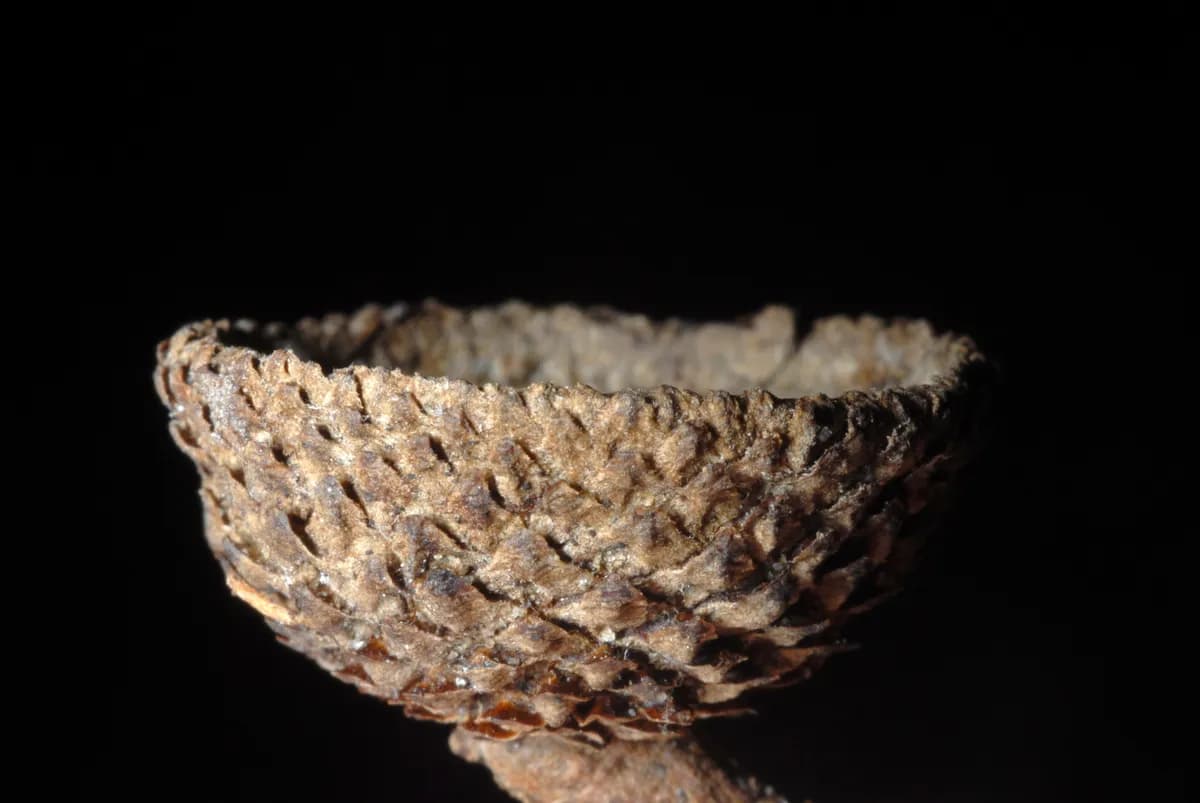
Chinkapin Oak (Quercus muehlenbergii) is not on the ASPCA Animal Poison Control Center toxic plant list for dogs or cats (aspca.org (opens in new tab), last reviewed 2026-05-21). If your pet shows symptoms after eating any plant, call the ASPCA at (888) 426-4435.
The USDA PLANTS Database (opens in new tab) does not flag Chinkapin Oak as toxic to livestock.
Light
full sun
Water
medium
Size
540"–1320" H × 600"–840" W
Bloom
Mar, Apr, May
Native to
AL, AR, CT, FL and 28 more states
Pollinators
bees, beetles, butterflies, hummingbirds
Before you buy
Your city may pay you to plant this
Cities and water utilities offer rebates for replacing lawn with native and water-wise plants. We track 459 programs across 44 states, each with a link to the provider and the date we last checked it.
Find rebates in your areaPicture natives in your own yard
Upload a photo of your yard and Patch Vision shows a rendering of it planted with natives for your region, like Chinkapin Oak.


Browse plants for this ecoregion
Chinkapin oak is a medium to large native tree with attractive rounded crown and glossy green leaves that turn yellow-brown in fall. This drought-tolerant oak adapts well to various soil types and provides excellent shade for residential landscapes.
Growing Chinkapin Oak
Grow Chinkapin Oak in full sun and medium water. Mature plants reach 540 to 1320 inches tall and spread 600 to 840 inches wide. Expect low maintenance to keep it looking intentional in a front yard.
How to care for Chinkapin Oak, by region
How to care for Chinkapin Oak where it is actually grown: year-round basics plus what to do each season, region by region, with the sources for each.
Care guidance last updated: October 2026
Cross Timbers (includes Fort Worth, TX)
Year-round
Chinkapin Oak is a large, long-lived native shade tree well suited to North Texas soils, including the alkaline limestone-based clay common in the area. It needs full sun and very little upkeep once its root system is established.
- Give it full sun and plenty of room. Mature trees typically reach 40 to 60 feet tall with an equally wide canopy, so plant it at least 20 feet from the house, driveway, or property line.
- In heavy black clay, plant it high on a slight mound or work compost into the planting hole for drainage; in the sandier soils west of the metro it will need supplemental water more often through its first couple of summers.
- Water deeply once a week for the first two growing seasons to help it establish a deep root system, then it can rely mostly on rainfall.
- The ASPCA lists oak (Quercus) as toxic to horses because of tannins in the leaves and acorns, which can cause vomiting, diarrhea, and abdominal pain. There is no ASPCA determination specific to dogs or cats, so keep pets from grazing on fallen leaves or acorns as a precaution.
- This oak is a caterpillar host plant for hairstreak butterflies and dagger moths, so expect some chewed leaves in season. That is a sign it is feeding local pollinators, not a disease.
A single well placed shade tree reads as an intentional, established front yard from the day it goes in the ground, long before it reaches full size.
Fall
Fall is actually the better planting window for Chinkapin Oak and most trees in North Texas, since cooler air and still warm soil let roots establish before next summer.
- Plant new trees between October and early December, well ahead of the mid November average first frost.
- Water a newly planted fall tree deeply once a week through the season, tapering off once nighttime temperatures drop consistently below 50F.
- Fall color is subtle, yellow to brown, not a peak color display; do not expect a dramatic show.
- Rake and compost fallen leaves and acorns rather than letting them mat over turf. A thin layer left under the canopy is fine and breaks down as mulch.
Planting in fall gets the tree established quietly over a cooler season, so it looks settled and intentional well before next year's growing season.
Winter
Chinkapin Oak is dormant and essentially maintenance free through a North Texas winter, tolerating the season's short hard freezes without protection.
- No winter watering is needed for established trees. A newly planted tree in its first winter can get an occasional deep soak during a long, dry, mild stretch.
- This is the best window for structural pruning: remove dead, crossing, or low branches while the tree is bare and the framework is easy to see.
- Chinkapin Oak reliably survives North Texas winter lows into the single digits and short Arctic outbreaks without dieback once established.
- Leaves often persist, tan and dry, into winter before finally dropping. That is normal marcescence, not a health problem.
Bare, freshly pruned branches read as tended, not neglected, through the dormant season.
Spring
Spring is a good time to plant Chinkapin Oak in North Texas, and established trees quietly leaf out and flower through the season.
- Plant new trees in March or April, after the last frost, so roots have a full growing season to settle in before next summer's heat.
- Water a newly planted tree deeply twice a week through spring, soaking the whole root zone rather than a quick surface sprinkle.
- Small yellow green catkins appear in May and June. They are easy to miss and do not need any care.
- Watch for a flush of new leaf growth through spring. A 2 to 3 inch layer of mulch, kept a few inches back from the trunk, helps hold moisture as temperatures climb toward summer.
A freshly planted, mulched tree bed reads as tended and intentional rather than a bare patch of dirt.
Summer
Summer is the hard season for a young Chinkapin Oak. Established trees handle heat and drought well, but anything planted in the last year or two needs help through 100 degree stretches.
- Deep water newly planted trees (first two summers) once a week, more often during weeks with no rain and afternoons over 100F.
- Keep 2 to 3 inches of mulch over the root zone, pulled back from the trunk, to hold soil moisture through July and August.
- Do not fertilize in summer; feeding a heat stressed tree can do more harm than good.
- Established trees, roughly three or more years in the ground, can generally go without supplemental water even during a dry summer, thanks to their deep root system.
Mulch and consistent watering keep the canopy full and green through the hottest stretch, avoiding the scorched, patchy look that draws HOA attention.
Sources: ASPCA Toxic and Non-Toxic Plants: Oak, Lady Bird Johnson Wildflower Center: Quercus muehlenbergii
Ridge and Valley (includes Harrisburg, PA)
Year-round
Chinkapin oak is a large, slow-to-moderate shade tree that wants full sun and well-drained soil. Once its roots settle in, it needs very little help in Harrisburg's climate.
- Give it full sun, at least 6 hours a day, and soil that drains well. It copes with clay, loam, sand, and rocky soil.
- It handles alkaline soil well, so you do not need to acidify the soil.
- Plan for 40 to 60 feet tall and 50 to 70 feet wide at maturity, so keep it away from the house, wires, and pipes.
- It forms a long taproot and is hard to move later, so pick the spot carefully.
As a front-yard tree, its wide rounded crown reads as intentional when it has room and a tidy mulch ring.
Fall
Fall is a good window to plant, and it is also acorn season. Acorns and young leaves are low in toxicity but can upset stomachs.
- Plant young trees in early fall so roots can grow before the ground freezes, and water until the soil freezes.
- Rake up acorns where pets or kids play. Wildflower.org lists acorns and young leaves as low toxicity if eaten.
- The ASPCA lists oak as toxic to horses, so keep horses from eating acorns.
- Leave fallen leaves under the tree as natural mulch where you can.
Raking acorns and leaves off walkways and the lawn edge keeps the front yard looking intentional.
Winter
The tree is hardy through cold winters and is bare and dormant now, so winter care is light.
- Refresh mulch on young trees, still keeping it off the trunk.
- Keep road salt and shoveled snow piles away from the root zone.
- Bare branches make dead or crossing limbs easy to spot. For anything large, call a certified arborist.
Spring
Spring is a good window to plant a young tree and to check that the mulch and soil moisture are right as new leaves open.
- Water a newly planted tree deeply once a week when rain is light, and more often during the first few weeks.
- Spread 2 to 3 inches of mulch in a wide ring, kept a few inches back from the trunk.
- Skip fertilizer unless a soil test shows a need.
Summer
Established trees are drought-tolerant, so summer care is mostly about young trees in Harrisburg's hot, humid stretches.
- Give trees in their first 2 to 3 years a slow, deep soak every week or two when rain is short.
- Established trees usually need no extra water, except in a long dry spell.
- Keep mowers and string trimmers away from the trunk.
Sources: NC State Extension Plant Toolbox: Quercus muehlenbergii, Lady Bird Johnson Wildflower Center: Quercus muehlenbergii, ASPCA: Oak
Texas Blackland Prairies (includes Dallas, TX)
Year-round
Chinkapin Oak is a large, long-lived native shade tree well suited to North Texas soils, including the alkaline limestone-based clay common in the area. It needs full sun and very little upkeep once its root system is established.
- Give it full sun and plenty of room. Mature trees typically reach 40 to 60 feet tall with an equally wide canopy, so plant it at least 20 feet from the house, driveway, or property line.
- In heavy black clay, plant it high on a slight mound or work compost into the planting hole for drainage; in the sandier soils west of the metro it will need supplemental water more often through its first couple of summers.
- Water deeply once a week for the first two growing seasons to help it establish a deep root system, then it can rely mostly on rainfall.
- The ASPCA lists oak (Quercus) as toxic to horses because of tannins in the leaves and acorns, which can cause vomiting, diarrhea, and abdominal pain. There is no ASPCA determination specific to dogs or cats, so keep pets from grazing on fallen leaves or acorns as a precaution.
- This oak is a caterpillar host plant for hairstreak butterflies and dagger moths, so expect some chewed leaves in season. That is a sign it is feeding local pollinators, not a disease.
A single well placed shade tree reads as an intentional, established front yard from the day it goes in the ground, long before it reaches full size.
Fall
Fall is actually the better planting window for Chinkapin Oak and most trees in North Texas, since cooler air and still warm soil let roots establish before next summer.
- Plant new trees between October and early December, well ahead of the mid November average first frost.
- Water a newly planted fall tree deeply once a week through the season, tapering off once nighttime temperatures drop consistently below 50F.
- Fall color is subtle, yellow to brown, not a peak color display; do not expect a dramatic show.
- Rake and compost fallen leaves and acorns rather than letting them mat over turf. A thin layer left under the canopy is fine and breaks down as mulch.
Planting in fall gets the tree established quietly over a cooler season, so it looks settled and intentional well before next year's growing season.
Winter
Chinkapin Oak is dormant and essentially maintenance free through a North Texas winter, tolerating the season's short hard freezes without protection.
- No winter watering is needed for established trees. A newly planted tree in its first winter can get an occasional deep soak during a long, dry, mild stretch.
- This is the best window for structural pruning: remove dead, crossing, or low branches while the tree is bare and the framework is easy to see.
- Chinkapin Oak reliably survives North Texas winter lows into the single digits and short Arctic outbreaks without dieback once established.
- Leaves often persist, tan and dry, into winter before finally dropping. That is normal marcescence, not a health problem.
Bare, freshly pruned branches read as tended, not neglected, through the dormant season.
Spring
Spring is a good time to plant Chinkapin Oak in North Texas, and established trees quietly leaf out and flower through the season.
- Plant new trees in March or April, after the last frost, so roots have a full growing season to settle in before next summer's heat.
- Water a newly planted tree deeply twice a week through spring, soaking the whole root zone rather than a quick surface sprinkle.
- Small yellow green catkins appear in May and June. They are easy to miss and do not need any care.
- Watch for a flush of new leaf growth through spring. A 2 to 3 inch layer of mulch, kept a few inches back from the trunk, helps hold moisture as temperatures climb toward summer.
A freshly planted, mulched tree bed reads as tended and intentional rather than a bare patch of dirt.
Summer
Summer is the hard season for a young Chinkapin Oak. Established trees handle heat and drought well, but anything planted in the last year or two needs help through 100 degree stretches.
- Deep water newly planted trees (first two summers) once a week, more often during weeks with no rain and afternoons over 100F.
- Keep 2 to 3 inches of mulch over the root zone, pulled back from the trunk, to hold soil moisture through July and August.
- Do not fertilize in summer; feeding a heat stressed tree can do more harm than good.
- Established trees, roughly three or more years in the ground, can generally go without supplemental water even during a dry summer, thanks to their deep root system.
Mulch and consistent watering keep the canopy full and green through the hottest stretch, avoiding the scorched, patchy look that draws HOA attention.
Sources: ASPCA Toxic and Non-Toxic Plants: Oak, Lady Bird Johnson Wildflower Center: Quercus muehlenbergii
In an HOA neighborhood
Chinkapin Oak is an HOA-friendly choice. Maintenance level: low. Tidiness: 4 out of 5.
Works well in: front yard, street edge, mid zone.
- Large mature size requires adequate space
- Seasonal acorn drop may require cleanup
Wildlife value
Host plant for banded hairstreak, imperial moth.
Supports over 500 species of butterflies and moths as a host plant, while also providing nectar for bees and beetles during spring blooms. Acorns feed numerous wildlife species including squirrels, deer, and various birds.
Common questions
- When does Chinkapin oak bloom?
- Chinkapin oak produces small, inconspicuous flowers in May and June, typical timing for oaks in the white oak group.
- What kind of light does Chinkapin oak need?
- It grows best in full sun but can establish in part sun or part shade, especially when young.
- How much water does Chinkapin oak need?
- Once established, Chinkapin oak handles low to medium moisture well and is often found on dry, rocky, or limestone-based soils.
- What pollinators visit Chinkapin oak?
- Bees and beetles are drawn to the tree, though its flowers are wind-pollinated rather than reliant on insect visitors for reproduction.
- Does Chinkapin oak lose its leaves in winter?
- Yes, it is deciduous and drops its leaves each fall after they turn yellow to brown.
- Is Chinkapin Oak toxic to dogs?
- Chinkapin Oak is not on the ASPCA Animal Poison Control Center toxic plant list for dogs (aspca.org).
- Is Chinkapin Oak toxic to cats?
- Chinkapin Oak is not on the ASPCA Animal Poison Control Center toxic plant list for cats (aspca.org).
- Is Chinkapin Oak toxic to livestock?
- The USDA PLANTS Database does not flag Chinkapin Oak as toxic to livestock.
- Is Chinkapin Oak HOA-friendly?
- Chinkapin Oak is generally an HOA-friendly choice in the right placement, with low maintenance.
These answers were drafted with an AI model from this plant's data. Verify care details with a local expert.
Native range data from vouchered herbarium specimen records and regional native plant society lists. Pollinator and host plant associations compiled from GBIF, iNaturalist, and published ecological literature.
If something looks wrong
Common plant problems, and what to check first
These come up on almost any plant. Each guide lists the likely causes in the order they are worth ruling out, with one thing to check before you act on any of them, and links to the source it came from.
- It is dying right after planting
- Leaves turning yellow
- Wilting even though I watered it
- Brown crispy leaf tips
- Bugs on the plant
Ready to grow Chinkapin Oak? Add it to your garden in Pollinator Patch to track it and get season-by-season care guidance.