Big Blue Lilyturf
Liriope muscari
Last reviewed: October 2026
Big Blue Lilyturf (Liriope muscari) is a perennial forb. It blooms in July, August, and September. The flowers draw bees and flies.

Toxicity unknown
Big Blue Lilyturf (Liriope muscari) is not listed by the ASPCA Animal Poison Control Center (opens in new tab) or the other sources we check, so we have no verdict for it either way. Absence from those lists is not a clearance. If your pet shows symptoms after eating any plant, call the ASPCA at (888) 426-4435.
The USDA PLANTS Database (opens in new tab) does not flag Big Blue Lilyturf as toxic to livestock.
Light
part shade
Water
medium
Size
6"–18" H × 12"–24" W
Bloom
Jul, Aug, Sep
Pollinators
bees, flies
Native alternatives to Big Blue Lilyturf
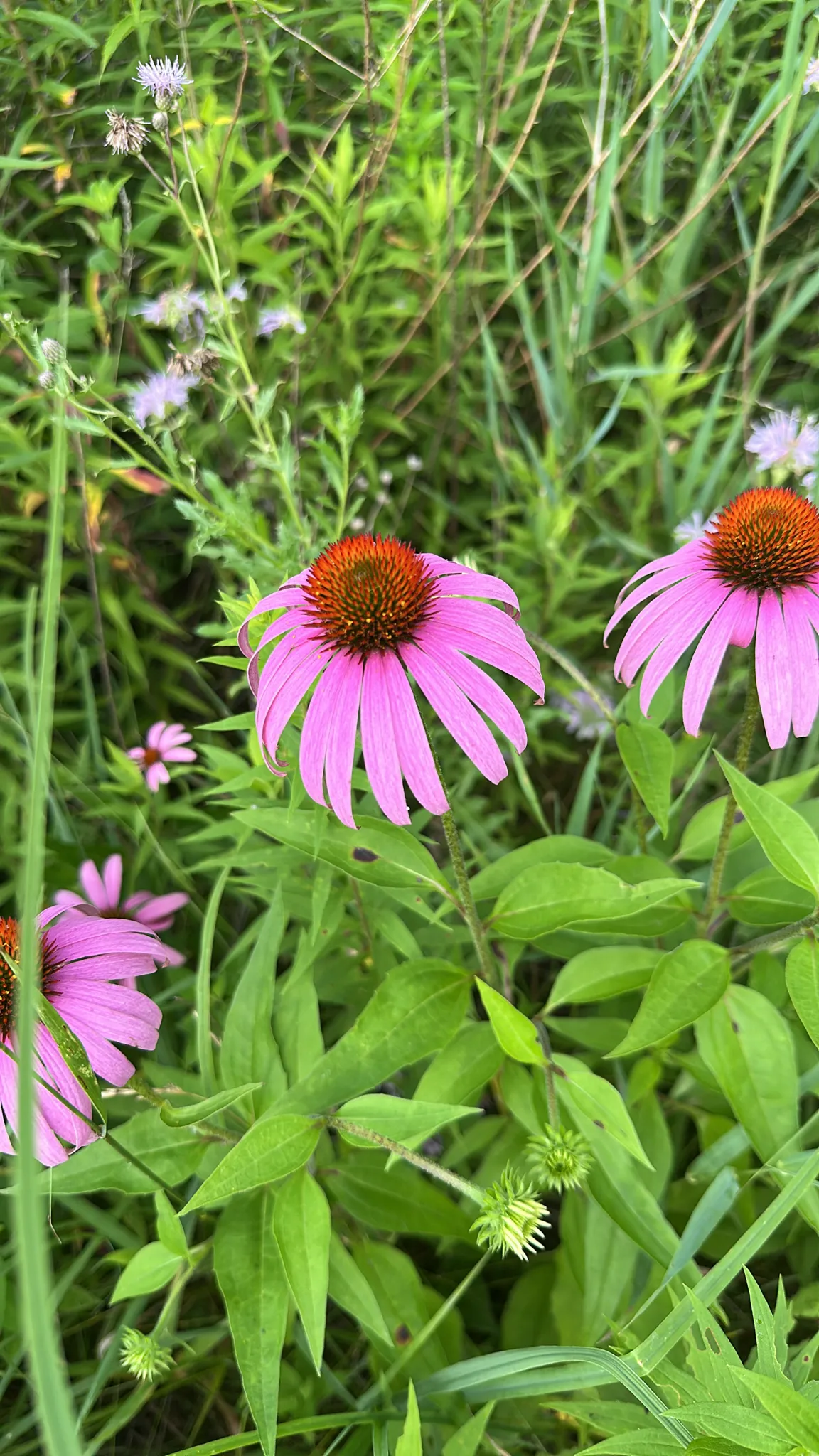
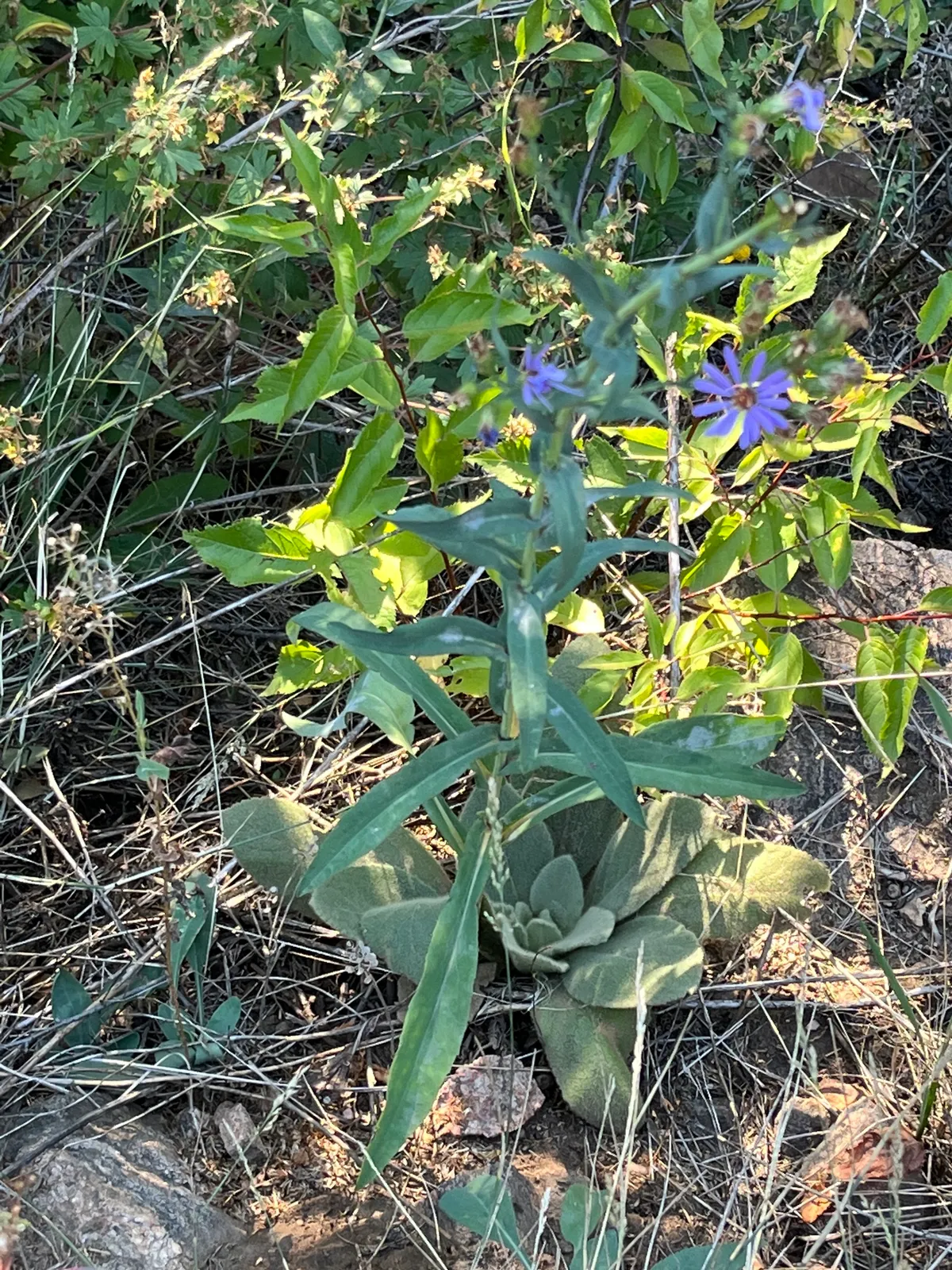
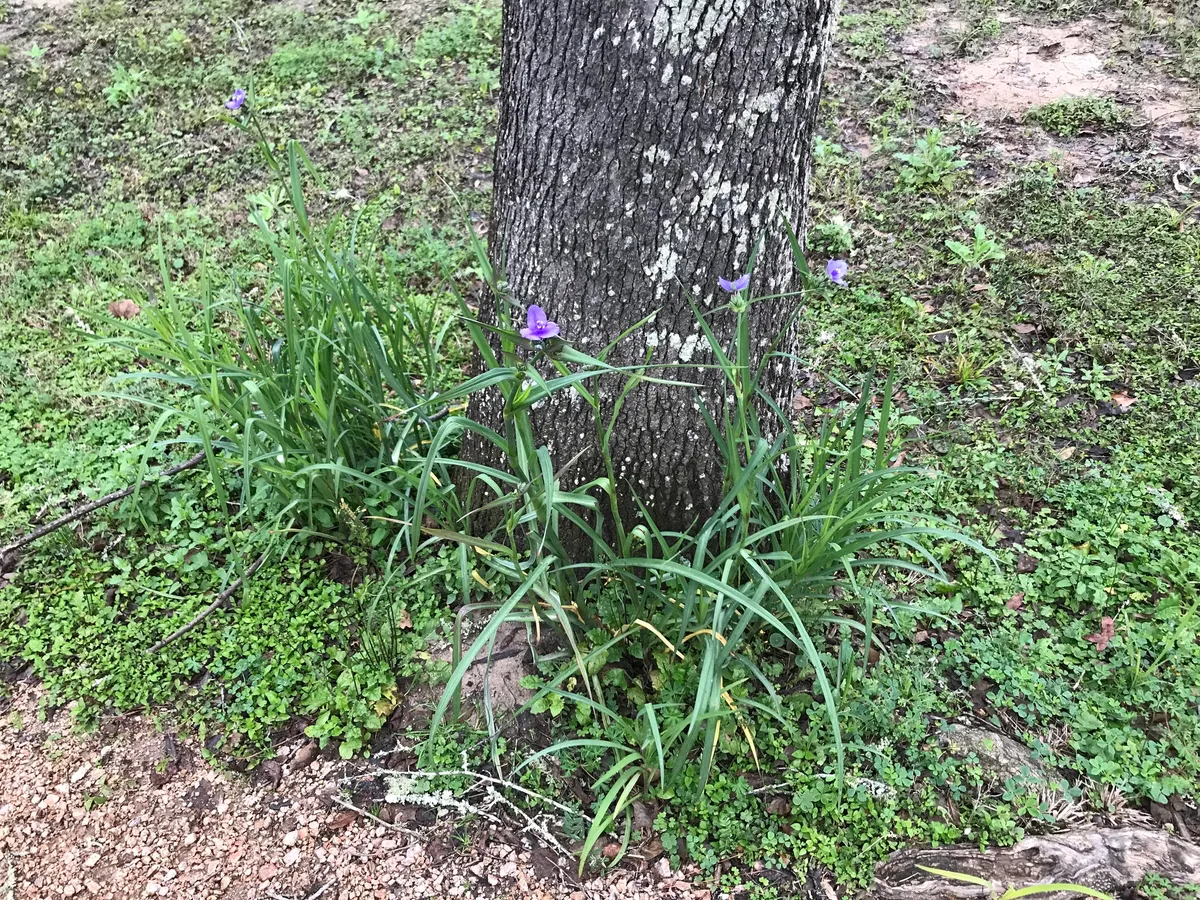
Big Blue Lilyturf is not native to the United States. These natives fill a similar role in a planting, matched on bloom season, bloom color and mature size.
Before you buy
Your city may pay you to plant this
Cities and water utilities offer rebates for replacing lawn with native and water-wise plants. We track 459 programs across 44 states, each with a link to the provider and the date we last checked it.
Find rebates in your areaPicture natives in your own yard
Wondering what could grow where Big Blue Lilyturf is now? Upload a photo of the spot and Patch Vision shows a rendering of it replanted with natives for your region.


Big blue lilyturf forms neat, grass-like clumps with arching evergreen foliage and spikes of purple flowers in late summer. This reliable groundcover maintains its appearance year-round and spreads slowly to form attractive borders or mass plantings.
Growing Big Blue Lilyturf
Grow Big Blue Lilyturf in part shade and medium water. Mature plants reach 6 to 18 inches tall and spread 12 to 24 inches wide. Expect low maintenance to keep it looking intentional in a front yard.
How to care for Big Blue Lilyturf, by region
How to care for Big Blue Lilyturf where it is actually grown: year-round basics plus what to do each season, region by region, with the sources for each.
Care guidance last updated: October 2026
Atlantic Coastal Pine Barrens (includes Riverhead, NY)
Year-round
Liriope is an easy grassy edging plant that handles sun or shade, sandy soil, and dry spells once established.
- Grows in full sun to part shade and tolerates near-full shade with slower, floppier growth.
- Needs well-drained soil, which sandy Long Island yards already have.
- Water regularly the first year, then very little.
- Deer and rabbits generally leave it alone.
Liriope makes a neat, HOA-friendly edge along walks and beds.
Fall
Fall needs just a little tidying, and it is a good time to plant new clumps.
- Remove any leaves that look spotted or rotted.
- Plant or divide in early fall so roots settle before winter.
- Keep new plants watered until the ground freezes.
- Wait to cut back until late winter.
Winter
Winter leaves can look ragged on Long Island, and that is fine. Cut them back as spring nears.
- Shelter new plantings from cold wind if you can.
- Leave the leaves for now to protect the crown.
- Plan to cut tops back each February before new growth begins.
- No watering needed unless the ground is dry and unfrozen for long.
Spring
Early spring is the time to cut it back and give it a light feed.
- Cut the old leaves back before new growth starts, typically late winter to very early spring.
- Add a light slow-release or organic fertilizer in early spring.
- Watch for slugs and snails on new growth.
- Divide crowded clumps now if you want more plants.
A spring haircut keeps borders looking fresh from the street.
Summer
Summer is easy. Water new plants and let established ones ride out dry spells.
- Water new plantings regularly to keep soil moist in their first year.
- Established clumps are drought tolerant and need little extra water.
- Skip heavy fertilizer, since it is a light feeder.
- Check for slugs, snails, or crown rot in wet, shady spots.
Ozark Highlands (includes Springfield, MO)
Year-round
Big blue lilyturf is a tough grassy clump that holds a neat edge in Ozark yards with thin rocky soil and hot humid summers.
- Give it part shade to full sun. In Springfield area heat, afternoon shade keeps the leaves greener and less scorched.
- It handles the thin cherty soil over limestone as long as water drains. Work in a few inches of compost at planting to help young roots.
- Space plants 12 to 15 inches apart for a solid edge or groundcover under trees where turf gives up.
- Water weekly the first season. After it is established it takes dry spells well.
- This is the clumping kind of liriope, not the running kind, so it stays where you put it instead of creeping through the bed.
- Purple flower spikes come mid to late summer, then dark berries follow.
Its low, even mounds make a clean front-yard edge along walks and driveways, which reads as intentional to an HOA-conscious neighbor.
Fall
Fall is a good planting and dividing window, and the black berries show up after the flowers fade.
- Early fall planting works well here. Soil is still warm and the fall rains help roots settle.
- Dividing in fall is fine too if you missed spring. Give divisions six weeks before hard freezes.
- Leave the foliage standing going into winter. It is your evergreen cover and it protects the crown.
- Dark berries follow the flower spikes and hold on the plant.
- Keep fallen tree leaves from packing down on top of the clumps so the centers do not stay soggy.
- No fall fertilizer needed.
Skip a fall cutback here. Liriope looks tidier left standing through winter, and the real trim belongs in late winter.
Winter
In zone 6b to 7a the foliage usually persists but gets beat up by cold, and that is normal.
- Expect leaves to go tan, streaked, or flattened after hard freezes and ice. The crown is still alive underground.
- Do not pull or rake at damaged leaves. Wait and shear the whole clump in late winter.
- Leave a light mulch layer around the base for winter root protection in exposed street-edge beds.
- Avoid piling shoveled snow with road salt onto liriope along the driveway or sidewalk.
- Nothing to water in winter unless you get an unusually long dry warm spell on a new planting.
- Plan your late winter shear for late February or early March, before new blades appear.
If winter-burned foliage looks messy out front, that late winter shear is the fix, not a mid-winter cleanup.
Spring
Late winter into early spring is when you cut back the old tattered leaves, and it is the best window to plant or divide.
- Shear or mow the whole clump to about 3 inches before new growth pushes, usually late February into March in southwest Missouri.
- Set the mower on its highest setting for a big edging run. Hand shears work fine for a few plants.
- Do not cut after the new blades start showing or you will leave them with blunt clipped tips all year.
- Divide crowded clumps now. Dig, pull apart into fist-sized pieces with roots, replant at the same depth.
- Plant new divisions in spring so roots settle in before summer heat.
- A light feeding of general purpose fertilizer after cutback is plenty. It does not need much.
Do the cutback in one pass across the whole front-yard run so the edging looks uniform rather than half trimmed.
Summer
Summer is easy, mostly just water during long dry stretches and enjoy the purple flower spikes.
- Ozark summers swing between heavy storms and dry weeks. Water deeply about once a week only when rain has been missing.
- Established clumps tolerate drought, so do not overwater in the humid stretches.
- Flower spikes rise above the leaves mid to late summer. Leave them so berries can form.
- A thin layer of mulch around clumps keeps roots cooler and holds moisture in shallow rocky soil.
- Plants in full afternoon sun may look bleached in August. That usually greens back up in fall.
- If leaf tips brown, check drainage first, then watering habits.
Sources: Missouri Botanical Garden Plant Finder: Liriope muscari, NC State Extension Plant Toolbox: Liriope muscari
In an HOA neighborhood
Big Blue Lilyturf takes more care to keep looking intentional in a front yard. Maintenance level: low. Consider it for backyard or mid-zone beds rather than the street edge.
Works well in: front yard, foundation, street edge, mid zone.
Wildlife value
The purple flower spikes attract bees and flies during summer blooming periods. The dense foliage provides shelter for small wildlife and insects.
Common questions
- When does Liriope muscari bloom?
- Liriope muscari produces its violet-purple flower spikes from July through September, with blooms rising just above the strappy foliage.
- What kind of light does Liriope muscari need?
- It grows best in part shade but adapts to a range of light levels from part sun to deeper shade, making it useful under trees or along shaded walkways.
- How much water does Liriope muscari require?
- This plant prefers medium moisture but tolerates lower water levels once its root system is established, which makes it a low-maintenance groundcover choice.
- Do pollinators visit Liriope muscari flowers?
- Bees and flies visit the small purple flowers during the summer bloom period, drawn to the nectar produced along the flower spikes.
- What climate and habitat suit Liriope muscari best?
- It grows well in humid, temperate climates with warm summers, often used as an understory planting in partially shaded garden beds and borders.
- Is Big Blue Lilyturf toxic to livestock?
- The USDA PLANTS Database does not flag Big Blue Lilyturf as toxic to livestock.
- Is Big Blue Lilyturf HOA-friendly?
- Big Blue Lilyturf takes more care to look intentional in a front yard. Consider it for backyard or mid-zone beds rather than the street edge.
These answers were drafted with an AI model from this plant's data. Verify care details with a local expert.
Pollinator and host plant associations compiled from GBIF, iNaturalist, and published ecological literature.
If something looks wrong
Common plant problems, and what to check first
These come up on almost any plant. Each guide lists the likely causes in the order they are worth ruling out, with one thing to check before you act on any of them, and links to the source it came from.
- It is dying right after planting
- Leaves turning yellow
- Wilting even though I watered it
- Brown crispy leaf tips
- Bugs on the plant
Ready to grow Big Blue Lilyturf? Add it to your garden in Pollinator Patch to track it and get season-by-season care guidance.