Spindle
Euonymus europaeus
Last reviewed: October 2026
Toxicity unknown
Spindle (Euonymus europaeus) is not listed by the ASPCA Animal Poison Control Center (opens in new tab) or the other sources we check, so we have no verdict for it either way. Absence from those lists is not a clearance. If your pet shows symptoms after eating any plant, call the ASPCA at (888) 426-4435.
Light
part shade
Water
medium
Size
120"–240" H × 120"–240" W
Bloom
Apr, May
Pollinators
bees, beetles
Native alternatives to Spindle
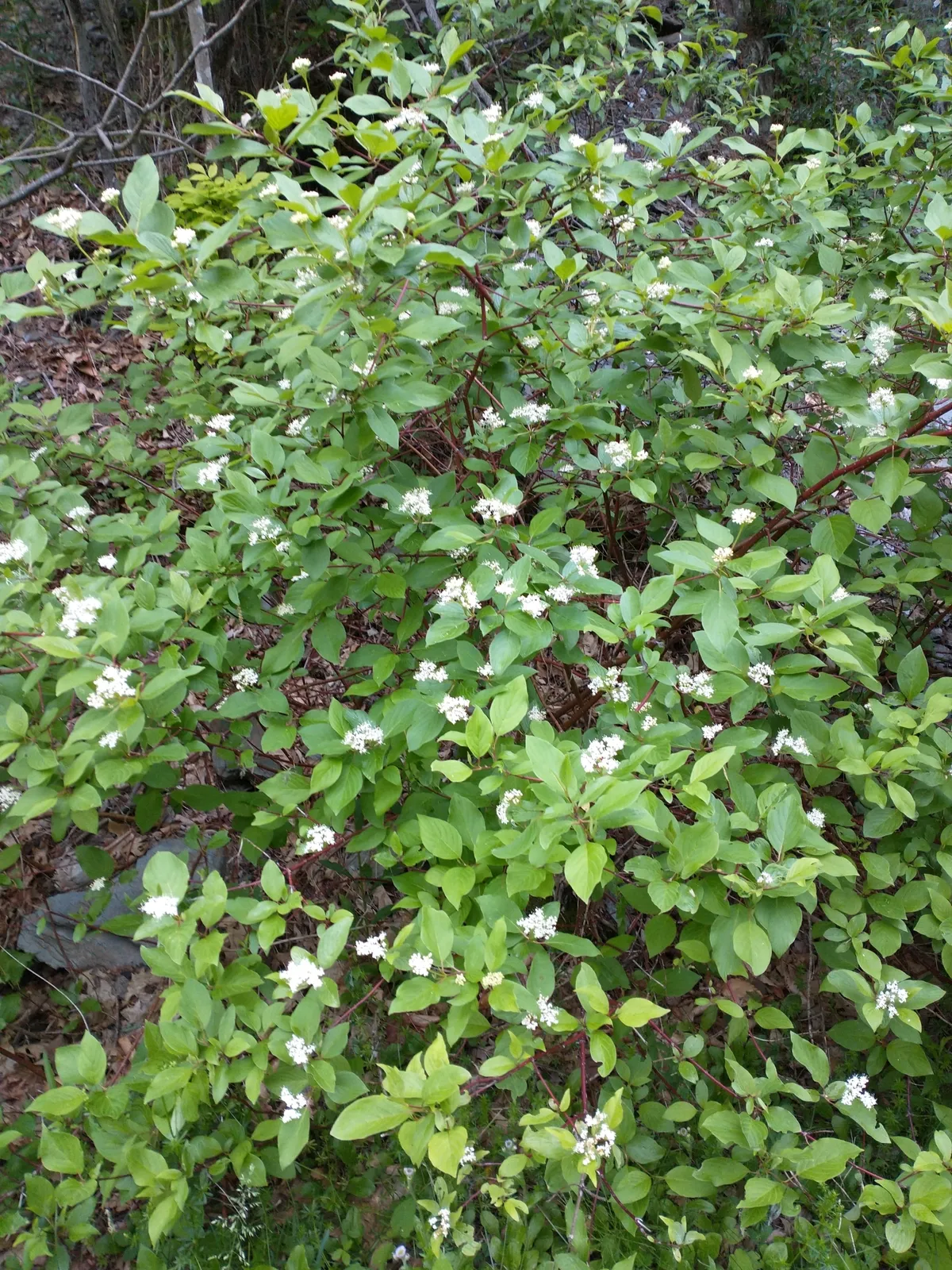
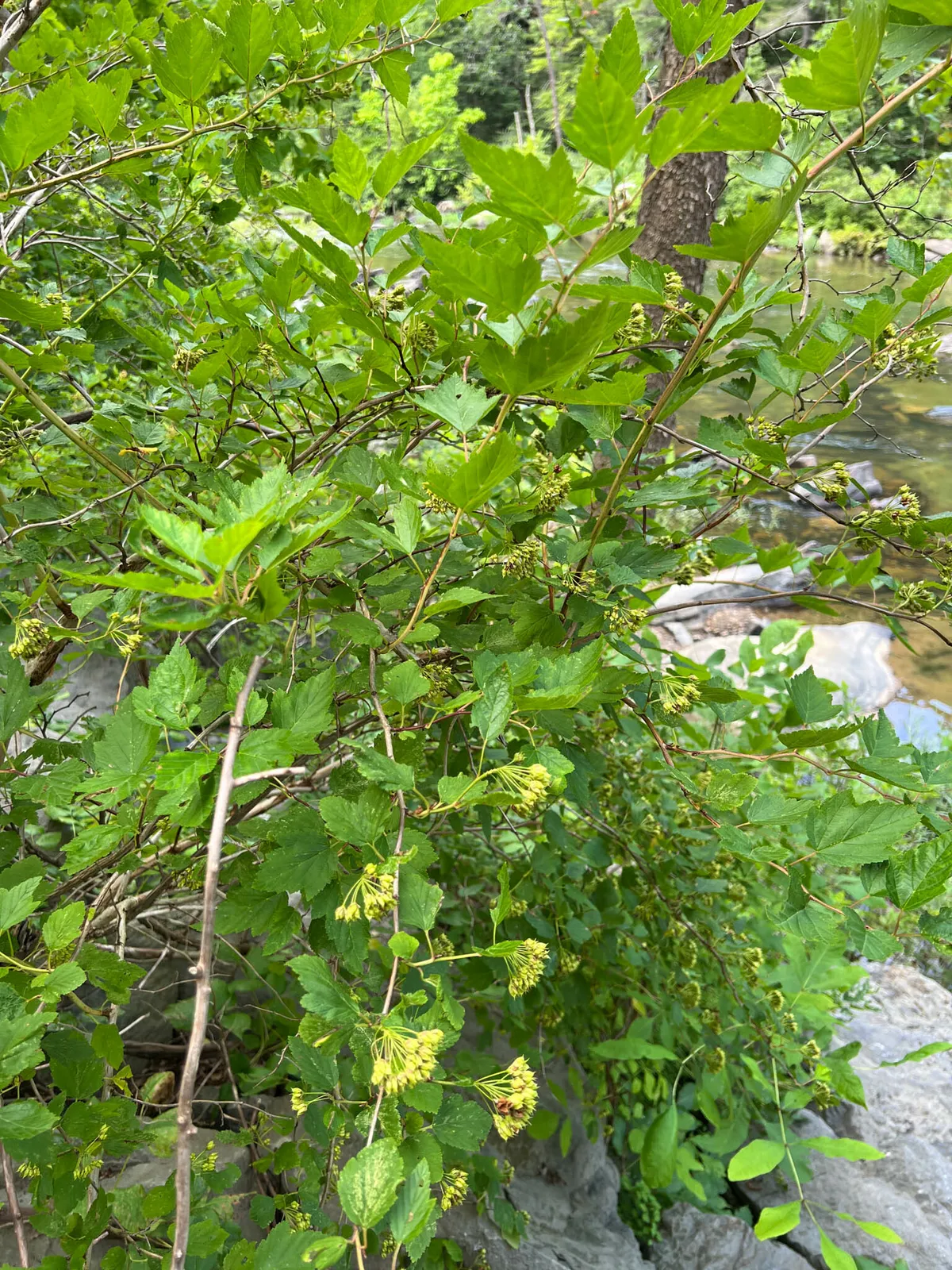
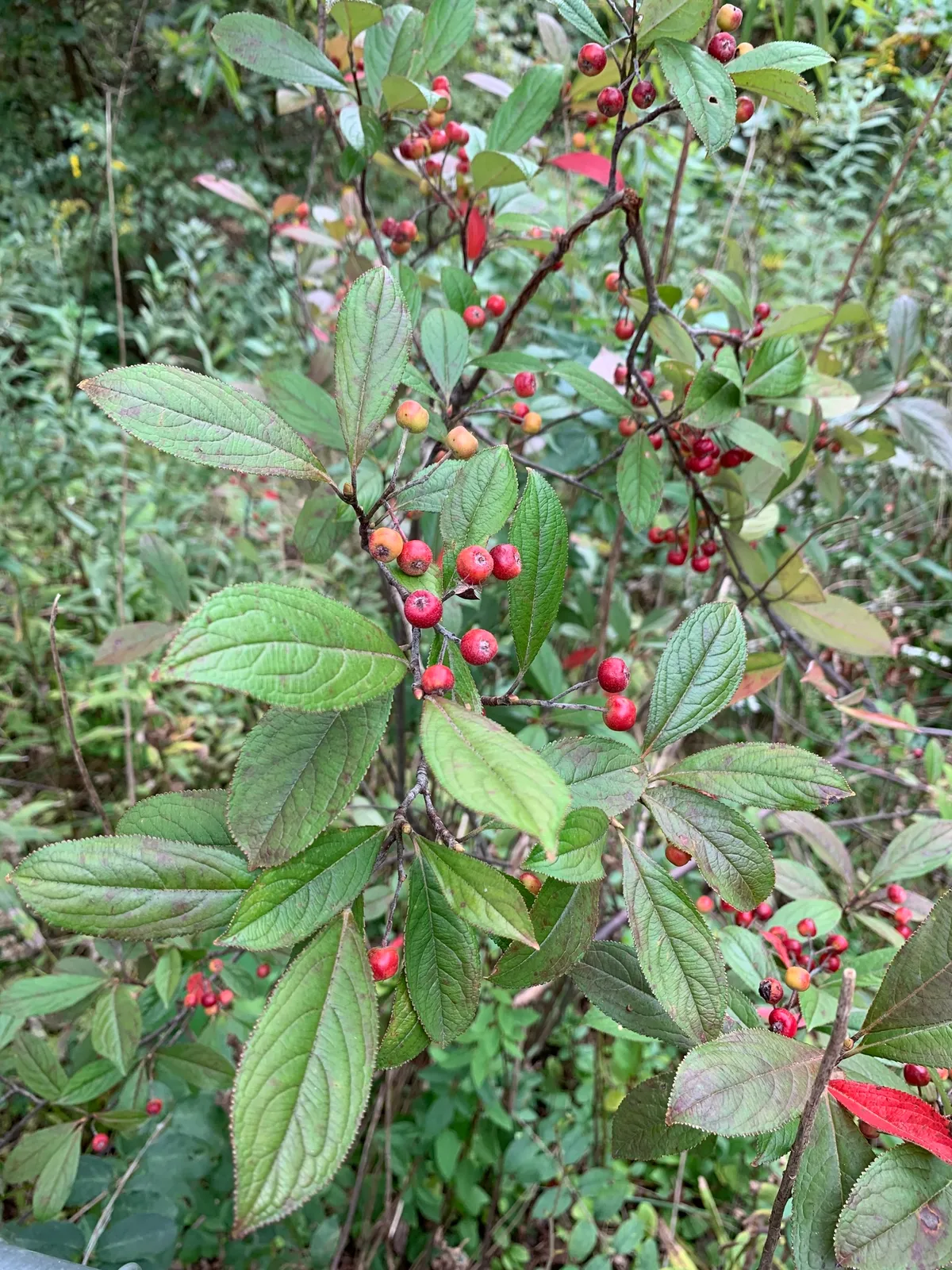
Spindle is not native to the United States. These natives fill a similar role in a planting, matched on bloom season, bloom color and mature size.
Before you buy
Your city may pay you to plant this
Cities and water utilities offer rebates for replacing lawn with native and water-wise plants. We track 459 programs across 44 states, each with a link to the provider and the date we last checked it.
Find rebates in your areaPicture natives in your own yard
Wondering what could grow where Spindle is now? Upload a photo of the spot and Patch Vision shows a rendering of it replanted with natives for your region.


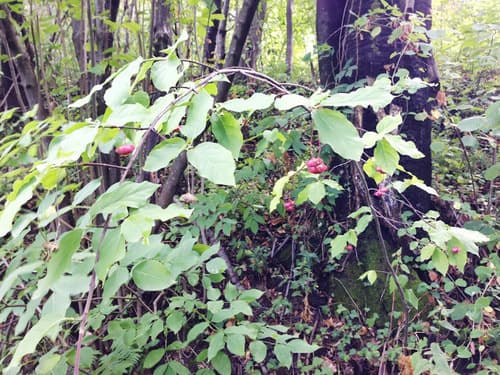
European spindle is a deciduous shrub that grows 10-20 feet tall and wide with an upright, rounded form. It produces small greenish flowers in spring followed by distinctive bright pink-orange seed capsules in fall. The foliage turns attractive shades of red and purple in autumn before dropping.
How to care for Spindle, by region
How to care for Spindle where it is actually grown: year-round basics plus what to do each season, region by region, with the sources for each.
Care guidance last updated: October 2026
Atlantic Coastal Pine Barrens (includes Riverhead, NY)
Year-round
European spindle tree is an easygoing shrub for sun or part shade that needs pruning to stay in bounds.
- Grows in full sun to part shade in well-drained soil, and it adapts to most soil types.
- Keep soil evenly moist, especially in full sun. Sandy Long Island soil dries fast, so mulch and water in dry spells.
- Prune to control its size and spread.
- Birds can spread the seeds, and NC State describes it as weedy to invasive, so removing berries before they drop is worth considering.
Fall
Fall brings color and berries, and it is the time to keep seeds from spreading.
- Fall color is best with more sun.
- Birds spread the seeds, so consider clipping off berry clusters before they drop.
- Water during dry autumns.
- Clear fallen leaves from around the base.
Winter
Winter is quiet, and a good time to plan pruning and check for unwanted seedlings.
- It is hardy in zone 7, so no winter wrap is needed.
- Remove dead or crossing branches on mild days.
- Pull any seedlings that popped up nearby.
- Hold off on fertilizer.
Spring
Spring is the time to prune for shape and check for scale.
- Prune to control size and spread.
- Look closely at stems for scale insects and treat early if you find them.
- Add mulch to hold moisture in sandy soil.
- Water if spring is dry.
Summer
Summer care is consistent moisture and a watch for leaf problems.
- Water during dry spells, especially in full sun.
- Look for leaf spots or powdery mildew in humid weather.
- Check stems for scale.
- Keep mulch off the trunk.
Sources: NC State Extension Plant Toolbox: Euonymus europaeus
In an HOA neighborhood
Spindle takes more care to keep looking intentional in a front yard. Maintenance level: moderate. Consider it for backyard or mid-zone beds rather than the street edge.
Works well in: backyard only.
- Non-native invasive species
- Large mature size may overwhelm smaller yards
- Toxic berries pose safety concerns
Wildlife value
The spring flowers attract bees and beetles for pollination. Birds may eat the colorful fall berries, though they are toxic to humans and pets.
Common questions
- How much sun does Spindle need?
- Spindle grows best in part shade conditions.
- When does Spindle bloom?
- Spindle blooms in April and May.
- What pollinators does Spindle attract?
- Spindle draws bees and beetles.
- Is Spindle HOA-friendly?
- Spindle takes more care to look intentional in a front yard. Consider it for backyard or mid-zone beds rather than the street edge.
Pollinator and host plant associations compiled from GBIF, iNaturalist, and published ecological literature.
If something looks wrong
Common plant problems, and what to check first
These come up on almost any plant. Each guide lists the likely causes in the order they are worth ruling out, with one thing to check before you act on any of them, and links to the source it came from.
- It is dying right after planting
- Leaves turning yellow
- Wilting even though I watered it
- Brown crispy leaf tips
- Bugs on the plant
Ready to grow Spindle? Add it to your garden in Pollinator Patch to track it and get season-by-season care guidance.