California Milkweed
Asclepias californica
Last reviewed: September 2026
California Milkweed is a drought tolerant forb that blooms from April through July in full sun. It suits dry, sunny slopes and low water gardens.
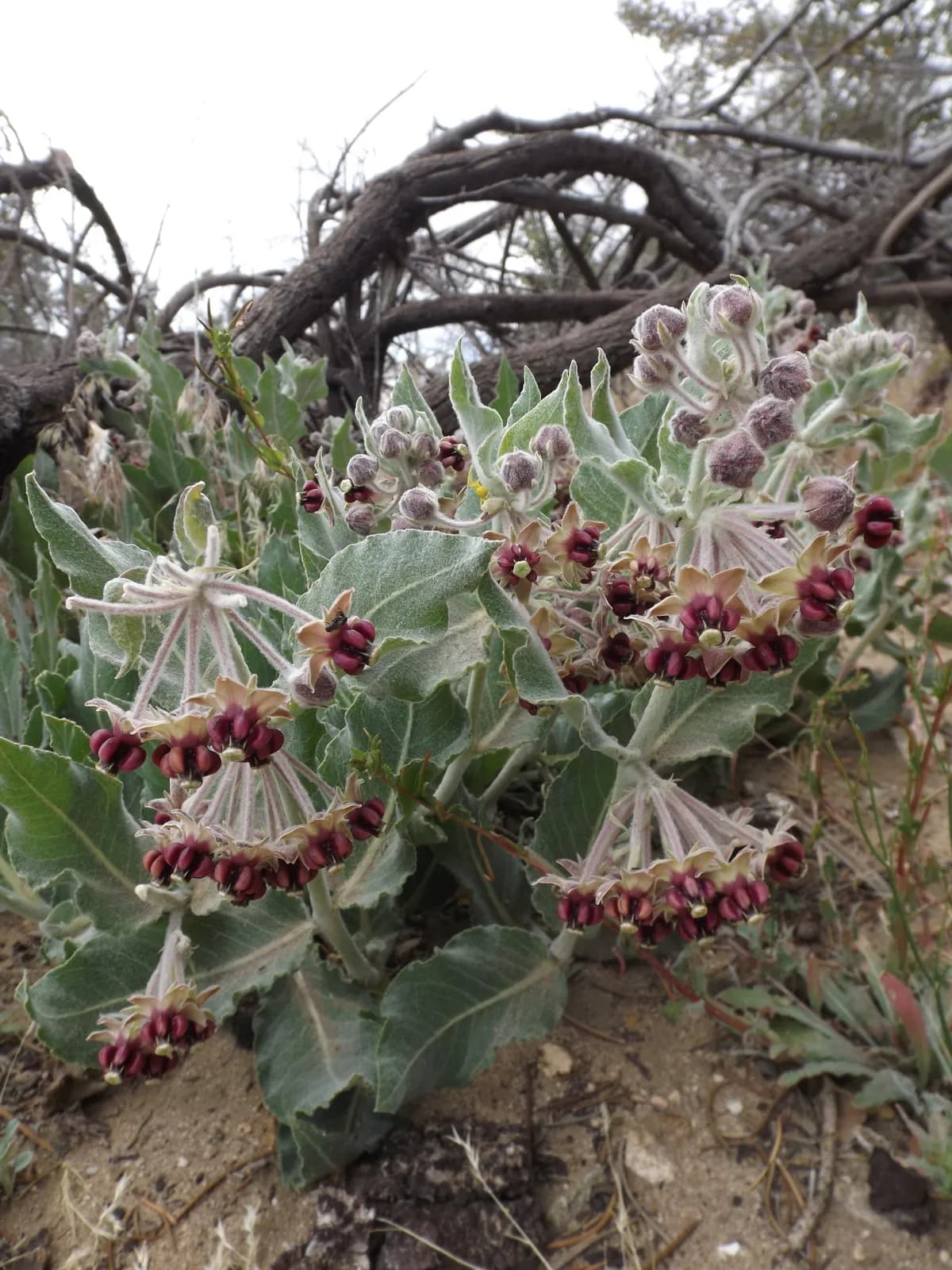
California Milkweed is toxic to dogs and cats.
Listed as toxic by the ASPCA Animal Poison Control Center (opens in new tab) (last reviewed 2026-06-03). If your pet has been exposed, call the ASPCA Animal Poison Control Center at (888) 426-4435 and your veterinarian's emergency line.
Pollinator Patch flags toxic plants so you can choose a pet-safe native alternative for your yard.
Is Milkweed Toxic to Dogs? covers the symptoms, what to do after exposure, and safe native swaps.
Native swaps for a yard with pets
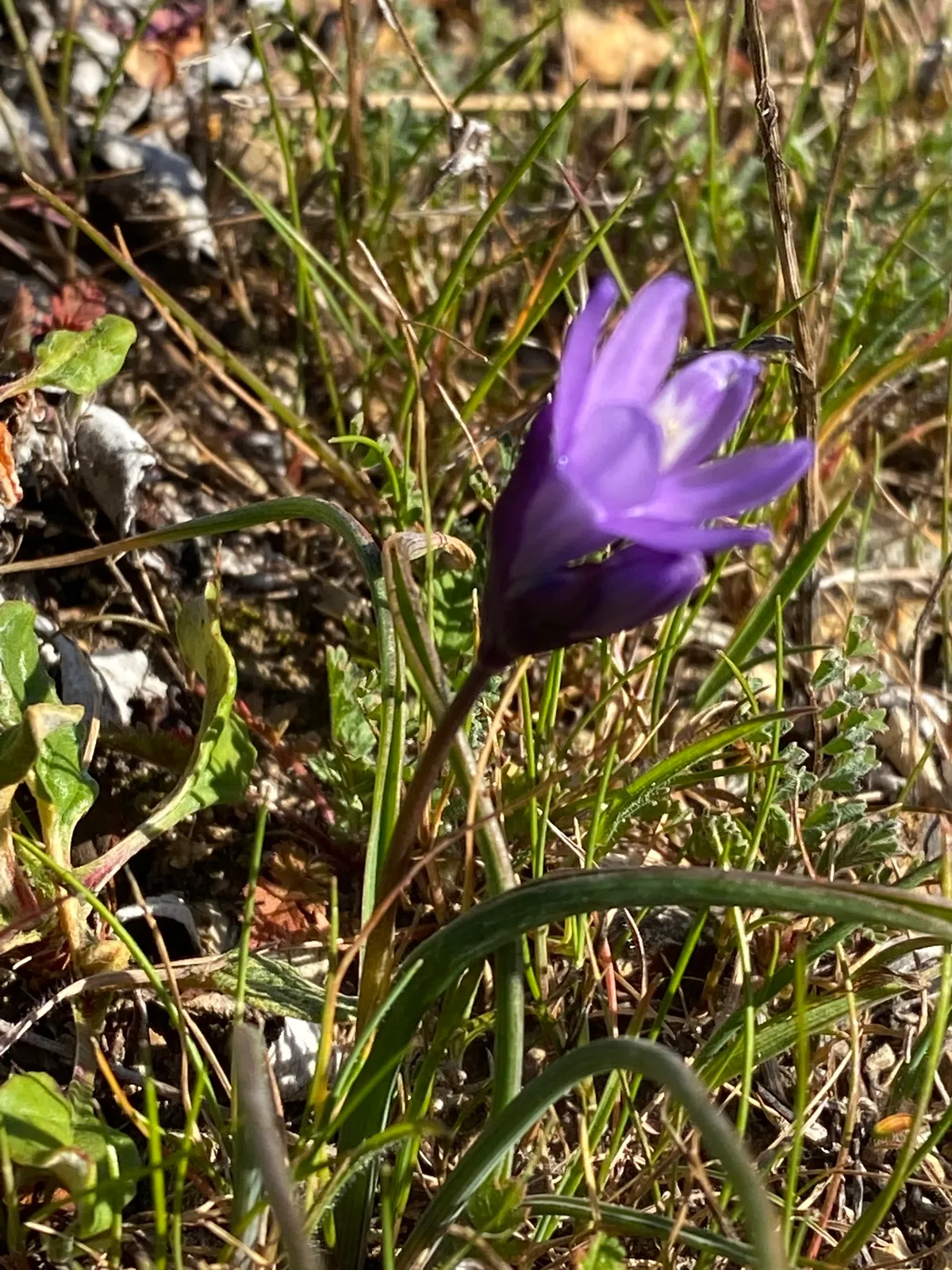
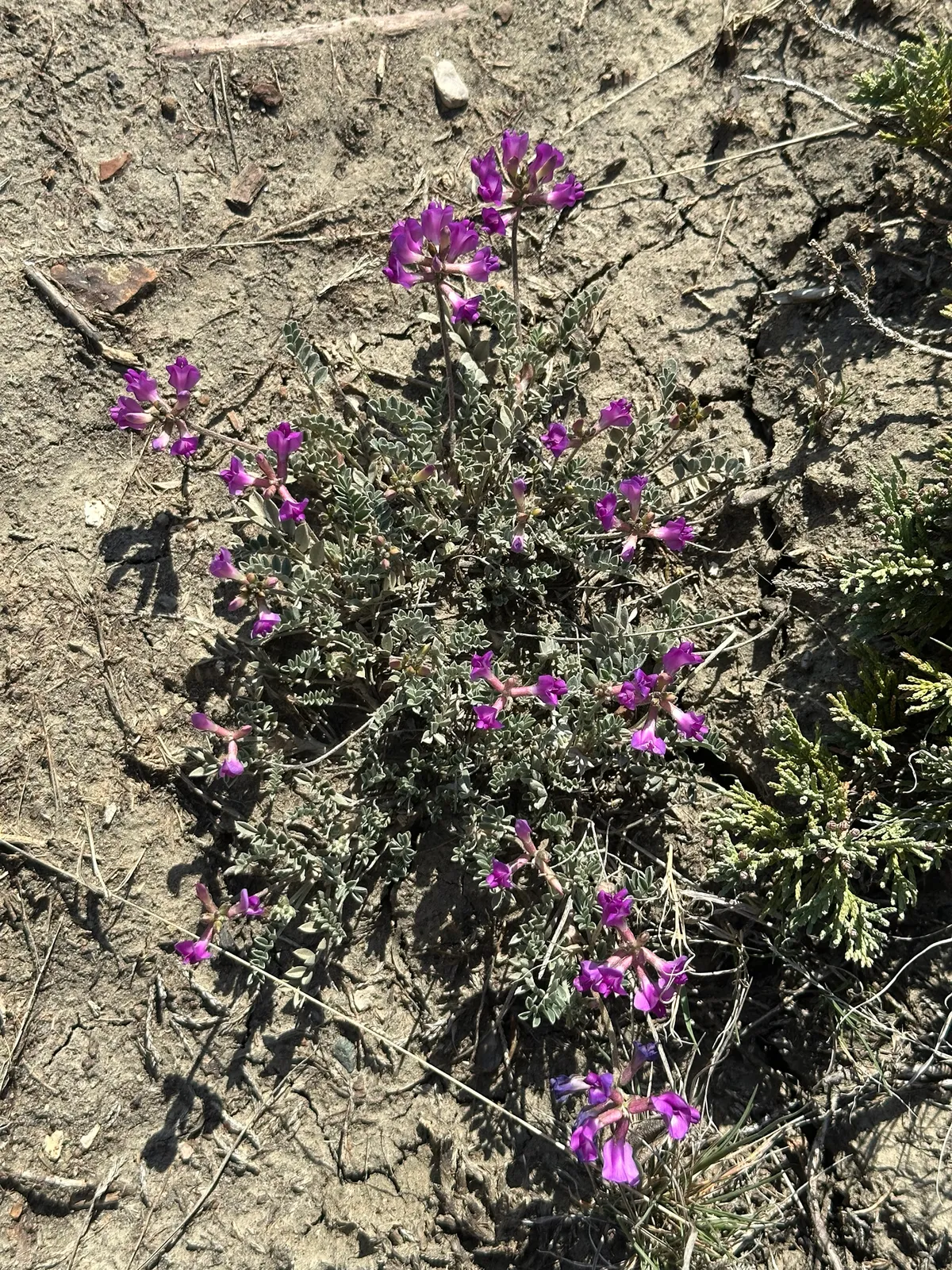
California Milkweed is listed as toxic to dogs by the ASPCA Animal Poison Control Center. These natives fill a similar role in a planting and are not on the ASPCA toxic plant list for dogs or cats. Each plant's page carries its dated record.

Light
full sun
Water
low
Size
12"–36" H × 18"–36" W
Bloom
Apr, May, Jun, Jul
Native to
CA
Pollinators
butterflies, bees, moths
Before you buy
Your city may pay you to plant this
Cities and water utilities offer rebates for replacing lawn with native and water-wise plants. We track 459 programs across 44 states, each with a link to the provider and the date we last checked it.
Find rebates in your areaPicture natives in your own yard
Upload a photo of your yard and Patch Vision shows a rendering of it planted with natives for your region, like California Milkweed.


Browse plants for this ecoregion
California milkweed is a drought-tolerant perennial that produces clusters of pink to white flowers from spring through summer. This compact native grows in a bushy form and goes dormant in winter, dying back to the ground before returning in spring.
Growing California Milkweed
Grow California Milkweed in full sun and low water. Mature plants reach 12 to 36 inches tall and spread 18 to 36 inches wide. Expect moderate maintenance to keep it looking intentional in a front yard.
How to care for California Milkweed, by region
How to care for California Milkweed where it is actually grown: year-round basics plus what to do each season, region by region, with the sources for each.
Care guidance last updated: October 2026
Central California Valley (includes Sacramento, CA)
Year-round
California milkweed is a sun-loving, drought-ready monarch plant that goes semi-dormant in summer.
- Calscape lists full sun, very low to low water needs, and summer watering of at most twice a month once established.
- It tolerates sand and clay, grows about 3 feet tall and wide, and tolerates cold to 5 degrees F.
- Calscape says it hosts 8 native butterfly and moth species and recommends planting only locally native milkweed for monarchs.
- ASPCA lists milkweed (Asclepias) as toxic to dogs, cats and horses, so keep pets from chewing it.
Fall
Fall needs almost nothing from you.
- Keep watering minimal because it is a low-water plant.
- Spent growth can die back as part of its summer semi-deciduous habit.
- Keep pets away from any fallen stems or leaves, per the ASPCA listing.
Winter
Winter cold is no problem for this plant.
- It tolerates cold down to 5 degrees F.
- Fast, medium or slow drainage is all listed, but soil that stays soggy is not described as suitable.
- Skip extra watering while it rests.
Spring
Spring is bloom time and a good moment to plant.
- It flowers in spring and summer in lavender, pink or white.
- Bees, butterflies, moths and hoverflies visit.
- Water young plants regularly while they establish, then ease off.
Summer
Summer is dry season, so water very little once established.
- Water no more than 2 times a month once established.
- Calscape lists it as summer semi-deciduous, so leaf loss is expected.
- Monarchs are confirmed visitors, so avoid pesticides near it.
Southern California/Northern Baja Coast (includes Los Angeles, CA)
Year-round
California milkweed grows natively in California, including the Transverse and Peninsular Ranges, the same mountain systems that frame the Los Angeles basin, plus the central Coast Ranges and southern Sierra Nevada foothills, in coastal sage scrub and chaparral. It is an early riser, breaking dormancy in March or April ahead of most other native milkweeds, which makes it valuable to monarch butterflies returning from coastal overwintering sites. It is a required host plant for monarch caterpillars, and the genus Asclepias is listed by the ASPCA as toxic to dogs, cats, and horses, so keep it out of spots where pets graze.
- Plant in full sun with fast to medium draining soil. It tolerates both sandy and clay ground once established.
- Once established, water no more than about twice a month during the dry season. More than that raises the risk of root rot in this drought-adapted plant.
- Expect the woolly gray-green foliage and lavender to pink flower clusters to die back later in the year. That is the plant following its natural growth and dormancy cycle, not a sign of trouble.
- Keep it out of areas where dogs or cats regularly graze on foliage. The milky sap contains cardiac glycosides.
Fall
By fall, California milkweed is typically dormant. The foliage has died back to the root crown while it waits out the dry season before the Mediterranean climate's winter rains return.
- Resist the urge to pull it out when it looks dead. The roots are alive underground and will resprout once the rains start.
- Mark the spot with a small stake or label so the dormant crown does not get weeded out or disturbed by mistake.
- Fall is a reasonable time to direct-sow seed if you want more plants, since seed gets the same rain cues the species is adapted to.
- Skip supplemental water on the dormant crown. Extra moisture during dormancy raises the risk of rot.
A small stake or label over the dormant crown keeps a bare-looking patch from reading as an abandoned or dead bed during a front-yard walk-through.
Winter
Winter is the wet season in the Los Angeles area's Mediterranean climate, and California milkweed's root system uses that rain to prepare for its early spring emergence, usually ahead of most other native milkweeds.
- The crown stays dormant through winter, so there is usually no top growth to care for yet.
- Winter rains typically supply what the dormant roots need. Supplemental water usually is not necessary in a normal rain year.
- This is a reasonable window to plant bare-root stock or container plants, since the coming rains help new roots establish before summer heat arrives.
- Watch for the first gray-green shoots as early as late winter. That is this species living up to its reputation as an early riser.
Spring
Spring is when California milkweed wakes up, often in March or April, well ahead of other native milkweed species. This is its main bloom window and the time monarchs returning from coastal overwintering sites need it most.
- This is the best time to plant new milkweed, while the Mediterranean climate's rains are still topping off the soil.
- Water new plantings deeply once or twice a week until roots establish, then taper off toward the twice-a-month schedule established plants prefer.
- Flower clusters open in shades of lavender to pink and draw a steady stream of native bees along with monarchs.
- Watch for aphids and milkweed bugs on new growth. A strong spray of water or hand removal usually keeps them in check.
Summer
Summer in the Los Angeles area is hot and dry, close to the conditions this plant evolved for. Established California milkweed needs very little supplemental water, and by late summer it starts winding down toward its dormant season.
- Established plants need water at most twice a month. More than that risks root rot in this drought-adapted species.
- Bloom can continue into early summer before flowering tapers off for the year.
- As days shorten, do not be surprised to see leaves yellow and drop. That is the start of its normal summer into fall dormancy.
- Caterpillars may strip leaves down to bare stems. That is the plant doing its job as a monarch host plant, not damage that needs fixing.
Sources: Calscape, Asclepias californica (California Milkweed) species profile (native range, light, water, soil, host plant value), Xerces Society, Why Monarchs Need Early-Season Milkweeds (California milkweed native range, early dormancy break, monarch host value), ASPCA, Toxic and Non-toxic Plants: Milkweed (Asclepias species toxic to dogs, cats, and horses), UC ANR Garden News & Views, Save the Monarch Butterfly: Grow California Native Milkweeds (planting window, watering schedule for California native milkweed)
In an HOA neighborhood
California Milkweed is an HOA-friendly choice in the right placement. Maintenance level: moderate. Tidiness: 2 out of 5.
Works well in: front yard, mid zone.
- Sprawling, woolly gray habit can read as weedy
- Goes dormant in summer heat and winter
Wildlife value
Host plant for monarch butterfly, queen butterfly.
Essential host plant for monarch butterflies and attracts a wide variety of native bees and moths. The flowers provide crucial nectar sources during the growing season.
Common questions
- When does California Milkweed bloom?
- California Milkweed typically flowers from April through July, producing clusters of dusty purple blooms on upright stems.
- How much water does California Milkweed need?
- This plant is adapted to low water conditions and does best with infrequent irrigation once established, similar to other dryland milkweeds.
- What pollinators visit California Milkweed?
- Butterflies, bees, and moths visit California Milkweed for nectar, and it also serves as a host plant for monarch caterpillars.
- What growing conditions does California Milkweed prefer?
- It grows best in full sun with well drained, dry soil, making it a good fit for hot, exposed sites and low water landscaping.
- Is California Milkweed toxic to dogs?
- Yes. California Milkweed is listed as toxic to dogs by the ASPCA Animal Poison Control Center (aspca.org). If your pet has been exposed, call the ASPCA Animal Poison Control Center at (888) 426-4435.
- Is California Milkweed toxic to cats?
- Yes. California Milkweed is listed as toxic to cats by the ASPCA Animal Poison Control Center (aspca.org). If your cat has been exposed, call the ASPCA Animal Poison Control Center at (888) 426-4435.
- Is California Milkweed HOA-friendly?
- California Milkweed is generally an HOA-friendly choice in the right placement, with moderate maintenance.
These answers were drafted with an AI model from this plant's data. Verify care details with a local expert.
Native range data from vouchered herbarium specimen records and regional native plant society lists. Pollinator and host plant associations compiled from GBIF, iNaturalist, and published ecological literature.
If something looks wrong
Common plant problems, and what to check first
These come up on almost any plant. Each guide lists the likely causes in the order they are worth ruling out, with one thing to check before you act on any of them, and links to the source it came from.
- It is dying right after planting
- Leaves turning yellow
- Wilting even though I watered it
- Brown crispy leaf tips
- Bugs on the plant
Pollinator Patch flags toxic plants like California Milkweed and shows pet-safe natives for your ecoregion instead.