Littleleaf Pussytoes
Antennaria microphylla
Last reviewed: September 2026
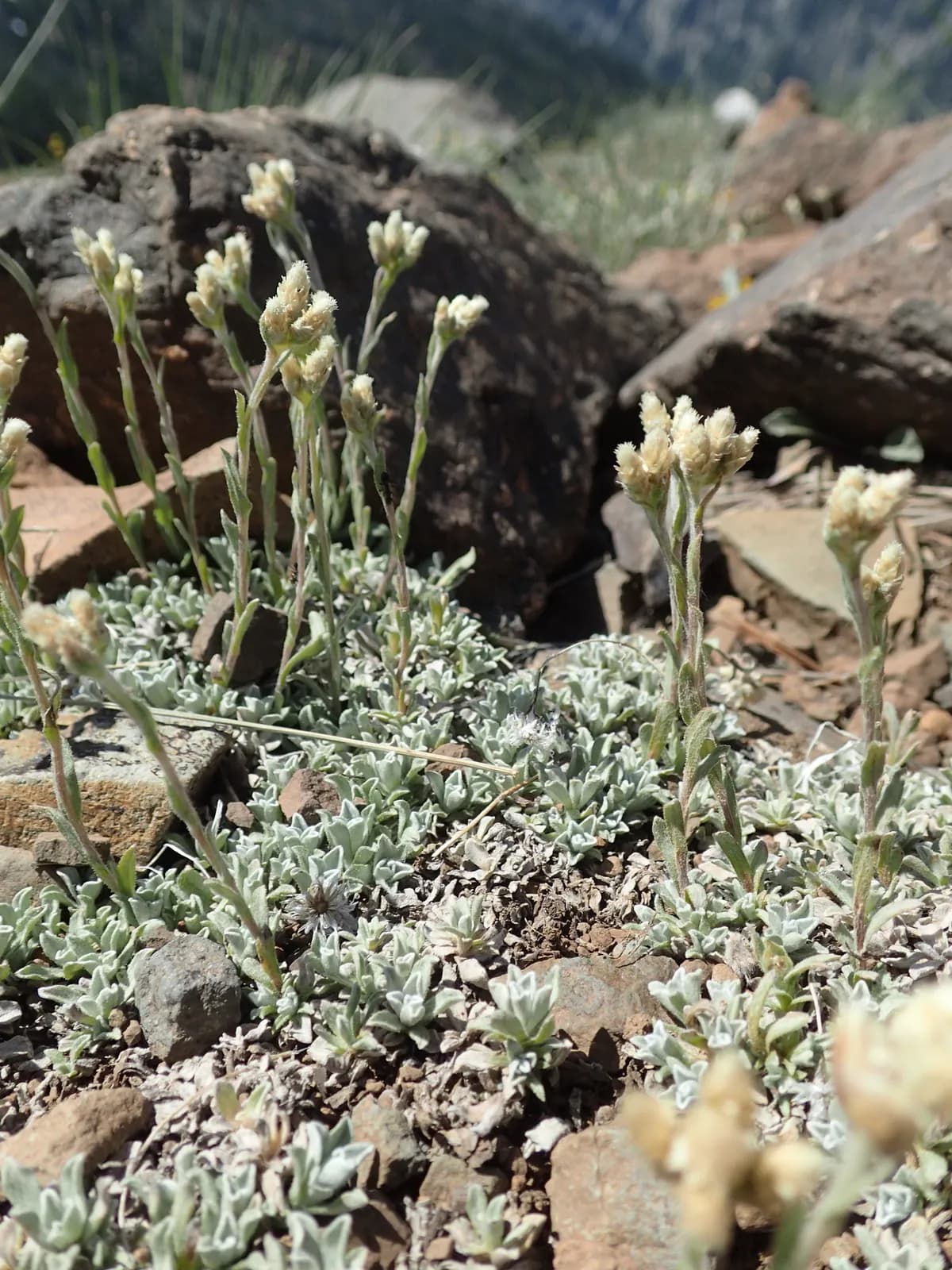
Antennaria microphylla is a low-growing forb that blooms May through July, thriving in full sun with low water needs on dry rocky slopes and open meadows across the western United States.
Toxicity unknown
Littleleaf Pussytoes (Antennaria microphylla) is not listed by the ASPCA Animal Poison Control Center (opens in new tab) or the other sources we check, so we have no verdict for it either way. Absence from those lists is not a clearance. If your pet shows symptoms after eating any plant, call the ASPCA at (888) 426-4435.
The USDA PLANTS Database (opens in new tab) does not flag Littleleaf Pussytoes as toxic to livestock.
Light
full sun
Water
low
Size
2"–10" H × 4"–12" W
Bloom
May, Jun, Jul
Native to
AZ, CA, CO, ID and 11 more states
Pollinators
bees, beetles
Before you buy
Your city may pay you to plant this
Cities and water utilities offer rebates for replacing lawn with native and water-wise plants. We track 459 programs across 44 states, each with a link to the provider and the date we last checked it.
Find rebates in your areaPicture natives in your own yard
Upload a photo of your yard and Patch Vision shows a rendering of it planted with natives for your region, like Littleleaf Pussytoes.


Browse plants for this ecoregion
Littleleaf pussytoes is a low-growing native groundcover that forms dense mats of small, silvery-green leaves. This drought-tolerant perennial produces small white fuzzy flower clusters from May through July and stays green year-round.
Growing Littleleaf Pussytoes
Grow Littleleaf Pussytoes in full sun and low water. Mature plants reach 2 to 10 inches tall and spread 4 to 12 inches wide. Expect low maintenance to keep it looking intentional in a front yard.
How to care for Littleleaf Pussytoes, by region
How to care for Littleleaf Pussytoes where it is actually grown: year-round basics plus what to do each season, region by region, with the sources for each.
Care guidance last updated: October 2026
Lake Agassiz Plain (includes Fargo, ND)
Year-round
Year-round care for littleleaf pussytoes around Fargo, ND: full sun and well-drained, lean soil.
- It prefers full sun.
- It does best in well-drained, shallow, nutrient-poor or ordinary garden soil.
- It needs low to very low supplemental water.
- It grows 4 to 12 inches tall.
- Basal leaves die back somewhat after flowering and regrow by later summer.
- Shear off flower stalks in late spring to keep a solid groundcover.
A low gray-green mat with short flower stalks, kept neat by shearing the stalks after bloom.
Sources: Utah State University Extension: Antennaria microphylla, Minnesota Wildflowers: Antennaria microphylla
Mojave Basin and Range (includes Victorville, CA)
Year-round
Littleleaf Pussytoes is a low, mat-forming groundcover that in the wild grows in cool mountain meadows, not on the low desert floor, so in Victorville it needs some help to feel at home. With some afternoon shade, better soil, and a little extra water, it can still work as a small accent planting.
- Plant it where it gets shade from the strongest afternoon sun, ideally the east or north side of a wall, fence, or larger shrub. In the wild this plant grows in cool, high mountain meadows, not on the low desert floor, so full unblocked desert sun and heat will stress it.
- Work compost or a loam-based garden soil into the planting hole rather than relying on Victorville's native sandy desert soil as is. This plant grows poorly in pure sandy soil and prefers loamy or clay ground.
- Consider a raised bed, berm, or large container instead of open desert ground. That makes it easier to give this plant the cooler root zone and steadier moisture it is used to in its mountain habitat.
- Give it regular water through the hot months, more than most Mojave-native groundcovers need. Let the top inch of soil dry between waterings, but do not let the root zone go bone dry for long stretches in summer.
- It does not appear on the ASPCA's toxic plant lists for dogs or cats, so it is a lower-risk groundcover choice if pets spend time in the yard.
- The genus this plant belongs to, Antennaria (pussytoes), is a documented caterpillar host plant for the American Lady butterfly, so a healthy patch can support more than just its own flowers.
Its low, spreading mat stays under a foot tall, giving it an HOA-friendly, tidy profile along a front walkway or border.
Fall
Fall's cooling temperatures make it a good stretch to plant or divide Littleleaf Pussytoes in Victorville, once the worst of the summer heat has passed.
- Once nighttime lows drop and daytime heat eases, fall is a good time to plant new Littleleaf Pussytoes or divide an established mat, giving roots time to settle in before next summer's heat.
- Keep watering regularly through early fall, since Victorville stays warm and dry into September and October. Do not switch to a lighter winter watering schedule too early.
- Trim off spent flower stalks and any heat-damaged foliage from summer to tidy the mat and encourage fresh low growth.
- As nights cool, expect growth to slow down. That is a normal seasonal shift for this species, not a sign of a problem.
- If you are amending soil or building a raised bed for this plant, fall is a low-stress time to get that work done before winter.
Winter
Winter is mild in Victorville and closer to the cooler conditions Littleleaf Pussytoes is used to, so this is typically the lowest-maintenance season for it.
- Cut back watering in winter. The plant slows down, and Victorville's cooler winter temperatures mean the soil stays moist longer between waterings.
- Light winter frost, typical for this area's USDA zone 8b conditions, is not usually a problem for this species, since it comes from mountain climates with much harsher winters.
- Leave the low foliage mat in place over winter rather than cutting it back hard. It protects the crown and roots through any cold snaps and cool, gray weather.
- Skip fertilizer through winter. This plant does not need feeding during its slower winter growth period.
- Use the mild winter weeks to plan or install shade cloth, taller companion plants, or a shadier microclimate spot for summer, since the plant will need that protection again once the heat returns.
Spring
Spring is when Littleleaf Pussytoes puts on its show, with small white to pale pink flower clusters opening above the fuzzy gray-green foliage.
- Expect small white to pale pink flower clusters starting in mid spring and continuing into early summer.
- This is the plant's active growth period, so keep soil evenly moist, not soggy, rather than letting it dry out for long stretches while new growth and flowers are forming.
- Spring in Victorville still brings cool nights and the occasional light frost at this elevation, which is closer to the cool climate this species comes from in its mountain range, so it is typically the easiest season for it here.
- Skip fertilizer. This plant comes from naturally low-nutrient mountain meadow soil and does not need feeding to bloom well.
- If you started plants in a container or raised bed over winter, check in spring that freeze-thaw cycles have not pushed the crowns partway out of the soil, and firm them back in if needed.
Summer
Summer is the hardest season for Littleleaf Pussytoes in Victorville's high desert heat, since this plant is naturally a cool mountain meadow species and was never built for long stretches of triple-digit days.
- Move container-grown plants to a spot that gets shade during the hottest afternoon hours, or use shade cloth over in-ground plantings during heat waves.
- Increase watering frequency in summer. This species is not drought-adapted the way most Mojave-native groundcovers are, and it can decline quickly if the root zone stays hot and dry for long.
- Watch for scorched, browned, or crispy foliage edges. That is a sign of heat and sun stress, not a pest or disease problem, and usually means the plant needs more shade or more water.
- Hold off on planting new Littleleaf Pussytoes in mid summer. Young plants are most vulnerable to heat stress before their roots are established, so fall or spring planting is a better bet.
- If a patch dies back completely during a severe heat spell, treat it as a sign that spot is too exposed, and choose a more shaded planting spot rather than replanting in the exact same place.
Sources: Calscape: Littleleaf Pussytoes (Antennaria microphylla), USDA Forest Service Fire Effects Information System: Antennaria microphylla, ASPCA Toxic and Non-Toxic Plant List: Dogs, ASPCA Toxic and Non-Toxic Plant List: Cats, USDA Forest Service Plant of the Week: Antennaria rosea (pussytoes as American Lady host plant), Lady Bird Johnson Wildflower Center: Antennaria microphylla
Northern Glaciated Plains (includes Aberdeen, SD)
Year-round
Year-round care for littleleaf pussytoes around Aberdeen, SD: full sun and well-drained, lean soil.
- It prefers full sun.
- It does best in well-drained, shallow, nutrient-poor or ordinary garden soil.
- It needs low to very low supplemental water.
- It grows 4 to 12 inches tall.
- Basal leaves die back somewhat after flowering and regrow by later summer.
- Shear off flower stalks in late spring to keep a solid groundcover.
A low gray-green mat with short flower stalks, kept neat by shearing the stalks after bloom.
Sources: Utah State University Extension: Antennaria microphylla, Minnesota Wildflowers: Antennaria microphylla
In an HOA neighborhood
Littleleaf Pussytoes is an HOA-friendly choice. Maintenance level: low. Tidiness: 4 out of 5.
Works well in: front yard, foundation, street edge, mid zone.
Wildlife value
The flowers attract native bees and beetles during its spring and summer blooming period. Its low mat-forming growth provides shelter for small beneficial insects.
Common questions
- When does Antennaria microphylla bloom?
- Antennaria microphylla typically flowers from May through July, producing small clustered heads on short stems above a mat of silvery basal leaves.
- How much water does Antennaria microphylla need?
- This plant tolerates low water conditions and is well suited to dry, well-drained sites such as rocky slopes, open grasslands, and sagebrush steppe.
- What pollinators visit Antennaria microphylla?
- Bees and beetles are the primary visitors to Antennaria microphylla, drawn to its small clustered flower heads during the summer bloom period.
- What growing conditions does Antennaria microphylla prefer?
- It grows best in full sun with lean, fast-draining soil, forming a low mat that spreads slowly across open, sunny ground.
- What does Antennaria microphylla look like when not in bloom?
- Outside of bloom, the plant forms a low rosette of small, woolly, silver-green leaves that stay close to the ground and persist through much of the year.
- Is Littleleaf Pussytoes toxic to livestock?
- The USDA PLANTS Database does not flag Littleleaf Pussytoes as toxic to livestock.
- Is Littleleaf Pussytoes HOA-friendly?
- Littleleaf Pussytoes is generally an HOA-friendly choice in the right placement, with low maintenance.
These answers were drafted with an AI model from this plant's data. Verify care details with a local expert.
Native range data from vouchered herbarium specimen records and regional native plant society lists. Pollinator and host plant associations compiled from GBIF, iNaturalist, and published ecological literature.
If something looks wrong
Common plant problems, and what to check first
These come up on almost any plant. Each guide lists the likely causes in the order they are worth ruling out, with one thing to check before you act on any of them, and links to the source it came from.
- It is dying right after planting
- Leaves turning yellow
- Wilting even though I watered it
- Brown crispy leaf tips
- Bugs on the plant
Ready to grow Littleleaf Pussytoes? Add it to your garden in Pollinator Patch to track it and get season-by-season care guidance.