German Iris
Iris germanica
Last reviewed: October 2026
German Iris (Iris germanica) is a perennial forb. It blooms in May and June. The flowers draw bees and beetles.
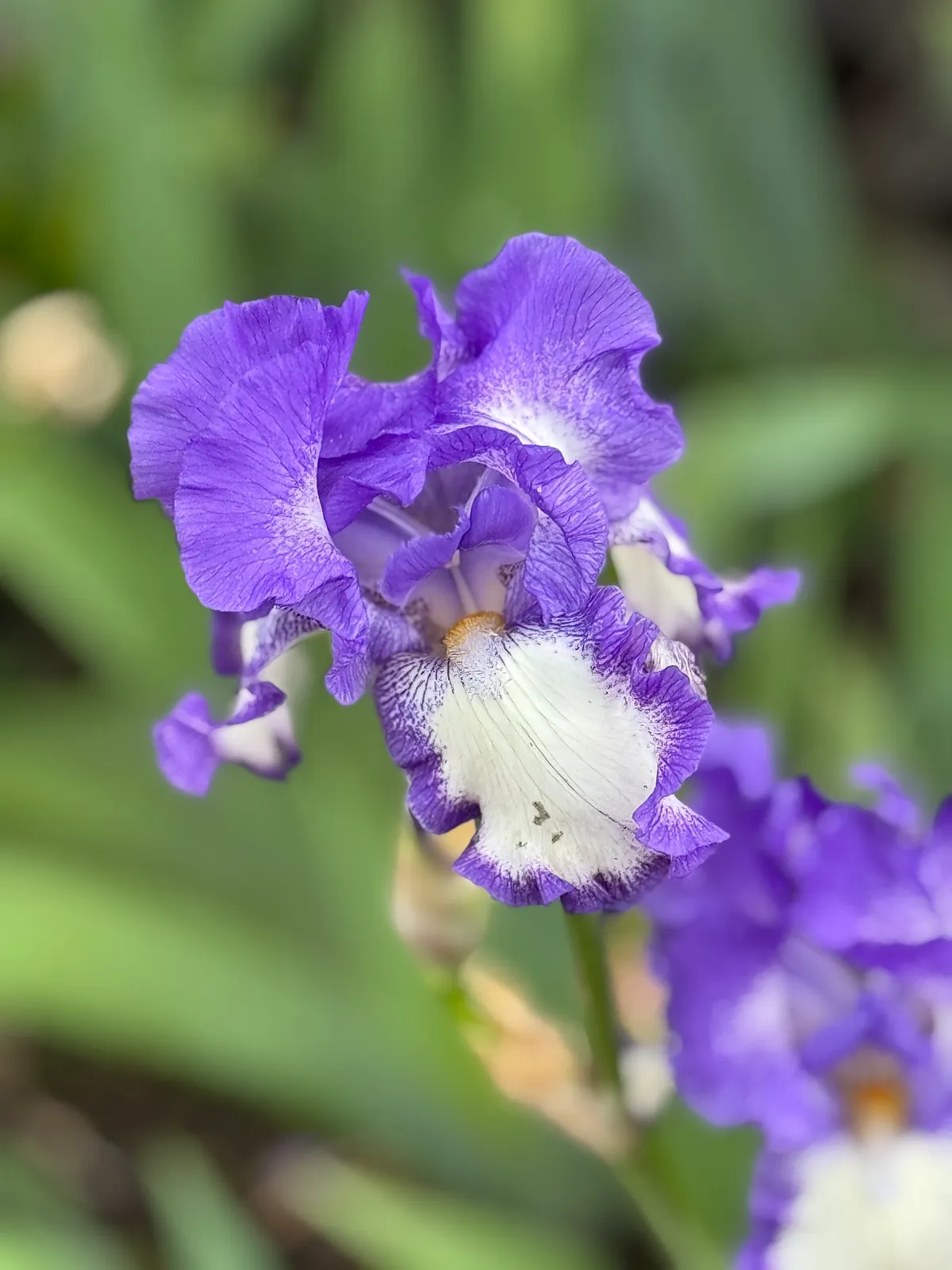
German Iris is toxic to dogs and cats.
Listed as toxic by the ASPCA Animal Poison Control Center (opens in new tab) (last reviewed 2026-05-21). If your pet has been exposed, call the ASPCA Animal Poison Control Center at (888) 426-4435 and your veterinarian's emergency line.
Pollinator Patch flags toxic plants so you can choose a pet-safe native alternative for your yard.
Light
full sun
Water
low
Size
12"–36" H × 12"–24" W
Bloom
May, Jun
Pollinators
bees, beetles
Native alternatives to German Iris
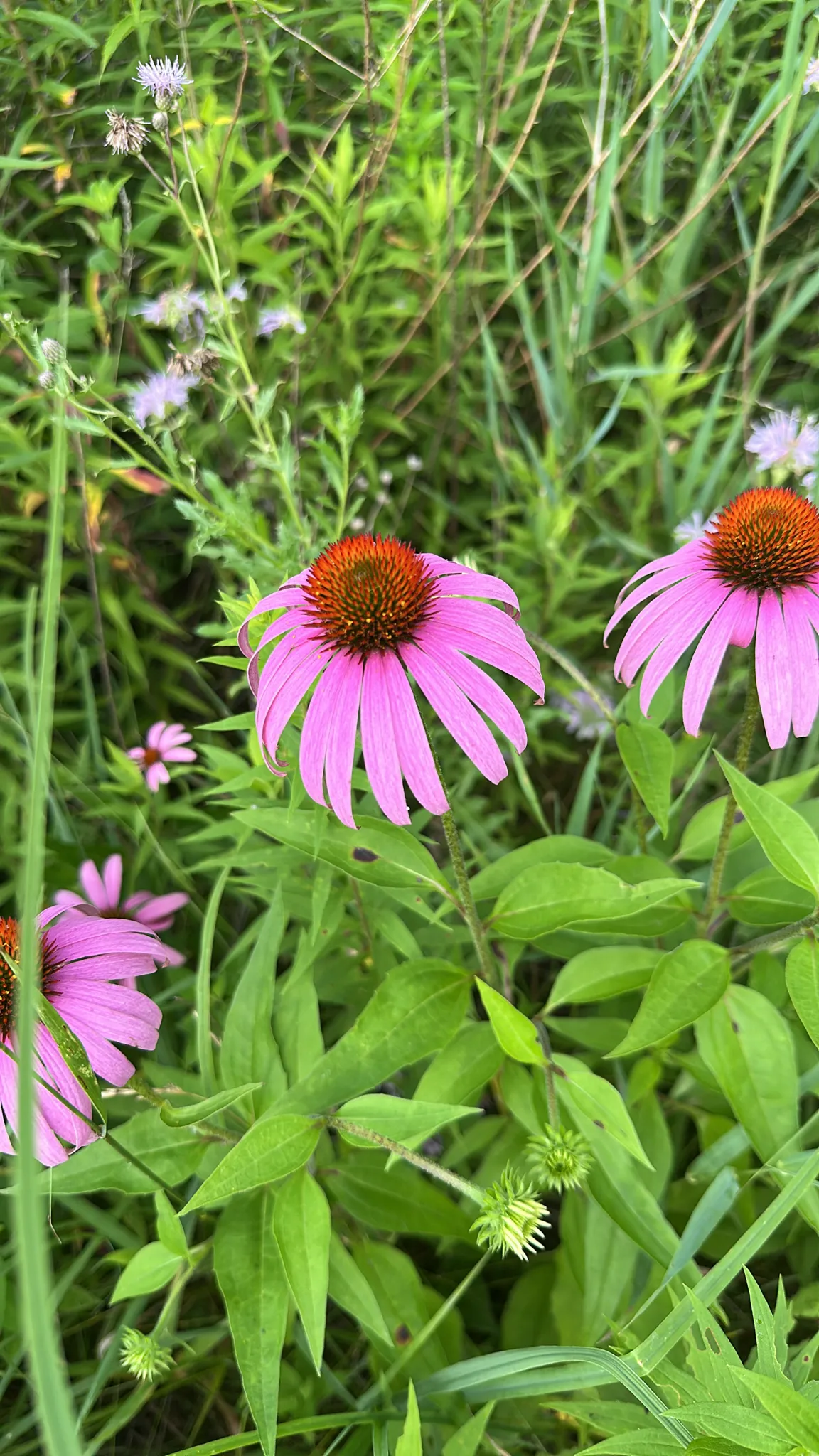
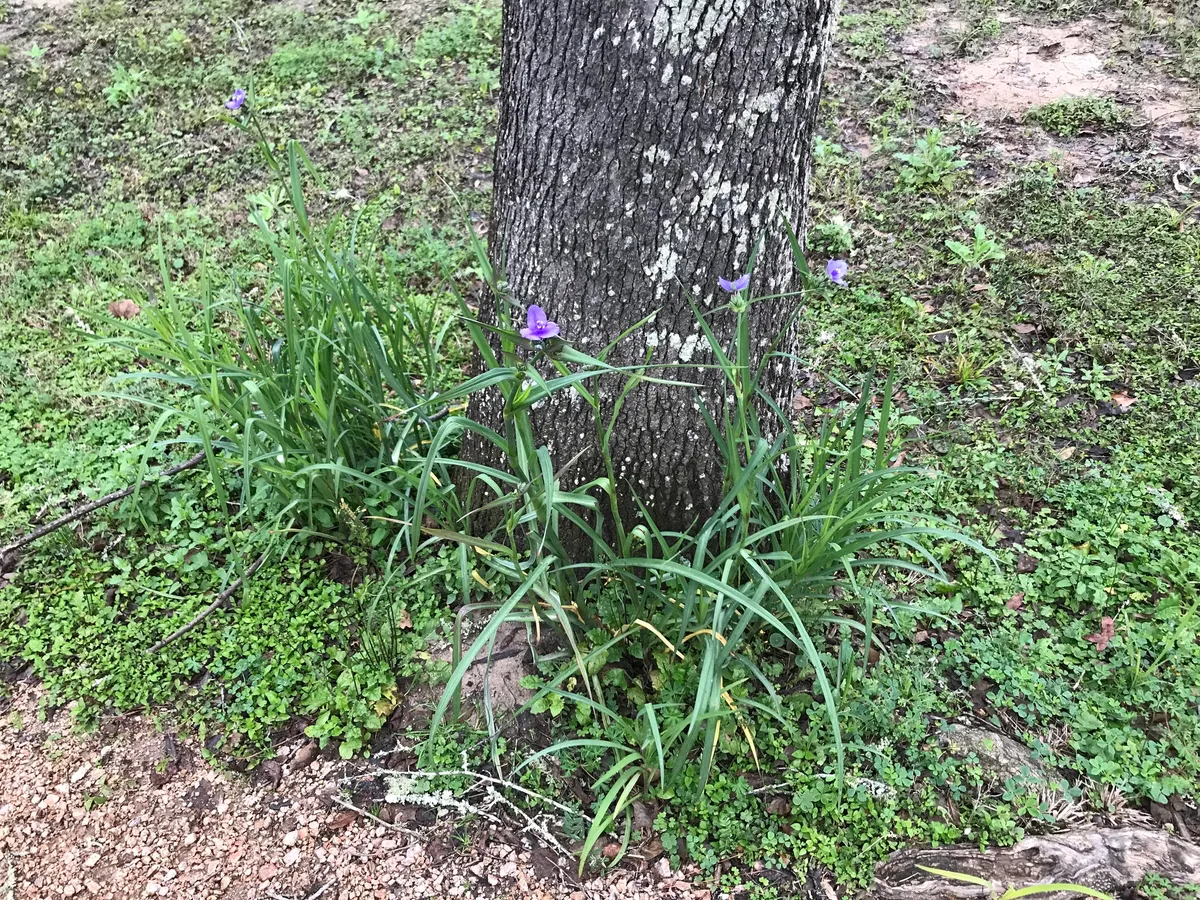
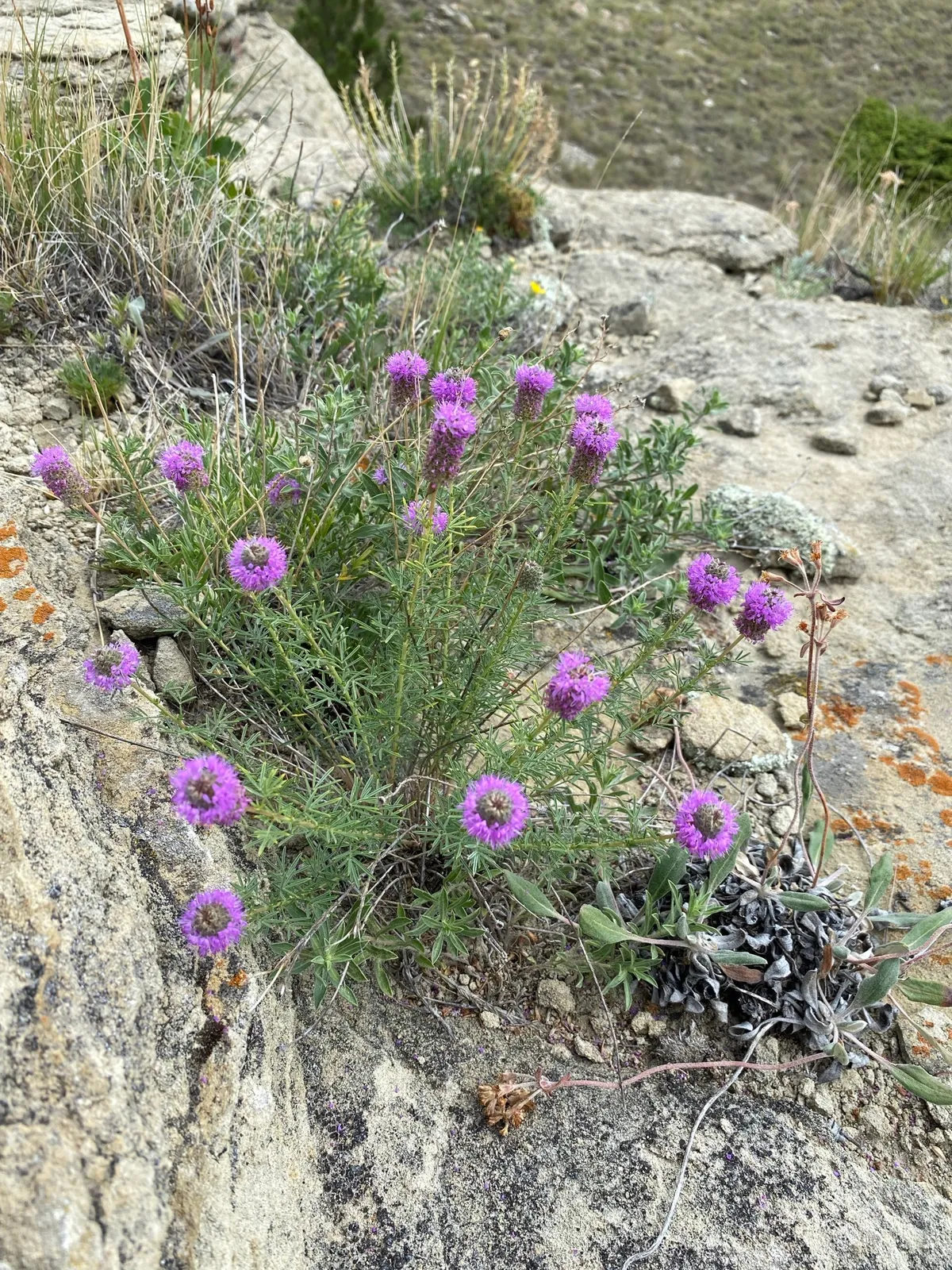
German Iris is not native to the United States. These natives fill a similar role in a planting, matched on bloom season, bloom color and mature size.
Before you buy
Your city may pay you to plant this
Cities and water utilities offer rebates for replacing lawn with native and water-wise plants. We track 459 programs across 44 states, each with a link to the provider and the date we last checked it.
Find rebates in your areaPicture natives in your own yard
Wondering what could grow where German Iris is now? Upload a photo of the spot and Patch Vision shows a rendering of it replanted with natives for your region.


German iris produces distinctive sword-like leaves and showy purple, blue, or white flowers in late spring. This classic perennial forms neat clumps that work well in formal garden beds and requires minimal water once established.
Growing German Iris
Grow German Iris in full sun and low water. Mature plants reach 12 to 36 inches tall and spread 12 to 24 inches wide. Expect low maintenance to keep it looking intentional in a front yard.
How to care for German Iris, by region
How to care for German Iris where it is actually grown: year-round basics plus what to do each season, region by region, with the sources for each.
Care guidance last updated: September 2026
Central Great Plains (includes Oklahoma City, OK)
Year-round
German Iris, also called Bearded Iris, comes from the Mediterranean and southern Europe, not from Oklahoma or anywhere in the US, but it is a tough, easy perennial in Oklahoma City's zone 7a climate once it has sun and good drainage.
- Give it at least 6 hours of direct sun and well-drained soil, wet clay around the rhizome causes rot.
- Plant or replant with the top of the rhizome showing above the soil line, burying it too deep is a common reason it will not bloom.
- Water deeply, then let the soil dry out between waterings. It handles Oklahoma summer heat and short dry spells well once established.
- Divide crowded clumps every three to four years in late summer to keep blooms strong.
- Keep dogs and cats from digging up or chewing the rhizomes. The ASPCA lists the whole plant as toxic under the genus Iris, not this species by name specifically, but German Iris shares that genus and the same toxic compounds, and the rhizome carries the highest concentration.
Fall
Fall stays mild in Oklahoma City until the first frost, usually early to mid November, and it is a good second window to plant or move German Iris divisions before the soil cools further.
- Finish any dividing or transplanting by early October so new divisions have a few weeks to root before the soil turns cold.
- Cut back and remove yellowing or diseased leaves, this reduces places where iris borer eggs or fungal spores can overwinter.
- Skip heavy fertilizing in fall, it can push soft new growth right before frost.
- Keep mulch off the rhizome itself. Piling it on top holds moisture against the rhizome and can cause rot over winter. Mulch around it instead.
- Watch the forecast for the first frost, typically early to mid November in the OKC area, and finish cleanup before then.
Cutting back yellowing foliage before frost keeps the bed looking cared for through the dormant months instead of looking abandoned.
Winter
Winter is mild for German Iris in Oklahoma City. The plant is hardy well below this area's typical lows, so it mostly just needs to be left alone and kept from sitting in wet leaves.
- Leave the plant alone through most of winter, German Iris is hardy to conditions much colder than Oklahoma City typically sees, so no wrapping or covering is needed.
- Do not pile mulch or fallen leaves over the rhizome. Trapped moisture in a wet Oklahoma winter is more likely to cause rot than the cold is to cause damage.
- After a hard freeze or ice storm, check whether any rhizomes have heaved partway out of the soil, and press them back down if they have.
- Keep the bed clear of soggy leaf litter, standing water sitting against the rhizome over winter is the bigger risk here, not the cold itself.
- Hold off on fertilizer until new growth resumes in spring.
Keeping the bed clear of soggy leaf litter over winter helps it read as tended rather than neglected, even while everything is dormant.
Spring
Spring is bloom season for German Iris in Oklahoma City, with flowers usually opening in April and May right around the last frost date.
- Wait until after the last frost, usually mid April in the OKC area, before cutting back any winter-damaged leaves.
- Feed lightly with a low-nitrogen fertilizer as new leaf fans emerge. Too much nitrogen pushes soft growth that is more prone to rot.
- Remove only the ragged, brown leaves from last year and leave healthy green fans standing, they feed the rhizome through bloom.
- Watch for notched or streaked leaves, a sign of iris borer, and pull off affected leaves as soon as you spot them.
- Stake tall bloom stalks in open or windy spots so spring storms do not snap them.
Clearing out winter-damaged leaves before bloom keeps the bed looking tended instead of neglected, which helps if the HOA does a spring walk-through.
Summer
Summer in Oklahoma City is hot and can turn dry, and it is the best time to dig up and divide any German Iris clump that has stopped blooming well.
- Water deeply during long dry spells, but let the soil surface dry between waterings, soggy rhizomes rot fast in Oklahoma summer heat.
- Six to eight weeks after bloom ends, usually July or August here, dig up and divide any clump that has gone bare in the middle.
- Trim leaf fans back to about a third of their height in a fan shape before replanting divisions, this cuts water loss while new roots form.
- Wear gloves when cutting rhizomes and keep pets away from the exposed pieces while you work. The ASPCA's Iris listing is genus-level, not specific to German Iris by name, but it shares the genus, and the rhizome is the most toxic part if chewed or eaten.
- Space new divisions 12 to 24 inches apart in full sun with the rhizome top left exposed.
Trimming iris leaves into a neat fan shape after dividing looks intentional rather than hacked back, which helps if the bed is visible from the street.
Sources: ASPCA Toxic and Non-Toxic Plants, Iris, NC State Extension Gardener Plant Toolbox, Iris x germanica, National Weather Service Norman, OK, Climatological Averages and Records
In an HOA neighborhood
German Iris takes more care to keep looking intentional in a front yard. Maintenance level: low. Consider it for backyard or mid-zone beds rather than the street edge.
Works well in: front yard, foundation, street edge, mid zone.
- Foliage may look shabby after blooming if not maintained
Wildlife value
The large, colorful blooms attract bees and beetles during the May-June flowering period. The sturdy flower structure provides good landing platforms for pollinators.
Common questions
- When does German Iris bloom?
- German Iris blooms in May and June, producing large, distinctive flowers with characteristic beard-like structures on the lower petals.
- What pollinators visit German Iris?
- German Iris attracts bees and beetles, which are drawn to the flowers for nectar and pollen during the spring blooming period.
- Where is German Iris native in the United States?
- German Iris is native to Alabama, Illinois, Kentucky, Maryland, Minnesota, New York, Tennessee, Utah, and Wisconsin.
- How much water does German Iris need?
- German Iris has low water requirements and is quite drought tolerant once established, making it suitable for xeriscaping and water-wise gardens.
- Is German Iris toxic to dogs?
- Yes. German Iris is listed as toxic to dogs by the ASPCA Animal Poison Control Center (aspca.org). If your pet has been exposed, call the ASPCA Animal Poison Control Center at (888) 426-4435.
- Is German Iris toxic to cats?
- Yes. German Iris is listed as toxic to cats by the ASPCA Animal Poison Control Center (aspca.org). If your cat has been exposed, call the ASPCA Animal Poison Control Center at (888) 426-4435.
- Is German Iris HOA-friendly?
- German Iris takes more care to look intentional in a front yard. Consider it for backyard or mid-zone beds rather than the street edge.
These answers were drafted with an AI model from this plant's data. Verify care details with a local expert.
Pollinator and host plant associations compiled from GBIF, iNaturalist, and published ecological literature.
If something looks wrong
Common plant problems, and what to check first
These come up on almost any plant. Each guide lists the likely causes in the order they are worth ruling out, with one thing to check before you act on any of them, and links to the source it came from.
- It is dying right after planting
- Leaves turning yellow
- Wilting even though I watered it
- Brown crispy leaf tips
- Bugs on the plant
Pollinator Patch flags toxic plants like German Iris and shows pet-safe natives for your ecoregion instead.