Western Wallflower
Erysimum asperum
Last reviewed: September 2026
Western Wallflower (Erysimum asperum) is a full sun, low water forb that produces bright orange to yellow flower spikes from April through July, well suited to dry prairies, rocky slopes, and open grassland climates.
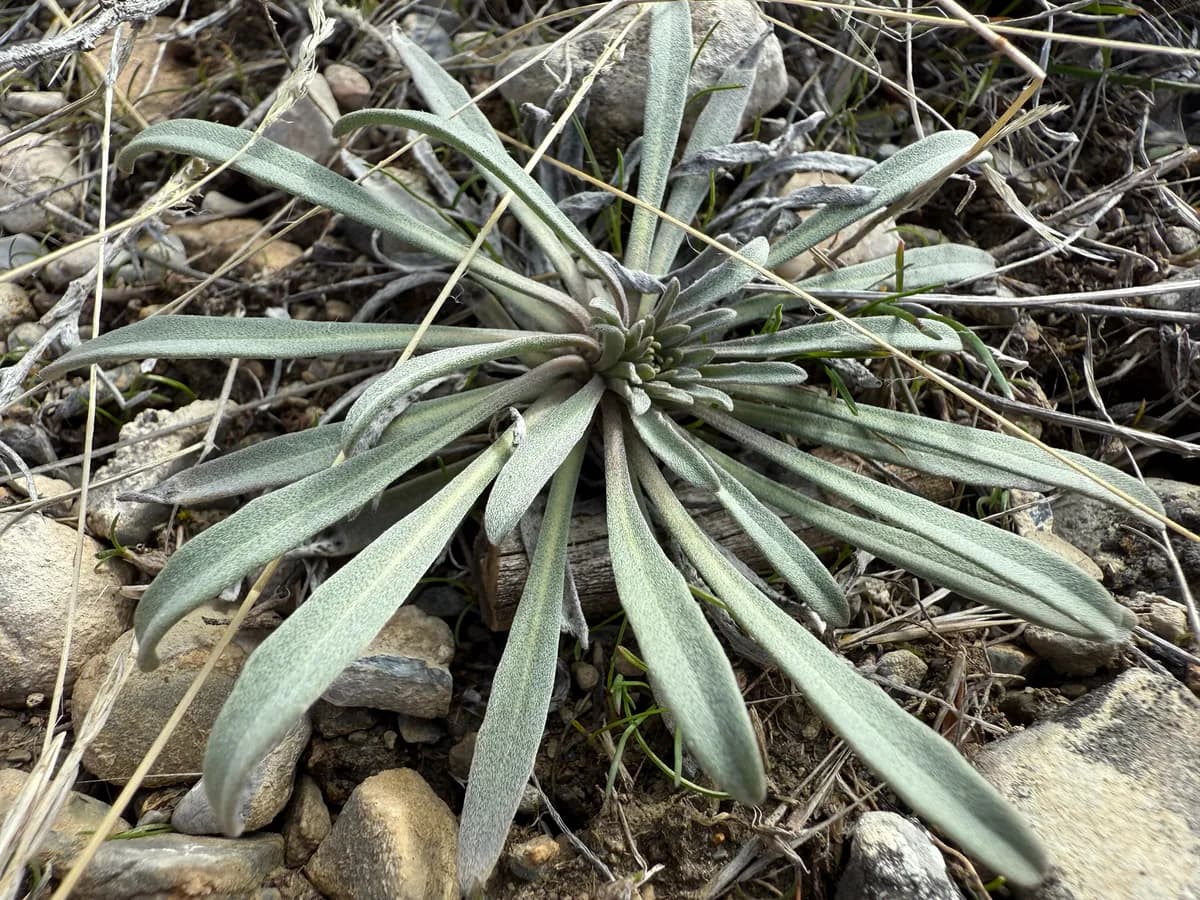
Toxicity unknown
Western Wallflower (Erysimum asperum) is not listed by the ASPCA Animal Poison Control Center (opens in new tab) or the other sources we check, so we have no verdict for it either way. Absence from those lists is not a clearance. If your pet shows symptoms after eating any plant, call the ASPCA at (888) 426-4435.
Light
full sun
Water
low
Size
8"–24" H × 6"–12" W
Bloom
Apr, May, Jun, Jul
Native to
AR, CO, ID, IL and 10 more states
Pollinators
bees, butterflies
Before you buy
Your city may pay you to plant this
Cities and water utilities offer rebates for replacing lawn with native and water-wise plants. We track 459 programs across 44 states, each with a link to the provider and the date we last checked it.
Find rebates in your areaPicture natives in your own yard
Upload a photo of your yard and Patch Vision shows a rendering of it planted with natives for your region, like Western Wallflower.


Browse plants for this ecoregion
Western wallflower is a compact perennial that produces clusters of bright yellow to orange flowers from spring through mid-summer. This drought-tolerant native forms neat clumps and thrives in sunny, well-drained locations with minimal water once established.
Growing Western Wallflower
Grow Western Wallflower in full sun and low water. Mature plants reach 8 to 24 inches tall and spread 6 to 12 inches wide. Expect low maintenance to keep it looking intentional in a front yard.
How to care for Western Wallflower, by region
How to care for Western Wallflower where it is actually grown: year-round basics plus what to do each season, region by region, with the sources for each.
Care guidance last updated: August 2026
Lake Agassiz Plain (includes Fargo, ND)
Year-round
Western wallflower is a genuine North Dakota native, documented growing wild at Sheyenne National Grassland not far from Fargo. It's a low, short-lived plant with bright yellow to orange flowers each spring, and it draws in bees and early-season pollinators. Our records for this plant don't have specific pet or livestock toxicity information yet, and that gap is worth knowing about before planting it near animals.
- The genus this plant belongs to, Erysimum (wallflowers), produces cardiac glycosides, the same class of heart-affecting compound found in foxglove. Peer-reviewed research on a close relative, Erysimum cheiranthoides, found this trait runs across the wallflower genus rather than being limited to one species.
- ASPCA's horse plant list names that same relative, wormseed mustard (Erysimum cheiranthoides), as toxic to horses. There's no species-specific study on western wallflower itself, so treat it as a caution plant if you keep horses, dogs, or other animals that graze or chew on garden plants.
- It's genuinely native to this part of North Dakota. The U.S. Forest Service lists western wallflower among the wildflowers at Sheyenne National Grassland, near Lisbon, in the Red River Valley region.
- Grows 8 to 24 inches tall in full sun with low water once established. Flowers appear in spring and can continue into midsummer.
- Bees and other early-season pollinators visit the blooms, typical for spring-flowering members of this plant family.
Fall
Fall is cleanup time for western wallflower in the Red River Valley, ahead of the region's hard winters.
- Cutting back spent flower stalks once seed pods have browned tidies up the front bed and keeps this low grower looking intentional rather than weedy.
- This plant is short-lived, so don't be surprised if individual plants fade after a year or two. Letting a few seed pods drop before cutting back helps a patch renew itself.
- No winter mulch or covering is needed. The plant's basal rosette handles Red River Valley winters on its own.
Cutting back the spent stalks in fall keeps this bed looking tidy and low, which reads well from the street through a North Dakota winter.
Winter
Western wallflower spends the region's harsh winters as a low rosette, riding out temperatures that can drop to -20 degrees F or colder.
- This is a genuine North Dakota native, and its basal rosette is built for a Red River Valley winter, including deep cold and dry, windy conditions.
- No protection or wrapping needed. Snow cover, when it comes, actually helps insulate the rosette.
- Because plants are short-lived, expect winter to be a season where you lose a few of the oldest plants in the patch. That's the normal life cycle, not cold damage.
- Nothing to prune or cut back in winter. Save that for fall or very early spring instead.
Spring
Spring is when western wallflower does its main show in the Red River Valley, with flowers opening as soon as the ground warms.
- Blooms typically open in April and run through June, sometimes into July, with bright yellow to orange flowers.
- Plants that overwintered as a low rosette will bulk up fast once soil temperatures rise. New transplants can go in once the ground is workable, generally by mid to late May in the Fargo area.
- Keep new spring growth out of reach of grazing animals or pets that like to chew on plants. The cardiac glycoside caution for this genus applies to fresh growth too, and there is no species-specific data for western wallflower that rules it out.
- Full sun and low water are all it needs. Established plants handle this region's clay-loam prairie soil without extra fertilizer.
Summer
By midsummer the show winds down, and the plant shifts to setting seed.
- Flowering can continue into July in a good year, then tapers off as slender seed pods, roughly 3 inches long, form along the stems.
- Water needs stay low. This plant is built for lean, dry conditions and doesn't want extra irrigation on top of Fargo's usual summer rainfall.
- Plants can look leggy or tired by late summer. That's normal for a short-lived biennial or perennial, not a sign something is wrong.
- Keep pets and grazing animals from browsing the foliage through summer too. The genus-wide cardiac glycoside caution still applies, and there's no dedicated toxicity study on this species to say otherwise.
Sources: ASPCA Toxic Plant List, Horses (lists Erysimum cheiranthoides, Wormseed Mustard, as toxic), Peer-reviewed study on cardenolide (cardiac glycoside) content across the Erysimum genus, PMC, USDA Forest Service, Sheyenne National Grassland wildflowers (lists Erysimum asperum), Lady Bird Johnson Wildflower Center, Erysimum asperum species profile
Middle Rockies (includes Missoula, MT)
Year-round
Western wallflower is a Brassicaceae biennial or short-lived perennial documented as native to Montana by the Montana Natural Heritage Program, with fragrant yellow to orange four-petaled flowers. It supports at least nine documented species of native bumblebee as pollinators. This exact species has not been evaluated by name on ASPCA's toxic or non-toxic plant lists for dogs, cats, or horses. A related wallflower in the same genus, wormseed mustard (Erysimum cheiranthoides), is listed by ASPCA as toxic to horses, and peer-reviewed research confirms that Erysimum plants generally produce cardiac-glycoside compounds, the same class of chemical found in foxglove. Given that pattern, it is a good idea to keep this plant out of reach of grazing animals and small children even though this exact species has not been individually tested.
- Documented as native to Montana by the Montana Natural Heritage Program, growing in sandy grassland, open slope, and plains soils.
- Attracts at least nine documented species of native bumblebee, per the Montana Natural Heritage Program's field guide.
- This exact species has not been evaluated by ASPCA for dogs, cats, or horses. A close genus relative, wormseed mustard, is ASPCA-listed as toxic to horses, and published research confirms Erysimum plants make cardiac-glycoside compounds similar to foxglove, so it is a good idea to keep it away from pets, grazing animals, and small children.
- A short-lived biennial or perennial that typically flowers in its second year, then may decline over the following seasons.
Fall
Fall is the best low-stress window for propagation tasks with this species. Direct-sowing seed early in fall gives more reliable germination than sowing late in the season, and new rosettes that germinate now will overwinter and bloom the following year.
- Early fall seeding tends to work better than late fall seeding for this species, since the seed does not have a strong dormancy requirement.
- Seedlings that germinate in fall form a low rosette that overwinters, then bloom the following spring or summer as second-year plants.
- This species is documented as native to Montana, growing in sandy grassland, open slope, and plains soils, which is useful context for where to place it in a fall planting.
Winter
Western wallflower is dormant through winter in these zone 5a to 5b valleys. First-year rosettes sit low to the ground and are cold-hardy through the season, and the plant needs no supplemental watering given its low water needs.
- First-year rosettes overwinter close to the ground rather than dying back completely, typical of this biennial to short-lived perennial's habit.
- No winter watering is needed since this is a documented low-water species.
- A low-stress task: dried seed stalks can be left standing until early spring cleanup. This is a matter of preference and does not harm the plant.
Spring
In the zone 5a to 5b intermountain valleys of western Montana and eastern Idaho, western wallflower typically starts blooming in mid to late spring once nights stay reliably above freezing. Only plants that overwintered as a rosette from a previous year's seed will flower this spring, first-year seedlings stay low and leafy until their second year.
- Bloom typically begins mid to late spring in these zone 5a to 5b valleys.
- Only second-year or older rosettes flower this spring. Plants started from seed this year will stay in a leafy rosette until next year.
- A low-stress task for spring: direct-sow seed early in the season if you want to add more plants, since seeding late in fall is less reliable for this species.
Summer
By mid to late summer in these zone 5a to 5b valleys, bloom is usually finishing and plants are setting seed. The upright flower stalks fade and can look sparse or leggy for the rest of the season, which is the main curb-appeal consideration for this plant.
- Flowering winds down by mid to late summer as seed pods form along the stalks.
- A low-stress task: harvest ripe seed pods before they split if you want to collect and re-sow seed, or let them shatter in place to self-seed.
- Because it is a short-lived biennial, expect this year's second-year plants to decline after seed set. New first-year rosettes from earlier self-seeding carry the planting forward.
After bloom finishes, the bare seed stalks can look leggy and a bit unkempt. Cutting the spent stalks back keeps the front-yard planting tidy and HOA-friendly, though it will reduce self-seeding for next year.
Sources: Lady Bird Johnson Wildflower Center, Native Plant Database: Erysimum asperum, Montana Field Guide (Montana Natural Heritage Program): Prairie-rocket Wallflower, Erysimum asperum, ASPCA Toxic and Non-Toxic Plant List, Horses (lists genus relative Erysimum cheiranthoides as toxic), ASPCA Toxic and Non-Toxic Plant List, Dogs (no entry for wallflower or Erysimum), Younkin et al., "Cardiac glycosides protect wormseed wallflower (Erysimum cheiranthoides) against some, but not all, glucosinolate-adapted herbivores," New Phytologist / PMC, Utah Native Plant Society, Plant Sheet: Erysimum asperum, Western Wallflower
North Central Hardwood Forests (includes Minneapolis, MN)
Year-round
Western Wallflower is a short-lived member of the mustard family. It forms a low rosette of leaves the first year, then sends up a flowering stalk with clusters of yellow-orange blooms. It has a taproot and prefers full sun with well-drained, average to dry soil, conditions common on the sandier or rockier sites found around the Minneapolis area.
- Give it 6 or more hours of direct sun a day for the strongest bloom and a sturdy, upright form.
- Plant in well-drained soil on the drier side. It handles poor or sandy soil better than rich, wet ground.
- The taproot resents disturbance, so pick a permanent spot rather than planning to transplant an established plant later.
- It often behaves as a biennial: a leafy rosette the first year, then flowers and sets seed the second year before the individual plant declines.
- Deadhead spent flower stalks after bloom to tidy the planting and encourage some reseeding for next year.
Deadheading the spent flower stalks after bloom keeps this plant looking tidy and HOA-friendly in a front-yard bed.
Fall
Fall is rosette-building time in the Minneapolis area. Plants that germinated over the summer put their energy into a low cluster of leaves that will overwinter and bloom the following spring.
- The Minneapolis area's average first fall frost lands in early to mid October. Cool nights before then are fine, this plant heads into winter as a cold-hardy rosette.
- Cut back on watering as temperatures drop. The plant wants drier soil heading into dormancy, not a wet fall.
- Clear fallen leaves and other debris off the rosette so the crown is not sitting under a wet mat when snow arrives.
- Skip fertilizer in fall. New growth pushed late in the season is more likely to be damaged by an early freeze than to help the plant.
Winter
Winter is dormant season. Western Wallflower's rosette and taproot come from a species whose native range reaches well into the cold Canadian prairie provinces, so a Minneapolis winter with steady snow cover is well within what this plant is built for.
- No watering or active care is needed once the ground freezes. Let the rosette go fully dormant.
- A consistent blanket of snow insulates the crown and taproot. A winter with little snow and repeated freeze-thaw cycles is harder on the plant than steady cold under snow cover.
- This species' native range extends north into Manitoba, Saskatchewan, and Alberta, consistent with a plant adapted to cold prairie winters like Minneapolis sees.
- Avoid piling mulch tight against the crown. Wet mulch trapped against the rosette over winter is more likely to cause rot than the cold itself.
Spring
Spring is Western Wallflower's main show in the Minneapolis area. Clustered yellow-orange blooms typically open once nights are reliably above freezing, running from around May into June.
- The Minneapolis area's average last spring frost falls in late April, so hold off on planting out or dividing young plants until after that.
- Only second-year plants flower. A rosette planted the previous fall or earlier this spring will stay leafy this year and bloom next year.
- Water new spring plantings regularly until they root in, then taper off. Established plants do best on the dry side.
- Watch for flea beetles or other cabbage-family pests in spring, since Western Wallflower is in the mustard family along with cabbage and broccoli.
Summer
By summer, bloom has usually wrapped up and the plant is setting seed or, for a first-year plant, simply building its rosette. Minneapolis summers bring heat and humidity, so good drainage matters more than extra watering.
- Once flowering ends, cut back the spent stalks. Decide then whether to let some seed pods mature for reseeding or remove them to limit spread.
- Minneapolis summers bring periodic heavy rain. Since this plant wants dry, well-drained soil, avoid low spots that stay soggy after storms.
- Do not add extra water or fertilizer to an established plant. Overly rich or overly wet summer conditions shorten its lifespan.
- Early to late summer is a good window to sow fresh seed for next year's rosettes. Keep that seedbed lightly moist until germination, then back off.
Sources: Erysimum asperum (Western Wallflower), Minnesota Wildflowers (community tip), Erysimum asperum, Lady Bird Johnson Wildflower Center Native Plant Database, Erysimum asperum, Flora of North America, Making Gardening Decisions Using Historical Temperature Data, Minnesota DNR, How To Grow Erysimum asperum, EarthOne (community tip), Final Spring/First Fall Freeze and Frost Date Probabilities, Minnesota DNR
Northern Glaciated Plains (includes Aberdeen, SD)
Year-round
Western wallflower is a short lived plant, and knowing that changes how you care for it. Most plants make a low rosette of leaves the first year, send up a flowering stem the second year, then set seed and die. Give it full sun and soil that drains fast, because it will not hold up in wet, heavy ground through an Aberdeen winter. In the glacial clay loam common in this part of eastern South Dakota, raise the planting area a few inches or work in coarse grit so water keeps moving. Let a few seed pods ripen and drop each year so replacement plants keep the patch going.
- Plant in full sun, six or more hours of direct light, in ground that drains fast (Utah Native Plant Society).
- Space plants about 12 inches apart. Stems stay narrow and usually reach 1 to 1.5 feet tall (Utah Native Plant Society).
- Skip rich compost and heavy feeding. This plant grows on dry prairie ground, sand hills, and bluffs, and lush soil makes the stems flop (Minnesota Wildflowers).
- Water only in long dry spells once plants are rooted in. It handles drought well and dislikes soggy roots (Utah Native Plant Society).
- Leave a few seed pods to ripen and split each season, because most plants die after they bloom (Lady Bird Johnson Wildflower Center).
- Expect one short bloom window in late spring, roughly May into June this far north (Minnesota Wildflowers).
Group 5 to 7 plants behind a clean bed edge rather than dotting them singly, so the planting reads as intentional from the street. Because the bloom window is brief, pair them with a low grass or a longer blooming neighbor so the front bed never looks bare, which is the usual trigger for an HOA-conscious homeowner getting a note.
Fall
Fall is the best sowing window for this plant, and the timing is tighter than most people expect. Early fall sowing gives better seedling stands than late fall sowing, because the seed is largely nondormant and needs to sprout before hard cold arrives. Aim for late August into the first half of September around Aberdeen, ahead of a first frost that usually lands in the last week of September. Leave the green rosettes alone during fall cleanup, because that low growth is what carries the plant to next spring's bloom. Keep heavy wet leaves off the crowns so they do not sit under a soggy mat all winter.
- Sow seed from late August into early September so seedlings root before the late September first frost (SDSU Extension).
- Press seed into the soil surface instead of burying it, then firm the ground so the seed holds contact (Utah Native Plant Society).
- Skip late fall sowing. Nondormant seed put down that late gives thin and unreliable stands (Utah Native Plant Society).
- Leave first year rosettes standing through cleanup. They are alive and they are next spring's flowers (Lady Bird Johnson Wildflower Center).
- Set new plants in the ground at least 4 to 6 weeks before the soil freezes so roots take hold first (University of Minnesota Extension).
A fall bed of low green rosettes over bare soil can look unfinished from the street. A thin, even layer of the same mulch used elsewhere in the front yard keeps the planting reading as HOA-friendly through the off season.
Winter
The winter risk here is not the cold itself, it is heaving. Aberdeen winters swing between hard freeze and thaw and snow cover is unreliable, so the soil lifts and drops and can push a shallow crown right out of heavy clay. The plant spends winter as a low rosette, so the whole job is protecting that crown and leaving the leaves alone. Lay winter mulch only after the top of the soil has frozen, which holds the soil temperature steady instead of warming it back up. Then check the bed after each midwinter thaw and press any lifted plants back down.
- Wait until the soil surface has frozen, often late November here, before laying winter mulch. Mulching earlier keeps soil warm and makes heaving worse (University of Minnesota Extension).
- Keep winter mulch to 1 to 2 inches of loose material such as chopped straw, and pull it back from the center of each rosette so water does not sit on the crown (University of Minnesota Extension).
- Walk the bed after every midwinter thaw and press back down any plant whose crown has lifted above the soil line (University of Minnesota Extension).
- Leave the rosette leaves in place all winter. Cutting them for tidiness costs you next spring's flower stem (Lady Bird Johnson Wildflower Center).
- Leave snow sitting on the bed where you can. In an open front yard, snow is the steadiest insulation a low rosette gets, and cover here comes and goes (SDSU Extension).
Low green rosettes under a thin, even mulch layer read as a maintained bed in winter, which is when front yards get judged most harshly. Keep the bed edge visible above the mulch line so the planting still looks deliberate when nothing is blooming.
Spring
Spring is when this plant does all of its visible work, so the main job is to stay out of its way. Rosettes that made it through winter push up a flowering stem and bloom for a short stretch, often May into June at this latitude. Rake winter mulch off the crowns as soon as the ground thaws, usually early April around Aberdeen, so the rosette does not sit in cold wet clay and rot. Hold new plants until after the mid May frost date, then set them out and water them in once. Do not tidy or trim the low leaves, because those leaves are the fuel for the flower stem.
- Pull winter mulch back off the crowns in early April so melt water drains away from the rosette instead of pooling on it (University of Minnesota Extension).
- Wait until after the mid May last frost to set out new plants, then water once to settle the roots (SDSU Extension).
- Sow seed in spring rather than holding it for late fall. The seed is largely nondormant, so late sowing gives thin stands (Utah Native Plant Society).
- Leave every basal leaf in place through bloom. That rosette is the plant's whole food supply for its one flowering season (Lady Bird Johnson Wildflower Center).
- Do not fertilize before bloom. Extra nitrogen gives soft, floppy stems on a plant built for dry prairie ground (Minnesota Wildflowers).
The bloom is bright yellow and short, so put these where they are seen from the walk or driveway during the few weeks they show. Keep the front edge of the bed crisp so the planting still looks maintained after the color drops.
Summer
Summer is the decision point: let the seed pods ripen, or cut them off. Flowering ends by early summer and the plant pours everything into long slender pods called siliques. If you want the patch to continue, leave the pods and let them split on their own, since most plants finish their life after seeding. If you want a tidier bed, cut the spent stems and plan to replant, and understand you are trading next year's volunteer seedlings for a cleaner look. Watering is rarely needed, because rooted plants get through a dry July on their own here.
- Leave pods on at least a third of the plants if you want volunteer seedlings next year (Lady Bird Johnson Wildflower Center).
- Collect pods just before they split open if you would rather sow where you choose than where the plant chooses (Utah Native Plant Society).
- Hold off watering unless you go about three weeks with no rain. Most local rain falls May through July, and rooted plants are drought hardy (Utah Native Plant Society).
- Cut spent flower stems at the base if you prefer a clean bed, and mark the spot so you remember to reseed there (Minnesota Wildflowers).
- Watch for small first year rosettes near the old plants in mid to late summer and leave those undisturbed (Minnesota Wildflowers).
Ripening pods turn tan and stand up straight, which some neighbors read as dead growth. Cutting the front row of stems while letting the back row ripen keeps the curb view tidy and still gives you next year's plants.
Sources: Lady Bird Johnson Wildflower Center, Erysimum asperum, Utah Native Plant Society, Western Wallflower plant sheet, Minnesota Wildflowers, Western Wallflower, USDA PLANTS Database, Erysimum asperum (ERAS2), SDSU Extension, Season Extension for Fall Specialty Crops, University of Minnesota Extension, Mulching and perennial overwintering
Texas Blackland Prairies (includes Dallas, TX)
Year-round
Western wallflower is a native Texas wildflower in the mustard family, known for clusters of bright yellow-orange blooms in early spring. It naturally grows on prairies and dry slopes across the state, so it wants full sun and soil that drains well rather than rich, wet ground. In Dallas's heavy black clay, that means giving it a spot that never sits soggy, since good drainage matters to this plant more than soil fertility. It is usually a biennial or short-lived perennial, so plan for a strong bloom season or two rather than a plant that lives for decades.
- Native to Texas prairies and dry slopes, confirmed in the Lady Bird Johnson Wildflower Center's native plant database
- Give it full sun and lean, fast-draining soil, this is a prairie plant, not a woodland one
- Work compost or expanded shale into Blackland black clay before planting, or use a raised bed or slope
- Avoid low spots that pool after rain, standing water is the fastest way to lose this plant
- Biennial to short-lived perennial, it may not persist for more than a couple of years without reseeding
Its low, tidy clumping habit and bright early color read as an intentional bed accent rather than a wild look, which fits well in HOA-conscious front yards.
Fall
Fall is a quiet season for western wallflower in Dallas, since most parent plants have finished their life cycle by then and any seedlings from earlier reseeding are just getting started. It is a reasonable time to tidy the bed and thin crowded seedlings so a handful of strong plants carry into spring instead of a dense mat. Cooler fall weather is also a good window to work compost or expanded shale into heavy clay ahead of spring planting.
- Thin crowded seedlings so a few strong plants remain rather than a dense mat
- Fall is a good time to amend heavy clay with compost or expanded shale ahead of spring
- Clear out old dead stalks left over from earlier in the year
- Keep mulch light over new fall seedlings, do not bury them
- Hold off on fertilizer, established prairie natives do not need a fall feeding
A bed of small fall seedlings can look sparse for a while, a light, even layer of mulch between plants keeps it looking tended rather than bare.
Winter
Western wallflower rosettes typically stay low and hold their leaves through a Dallas winter, since our winters are mild enough that the plant does not fully die back the way it might farther north. Established seedlings sit through the cold months as compact rosettes, then send up flower stalks as days lengthen toward spring. There is little to do this season beyond keeping the bed from staying soggy after winter rain.
- Rosettes usually persist through a mild Dallas winter without dying back completely
- Skip pruning until spent flower stalks appear the following spring
- Watch drainage after winter rain, clay soil holds water longer in cold weather
- No fertilizer needed, the plant is dormant or semi-dormant this time of year
- A light layer of mulch can protect young fall-sown seedlings during a hard freeze
Low winter rosettes stay compact and neat at the front of a bed, a quiet, HOA-friendly presence until spring bloom.
Spring
Spring is when western wallflower earns its place in the bed, with stalks of bright yellow-orange flowers rising above a low rosette of leaves. In the Dallas area this is usually the plant's showiest stretch and a good early nectar source before many summer natives get going. Spring rain can also leave Blackland clay waterlogged, so this is the season to watch drainage most closely.
- Bloom typically peaks in spring, the plant's showiest display of the year
- Water new spring plantings consistently while roots establish, then taper off
- Check that spring rain is not pooling around the base, pull mulch back from the crown if it stays wet
- Deadhead spent flower stalks to keep the clump looking tidy
- Skip heavy fertilizer, lean soil suits this prairie native better than rich soil
Deadheading spent stalks as bloom winds down keeps the bed looking maintained and HOA-friendly instead of leaving faded flower heads out front.
Summer
After its spring show, western wallflower usually fades once Dallas heat sets in, since it is a short-lived plant not built to push through a long humid summer. The clump often looks ragged or dies back by early summer, which is normal for this species and not a sign of a care mistake. Leaving a few dried seed heads in place can give you volunteer seedlings for next year before you clear the rest.
- Expect decline or dieback once summer heat arrives, this is typical for a short-lived species
- Cut back browned foliage once it fades to keep the bed looking maintained
- Leave a few spent seed pods in place if you want self-sown seedlings for next spring
- Water sparingly, this plant does not want extra moisture on top of Dallas summer humidity
- Treat it as a spring filler rather than a plant that holds the bed all summer
Cutting back the dead growth promptly once it fades keeps a front bed looking intentional instead of neglected.
Sources: Erysimum asperum (western wallflower) - Native Plant Database, Lady Bird Johnson Wildflower Center, Soil Preparation, Texas A&M AgriLife Extension
In an HOA neighborhood
Western Wallflower is an HOA-friendly choice. Maintenance level: low. Tidiness: 4 out of 5.
Works well in: front yard, foundation, street edge, mid zone.
Wildlife value
The fragrant flowers are excellent for attracting bees and butterflies throughout the long blooming season. This plant serves as a host for several native butterfly species.
Common questions
- When does Western Wallflower bloom?
- Western Wallflower typically blooms from April through July, with flower spikes opening in shades of orange and yellow.
- How much water does Western Wallflower need?
- It prefers low water and does best in well drained soil, tolerating dry spells once established.
- What light does Western Wallflower require?
- It grows best in full sun and flowers most heavily when it gets direct sunlight for most of the day.
- Does Western Wallflower attract pollinators?
- Bees and butterflies regularly visit the flowers of Western Wallflower for nectar during its spring and summer bloom period.
- Is Western Wallflower HOA-friendly?
- Western Wallflower is generally an HOA-friendly choice in the right placement, with low maintenance.
These answers were drafted with an AI model from this plant's data. Verify care details with a local expert.
Native range data from the World Checklist of Vascular Plants (Kew). Pollinator and host plant associations compiled from GBIF, iNaturalist, and published ecological literature.
If something looks wrong
Common plant problems, and what to check first
These come up on almost any plant. Each guide lists the likely causes in the order they are worth ruling out, with one thing to check before you act on any of them, and links to the source it came from.
- It is dying right after planting
- Leaves turning yellow
- Wilting even though I watered it
- Brown crispy leaf tips
- Bugs on the plant
Ready to grow Western Wallflower? Add it to your garden in Pollinator Patch to track it and get season-by-season care guidance.