Hosta
Hosta sieboldiana
Last reviewed: October 2026
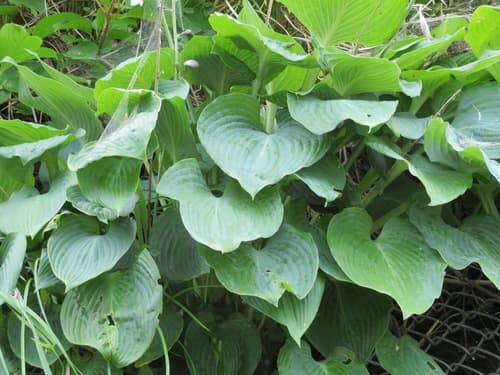
Hosta (Hosta sieboldiana) is a perennial forb. It blooms in July and August.
Toxicity unknown
Hosta (Hosta sieboldiana) is not listed by the ASPCA Animal Poison Control Center (opens in new tab) or the other sources we check, so we have no verdict for it either way. Absence from those lists is not a clearance. If your pet shows symptoms after eating any plant, call the ASPCA at (888) 426-4435.
Light
part shade
Water
medium
Size
18"–30" H × 24"–48" W
Bloom
Jul, Aug
Native alternatives to Hosta
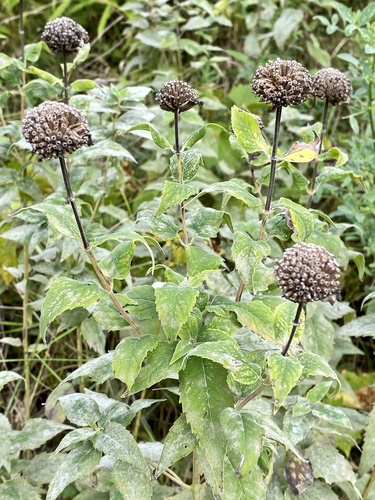
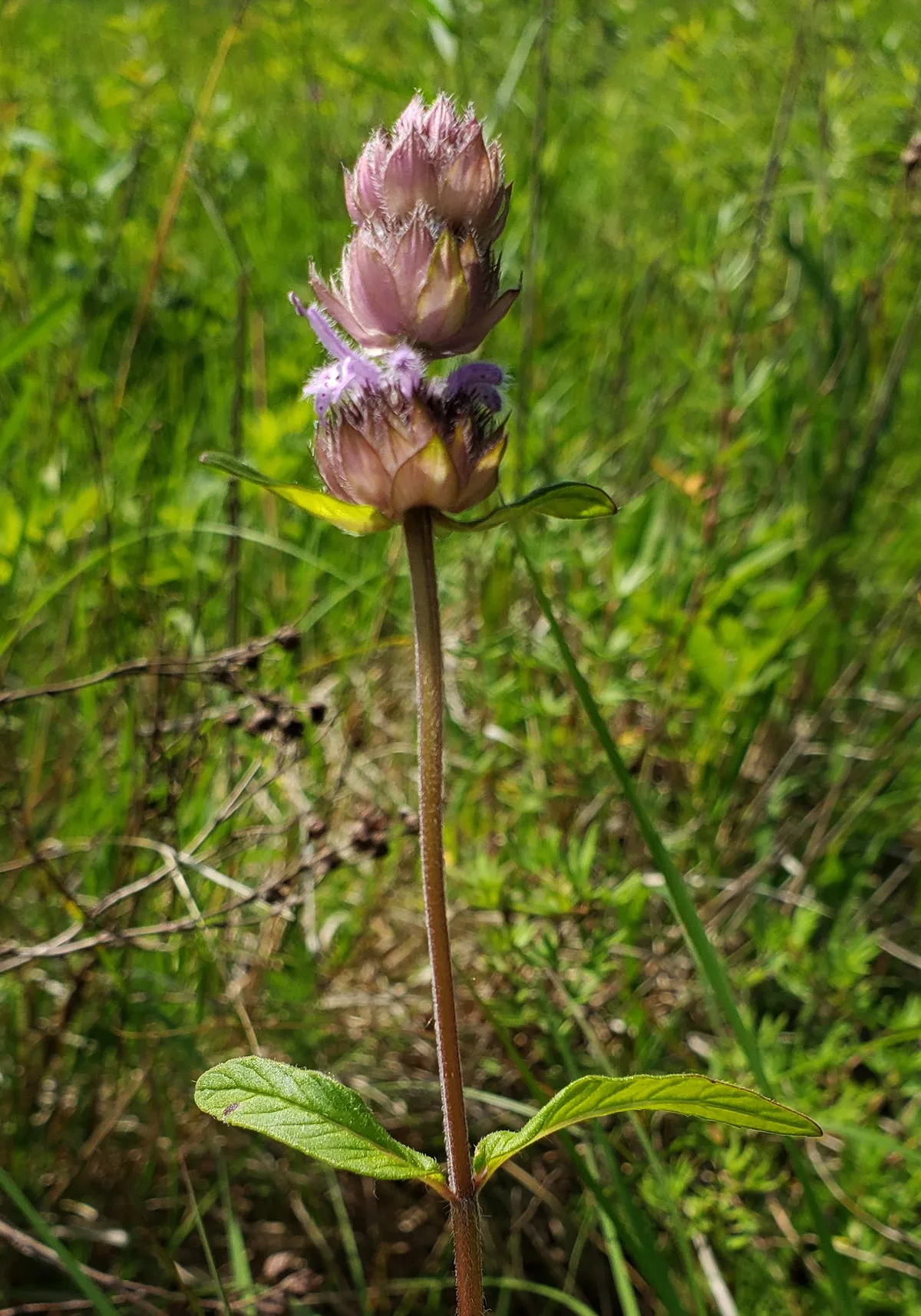
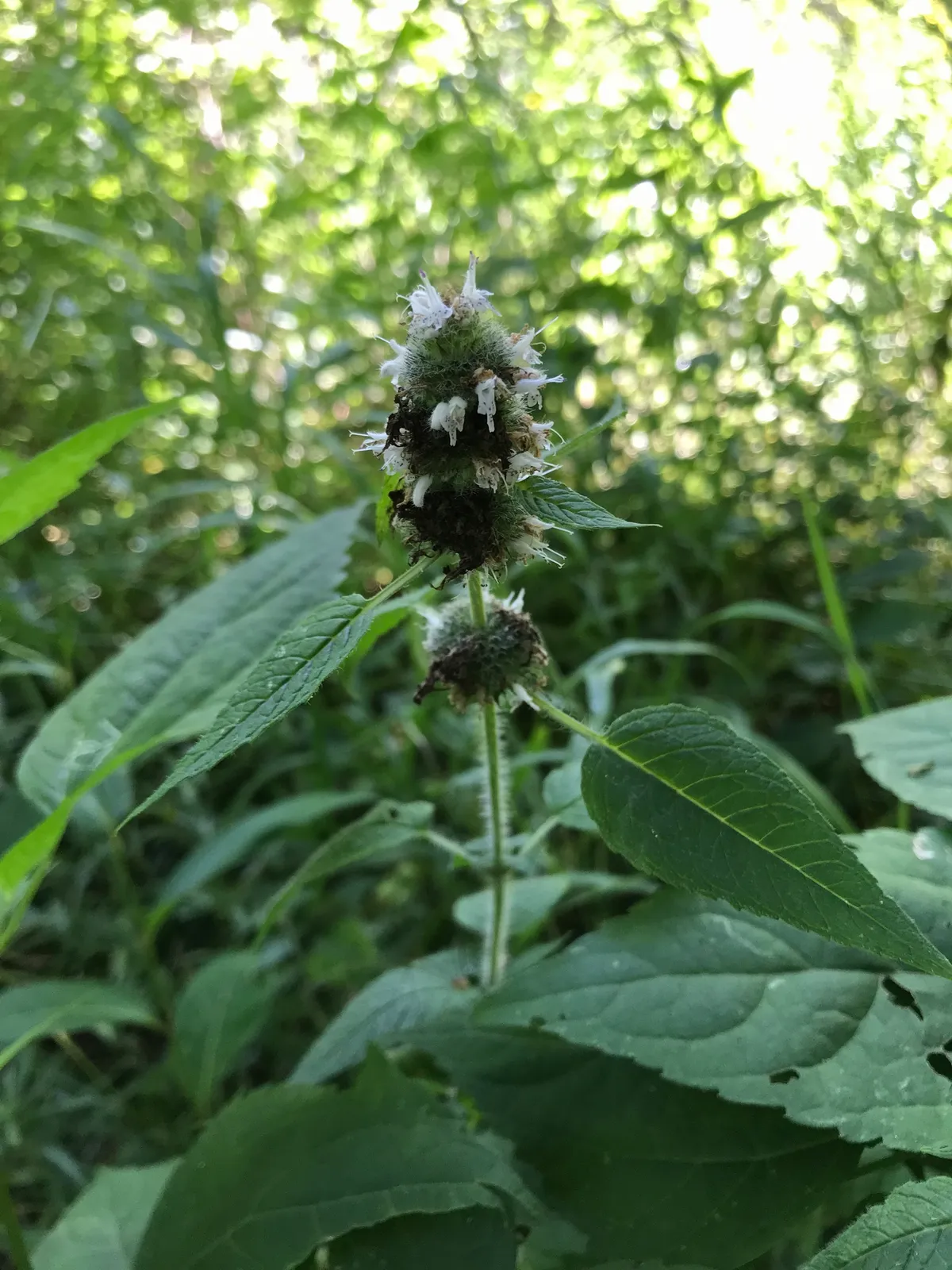
Hosta is not native to the United States. These natives fill a similar role in a planting, matched on bloom season, bloom color and mature size.
Before you buy
Your city may pay you to plant this
Cities and water utilities offer rebates for replacing lawn with native and water-wise plants. We track 460 programs across 44 states, each with a link to the provider and the date we last checked it.
Find rebates in your areaPicture natives in your own yard
Wondering what could grow where Hosta is now? Upload a photo of the spot and Patch Vision shows a rendering of it replanted with natives for your region.


A shade perennial grown for broad, ribbed, blue green leaves that build a dense mound. Flower spikes rise above the foliage in summer, but the leaves are the point. Slugs and deer are the two most common problems.
Growing Hosta
Grow Hosta in part shade and medium water. Mature plants reach 18 to 30 inches tall and spread 24 to 48 inches wide. Expect low maintenance to keep it looking intentional in a front yard.
How to care for Hosta, by region
How to care for Hosta where it is actually grown: year-round basics plus what to do each season, region by region, with the sources for each.
Care guidance last updated: September 2026
North Central Hardwood Forests (includes Minneapolis, MN)
Year-round
Hosta is a shade loving perennial that is easy to grow once it gets established in a Minneapolis garden. It is toxic to dogs, cats, and horses if eaten, and deer treat it like candy, so plan protection into the spot you pick.
- Give it filtered or dappled shade for most of the day. It can also grow in deep shade, but the plant fills in slower.
- Water deeply about once a week instead of a little bit every day. Aim for close to 1 inch of water total each week.
- Keep this plant, and any part of it, away from dogs, cats, and horses. Every part contains compounds called saponins that can cause vomiting, diarrhea, and low energy if eaten.
- Deer find hosta very tasty and will browse a bed down fast around Minneapolis. A fence or repellent protects new plantings best.
Fall
Once Minneapolis gets its first hard frost, usually sometime in October, hosta leaves turn to mush and it is time to clean up the bed for winter.
- After a hard frost blackens the leaves, cut back or rake up the dead foliage instead of leaving it collapsed all winter.
- Compost the healthy fall leaves, but bag up and toss any leaves that looked spotted or diseased during the season instead of composting them.
- Leave the dried flower scapes if you want a little winter interest, or cut them down with the leaves. It is mostly a preference.
- This is also a good time to note which clumps got crowded this year, so you know which ones to divide once spring comes back around.
Raking up the collapsed leaves after frost keeps this bed looking HOA-friendly through late fall instead of a flattened, soggy patch.
Winter
Hosta is fully winter hardy in Minneapolis and mostly takes care of itself once it goes dormant, with mulch only needed in a couple of specific cases.
- An established hosta clump does not need winter protection in this zone. The crown handles our winters fine on its own.
- If you planted or divided hosta late in the fall, add about 3 inches of mulch after the ground freezes to help the roots settle in.
- Pull that extra mulch back in spring once the ground thaws, so the crown does not sit wet and start to rot.
- There is nothing green to look at until spring, so this is a quiet season for hosta in the front yard.
Spring
Spring is when hosta shoots push up out of the ground in Minneapolis, and it is also the best time to divide a clump that has gotten crowded.
- New pointed shoots come up as the soil warms, usually through April into May here. A late hard frost can nip the tips, but the crown underneath is usually fine.
- Once growing tips show, this is a good window to divide crowded clumps. Dig up the whole plant and split it with a sharp tool, keeping as much root attached to each piece as you can.
- Watch for slugs starting to chew ragged holes in the new leaves as the weather warms up.
- Hold off on pulling winter mulch all the way back until new growth is clearly up, so you do not smother the emerging shoots.
Summer
Summer is the main growing season for hosta in Minneapolis, and staying on top of moisture is the biggest thing to manage.
- Keep up with deep watering, close to 1 inch a week total, especially during hot dry stretches in July and August.
- A 2 to 4 inch layer of mulch like shredded bark or leaves helps the soil hold moisture. Keep the mulch pulled back from the crown so it does not sit wet against the plant.
- Slug holes in the leaves usually show up worst in humid summer weather. Picking off the worst leaves keeps the clump looking full.
- Deer browsing tends to peak in summer too, so keep fencing or repellent in place through the season.
Sources: ASPCA, Toxic and Non-Toxic Plants: Hosta, University of Minnesota Extension, Growing Hostas in Minnesota
Piedmont (includes Atlanta, GA)
Year-round
Hosta sieboldiana is a big leaved shade perennial from Japan, not from Georgia, so in Atlanta it needs steady moisture and real shade to look its best through the hot growing season.
- Plant in part shade to full shade with only some morning sun, afternoon sun scorches the wide puckered leaves in Atlanta summer heat.
- Amend heavy Georgia clay with compost and use a raised bed or slight berm so the crown never sits in standing water.
- Keep soil consistently moist with a 2 to 3 inch mulch layer, and add extra water during dry summer stretches.
- Watch for slugs and snails, the top pest of hostas in Southeast shade gardens, and think twice about slug bait if pets or wildlife roam the yard.
- This species and its cultivars come from Japan, not North America, so there is no native range claim to make here.
Fall
In fall Atlanta's hostas yellow and collapse after the first frost near mid November, which is the best window to divide, clean up, and get the bed ready for winter.
- Leaves naturally yellow and collapse after the first freeze, Atlanta's average first frost lands near November 13.
- Divide overgrown clumps now through early fall if the spring window was missed, September is a good time for it in the Southeast.
- Cut back and remove dead foliage once it has fully died down instead of leaving it to mat over winter, this also clears out slug and snail hiding spots.
- Rake up old mulch and leaf litter near the crown, it can shelter overwintering slugs and snails.
- Hold off on fertilizing in fall, new growth pushed late in the season is more likely to get damaged by cold.
Cutting back collapsed foliage and clearing old mulch leaves a tidy fall bed instead of a messy one, which reads as intentional and helps avoid a violation letter.
Winter
Atlanta winters are mild and Hosta sieboldiana is hardy well past this area's cold, so winter care is mostly about drainage and keeping the dormant bed tidy.
- This hosta is winter hardy down through USDA zone 3, so Atlanta's zone 7b to 8a winters pose little cold risk to the roots.
- Good drainage matters most in winter, soggy soil during a wet Georgia winter can rot the crown even though cold itself is not the real threat.
- Leave the mulch layer in place through winter for a neat look, just keep it a couple inches off the crown itself.
- New shoots stay dormant underground until spring warmth returns, no winter watering is needed unless the season turns unusually dry.
- Skip winter fertilizing entirely, wait for spring shoots to emerge before feeding again.
A neatly mulched, cut back winter bed reads as intentional rather than neglected, which helps avoid a violation letter.
Spring
Spring is when new hosta shoots push up in Atlanta, usually through March around the area's last frost, making this the season to divide crowded clumps and get ahead of slugs before leaves unfurl.
- New shoots emerge as soil warms, often in March near Atlanta's average last frost of March 23, a late cold snap can nip tender tips but the plant typically pushes new growth back out.
- Divide clumps now if a plant has not been split in 4 to 5 years, and make sure every division keeps a growing point.
- Work in a light feeding of a balanced fertilizer at planting or as shoots emerge, more is not better for hostas.
- Start slug and snail watch early, damage begins as soon as new leaves unroll and continues until first frost.
- Refresh mulch to about 2 to 3 inches to hold spring moisture and slow weeds around the crown.
Summer
Atlanta summers are hot and humid, so the main job for Hosta sieboldiana is steady water and shade protection so the big leaves do not scorch or wilt.
- Give it a deep soak during dry spells, aiming for about 1 inch of water a week between rain and irrigation.
- Keep it out of direct afternoon sun, leaves can bleach, scorch, or develop crispy brown edges in Georgia's summer heat.
- Check leaf undersides and the soil surface for slugs and snails on humid evenings, they are most active in warm wet weather.
- Watch for a fragrant white to lavender bloom spike in early to mid summer, cut the spent flower stalk back to the base once blooms fade.
- Skip a heavy midsummer feeding, hostas slow their growth once real summer heat sets in.
Cutting back the spent flower stalk once blooms fade keeps the bed looking tended, which reads as intentional and helps avoid a violation letter.
Sources: UGA Cooperative Extension - Growing Hostas, Missouri Botanical Garden Plant Finder - Hosta sieboldiana, ASPCA Toxic and Non-Toxic Plants - Hosta, Clemson HGIC - Snails and Slugs in the Home Garden, National Weather Service Atlanta - Frost and Freeze Data
Western Corn Belt Plains (includes Des Moines, IA)
Year-round
Hosta, sometimes called Siebold's Plantain Lily, is a shade perennial from Japan, not a plant native to Iowa or anywhere in the US. It is grown here for its bold blue green foliage and does well in Des Moines area shade gardens with the right site and routine care.
- Plant in part to full shade. Gold and variegated types can take some morning sun, but blue leaved types need heavier shade to hold their color, per Iowa State University Extension.
- Give it moist, well drained, humus rich soil and a 2 to 3 inch layer of mulch to hold moisture, per Iowa State University Extension.
- Water during dry stretches. Established clumps tolerate some drought but look best with even moisture through the growing season.
- Divide crowded clumps every 5 to 7 years to keep plants vigorous and remove dead centers, per Iowa State University Extension.
- Keep dogs, cats, and horses away from the leaves. The whole plant contains saponins and is listed as toxic to those animals by the ASPCA.
Fall
Fall is cleanup season. Cutting hostas back after a hard freeze removes the leaf litter that slugs, voles, and disease spores use to overwinter, and it sets the bed up clean for next spring.
- Wait until a hard freeze has killed and yellowed the foliage before cutting it back, per University of Illinois Extension.
- Cut stems and leaves down to about one to two inches above the soil with clean shears, per University of Illinois Extension.
- Haul the cut foliage away instead of leaving it in the bed. Leftover leaves can shelter slugs, voles, and fungal disease over winter, per University of Illinois Extension.
- Hold off on winter mulch until after the ground freezes, especially for anything divided or planted that year, per Iowa State University Extension.
Cutting hostas back to a low, even stubble after frost reads as a tidy, HOA-friendly winter bed instead of a pile of collapsed leaves.
Winter
Hostas go fully dormant through Iowa winters. Once the plant is cut back there is little active work left besides protecting the crown from freeze and thaw heaving.
- After cutting back, spread about a one inch layer of mulch over the crown to buffer freeze and thaw cycles that can heave roots out of the soil, per University of Illinois Extension.
- Pull that mulch back off the crown in early spring before new shoots need to push through, per University of Illinois Extension.
- Newly divided or transplanted hostas benefit most from winter mulch since their roots are least established, per Iowa State University Extension.
- No watering or fertilizing is needed. The plant stays dormant until new shoots appear in spring.
A thin, even mulch layer over a cut back clump looks tidier through winter than bare soil or matted dead leaves.
Spring
Spring is dividing season for hostas in Des Moines, timed to when new shoots just start poking through the soil, and it is also when the first slug and browsing pressure of the year shows up.
- Divide clumps in early spring before the leaves fully unfurl if the plant is crowded or the center looks dead, per Iowa State University Extension.
- Each division needs at least 2 to 3 shoots plus a good portion of crown and roots, per Iowa State University Extension.
- Feed with a general purpose fertilizer as new leaves emerge, following the label rate, per Iowa State University Extension.
- Clear away old winter debris early. Slugs hide in it and start feeding on tender new growth as soon as leaves unfurl, per Iowa State University Extension.
- If deer or rabbits browsed the bed last year, put fencing or repellents up now before new growth appears, per Iowa State University Extension.
Dividing an overgrown clump and clearing winter debris in spring keeps a front bed looking tidy and HOA-friendly as the season starts.
Summer
Summer is the peak growing and flowering stretch for hostas in Iowa, and also the peak season for slug, deer, and rabbit pressure.
- Keep soil evenly moist through hot, dry spells. A deep morning watering works better than frequent shallow sprinkles.
- Check for irregular holes chewed in the leaves after rain, a sign of slugs and snails. Handpick at night or set out traps, per Iowa State University Extension.
- Deer leave a ragged torn edge on leaves and stems, while rabbits leave a clean angled cut. Fencing is the most reliable protection for either, per Iowa State University Extension.
- Cut flower stalks off after bloom, or before they open if you prefer a foliage only look.
- Watch for spotted, tattered leaves in warm, wet weather. Water at the soil line instead of overhead and remove affected leaves, per Iowa State University Extension.
Cutting off spent flower stalks keeps the planting looking clean and HOA-friendly from the street through the summer.
Sources: Toxic and Non-Toxic Plants: Hosta, ASPCA, All About Hostas, Iowa State University Extension and Outreach, Hosta sieboldiana, Missouri Botanical Garden Plant Finder, Pests and Diseases of Hosta, Iowa State University Extension and Outreach, Take care of hostas going into winter, University of Illinois Extension
In an HOA neighborhood
Hosta takes more care to keep looking intentional in a front yard. Maintenance level: low. Consider it for backyard or mid-zone beds rather than the street edge.
Works well in: front yard, foundation bed, border.
Wildlife value
Grown as an ornamental. Non-native plants support far fewer local insects than a native of similar size, so treat this as garden interest rather than habitat.
Common questions
- How much sun does Hosta need?
- Hosta grows best in part shade conditions.
- When does Hosta bloom?
- Hosta blooms in July and August.
- Is Hosta HOA-friendly?
- Hosta takes more care to look intentional in a front yard. Consider it for backyard or mid-zone beds rather than the street edge.
Pollinator and host plant associations compiled from GBIF, iNaturalist, and published ecological literature.
If something looks wrong
Common plant problems, and what to check first
These come up on almost any plant. Each guide lists the likely causes in the order they are worth ruling out, with one thing to check before you act on any of them, and links to the source it came from.
- It is dying right after planting
- Leaves turning yellow
- Wilting even though I watered it
- Brown crispy leaf tips
- Bugs on the plant
Ready to grow Hosta? Add it to your garden in Pollinator Patch to track it and get season-by-season care guidance.