Prairie Goldenrod
Solidago ptarmicoides
Last reviewed: September 2026
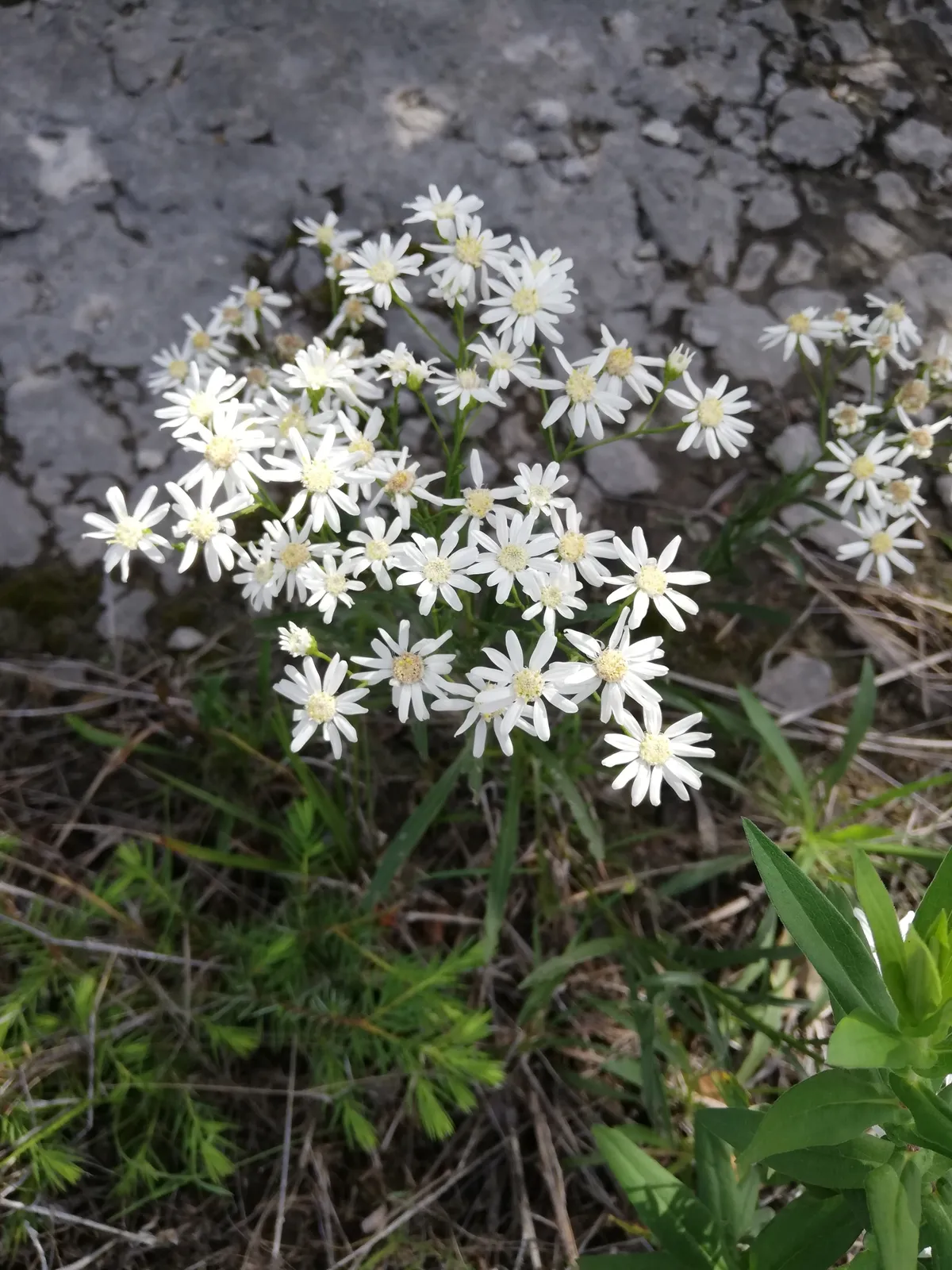
Prairie Goldenrod is a drought tolerant prairie forb that blooms from July through September with clusters of small white flowers, thriving in full sun on dry, rocky, or gravelly soils.
Toxicity unknown
Prairie Goldenrod (Solidago ptarmicoides) is not listed by the ASPCA Animal Poison Control Center (opens in new tab) or the other sources we check, so we have no verdict for it either way. Absence from those lists is not a clearance. If your pet shows symptoms after eating any plant, call the ASPCA at (888) 426-4435.
Light
full sun
Water
low
Size
8"–24" H × 6"–18" W
Bloom
Jul, Aug, Sep
Native to
CO, CT, IA, IL and 14 more states
Pollinators
bees, butterflies, beetles
Before you buy
Your city may pay you to plant this
Cities and water utilities offer rebates for replacing lawn with native and water-wise plants. We track 459 programs across 44 states, each with a link to the provider and the date we last checked it.
Find rebates in your areaPicture natives in your own yard
Upload a photo of your yard and Patch Vision shows a rendering of it planted with natives for your region, like Prairie Goldenrod.


Browse plants for this ecoregion
Prairie goldenrod is a compact native wildflower that produces clusters of small white to pale yellow flowers from July through September. This drought-tolerant perennial forms neat clumps and requires minimal care once established in sunny locations.
Growing Prairie Goldenrod
Grow Prairie Goldenrod in full sun and low water. Mature plants reach 8 to 24 inches tall and spread 6 to 18 inches wide. Expect low maintenance to keep it looking intentional in a front yard.
How to care for Prairie Goldenrod, by region
How to care for Prairie Goldenrod where it is actually grown: year-round basics plus what to do each season, region by region, with the sources for each.
Care guidance last updated: September 2026
Huron/Erie Lake Plains (includes Toledo, OH)
Year-round
General, year-round care for prairie goldenrod (Solidago ptarmicoides) in the Toledo, Ohio area, covering sun, soil, water, and its value to pollinators and birds.
- Give it full sun, at least 6 hours of direct light a day. It tolerates a little light shade but flowers less and can flop.
- Plant it in well drained, sandy or gravelly soil. It handles poor, lean ground well and does not need rich garden soil.
- Water it regularly for the first season to help it establish, then let it be. Once rooted in, it handles Toledo's dry summer stretches without extra watering, and wet or poorly drained ground is more likely to hurt it than drought.
- Expect a low, mounding clump about 1 to 2 feet tall and wide, topped with flat clusters of small white flowers from late summer into fall.
- Bees, butterflies, and other pollinators visit the flowers, and songbirds including goldfinches feed on the seed heads later in the season.
Fall
Fall care for prairie goldenrod in the Toledo area: peak bloom, end of season cutback, and dividing or planting new starts.
- Peak bloom runs through September and into early October in the Toledo area, right up until the first fall frost, which typically arrives in mid October.
- Once flowering is done and the leaves have died back after that first frost, stems may be cut to the ground. This is also a good window to divide crowded clumps if you skipped it in spring.
- If you want goldfinches and other seed eating birds to visit through fall, leave some seed heads standing instead of cutting everything back right away.
- If you are not saving seed and do not want it to spread, remove spent flower heads before they fully ripen.
- Fall is a good time to plant new divisions or nursery starts, giving roots several weeks to settle into cooling, still moist soil before winter.
Choosing a full fall cutback after bloom, rather than leaving the whole clump standing all winter, reads as a tended bed instead of an overgrown corner, which helps avoid a violation letter. If you would rather leave some stems for pollinators, keeping them at one even, low height reads as a deliberate winter feature instead of neglect.
Winter
Winter care for prairie goldenrod in the Toledo area: cold hardiness, overwintering habitat, and protecting new plantings.
- This plant is winter hardy well into USDA zone 3, so Toledo's zone 6b winters are well within its range and established plants need no winter protection.
- If you left stems and seed heads standing from fall, they now do double duty, giving shelter to overwintering native bees and food for winter birds.
- New divisions or plantings from fall benefit from a light layer of mulch or fallen leaves over the root zone for their first winter, pulled back once new growth starts in spring.
- Keep foot traffic and heavy snow piles off the crown. Compacted, soggy ground during a winter thaw is more likely to stress this plant than the cold itself.
- Established plants do not need extra winter mulch. Skip piling mulch over the crown, since that can trap moisture against the roots during winter thaws.
Keeping any standing stems trimmed to one even, low height instead of a loose tangle reads as a deliberate winter garden feature rather than neglect, which can help if a neighbor or HOA raises a question about dead plant material.
Spring
Spring care for prairie goldenrod in the Toledo area: cutback timing, new growth, dividing, and watching drainage as the ground thaws.
- If you did not cut the old stems back in fall, do it now in early spring, trimming them to a few inches above the ground before new growth starts.
- New basal growth appears through April as the soil warms. Toledo's last spring frost usually falls in late April, so hold off on fertilizing or mulching heavily until after that.
- Divide crowded clumps every 3 to 4 years in early spring if flowering has slowed, lifting the clump and separating the rooted sections with a spade.
- Watch the drainage this time of year. Wet spring ground from snowmelt or heavy rain is a bigger risk to this plant than cold, since soggy soil can cause root rot.
- Weed by hand around young shoots. The clump is still small and low in spring and can get crowded out by faster growing neighbors.
A tidy early spring cutback of last year's stems reads as intentional garden care rather than a bed left unmown, which helps avoid a violation letter about dead plant material.
Summer
Summer care for prairie goldenrod in the Toledo area: watering, disease watch, and deadheading as it comes into bloom.
- Established plants need little to no extra water through a normal Toledo summer. Only water during a stretch of two or more weeks with no rain.
- Skip the fertilizer. Rich soil or added fertility makes the stems flop and lean, especially in Toledo's humid summer weather.
- This plant can get rust, powdery mildew, or leaf spot in humid, still conditions. Give plants room for airflow and water at the soil line rather than overhead to help avoid it.
- Flower buds form through mid and late summer, with the first flat white clusters typically opening in August in the Toledo area.
- Deadheading is not needed for repeat bloom, but removing spent flower heads before they ripen keeps the plant from self-sowing into nearby beds.
Removing spent flower heads before they go to seed keeps the bed looking tended through late summer, which reads as intentional rather than neglected to neighbors or an HOA reviewer.
Sources: NC State Extension Gardener Plant Toolbox: Solidago ptarmicoides, Xerces Society: Creating Fall Bee Habitat, Minnesota Wildflowers: Upland White Goldenrod (community tip)
North Central Hardwood Forests (includes Minneapolis, MN)
Year-round
Upland white goldenrod (Solidago ptarmicoides) is native to Minnesota and does well in a typical dry, sunny Minneapolis yard, as long as the soil is not rich or soggy.
- This plant is native to Minnesota and grows naturally in dry prairies and rocky openings across the state.
- Give it full sun and soil that drains fast. Sandy, gravelly, or rocky ground works best, even ground that is too poor for most other plants.
- Once it is established it rarely needs extra watering. Rich, moist garden soil makes the stems grow tall and floppy instead of staying tidy and low.
- The roots stay in a tight clump and do not send out runners, so unlike many goldenrods it will not spread into the lawn or a neighbor's yard.
- Flat white flower clusters bloom from midsummer into fall and draw in native bees.
HOA-friendly since the tidy, low clumping habit reads as an intentional border planting rather than an untidy patch.
Fall
Fall is when the bloom finishes and the plant settles in for a Minneapolis winter, which usually starts with the first frost in mid October.
- Blooming tapers off through September as the white flower heads fade to light brown and form fluffy seed heads.
- Leave the seed heads standing instead of cutting the plant back. The seeds and hollow stems both give something back to birds and overwintering insects.
- Minneapolis's first fall frost usually arrives in mid October. No frost protection is needed. This plant is already built for a hard Minnesota winter.
- Do not add fall mulch or fresh compost around the base. Rich material works against the lean, dry soil this plant wants.
Winter
Winter in Minneapolis is simply dormant season for this plant. It is hardy well past local winter lows and needs nothing from you.
- This species is winter hardy through USDA zone 3, and Minneapolis sits in zone 5a, so normal winter cold is well within its range.
- Leave the dried stems and seed heads standing through winter for structure and wildlife value, then cut the old growth back in early spring.
- No wrapping, mulch mounding, or other winter protection is needed for an established plant in this climate.
- Because the plant prefers dry ground, skip winter watering. Let the bed dry out and freeze normally.
Spring
In the Minneapolis area, spring is cleanup season for this plant and the time to double check drainage. New growth stays low and slow at first.
- Cut back last year's dried stems in early to mid April, before new basal leaves get tall enough to be damaged by the trimming.
- Minneapolis's last spring frost usually lands in mid to late April, so a young or newly planted clump can take a light frost with no special protection needed.
- Spring snowmelt leaves many yards wet. Make sure this plant is not sitting in a low spot that stays soggy, since it wants dry, fast draining ground.
- Skip the fertilizer. Lean spring soil is what keeps the plant compact instead of tall and leggy.
Summer
Summer is bloom season. Minneapolis summers bring plenty of heat and sudden downpours, and this plant prefers to stay on the dry side through all of it.
- Flat topped white flower clusters open in July and keep going into August and September.
- Water only during a long dry stretch, and only after the first year. Established plants handle Minneapolis summer heat and dry spells without help.
- Avoid heavy watering or a spot that collects runoff from downspouts. Extra moisture makes the plant grow larger and less sturdy than its natural low, tidy form.
- Native bees use the flowers heavily through the summer, so there is no need to deadhead for more bloom. Leave the flowers up for pollinators.
Sources: Lady Bird Johnson Wildflower Center Native Plant Database: Oligoneuron album, Minnesota Wildflowers: Upland White Goldenrod (Solidago ptarmicoides), Prairie Moon Nursery: Oligoneuron album growing guide, Missouri Botanical Garden Plant Finder: Solidago ptarmicoides, Almanac.com: Frost Dates for Minneapolis, MN (community tip), Illinois Wildflowers: White Goldenrod (Oligoneuron album)
In an HOA neighborhood
Prairie Goldenrod is an HOA-friendly choice. Maintenance level: low. Tidiness: 3 out of 5.
Works well in: front yard, foundation, street edge, mid zone.
- May look sparse in early spring before growth emerges
Wildlife value
The flowers attract bees, butterflies, and beneficial beetles during late summer blooming period. Seeds provide food for birds in fall and winter.
Common questions
- When does Prairie Goldenrod bloom?
- Prairie Goldenrod typically flowers from July into September, later than many spring wildflowers but alongside other late-summer prairie asters and goldenrods.
- What pollinators visit Prairie Goldenrod?
- Bees, butterflies, and beetles are regular visitors to Prairie Goldenrod, drawn to its flat clusters of small white flowers during the late summer bloom period.
- How much sun does Prairie Goldenrod need?
- This plant grows best in full sun and performs well in open, unshaded sites such as dry prairies, glades, and rocky outcrops.
- Does Prairie Goldenrod need much water once established?
- No. It tolerates low moisture conditions well and is suited to dry, well-drained soils rather than consistently moist garden beds.
- Is Prairie Goldenrod evergreen?
- No. It is an herbaceous perennial forb that dies back to the ground each year and regrows in spring.
- Is Prairie Goldenrod HOA-friendly?
- Prairie Goldenrod is generally an HOA-friendly choice in the right placement, with low maintenance.
These answers were drafted with an AI model from this plant's data. Verify care details with a local expert.
Native range data from the World Checklist of Vascular Plants (Kew). Pollinator and host plant associations compiled from GBIF, iNaturalist, and published ecological literature.
If something looks wrong
Common plant problems, and what to check first
These come up on almost any plant. Each guide lists the likely causes in the order they are worth ruling out, with one thing to check before you act on any of them, and links to the source it came from.
- It is dying right after planting
- Leaves turning yellow
- Wilting even though I watered it
- Brown crispy leaf tips
- Bugs on the plant
Ready to grow Prairie Goldenrod? Add it to your garden in Pollinator Patch to track it and get season-by-season care guidance.