Bicknell's Sedge
Carex bicknellii
Last reviewed: September 2026
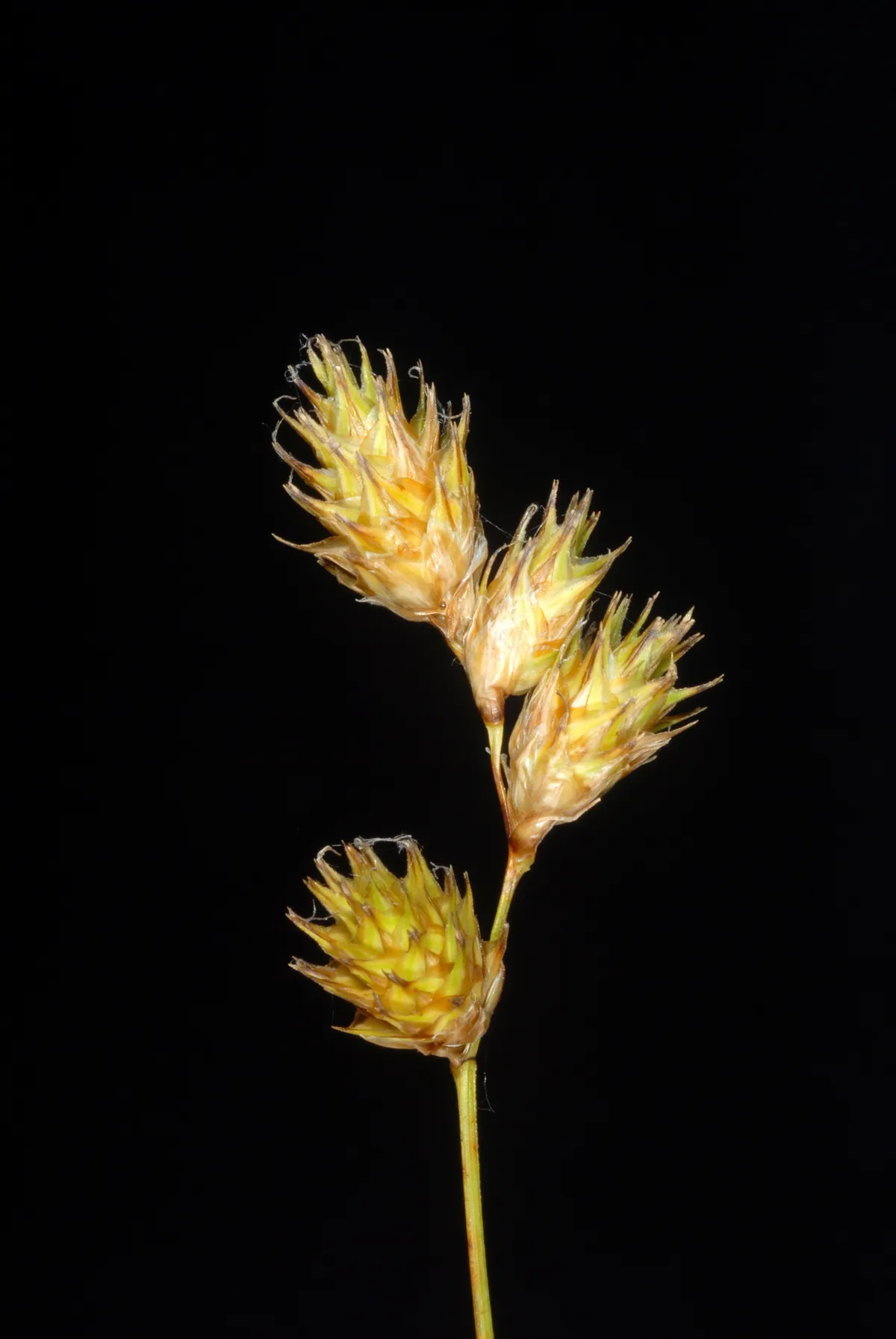
Carex bicknellii is a clump forming sedge that blooms from May through July and thrives in full sun with medium moisture, often seen in prairies and meadows across the central and eastern United States.
Toxicity unknown
Bicknell's Sedge (Carex bicknellii) is not listed by the ASPCA Animal Poison Control Center (opens in new tab) or the other sources we check, so we have no verdict for it either way. Absence from those lists is not a clearance. If your pet shows symptoms after eating any plant, call the ASPCA at (888) 426-4435.
The USDA PLANTS Database (opens in new tab) does not flag Bicknell's Sedge as toxic to livestock.
Light
full sun
Water
medium
Size
12"–36" H × 6"–18" W
Bloom
May, Jun, Jul
Native to
AR, CT, DE, IA and 19 more states
Pollinators
bees
Before you buy
Your city may pay you to plant this
Cities and water utilities offer rebates for replacing lawn with native and water-wise plants. We track 459 programs across 44 states, each with a link to the provider and the date we last checked it.
Find rebates in your areaPicture natives in your own yard
Upload a photo of your yard and Patch Vision shows a rendering of it planted with natives for your region, like Bicknell's Sedge.


Browse plants for this ecoregion
Bicknell's sedge is a native bunch grass that forms neat clumps with narrow, arching foliage. It produces small, inconspicuous flower spikes in late spring and summer, then goes dormant in winter.
Growing Bicknell's Sedge
Grow Bicknell's Sedge in full sun and medium water. Mature plants reach 12 to 36 inches tall and spread 6 to 18 inches wide. Expect low maintenance to keep it looking intentional in a front yard.
How to care for Bicknell's Sedge, by region
How to care for Bicknell's Sedge where it is actually grown: year-round basics plus what to do each season, region by region, with the sources for each.
Care guidance last updated: October 2026
Huron/Erie Lake Plains (includes Toledo, OH)
Year-round
Bicknell's sedge is a clump forming native prairie sedge that grows well in Toledo yards with sun to light shade and average to dry, well drained soil.
- Give it a spot in full sun to light shade with well drained soil. It tolerates dry spells once its roots are established but does not like sitting in constant standing water.
- Expect a tidy, fountain like clump of fine, grass like blades reaching around two feet, with flowering stalks that can stretch up to three feet.
- Water new plantings regularly through the first growing season. Established clumps only need extra water during long dry stretches.
- Never shear the whole clump down to bare crowns. Only pull out old, tangled seed stems and snip off a few dead tips at a time, cutting it hard can kill it.
- Ohio's Department of Natural Resources lists this sedge as a threatened native plant in the state, so a nursery grown plant in a Toledo area garden is helping a species that is under pressure in the wild.
Fall
Fall is this sedge's second active growth window, and Toledo gardeners should leave it standing rather than cutting it back.
- This sedge grows again in fall as the soil cools, so do not expect it to go fully dormant right away, even as nearby warm season grasses fade.
- Leave the foliage standing through fall. In the Toledo area, the average first frost falls in early October, and this sedge does not need a fall cutback.
- After the seed heads have dropped or been eaten by birds, fall is a good window to divide an established clump or move it before the ground freezes.
- Skip fall fertilizer. This sedge comes from lean prairie soil, and extra feeding tends to produce floppy growth instead of a tidy clump.
Leaving this sedge standing through fall reads as an intentional low mow, prairie style planting to an HOA, not an unmowed lawn, especially with a crisp bed edge.
Winter
This sedge holds a low, semi-evergreen clump through a Toledo winter and needs almost no care once established.
- Foliage is semi-evergreen to deciduous, so expect the blades to hold some green to tan color through a Toledo winter rather than dying back completely.
- An established clump is hardy through Toledo's winters without mulching, wrapping, or any other winter protection.
- If you planted new starts in fall, a light layer of shredded leaf mulch around, not on top of, the crown helps protect the roots through hard freezes until spring growth starts.
- Avoid walking on the clump when snow or ice is on it. Wet, heavy snow can flatten the blades and open the crown to rot.
Because this sedge keeps an upright, tidy winter silhouette instead of collapsing into a brown mat, it reads as intentional winter interest to an HOA rather than an unmaintained bed.
Spring
Spring is this sedge's main growth spurt in Toledo, with fresh green blades pushing up before most warm season grasses wake up.
- This sedge is a cool season grower, so it greens up early, often before the last frost. In the Toledo area that typically falls in late April to early May, and the plant can handle a late cold snap.
- Early spring, before new blades push through, is the right time to comb out last year's dead and tangled seed stems. Pull the loose ones and trim a few tips, do not cut the clump down to the ground.
- This is also a good window to divide an overcrowded clump or plant new starts, since the plant puts energy into root growth while the soil is still cool.
- Keep the soil evenly moist through spring rains for the first year or two. Toledo's clay heavy soils can hold water, so check that the planting spot drains and does not stay soggy.
Combing out the old winter growth in early spring reads as deliberate upkeep to an HOA, not a neglected bed.
Summer
Summer is when this sedge shows off its copper colored seed heads, and it needs little care once established in a Toledo garden.
- Flowering happens in June and July, followed by the copper colored oval seed heads that give this sedge its common name.
- Once established, it handles Toledo's hot, humid summer stretches better than many other sedges. Water only during extended dry spells, roughly once a week if there has been no rain.
- It grows well in full sun here, but a little afternoon shade can help it look its best during the most humid weeks of July and August.
- Leave the seed heads in place through summer. Upland birds and sparrows eat the seeds, and no cutting back is needed at this stage.
Sources: Lady Bird Johnson Wildflower Center, Carex bicknellii profile, USDA PLANTS Database, Carex bicknellii profile, Ohio DNR, 2024-25 Ohio Rare Native Plants Status List, Mt. Cuba Center, Carex for the Mid-Atlantic Region trial, Carex bicknellii, Prairie Moon Nursery, Carex bicknellii growing info, Garden Mentors, Caring for Carex (community tip)
Ridge and Valley (includes Harrisburg, PA)
Year-round
Bicknell's sedge is a clumping sedge that copes with a wide range of soil moisture.
- It is described growing in soils from dry to waterlogged, often sandy.
- Plants reach roughly 1 to 3.5 feet tall.
- Detailed light needs were not found, so start in sun to part shade and watch how it does.
- Water new plants through their first season in Harrisburg, then ease off.
Fall
Fall is another good planting window before the ground freezes.
- Plant by early October so roots can settle before winter.
- Leave seed heads in place if you like the look.
- Keep new plantings watered until the ground freezes.
Winter
Little to do in winter, the clump can simply stand.
- Leave the foliage up through winter, since there is no need to cut it now.
- Do not fertilize.
- Tidy any damaged leaves in late winter or early spring.
Spring
Spring is a good time to plant and to tidy last year's growth.
- Plant once the soil is workable, usually April in Harrisburg.
- Trim off any brown, winter-worn leaves before new growth gets going.
- Water weekly if spring is dry for the first year.
Summer
Established clumps need little care, and new plants need steady moisture.
- Water new plants about once a week during dry spells.
- A thin layer of mulch keeps soil from drying out fast.
- Established clumps in sandy or drier soil usually manage on rainfall.
Sources: Go Botany: Carex bicknellii
In an HOA neighborhood
Bicknell's Sedge is an HOA-friendly choice. Maintenance level: low. Tidiness: 4 out of 5.
Works well in: front yard, foundation, street edge, mid zone.
- Goes dormant in winter, leaving brown stubble until spring
Wildlife value
This sedge provides nectar for native bees during its bloom period. The seeds also feed various songbirds in late summer and fall.
Common questions
- When does Bicknell's sedge bloom?
- Carex bicknellii typically flowers from May through July, producing inconspicuous greenish spikes typical of prairie sedges.
- What growing conditions does Bicknell's sedge prefer?
- This sedge grows best in full sun to part sun with medium soil moisture, making it well suited to prairie restorations and meadow plantings.
- Do pollinators use Bicknell's sedge?
- Bees visit Carex bicknellii, and like many sedges it also provides food for the caterpillars of several skipper butterflies.
- Is Bicknell's sedge a good choice for a rain garden or dry meadow?
- Because it tolerates medium moisture levels, it can work in average garden soil as well as seasonally moist prairie plantings, though it is not suited to standing water or very dry sites.
- Is Bicknell's Sedge toxic to livestock?
- The USDA PLANTS Database does not flag Bicknell's Sedge as toxic to livestock.
- Is Bicknell's Sedge HOA-friendly?
- Bicknell's Sedge is generally an HOA-friendly choice in the right placement, with low maintenance.
These answers were drafted with an AI model from this plant's data. Verify care details with a local expert.
Native range data from the World Checklist of Vascular Plants (Kew). Pollinator and host plant associations compiled from GBIF, iNaturalist, and published ecological literature.
If something looks wrong
Common plant problems, and what to check first
These come up on almost any plant. Each guide lists the likely causes in the order they are worth ruling out, with one thing to check before you act on any of them, and links to the source it came from.
- It is dying right after planting
- Leaves turning yellow
- Wilting even though I watered it
- Brown crispy leaf tips
- Bugs on the plant
Ready to grow Bicknell's Sedge? Add it to your garden in Pollinator Patch to track it and get season-by-season care guidance.