Fall Aster
Symphyotrichum oblongifolium
Last reviewed: October 2026
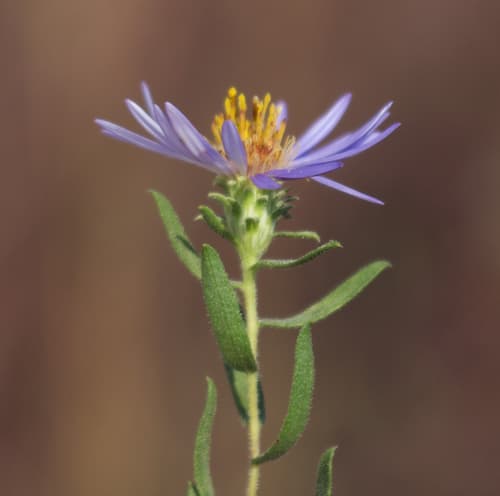
Symphyotrichum oblongifolium, aromatic aster, produces purple daisy-like flowers from August through October and grows well in full sun with well drained, low water soil.
Toxicity unknown
Fall Aster (Symphyotrichum oblongifolium) is not listed by the ASPCA Animal Poison Control Center (opens in new tab) or the other sources we check, so we have no verdict for it either way. Absence from those lists is not a clearance. If your pet shows symptoms after eating any plant, call the ASPCA at (888) 426-4435.
Light
full sun
Water
low
Size
12"–36" H × 24"–36" W
Bloom
Sep, Oct, Nov
Native to
AL, AR, CO, IA and 23 more states
Pollinators
bees, butterflies, beetles, moths
Before you buy
Your city may pay you to plant this
Cities and water utilities offer rebates for replacing lawn with native and water-wise plants. We track 459 programs across 44 states, each with a link to the provider and the date we last checked it.
Find rebates in your areaPicture natives in your own yard
Upload a photo of your yard and Patch Vision shows a rendering of it planted with natives for your region, like Fall Aster.


Browse plants for this ecoregion
Aromatic aster is a compact native wildflower that produces masses of small purple or blue flowers from late summer through fall. This drought-tolerant perennial forms neat, bushy clumps and provides crucial late-season blooms when few other flowers are available.
Growing Fall Aster
Grow Fall Aster in full sun and low water. Mature plants reach 12 to 36 inches tall and spread 24 to 36 inches wide. Expect low maintenance to keep it looking intentional in a front yard.
How to care for Fall Aster, by region
How to care for Fall Aster where it is actually grown: year-round basics plus what to do each season, region by region, with the sources for each.
Care guidance last updated: October 2026
Cross Timbers (includes Fort Worth, TX)
Year-round
Aromatic aster is native to North Texas prairies and stays a quiet low mound most of the year, then covers itself in small violet blue daisies with yellow centers from August into October, right as most other plants are finishing for the season. It is drought tolerant once established and needs very little upkeep.
- Plant in full sun; it gets thin and floppy in part shade.
- In the heavier black clay soils, set the crown slightly above grade or amend the planting hole for drainage; in the sandier soils west of the metro it drains faster but will need water more often through its first summer.
- Space new plants 18 to 24 inches apart since it spreads slowly by shallow rhizomes and fills in over two to three seasons.
- Crush a leaf between your fingers to check for the plant's characteristic scent, a quick way to confirm you have the right species.
- Once established after a full year in the ground, water only during extended dry spells; regular watering or fertilizer encourages a loose, floppy habit.
Fall
Fall is aromatic aster's show, from late August through October, when it covers itself in small violet blue flowers with yellow centers right as most other plants are finishing for the season.
- Expect peak bloom from late August through October, one of the last nectar sources of the year for bees and butterflies passing through.
- No deadheading is needed to keep it flowering, though shearing spent clusters in late October can tidy the look before winter.
- Leave flowering stems standing after bloom rather than cutting back right away; the seed heads feed birds into winter.
- Divide crowded clumps in early fall every three years if the center starts thinning out.
A full mound of small violet flowers in fall reads as an intentional, well-tended planting, especially next to a mowed edge or clean bed line.
Winter
Aromatic aster goes fully dormant in winter. Once a hard frost browns the foliage, usually mid November or later, it is ready to be cut back close to the ground.
- Wait until foliage has fully browned after a killing frost, then cut the whole clump back to a low basal rosette a few inches above ground.
- Leave the cut stems and fallen leaves in place through winter as light mulch, then clear debris in late February before new growth starts.
- Skip watering during winter dormancy except during an extended stretch of several weeks with no rain.
- Established plants tolerate North Texas' short hard freezes and occasional severe Arctic outbreaks without protection; a plant set out its first fall benefits from an inch of mulch over the crown.
A cut-back, mulched clump reads as deliberate winter tidying rather than a dead or neglected bed.
Spring
Spring, after the last frost in mid March, is the right time to put aromatic aster in the ground. New plants need steady moisture while their roots establish before North Texas summer heat arrives.
- Plant from mid March through April so roots have time to establish before July heat.
- Water new plantings two to three times a week for the first six weeks, then taper off as roots take hold.
- Space plants 18 to 24 inches apart to leave room for its slow spread.
- Skip fertilizer at planting; this plant is adapted to lean prairie soil and grows floppier in rich beds.
Summer
July and August are hard on new plantings, but an established aromatic aster handles North Texas heat well. A midsummer trim keeps it compact instead of tall and floppy going into its fall bloom.
- In June, shear or pinch the whole plant back by no more than half its height to encourage bushier, sturdier growth that resists flopping when it blooms.
- Water first-year plants weekly during stretches of 100F-plus days with no rain; plants in their second year and beyond usually need no extra water.
- Leave a few inches of space between plants for airflow, since crowded, humid conditions can bring on powdery mildew on the leaves.
- Do not fertilize during summer; extra nitrogen produces weak, floppy stems.
A midsummer shearing keeps the mound tidy and compact through the hottest months, avoiding the leggy, sprawling look that can read as an unkept bed.
Sources: Lady Bird Johnson Wildflower Center, Symphyotrichum oblongifolium, Missouri Botanical Garden Plant Finder, Symphyotrichum oblongifolium, USDA NRCS Plant Fact Sheet, Aromatic Aster
Eastern Corn Belt Plains (includes Columbus, OH)
Year-round
A tough fall aster for sun and poor soil.
- Plant in full sun with well-drained soil.
- It is drought tolerant and poor soil tolerant.
- It is resistant to browsing by deer and rabbits.
- Maintenance is low.
Fall
Late flowers feed pollinators and seeds feed wildlife.
- The plant attracts butterflies and other pollinators.
- Wind-dispersed seeds display in October and November.
- It can spread by wind-dispersed seeds or by stolons.
Winter
Leave the stems standing for bees.
- Cut back dead stems to 12 to 24 inches and let them stand until they disintegrate on their own.
- Native bees nest in the dead, hollow stems.
- The plant is hardy in USDA zones 3a through 8b.
Spring
Spring is a good time to check airflow and drainage.
- Improving drainage and air circulation helps reduce foliar diseases.
- Poorly drained clay soil and poor air circulation can contribute to disease.
- Asters can have some susceptibility to powdery mildew and aster wilt.
Summer
It handles dry spells.
- It is both drought tolerant and tolerant of coastal conditions.
- There are no serious insect or disease problems, though powdery mildew and aster wilt can occur.
- Full sun helps keep it healthy.
Sources: NC State Extension Plant Toolbox, Symphyotrichum oblongifolium
Northern Piedmont (includes Lancaster, PA)
Year-round
Aromatic aster is a mounding perennial with purple daisies from late summer until frost. It likes full sun and well-drained soil.
- Plant in full sun with at least 6 hours of light.
- It grows about 3 feet tall and wide in a dense mound.
- It tolerates poor soil and some dryness.
- Poor air flow and soggy clay raise the risk of powdery mildew.
Cutting stems to 12 to 24 inches in late winter keeps the bed neat.
Fall
Purple flowers open from late summer until frost.
- Enjoy the late bloom.
- Leave seedheads for birds.
- Watch for aster wilt in poorly drained soil.
- Cut nothing back until winter.
Winter
The plant is dormant. Leave the stems standing if you like the winter look.
- Cut dead stems to 12 to 24 inches and leave the stubs standing.
- No winter watering is needed.
- Rake leaves off the crown.
- Zone 6b to 7a winters are fine.
Spring
New growth starts in spring. This is a good time to divide and to check drainage.
- Divide crowded clumps in spring.
- Give plants space for air flow.
- Skip heavy fertilizer.
- Water new plants regularly.
Summer
Plants fill out into a mound. Keep them dry on top and watch for mildew in humid weather.
- Water at the base, not the leaves.
- Thin crowded stems if mildew shows.
- Deer and rabbits tend to leave it alone.
- Established plants handle dry spells.
Sources: NC State Extension Plant Toolbox: Symphyotrichum oblongifolium
Ouachita Mountains (includes Hot Springs, AR)
Year-round
Aromatic aster is a native, bushy perennial around Hot Springs that blooms blue purple from September into November, right as many other flowers are finishing for the year.
- Plant in full sun in dry to average, well drained soil. It tolerates the region's rocky and clay soils well.
- Avoid rich, heavily amended soil or too much water, which causes floppy, weak stems.
- Crushed foliage has a distinct aromatic scent. That is normal and not a sign of a problem.
- It is documented as one of the best late season nectar sources for southbound migrating monarch butterflies, per Xerces Society monarch nectar plant guides.
- Pinch or shear stems back by about a third in late spring or early summer to keep the plant compact and reduce flopping.
- Divide clumps every two to three years in spring to maintain vigor and control size.
Shearing back by about a third in late spring keeps this aster compact and upright instead of sprawling open across a front bed by fall.
Fall
Fall, from September into November in the Hot Springs area, is when aromatic aster puts on its main show of blue purple flowers, lasting right up to the first frost.
- Expect peak bloom from September through October, sometimes lasting into November before the first frost.
- Leave flowers in place for pollinators. Aromatic aster is documented as an important nectar source for monarchs during their fall migration south.
- Deadhead only if a tidier look is wanted. This species does not typically need it to keep blooming.
- Divide overcrowded clumps after bloom finishes if needed, though spring division is usually easier.
- Cut stems back after a hard freeze, which usually arrives in the Hot Springs area in early November.
Deadheading spent blooms after the main flush keeps the front of bed look neat without cutting off the fall nectar show while it is still active.
Winter
Aromatic aster dies back to a low basal clump for winter in the Hot Springs area's mild, USDA zone 8a climate.
- Cut back dead stems after frost, or leave them standing for winter interest and to shelter overwintering insects.
- No winter mulch or protection is needed for this species in USDA zone 8a.
- Avoid working wet soil during winter rains. Compacting the clay is easy to do and hard to undo.
- Use the dormant season to plan where to divide clumps once spring growth starts.
- Watch the crown for the first sign of new basal growth, usually by late winter to early spring.
Choosing to cut stems back after frost, rather than leaving them all winter, is the simpler option for a front bed that needs to look tended.
Spring
In spring, roughly April through early June in the Hot Springs area, aromatic aster puts on vegetative growth, and this is the best window to pinch it back for a tidier fall shape.
- Cut back any dead stems left from last season as soon as new growth appears at the base.
- Pinch or shear the plant back by about a third once it reaches six to eight inches tall, typically in late spring.
- Divide crowded clumps now if the planting has spread more than wanted.
- Avoid heavy fertilizing. Lean soil keeps growth compact rather than leggy.
- Water new transplants regularly until established. Mature plants need little supplemental water even in spring.
Pinching back in late spring, before flower buds form, is the main tool for keeping this aster from flopping open across a bed by fall.
Summer
Through Hot Springs' hot, humid summer, aromatic aster grows steadily but will not bloom yet, and a second light pinch in early summer helps control its size.
- Give a second light pinch or shear in early summer, no later than early July, so it still has time to set fall buds.
- Water only during extended dry spells. This species prefers dry to average soil over frequent watering.
- Watch for powdery mildew in humid, crowded conditions, and space plants for airflow.
- Avoid rich soil or heavy fertilizing, both of which lead to weak, floppy stems.
- Expect mostly green, bushy growth with no flowers until late summer or fall.
A July pinch keeps the plant compact and upright for its fall bloom instead of sprawling into a walkway.
Sources: Lady Bird Johnson Wildflower Center: Symphyotrichum oblongifolium, Xerces Society: Monarch Nectar Plant Guides, NC State Extension Gardener Plant Toolbox: Symphyotrichum oblongifolium, Old Farmer's Almanac: Frost Dates for Hot Springs, AR (community tip)
Ridge and Valley (includes Harrisburg, PA)
Year-round
Aromatic aster is a mounding fall bloomer that wants full sun and soil that drains well. It makes purple blooms from late summer until frost.
- Give it full sun, 6 or more hours a day.
- Use well-drained soil. Clay, loam, and sand all work.
- It grows 1 to 3 feet tall and wide in a dense mound.
- Deer and rabbits tend to leave it alone, says NC State.
- Poor drainage and tight spacing invite powdery mildew and aster wilt.
Fall
Fall is the show. Flowers open in late summer and last until the first frost.
- Water new plants during dry autumn weeks.
- Let the flowers finish. Seed is spread by wind.
- Wait to cut stems back until winter or spring.
- Fall is a good time to plant new asters in Harrisburg.
Mounded asters in bloom look intentional in a front bed. Tidy the edges and keep stems off walkways.
Winter
In winter the plant is dormant. Leave stems standing for now.
- No watering is needed once the ground freezes.
- Cut stems back to 12 to 24 inches in late winter or spring if you want a neater look.
- Mark the spot so you do not dig it up by mistake.
Spring
In spring the plant wakes up and starts new shoots. Give it space and good drainage.
- Cut old stems down to 12 to 24 inches if you have not already.
- Leave stem stubs standing a while so they can break down on their own.
- Spread out crowded clumps so air can move through.
- Water new plants weekly until roots settle.
Summer
Summer is growing time. Established plants handle some dry spells, so do not overwater.
- Water new plants during dry weeks.
- Skip heavy feeding. Average soil is fine.
- Keep an eye out for white powder on leaves.
- Good airflow and drainage help prevent mildew and wilt.
Sources: NC State Extension Plant Toolbox: Symphyotrichum oblongifolium
Texas Blackland Prairies (includes Dallas, TX)
Year-round
Aromatic aster is native to North Texas prairies and stays a quiet low mound most of the year, then covers itself in small violet blue daisies with yellow centers from August into October, right as most other plants are finishing for the season. It is drought tolerant once established and needs very little upkeep.
- Plant in full sun; it gets thin and floppy in part shade.
- In the heavier black clay soils, set the crown slightly above grade or amend the planting hole for drainage; in the sandier soils west of the metro it drains faster but will need water more often through its first summer.
- Space new plants 18 to 24 inches apart since it spreads slowly by shallow rhizomes and fills in over two to three seasons.
- Crush a leaf between your fingers to check for the plant's characteristic scent, a quick way to confirm you have the right species.
- Once established after a full year in the ground, water only during extended dry spells; regular watering or fertilizer encourages a loose, floppy habit.
Fall
Fall is aromatic aster's show, from late August through October, when it covers itself in small violet blue flowers with yellow centers right as most other plants are finishing for the season.
- Expect peak bloom from late August through October, one of the last nectar sources of the year for bees and butterflies passing through.
- No deadheading is needed to keep it flowering, though shearing spent clusters in late October can tidy the look before winter.
- Leave flowering stems standing after bloom rather than cutting back right away; the seed heads feed birds into winter.
- Divide crowded clumps in early fall every three years if the center starts thinning out.
A full mound of small violet flowers in fall reads as an intentional, well-tended planting, especially next to a mowed edge or clean bed line.
Winter
Aromatic aster goes fully dormant in winter. Once a hard frost browns the foliage, usually mid November or later, it is ready to be cut back close to the ground.
- Wait until foliage has fully browned after a killing frost, then cut the whole clump back to a low basal rosette a few inches above ground.
- Leave the cut stems and fallen leaves in place through winter as light mulch, then clear debris in late February before new growth starts.
- Skip watering during winter dormancy except during an extended stretch of several weeks with no rain.
- Established plants tolerate North Texas' short hard freezes and occasional severe Arctic outbreaks without protection; a plant set out its first fall benefits from an inch of mulch over the crown.
A cut-back, mulched clump reads as deliberate winter tidying rather than a dead or neglected bed.
Spring
Spring, after the last frost in mid March, is the right time to put aromatic aster in the ground. New plants need steady moisture while their roots establish before North Texas summer heat arrives.
- Plant from mid March through April so roots have time to establish before July heat.
- Water new plantings two to three times a week for the first six weeks, then taper off as roots take hold.
- Space plants 18 to 24 inches apart to leave room for its slow spread.
- Skip fertilizer at planting; this plant is adapted to lean prairie soil and grows floppier in rich beds.
Summer
July and August are hard on new plantings, but an established aromatic aster handles North Texas heat well. A midsummer trim keeps it compact instead of tall and floppy going into its fall bloom.
- In June, shear or pinch the whole plant back by no more than half its height to encourage bushier, sturdier growth that resists flopping when it blooms.
- Water first-year plants weekly during stretches of 100F-plus days with no rain; plants in their second year and beyond usually need no extra water.
- Leave a few inches of space between plants for airflow, since crowded, humid conditions can bring on powdery mildew on the leaves.
- Do not fertilize during summer; extra nitrogen produces weak, floppy stems.
A midsummer shearing keeps the mound tidy and compact through the hottest months, avoiding the leggy, sprawling look that can read as an unkept bed.
Sources: Lady Bird Johnson Wildflower Center, Symphyotrichum oblongifolium, Missouri Botanical Garden Plant Finder, Symphyotrichum oblongifolium, USDA NRCS Plant Fact Sheet, Aromatic Aster
In an HOA neighborhood
Fall Aster is an HOA-friendly choice. Maintenance level: low. Tidiness: 3 out of 5.
Works well in: foundation, mid zone.
- Can look sparse in winter when dormant
- May spread more than expected if conditions are favorable
Wildlife value
This plant is a pollinator powerhouse, supporting bees, butterflies, and beetles during the critical fall migration period. It serves as a host plant for several butterfly species and provides nectar when most other flowers have finished blooming.
Common questions
- When does aromatic aster bloom?
- Aromatic aster typically flowers from August into October, providing color late in the growing season when many other perennials have finished blooming.
- What growing conditions suit aromatic aster best?
- It does best in full sun with well drained soil and needs little supplemental water once it is established, making it a good choice for dry, sunny sites.
- What insects visit aromatic aster?
- Bees, butterflies, and beetles commonly visit the flowers for nectar and pollen during the fall bloom period.
- Does aromatic aster need much watering?
- No. It has low water needs and tolerates dry spells well, though it can handle occasional periods of moderate moisture without decline.
- Is Fall Aster HOA-friendly?
- Fall Aster is generally an HOA-friendly choice in the right placement, with low maintenance.
These answers were drafted with an AI model from this plant's data. Verify care details with a local expert.
Native range data from vouchered herbarium specimen records and regional native plant society lists. Pollinator and host plant associations compiled from GBIF, iNaturalist, and published ecological literature.
If something looks wrong
Common plant problems, and what to check first
These come up on almost any plant. Each guide lists the likely causes in the order they are worth ruling out, with one thing to check before you act on any of them, and links to the source it came from.
- It is dying right after planting
- Leaves turning yellow
- Wilting even though I watered it
- Brown crispy leaf tips
- Bugs on the plant
Ready to grow Fall Aster? Add it to your garden in Pollinator Patch to track it and get season-by-season care guidance.