Cherokee Sedge
Carex cherokeensis
Last reviewed: August 2026
Cherokee sedge is a clumping, grass-like sedge that blooms from March through May and grows well in moist woodlands, floodplains, and shaded to partly sunny garden beds across the southeastern and south-central United States.
Toxicity unknown
Cherokee Sedge (Carex cherokeensis) is not listed by the ASPCA Animal Poison Control Center (opens in new tab) or the other sources we check, so we have no verdict for it either way. Absence from those lists is not a clearance. If your pet shows symptoms after eating any plant, call the ASPCA at (888) 426-4435.
Light
part sun
Water
medium
Size
24"–30" H × 6"–12" W
Bloom
Mar, Apr, May
Native to
AL, AR, FL, GA and 10 more states
Pollinators
butterflies, moths
Before you buy
Your city may pay you to plant this
Cities and water utilities offer rebates for replacing lawn with native and water-wise plants. We track 452 programs across 44 states, each with a link to the provider and the date we last checked it.
Find rebates in your areaBrowse plants for this ecoregion
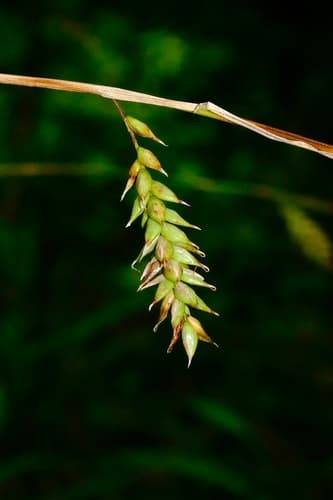
Cherokee Sedge is a clumping native grass that forms neat, upright tufts of narrow evergreen foliage. It produces inconspicuous flowers in spring and maintains an attractive appearance year-round with minimal care.
Growing Cherokee Sedge
Grow Cherokee Sedge in part sun and medium water. Mature plants reach 24 to 30 inches tall and spread 6 to 12 inches wide. Expect low maintenance to keep it looking intentional in a front yard.
How to care for Cherokee Sedge, by region
How to care for Cherokee Sedge where it is actually grown: year-round basics plus what to do each season, region by region, with the sources for each.
Care guidance last updated: September 2026
Cross Timbers (includes Fort Worth, TX)
Year-round
Cherokee sedge is a low, clumping evergreen grasslike plant native to the woodland edges of North Texas, and it does best in part shade with regular moisture. It is not on the ASPCA toxic plant list, and it is a larval host plant for several skipper and satyr butterflies.
- Native to the woodlands of the Cross Timbers and Blackland Prairies region here in North Texas, so it fits a local butterfly garden without being a foreign transplant
- Plant it in part shade, dappled shade or morning sun with afternoon shade both work; a full day of hot sun will scorch and thin the clump
- Give it regular water. It tolerates some drought once established but keeps its best color and fullness with even moisture
- Divide crowded clumps every 3 to 4 years in early spring to keep the foliage dense and stop a bare center from forming
- It is a larval host plant for Dion skipper, Dun's skipper, and satyr butterflies, and it is not on the ASPCA toxic plant list
Fall
Fall is a good second window to divide congested clumps or plant new sedge, since cooler weather lets roots settle in before next summer's heat.
- September through November is a good window to divide and transplant clumps once daytime highs drop out of the 90s
- Water new fall divisions 2 to 3 times a week for the first month. First frost typically does not arrive until mid November here, so there is time to establish
- Leave the evergreen foliage standing through fall, it holds its deep green color on its own and does not need to be cut back
- Rake fallen tree leaves off the crown regularly so the sedge does not get smothered under a heavy leaf layer
An evergreen sedge patch staying green through autumn while nearby turf goes dormant or brown reads as an intentional, cared for planting rather than unmaintained ground.
Winter
Cherokee sedge stays evergreen through a typical North Texas winter and needs little beyond an occasional light grooming before new spring growth starts.
- In late February, before new growth starts, cut the clump back to about 4 to 6 inches to remove any winter damaged tips. This is not required every year, only when the foliage looks ragged
- During a hard Arctic freeze, foliage may flatten or brown temporarily. Most clumps green back up on their own once temperatures moderate
- Skip supplemental watering during cold snaps, but give it a light drink during dry winter stretches if there has been no rain for several weeks
- Hold off on dividing until spring. Sedge divided in winter roots more slowly in cold soil
Cutting the clump back in late February keeps the bed looking tended right before spring green up, rather than leaving ragged brown tips through the season.
Spring
Spring is both the bloom season and the best window to plant new Cherokee sedge, since it has time to root in before North Texas summer heat arrives.
- Plant new nursery pots or divided clumps in March or April, before soil temperatures climb. In heavy black clay, set the crown slightly high on a small mound so water does not pool around it, and in the sandier soils west of the metro plan to water more often through the first summer since it drains faster there
- Watch for the arching, seed tipped flower stalks that rise 18 to 24 inches above the foliage from March through May, they are quiet and easy to miss but are normal for the plant
- Water new plantings 2 to 3 times a week for the first 6 to 8 weeks so roots are established before the heat sets in
- Top dress with 1 to 2 inches of mulch, kept pulled back from the crown, to hold spring moisture in the soil
A freshly planted, mulched sedge patch with a clean edge reads as a deliberate border planting rather than an empty or unmown bed.
Summer
July and August heat is the hardest test for Cherokee sedge, especially any plant that went in the ground within the last year, so steady water matters more than a fixed schedule.
- Deep water once or twice a week through 100F stretches. A sedge that dries out completely will show scorched, browning leaf tips within a few days
- Established clumps more than a year old can go longer between waterings if they are sited in part shade, but spring plantings still need close watching through August
- Keep about 2 inches of mulch over the root zone. It slows evaporation and, in the heavy black clay of the area, eases the surface cracking that shows up during dry stretches
- Do not shear the clump back in summer. Wait for late winter, cutting now removes foliage the crown needs for shade through the hottest weeks
An evenly green, mulched sedge patch through late summer reads as tended; browning tips from drought stress can read as neglect, so this is the season to stay ahead of watering.
Sources: Lady Bird Johnson Wildflower Center - Carex cherokeensis, Native Plant Society of Texas - Carex cherokeensis, ASPCA Toxic and Non-Toxic Plant List - Dogs
Ouachita Mountains (includes Hot Springs, AR)
Year-round
Cherokee sedge is an evergreen, shade-loving groundcover sedge that stays low, arching, and grassy through most of the year.
- Give it part shade to full shade with moist, well-drained soil. It struggles in full sun and in soggy, compacted spots.
- Plants form neat arching clumps that reach about a foot or more across. Space new plants roughly 12 to 18 inches apart if you want them to knit together as a groundcover.
- Leaves are evergreen to semi-evergreen, so this sedge does not go fully bare through a normal winter the way a lawn does.
- It spreads slowly from a fibrous, rhizomatous base and takes a season or two to fill in. Patience helps more than heavy feeding or frequent fertilizer.
- Once established it tolerates short dry spells, but it looks best with steady moisture through hot stretches since it is naturally a woodland plant.
Fall
Fall is mostly hands-off for Cherokee sedge, and the main job is knowing what not to cut back.
- Growth slows as days shorten. In Hot Springs the average first frost lands around November 1, with the first hard freeze more typical around November 10.
- Unlike perennials that die back to the ground each fall, this sedge stays mostly evergreen, so it skips the typical fall cutback that other garden beds get.
- Any leftover seed heads from summer can stay in place. They are not messy and will drop cleanly on their own.
- A light edging along a walkway or bed border, trimming stray leaf blades that flop into the path, is the only fall grooming this plant really needs.
Leaving the clump full through fall instead of cutting it back still reads as HOA-friendly. A clean edge along the walkway is what signals an intentional bed, not the cutback itself.
Winter
Cherokee sedge holds most of its evergreen leaves through a Hot Springs winter and needs very little from you.
- Hot Springs falls in USDA hardiness zone 8a on the current 2023 map, and this sedge handles that winter cold without dieback to the roots.
- Leaves may flatten, brown at the tips, or arch over after hard freezes, which in Hot Springs typically start around November 10 and can recur into March.
- Leave the foliage standing through winter. It still gives a soft green silhouette and skips the bare, dormant look many perennials have this time of year.
- Hold off on any tidy-up cut until late winter or very early spring, after the average last spring freeze around March 21, so a light shearing lines up with new growth rather than exposed crowns.
The evergreen clump keeps a neat, low winter silhouette on its own, no cutback required, which reads as tidy and HOA-friendly even in the coldest months.
Spring
Spring is when Cherokee sedge pushes fresh growth and sends up its wispy, grass-like flower stalks.
- New leaf growth flushes out through March and April as soil warms, filling in past any leaf tips that browned over winter.
- Flower stalks appear in mid to late spring. In Hot Springs, the average last spring freeze is around March 21 and the average last frost is around April 3, so an early flush can meet a late cold snap without real harm to the plant.
- If winter left the clump looking ragged, do one light shearing in early spring rather than a hard cutback to bare ground, and do it before the new growth takes over.
- Keep soil consistently moist as temperatures climb. Spring is usually the easiest season to get this right since rainfall tends to help.
A single light spring shearing, not a hard cutback, keeps the bed looking tidy and HOA-friendly while the new growth comes in.
Summer
Summer heat pushes this sedge to its full size, and the spring flower stalks ripen into seed heads.
- Height roughly doubles from a winter low of 6 to 8 inches up toward about 18 inches once the plant is in full summer growth.
- The wheat-like seed heads, about 2 inches long, ripen from green to tan by early summer and then drop cleanly on their own.
- Hot Springs summers run hot and humid. Give the clump steady moisture, especially in spots that get afternoon sun, since this woodland sedge does not like to dry out for long stretches.
- No pruning is needed in summer. Let the seed heads finish and fall before any cleanup.
Sources: Lady Bird Johnson Wildflower Center: Carex cherokeensis plant profile, University of Arkansas Cooperative Extension: Plant of the Week, Cherokee Sedge, National Weather Service Little Rock: Frost and Freeze Information for Arkansas, University of Arkansas Cooperative Extension: 2023 Plant Hardiness Zone Maps
Texas Blackland Prairies (includes Dallas, TX)
Year-round
Cherokee sedge is a low, clumping evergreen grasslike plant native to the woodland edges of North Texas, and it does best in part shade with regular moisture. It is not on the ASPCA toxic plant list, and it is a larval host plant for several skipper and satyr butterflies.
- Native to the woodlands of the Cross Timbers and Blackland Prairies region here in North Texas, so it fits a local butterfly garden without being a foreign transplant
- Plant it in part shade, dappled shade or morning sun with afternoon shade both work; a full day of hot sun will scorch and thin the clump
- Give it regular water. It tolerates some drought once established but keeps its best color and fullness with even moisture
- Divide crowded clumps every 3 to 4 years in early spring to keep the foliage dense and stop a bare center from forming
- It is a larval host plant for Dion skipper, Dun's skipper, and satyr butterflies, and it is not on the ASPCA toxic plant list
Fall
Fall is a good second window to divide congested clumps or plant new sedge, since cooler weather lets roots settle in before next summer's heat.
- September through November is a good window to divide and transplant clumps once daytime highs drop out of the 90s
- Water new fall divisions 2 to 3 times a week for the first month. First frost typically does not arrive until mid November here, so there is time to establish
- Leave the evergreen foliage standing through fall, it holds its deep green color on its own and does not need to be cut back
- Rake fallen tree leaves off the crown regularly so the sedge does not get smothered under a heavy leaf layer
An evergreen sedge patch staying green through autumn while nearby turf goes dormant or brown reads as an intentional, cared for planting rather than unmaintained ground.
Winter
Cherokee sedge stays evergreen through a typical North Texas winter and needs little beyond an occasional light grooming before new spring growth starts.
- In late February, before new growth starts, cut the clump back to about 4 to 6 inches to remove any winter damaged tips. This is not required every year, only when the foliage looks ragged
- During a hard Arctic freeze, foliage may flatten or brown temporarily. Most clumps green back up on their own once temperatures moderate
- Skip supplemental watering during cold snaps, but give it a light drink during dry winter stretches if there has been no rain for several weeks
- Hold off on dividing until spring. Sedge divided in winter roots more slowly in cold soil
Cutting the clump back in late February keeps the bed looking tended right before spring green up, rather than leaving ragged brown tips through the season.
Spring
Spring is both the bloom season and the best window to plant new Cherokee sedge, since it has time to root in before North Texas summer heat arrives.
- Plant new nursery pots or divided clumps in March or April, before soil temperatures climb. In heavy black clay, set the crown slightly high on a small mound so water does not pool around it, and in the sandier soils west of the metro plan to water more often through the first summer since it drains faster there
- Watch for the arching, seed tipped flower stalks that rise 18 to 24 inches above the foliage from March through May, they are quiet and easy to miss but are normal for the plant
- Water new plantings 2 to 3 times a week for the first 6 to 8 weeks so roots are established before the heat sets in
- Top dress with 1 to 2 inches of mulch, kept pulled back from the crown, to hold spring moisture in the soil
A freshly planted, mulched sedge patch with a clean edge reads as a deliberate border planting rather than an empty or unmown bed.
Summer
July and August heat is the hardest test for Cherokee sedge, especially any plant that went in the ground within the last year, so steady water matters more than a fixed schedule.
- Deep water once or twice a week through 100F stretches. A sedge that dries out completely will show scorched, browning leaf tips within a few days
- Established clumps more than a year old can go longer between waterings if they are sited in part shade, but spring plantings still need close watching through August
- Keep about 2 inches of mulch over the root zone. It slows evaporation and, in the heavy black clay of the area, eases the surface cracking that shows up during dry stretches
- Do not shear the clump back in summer. Wait for late winter, cutting now removes foliage the crown needs for shade through the hottest weeks
An evenly green, mulched sedge patch through late summer reads as tended; browning tips from drought stress can read as neglect, so this is the season to stay ahead of watering.
Sources: Lady Bird Johnson Wildflower Center - Carex cherokeensis, Native Plant Society of Texas - Carex cherokeensis, ASPCA Toxic and Non-Toxic Plant List - Dogs
Want these tasks as reminders timed to your yard? Pollinator Patch turns this guidance into a season-by-season care plan for the plants you actually grow.
In an HOA neighborhood
Cherokee Sedge is an HOA-friendly choice. Maintenance level: low. Tidiness: 4 out of 5.
Works well in: front yard, mid zone.
- Cut back in late winter
Wildlife value
This sedge attracts butterflies and moths during its spring bloom period. The dense clumps also provide shelter for small wildlife and beneficial insects.
Common questions
- When does Cherokee sedge bloom?
- Cherokee sedge produces its inconspicuous flower spikes from March through May, with timing varying somewhat by region and moisture levels.
- How much sun does Cherokee sedge need?
- It grows best in part sun but tolerates a range from partly sunny spots to fairly deep shade, especially where soil stays consistently moist.
- How much water does Cherokee sedge need?
- This sedge prefers medium moisture but handles both wetter soils, such as floodplain edges, and drier conditions once it is established.
- Do pollinators use Cherokee sedge?
- Butterflies and moths visit and use sedges like this one, including some skipper butterfly species whose larvae feed on sedge foliage.
- Is Cherokee sedge evergreen?
- It is semi-evergreen, holding much of its arching green foliage through mild winters and dying back more fully in colder conditions.
- Is Cherokee Sedge HOA-friendly?
- Cherokee Sedge is generally an HOA-friendly choice in the right placement, with low maintenance.
These answers were drafted with an AI model from this plant's data. Verify care details with a local expert.
Native range data from vouchered herbarium specimen records and regional native plant society lists. Pollinator and host plant associations compiled from GBIF, iNaturalist, and published ecological literature.
If something looks wrong
Common plant problems, and what to check first
These come up on almost any plant. Each guide lists the likely causes in the order they are worth ruling out, with one thing to check before you act on any of them, and links to the source it came from.
- It is dying right after planting
- Leaves turning yellow
- Wilting even though I watered it
- Brown crispy leaf tips
- Bugs on the plant
Ready to grow Cherokee Sedge? Add it to your garden in Pollinator Patch to track it and get season-by-season care guidance.
Planning a bed around it? Start a free plan with this plant
Not sure where to start? Take the 2-minute yard quiz