Canadian Elder
Sambucus canadensis
Last reviewed: October 2026
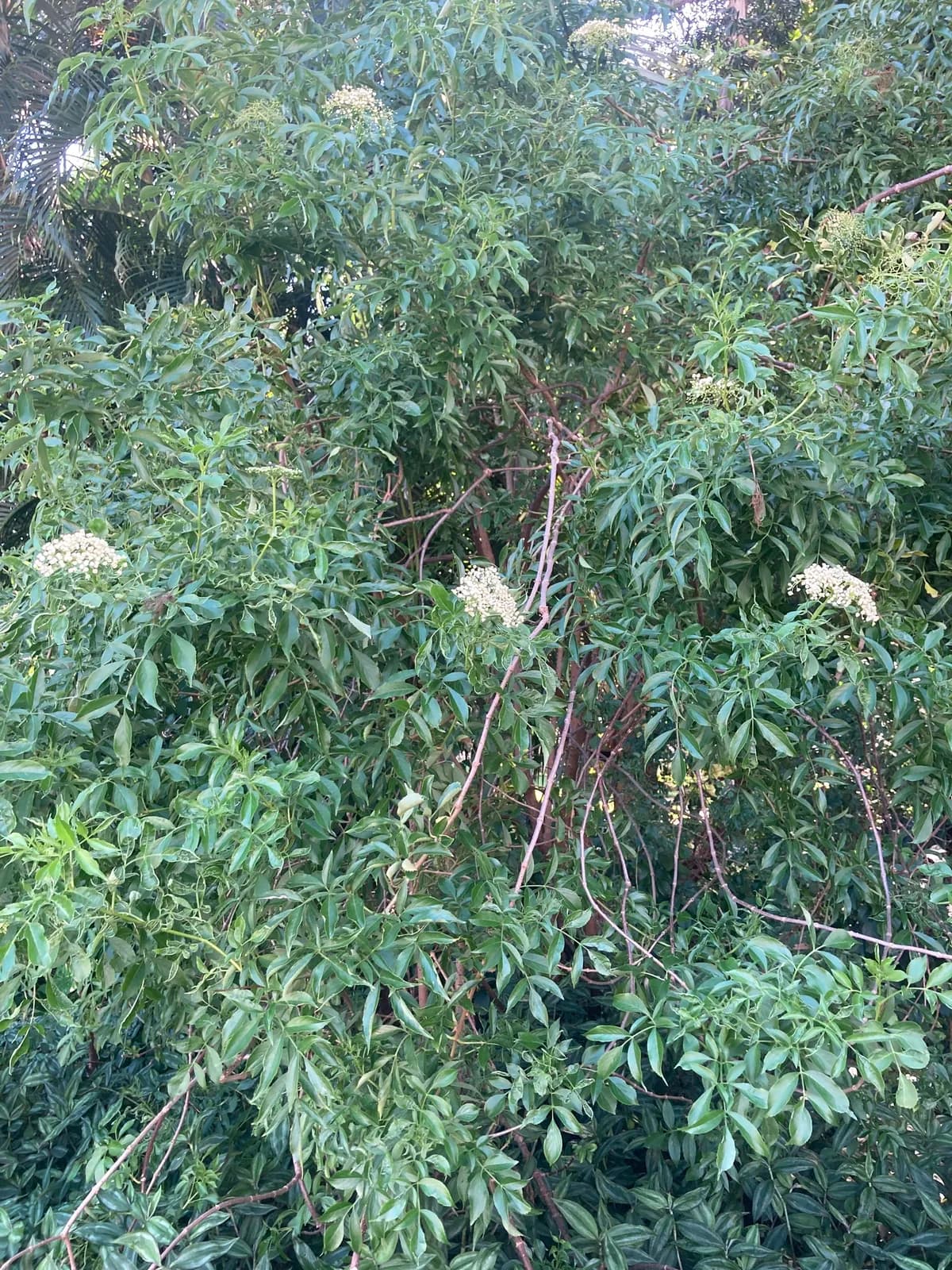
Sambucus canadensis is a fast growing, multi-stemmed shrub that produces flat clusters of small white flowers in June and July. It does well in moist, part sun spots across much of the eastern and central United States.
Toxicity unknown
Canadian Elder (Sambucus canadensis) is not listed by the ASPCA Animal Poison Control Center (opens in new tab) or the other sources we check, so we have no verdict for it either way. Absence from those lists is not a clearance. If your pet shows symptoms after eating any plant, call the ASPCA at (888) 426-4435.
Light
part sun
Water
medium
Size
72"–144" H × 60"–144" W
Bloom
Jun, Jul
Native to
AL, AR, AZ, CA and 38 more states
Pollinators
bees, butterflies, beetles, nectar insects
Before you buy
Your city may pay you to plant this
Cities and water utilities offer rebates for replacing lawn with native and water-wise plants. We track 459 programs across 44 states, each with a link to the provider and the date we last checked it.
Find rebates in your areaPicture natives in your own yard
Upload a photo of your yard and Patch Vision shows a rendering of it planted with natives for your region, like Canadian Elder.


Browse plants for this ecoregion
Canadian elder is a large native shrub that produces showy clusters of creamy white flowers in early summer, followed by dark purple berries. This fast-growing plant forms a substantial presence in the landscape and can spread through root suckers to create colonies.
Growing Canadian Elder
Grow Canadian Elder in part sun and medium water. Mature plants reach 72 to 144 inches tall and spread 60 to 144 inches wide. Expect moderate maintenance to keep it looking intentional in a front yard.
How to care for Canadian Elder, by region
How to care for Canadian Elder where it is actually grown: year-round basics plus what to do each season, region by region, with the sources for each.
Care guidance last updated: September 2026
Cross Timbers (includes Fort Worth, TX)
Year-round
American elderberry is a fast growing Texas native shrub that does well in both Fort Worth's sandy Cross Timbers ground and Dallas area clay, given room to spread and steady moisture.
- This is Sambucus canadensis, also listed as Sambucus nigra ssp. canadensis and commonly called American elderberry or common elderberry, and it is native to Texas including the Cross Timbers and Blackland Prairie regions that cover Fort Worth and Dallas.
- It grows in clay, sand, loam, or rocky soil as long as drainage is decent, so Fort Worth's sandier Cross Timbers ground and Dallas's heavier Blackland clay both work, just water a bit more often in fast draining sandy spots and avoid low spots that hold water after storms in clay.
- Part shade is the easiest setup, though it also handles full sun as long as the soil stays consistently moist.
- It is a fast grower that reaches 6 to 12 feet tall and wide and spreads by root suckers, so plant it away from the house, fence lines, and foundation beds.
- White flower clusters bloom in late spring and the dark purple berries that follow in mid to late summer feed birds and small mammals, but keep raw leaves, stems, and unripe berries away from dogs and kids, since they contain a compound that can cause vomiting, diarrhea, or lethargy if eaten in quantity, and only fully ripe, cooked berries are the part people use for jelly or syrup.
Fall
Fall is harvest and cleanup time before the shrub settles into winter dormancy.
- Finish picking ripe, dark purple berries by early fall if you plan to cook them into syrup or jelly, birds will take whatever is left on the stem.
- Cut back any canes that flopped over under the summer's berry weight, and keep pulling any root suckers that popped up outside the spot you want the shrub.
- A light layer of mulch around the base going into fall helps hold moisture, just keep it a few inches off the main stems.
- Fall color is a modest yellow before leaf drop, expect the shrub to look bare and a little rough over winter since it is deciduous.
Cutting back berry weighted canes and clearing dropped leaves keeps the bed looking tended through fall instead of overgrown.
Winter
Winter, while the shrub is dormant, is when elderberry gets its one real pruning job of the year.
- In late winter before new buds break, cut out any canes older than about 3 years at the base, plus anything dead, damaged, or crossing through the center, and leave the youngest, thickest canes since those carry most of next year's berries.
- Fort Worth winters rarely get cold enough to hurt this shrub, it grows natively well north of here, so cold protection is not something to worry about.
- The bare, cut back look right after pruning is normal, new growth fills back in fast once spring arrives.
- Do not feed elderberry cuttings, leaves, or unripe berries to pets, since raw plant material contains a compound that can cause vomiting, diarrhea, or lethargy if eaten in quantity.
A late winter cutback of old and crossing canes keeps the shrub from looking overgrown along a front walk or fence line before spring growth fills back in.
Spring
Spring is planting and bloom season for elderberry, and new plantings need steady water while roots settle in.
- Late winter into early spring, roughly January through March, is the best window to plant a bare root or container elderberry so its roots have time to settle in before summer heat arrives.
- Water a newly planted elderberry two to three times a week through spring, since young roots dry out fast in Cross Timbers sand and just as fast in shallow clay topsoil until the plant is established.
- Skip pruning in the plant's first spring so it can put its energy into roots and canes instead of regrowing cut branches.
- Flat clusters of white flowers open in late spring, leave them alone since they turn into the berries that ripen later in summer.
Summer
Summer heat is when elderberry needs the most water, and it is also when the berries ripen.
- Give an established elderberry a deep soak once or twice a week through Fort Worth's hot months, more often the first year or two, since a shallow watering habit lets roots dry out fast in sandy Cross Timbers soil.
- Berries move from green to dark purple through mid to late summer, and only fully ripe, cooked berries are the part people eat, raw or unripe fruit and the leaves are not food for people or pets.
- Watch for aphids or a light dusting of powdery mildew in humid stretches, a strong spray of water knocks off most aphids and thinning a few crowded canes improves airflow.
- New root suckers will pop up around the base all summer, pull the ones outside the spot you want the shrub to keep its footprint in check.
Pulling root suckers through summer keeps the shrub's footprint from creeping into a front bed, walkway, or fence line.
Sources: Lady Bird Johnson Wildflower Center: Sambucus nigra ssp. canadensis plant profile, Native Plant Society of Texas: Sambucus nigra ssp. canadensis, University of Florida IFAS Extension: Sambucus canadensis (Elderberry), Pet Poison Helpline: Elderberry Toxicity in Dogs
Erie Drift Plain (includes Cleveland, OH)
Year-round
Common elderberry is a big, fast native shrub that gets 6 to 10 feet tall and wide, so give it room and picture it grown before you plant. It is genuinely native to Ohio and this part of the Erie Drift Plain, and birds go crazy for the dark purple berries in late summer (USDA PLANTS, symbol SANIC4). It wants sun and moist ground, which is easy here since our heavy clay holds water. The one thing to know up front is that the raw berries, leaves, stems, and roots contain cyanide-type compounds and are not safe to eat raw, so keep that in mind around kids and pets. It also spreads by root suckers and can look shaggy, so it earns its keep with a yearly prune.
- Site it where it can reach 6 to 10 feet wide without crowding a walkway, fence, or the neighbor's line.
- Give it part to full sun and steady moisture. Cleveland-area clay that stays damp is exactly what it likes.
- Raw berries, leaves, stems, and roots contain cyanogenic compounds and are toxic if eaten raw (Cornell University Poisonous Plants Database).
- It suckers from the roots and can form a thicket over time, so plan on pulling or mowing off strays.
- It is a host plant for sphinx moths and a late-summer bird feast, so it pulls real wildlife into the yard.
This is a large, suckering shrub that is not a tidy front-yard plant, so put it in the back of the yard or along a hedgerow and keep it pruned. Sited and shaped that way it reads as an intentional part of the landscape rather than something that draws a violation letter.
Fall
By fall the berries are mostly gone, taken by birds, and the shrub starts to go dormant as Cleveland cools off. This is cleanup season, not hard-pruning season. Clear out any dead or broken canes and rake up fallen leaves and old fruit clusters so the area stays neat going into winter. Hold off on the big structural cuts until late winter or early spring, since heavy pruning now can push tender growth that a hard frost will kill. A layer of mulch before the ground freezes helps protect those shallow roots through a lake-effect winter.
- Do light cleanup only. Remove dead or broken canes and clear fallen leaves and spent berry clusters.
- Skip hard pruning now. Save the big cuts for late winter or early spring so you do not trigger frost-tender growth.
- Lay down a few inches of mulch before the ground freezes to protect the shallow roots over winter.
- Give it one last deep watering if fall is dry, before the ground locks up.
- Note where suckers came up this year so you know what to manage next spring.
A fall pass to clear dead canes, dropped leaves, and old fruit keeps the shrub looking cared for as everything else goes dormant. Tidy now and it reads as intentional through the bare months instead of neglected.
Winter
Elderberry is fully hardy here and handles a real Cleveland winter with snow cover just fine, so there is not much to do in the deep cold. The shrub drops its leaves and rides out the cold and snow with no protection needed once it is established. Late winter, before the buds swell, is actually your best window for hard renewal pruning, because the plant is bare and you can see the whole structure. Cutting old canes back now sets up fuller, tidier growth in spring since it flowers on new wood. On a clear day when the snow is down, walk the shrub and plan your cuts.
- No winter protection needed for an established plant. It is fully cold hardy for USDA zone 6a.
- Late winter, before buds swell, is the prime window for hard renewal pruning while the shrub is bare.
- Cut the oldest, thickest canes to the ground to force fresh, vigorous growth. It blooms on new wood, so you lose nothing.
- Knock heavy wet snow off branches gently if it piles up, so canes do not splay or snap.
- Use the bare season to spot and mark suckers you will remove once spring comes.
Late-winter renewal pruning shapes a plant that can otherwise look scraggly and bare all season. A clean, cut-back form keeps the shrub looking deliberate through the months when the yard is most exposed to view.
Spring
Around Cleveland, wait until the ground has dried out in April or May before you plant elderberry, because setting a shrub into cold soggy clay is a good way to rot the roots. Once the soil crumbles in your hand instead of smearing, dig a wide hole and plant it a touch high so water drains away from the crown. Early spring is also the time to do your hard pruning while the shrub is still bare and you can see what you are doing. Elderberry blooms and fruits on new growth, so cutting it back now does not cost you flowers, it just keeps the plant fuller and shorter. Water new plants well through their first spring since our springs can flip from damp to dry fast.
- Plant after the ground dries, usually April into May. Squeeze a handful of soil, and if it smears into mud, wait.
- Set the shrub slightly high in heavy clay so the crown is not sitting in standing water.
- Do your hard cutback now while it is bare. Elderberry flowers on new wood, so early pruning does not lose you blooms.
- Cut out any dead, broken, or crossing stems and thin crowded canes to open the middle up.
- Keep new plantings watered through the first spring so the roots settle in before summer heat.
Spring is when you shape the shrub for the whole year, so cut it back hard and thin the canes now. A pruned, defined form keeps a fast, shaggy plant looking deliberate and tidy from the street.
Summer
Summer is the payoff. Flat white flower clusters open in June and July, then turn into the dark purple berries that birds strip through late summer. Cleveland summers are warm and humid, and elderberry loves the moisture, but it does not love drought, so water deeply during any dry stretch, especially for younger plants. Keep an eye out for suckers popping up around the base and pull them while they are small if you want to hold the shrub to one clump. If you plan to use the berries yourself, remember they need cooking first, they are not safe raw.
- Expect flat white flower heads in June and July, then dark purple berries the birds love by late summer.
- Water deeply during dry spells. Elderberry has shallow roots and wilts fast when the clay dries out.
- Pull root suckers while they are small to keep the shrub as one clump instead of a spreading thicket.
- Raw berries and green plant parts contain cyanogenic compounds and must be cooked before eating (Cornell University Poisonous Plants Database).
- Leave some fruit for the birds. This is the shrub's biggest wildlife moment of the year.
Sources: USDA PLANTS Database, Sambucus canadensis (SANIC4), Cornell University Poisonous Plants Database, Ohio State University Extension, growing elderberries
Texas Blackland Prairies (includes Dallas, TX)
Year-round
Give elderberry a season of steady water to establish in Dallas's heavy clay, then let it mostly fend for itself, mulched and left alone except for its one big winter prune.
- This shrub is native to East and North Texas, including the Blackland Prairie around Dallas, so it is well matched to the area once it settles in.
- Water deeply once or twice a week for the first growing season to help roots push through heavy clay.
- Once established, it only needs extra water during Dallas's driest, hottest summer stretches.
- Keep a 2 to 3 inch mulch ring around the base so the clay does not crack open and dry out the roots.
- Common mistake: letting kids or pets chew on raw leaves, stems, or green berries. Elderberry is on the ASPCA's toxic plant list for dogs and cats, and only fully ripe, cooked berries are traditionally used.
Elderberry gets big and can look rangy by late summer. The winter hard prune is what keeps it reading as an intentional shrub rather than an overgrown thicket for HOA-conscious yards.
Fall
Fall is a second good planting window in Dallas once the worst heat breaks, and it is a quieter season for the plant itself.
- Cool weather returns, so this is a good time to plant new elderberry or move one that has outgrown its spot.
- Keep watering lightly through fall dry spells so roots can settle before winter.
- Trim any stems that got storm damaged or leggy over summer.
- Leave any remaining berries for migrating birds moving through North Texas.
Winter
Winter is elderberry's big maintenance moment in Dallas. Mild winters keep the plant workable, and this is when you shape it for the year ahead.
- Prune heavily in winter. This is the main pruning window and keeps the shrub thick rather than sprawling.
- Every other year, consider cutting the whole plant back to the ground. Elderberry regrows fast from its root mass and this keeps aggressive spread in check.
- Dallas winters are mild but can bring a hard freeze or ice. An established elderberry handles this fine and simply goes dormant.
- Skip watering during dormancy unless Dallas has an unusually dry winter.
Spring
Spring is planting season in Dallas, before the real heat sets in, and this is when elderberry leafs out fast.
- Plant or transplant now, while temperatures are mild and rain is more reliable.
- Watch for a late March freeze that can nip tender new growth, though the plant usually bounces back.
- Keep weeds cleared from around young plants since they compete hard with elderberry before it fills in.
- Growth is fast this time of year, no fertilizer needed if your soil is typical Blackland clay.
Summer
Dallas summers push past 100 degrees, so this is when elderberry leans on the mulch and roots you built up earlier in the year.
- Deep water once or twice a week during long, hot dry stretches. Shallow sprinkling will not reach through clay.
- White flower clusters bloom in May and June, then berries ripen through summer.
- If your plant sits in full sun, watch for wilting on the worst afternoons. Elderberry prefers part shade and extra water helps if full sun is all you have.
- Only pick fully ripe, dark purple berries for kitchen use. Skip any still green.
Sources: Lady Bird Johnson Wildflower Center - Sambucus nigra ssp. canadensis, ASPCA Toxic and Non-Toxic Plants - Elderberry, Native Plant Society of Texas - Sambucus nigra ssp. canadensis, USDA Forest Service - American Black Elderberry
In an HOA neighborhood
Canadian Elder takes more care to keep looking intentional in a front yard. Maintenance level: moderate. Consider it for backyard or mid-zone beds rather than the street edge.
Works well in: backyard only.
- Very large mature size may overwhelm typical residential spaces
- Spreads aggressively through suckers
- Can appear scraggly without regular pruning
Wildlife value
Host plant for cecropia moth, elder shoot borer moth.
The fragrant flower clusters attract bees, butterflies, and beetles during bloom time. Birds eagerly consume the nutritious berries in late summer and fall.
Common questions
- When does Sambucus canadensis bloom?
- Sambucus canadensis produces broad, flat-topped clusters of small white flowers in June and July, followed later by dark purple berries.
- How much sun does Sambucus canadensis need?
- This shrub grows best in part sun but tolerates conditions from full sun to part shade, with fuller flowering in brighter locations.
- How much water does Sambucus canadensis need?
- It prefers medium to consistently moist soil and is often found along stream banks, ditches, and other damp low areas, though it can handle occasional wetter spells.
- What pollinators visit Sambucus canadensis flowers?
- The flower clusters are visited by a range of bees, butterflies, and beetles that feed on pollen and nectar during the June and July bloom period.
- Does Sambucus canadensis lose its leaves in winter?
- Yes, it is a deciduous shrub that drops its leaves each fall and regrows new foliage in spring.
- Is Canadian Elder toxic to cats?
- Yes. Canadian Elder is listed as toxic to cats by the Cornell University Poisonous Plants Database. If your cat has been exposed, call the ASPCA Animal Poison Control Center at (888) 426-4435.
- Is Canadian Elder HOA-friendly?
- Canadian Elder takes more care to look intentional in a front yard. Consider it for backyard or mid-zone beds rather than the street edge.
These answers were drafted with an AI model from this plant's data. Verify care details with a local expert.
Native range data from the World Checklist of Vascular Plants (Kew). Pollinator and host plant associations compiled from GBIF, iNaturalist, and published ecological literature.
If something looks wrong
Common plant problems, and what to check first
These come up on almost any plant. Each guide lists the likely causes in the order they are worth ruling out, with one thing to check before you act on any of them, and links to the source it came from.
- It is dying right after planting
- Leaves turning yellow
- Wilting even though I watered it
- Brown crispy leaf tips
- Bugs on the plant
Ready to grow Canadian Elder? Add it to your garden in Pollinator Patch to track it and get season-by-season care guidance.