Quercitron Oak
Quercus velutina
Last reviewed: October 2026
Quercus velutina is a deciduous oak that grows in full sun with medium water needs, doing well in upland woodlands and dry rocky or sandy soils across the eastern and central United States.
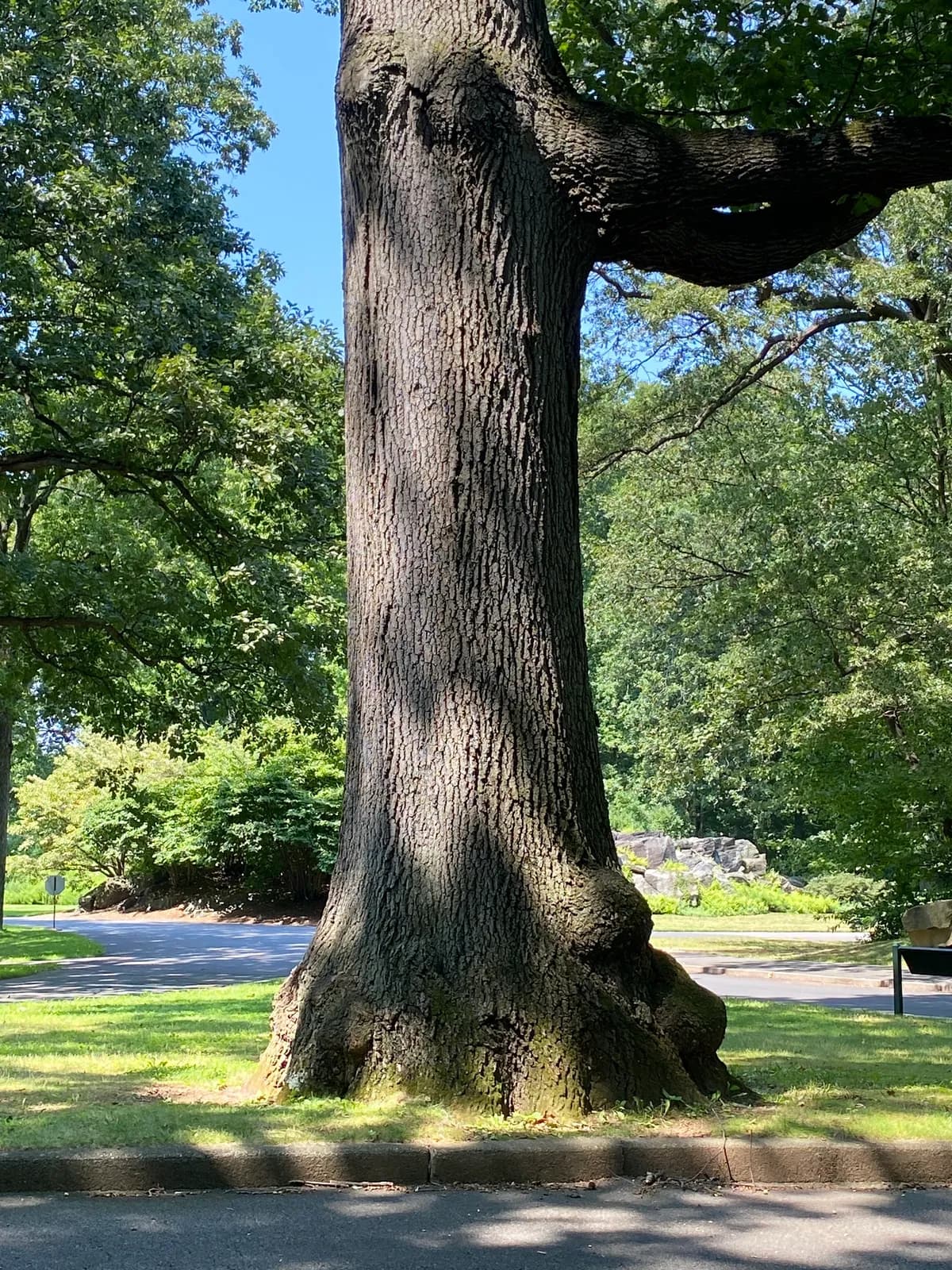
Quercitron Oak (Quercus velutina) is not on the ASPCA Animal Poison Control Center toxic plant list for dogs or cats (aspca.org (opens in new tab), last reviewed 2026-05-21). If your pet shows symptoms after eating any plant, call the ASPCA at (888) 426-4435.
The USDA PLANTS Database (opens in new tab) does not flag Quercitron Oak as toxic to livestock.
Light
full sun
Water
medium
Size
480"–1200" H × 360"–720" W
Bloom
N/A
Native to
AL, AR, CT, DE and 31 more states
Pollinators
bees, beetles
Before you buy
Your city may pay you to plant this
Cities and water utilities offer rebates for replacing lawn with native and water-wise plants. We track 459 programs across 44 states, each with a link to the provider and the date we last checked it.
Find rebates in your areaPicture natives in your own yard
Upload a photo of your yard and Patch Vision shows a rendering of it planted with natives for your region, like Quercitron Oak.


Browse plants for this ecoregion
Quercitron oak is a large native deciduous tree that can reach 40-100 feet tall with a broad, rounded crown. It produces deeply lobed leaves that turn yellow to brown in fall and develops deeply furrowed dark bark with age. This long-lived oak is well-adapted to full sun and average moisture conditions.
Growing Quercitron Oak
Grow Quercitron Oak in full sun and medium water. Mature plants reach 480 to 1200 inches tall and spread 360 to 720 inches wide. Expect low maintenance to keep it looking intentional in a front yard.
How to care for Quercitron Oak, by region
How to care for Quercitron Oak where it is actually grown: year-round basics plus what to do each season, region by region, with the sources for each.
Care guidance last updated: October 2026
Atlantic Coastal Pine Barrens (includes Riverhead, NY)
Year-round
A big, slow oak that handles poor and sandy soil and dry spells.
- It grows best in full sun.
- It prefers moist slightly acidic well-drained fertile soil but tolerates sand, clay and rocky ground, and poor soils.
- It is drought tolerant and hardy in USDA zones 3a to 9b.
- It is slow growing and needs more than 60 feet of planting space.
Fall
Fall is for acorns and preparing for winter.
- Mid August through September is the most important time to prepare plants for winter.
- Acorns feed woodpeckers, blue jays, small mammals, wild turkeys, deer and black bears.
- In the first autumn, water a new tree about once every four weeks.
- Chlorosis can appear when soil is not acidic enough.
Winter
Winter is the right time to prune an oak.
- Prune oaks in winter, not in the growing season.
- Let plants go into winter with ample moisture.
- Frozen ground blocks water uptake, so plants cannot replace water lost to winter sun and wind.
- Do not move firewood from an infected tree.
Spring
Spring is for watching water and keeping the saw away.
- Oak wilt is contagious during warm months from April to November, so avoid fresh cuts then.
- The state asks homeowners to prune oaks in winter, not during the growing season.
- Chlorosis, yellowing with green veins, can occur when soil is not acidic enough.
- For a first-year tree, water deeply once a week in dry spells, or every two weeks if rain is adequate.
Summer
Summer is mostly hands off for an established tree.
- It is drought tolerant.
- Newly planted trees do best with deep, infrequent watering.
- Water a first-year tree at least once a week in dry spells, and mulch two to three inches deep.
- Oak wilt is a serious and often deadly disease mainly of red and black oak group trees, so get sudden leaf wilt checked.
Sources: NC State Extension Plant Toolbox, Quercus velutina, Cornell Chronicle, Oak wilt found in six new New York locations, Cornell Cooperative Extension Suffolk, Prune Your Oak Trees in Winter, Cornell Cooperative Extension Suffolk, Watering Trees and Shrubs on Long Island, Ohio State BYGL, oak wilt and winter pruning posts
In an HOA neighborhood
Quercitron Oak is an HOA-friendly choice. Maintenance level: low. Tidiness: 4 out of 5.
Works well in: front yard, street edge, mid zone.
- Drops acorns and leaves seasonally
- Requires adequate space for mature size
Wildlife value
Host plant for red-spotted purple butterfly, imperial moth, banded hairstreak.
This oak supports numerous pollinators including native bees and beetles during its spring bloom period. As a keystone species, it hosts hundreds of butterfly and moth caterpillars and provides acorns for wildlife.
Common questions
- When does Quercus velutina bloom?
- Quercus velutina produces small yellow green catkins in April and May, usually as the new leaves are unfolding.
- What pollinators are associated with Quercus velutina?
- Bees and beetles visit the catkins of Quercus velutina to collect pollen, although the tree is primarily wind pollinated like other oaks.
- What soil and light conditions suit Quercus velutina best?
- This oak does best in full sun with medium moisture, but it tolerates drier, rocky, or sandy sites once it becomes established.
- Does Quercus velutina keep its leaves in winter?
- No. Quercus velutina is deciduous and drops its leaves in fall, though some dry brown leaves can persist on younger trees into winter.
- Is Quercitron Oak toxic to dogs?
- Quercitron Oak is not on the ASPCA Animal Poison Control Center toxic plant list for dogs (aspca.org).
- Is Quercitron Oak toxic to cats?
- Quercitron Oak is not on the ASPCA Animal Poison Control Center toxic plant list for cats (aspca.org).
- Is Quercitron Oak toxic to livestock?
- The USDA PLANTS Database does not flag Quercitron Oak as toxic to livestock.
- Is Quercitron Oak HOA-friendly?
- Quercitron Oak is generally an HOA-friendly choice in the right placement, with low maintenance.
These answers were drafted with an AI model from this plant's data. Verify care details with a local expert.
Native range data from vouchered herbarium specimen records and regional native plant society lists. Pollinator and host plant associations compiled from GBIF, iNaturalist, and published ecological literature.
If something looks wrong
Common plant problems, and what to check first
These come up on almost any plant. Each guide lists the likely causes in the order they are worth ruling out, with one thing to check before you act on any of them, and links to the source it came from.
- It is dying right after planting
- Leaves turning yellow
- Wilting even though I watered it
- Brown crispy leaf tips
- Bugs on the plant
Ready to grow Quercitron Oak? Add it to your garden in Pollinator Patch to track it and get season-by-season care guidance.