Mayapple
Podophyllum peltatum
Last reviewed: October 2026
Mayapple is a spring woodland forb that spreads in colonies under part shade to full shade, producing a single nodding white flower in May and June before summer canopy closes in.
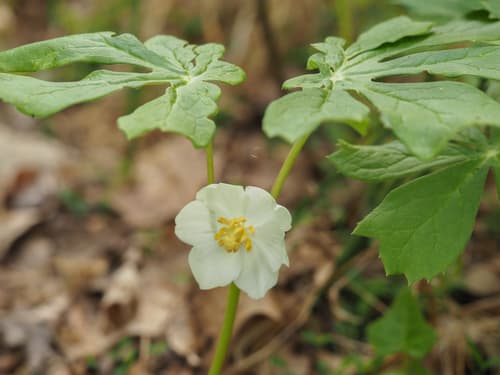
Mayapple is toxic to dogs and cats.
Listed as toxic by the ASPCA Animal Poison Control Center (opens in new tab) (last reviewed 2026-05-21). If your pet has been exposed, call the ASPCA Animal Poison Control Center at (888) 426-4435 and your veterinarian's emergency line.
Pollinator Patch flags toxic plants so you can choose a pet-safe native alternative for your yard.
Native swaps for a yard with pets
Mayapple is listed as toxic to dogs by the ASPCA Animal Poison Control Center. These natives fill a similar role in a planting and are not on the ASPCA toxic plant list for dogs or cats. Each plant's page carries its dated record.
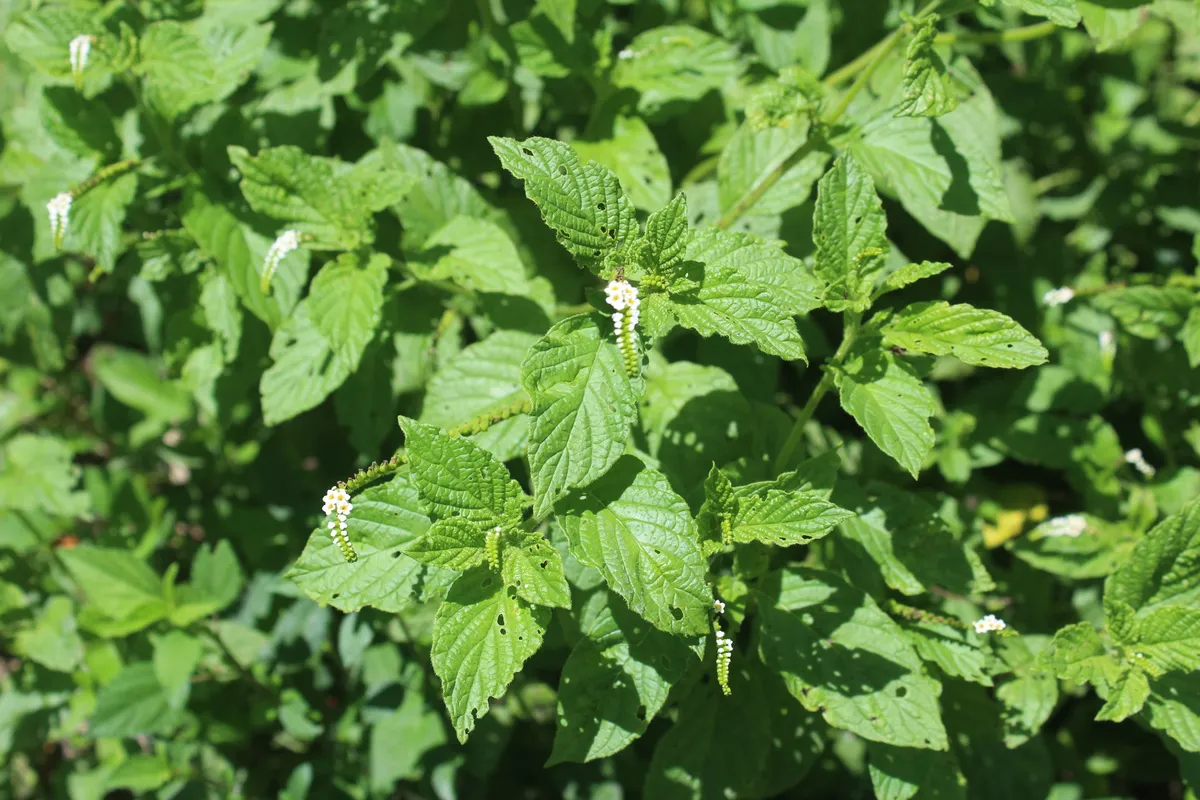
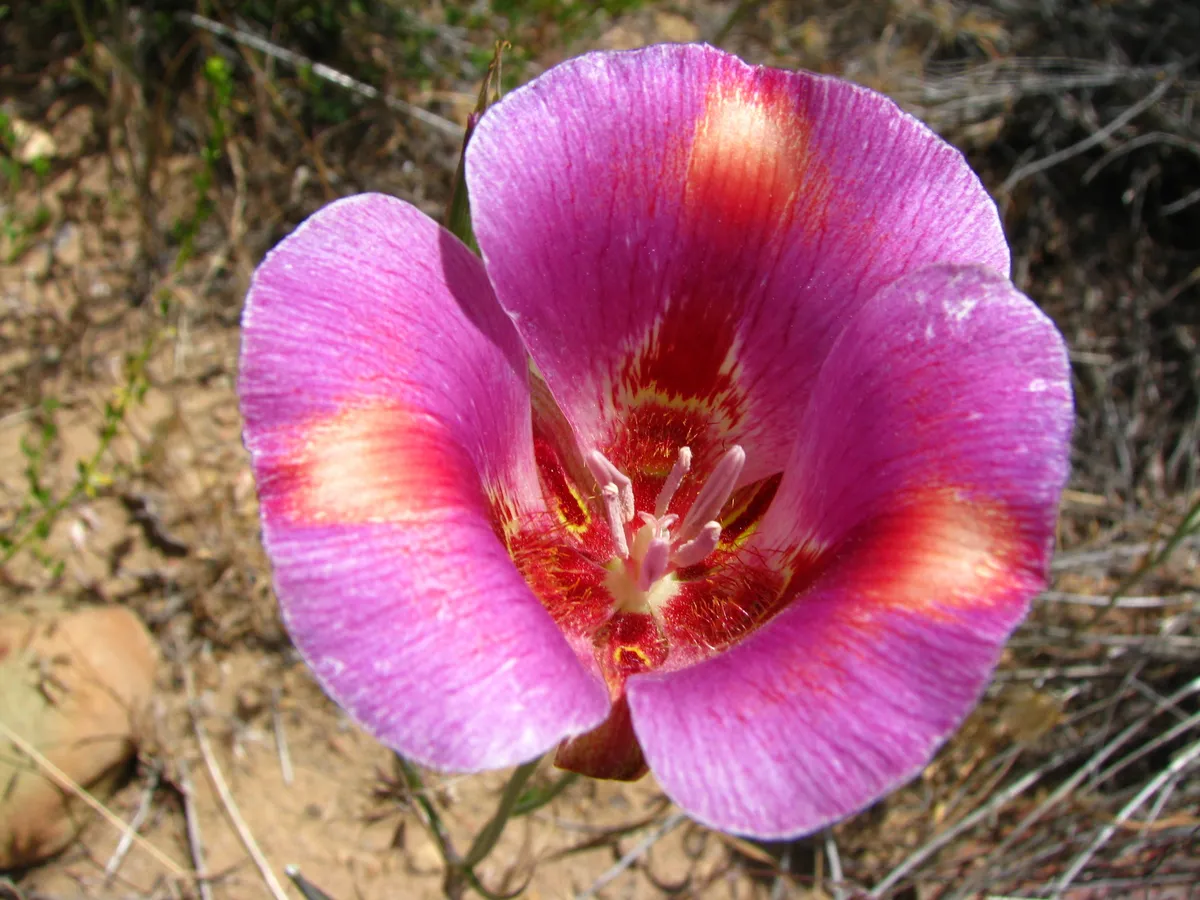
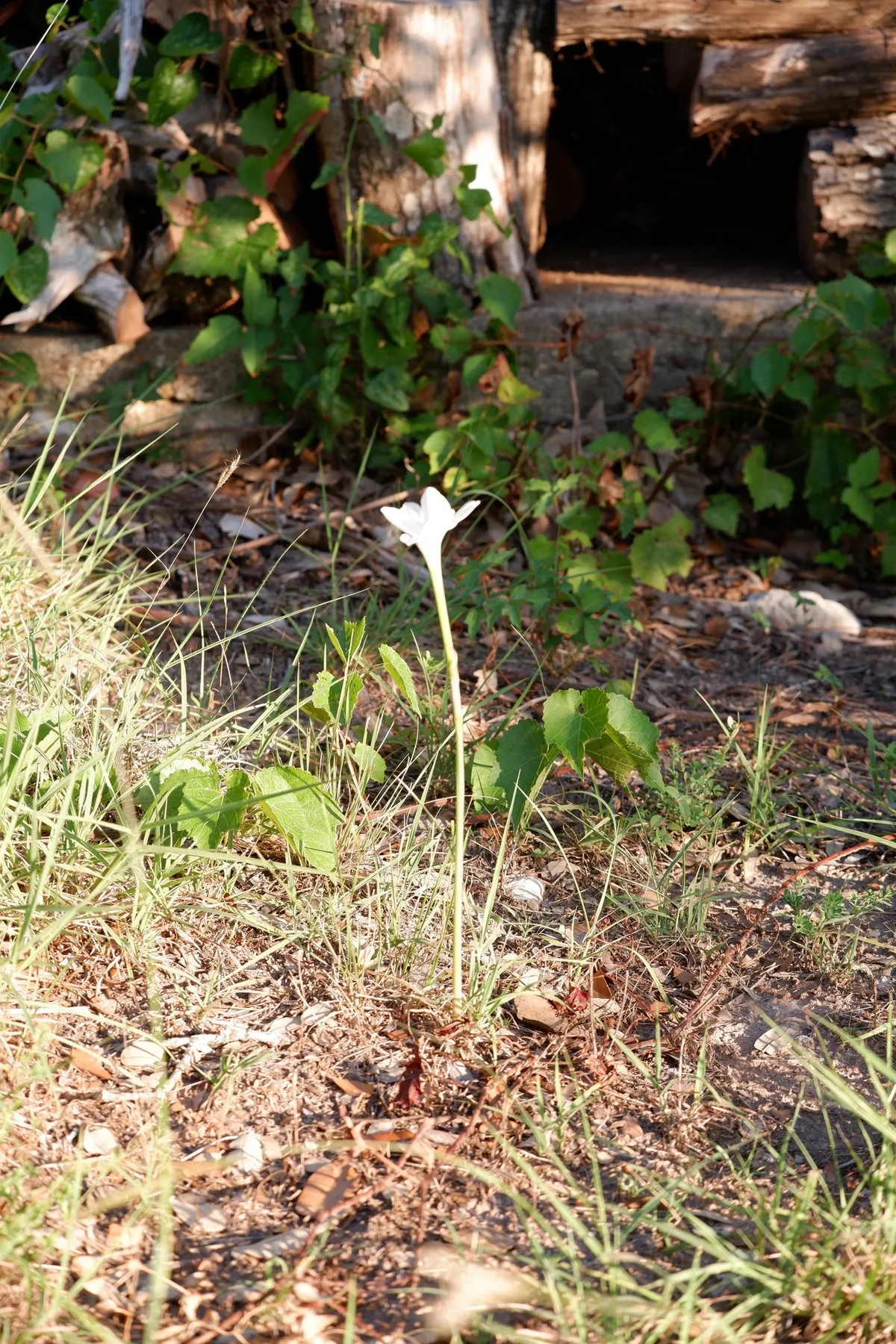
Light
part shade
Water
medium
Size
12"–18" H × 6"–12" W
Bloom
Mar, Apr, May
Native to
AL, AR, CT, DE and 29 more states
Pollinators
bees, beetles, butterflies
Deer
Resistant (per Prairie Moon Nursery)
Before you buy
Your city may pay you to plant this
Cities and water utilities offer rebates for replacing lawn with native and water-wise plants. We track 459 programs across 44 states, each with a link to the provider and the date we last checked it.
Find rebates in your areaPicture natives in your own yard
Upload a photo of your yard and Patch Vision shows a rendering of it planted with natives for your region, like Mayapple.


Browse plants for this ecoregion
Mayapple is a unique woodland perennial that forms colonies of umbrella-like leaves, each plant producing one or two large, deeply lobed leaves. It blooms with single white flowers in late spring, followed by edible yellow fruits in summer, though the plant goes completely dormant by midsummer.
Growing Mayapple
Grow Mayapple in part shade and medium water. Mature plants reach 12 to 18 inches tall and spread 6 to 12 inches wide. Expect low maintenance to keep it looking intentional in a front yard.
In an HOA neighborhood
Mayapple takes more care to keep looking intentional in a front yard. Maintenance level: low. Consider it for backyard or mid-zone beds rather than the street edge.
Works well in: backyard only.
- Goes completely dormant by midsummer leaving bare ground
- Spreads aggressively through underground rhizomes
- Wild woodland appearance doesn't fit typical landscape expectations
Wildlife value
The flowers attract bees and beetles during the brief spring blooming period. The fruits provide food for box turtles and small mammals when they ripen in late summer.
Common questions
- When does Mayapple bloom?
- Mayapple typically flowers in May and June, with a single white blossom forming beneath the paired leaves of each mature stem.
- What kind of light does Mayapple need?
- It grows best in part shade to full shade, mimicking the dappled to deep shade of a deciduous forest floor in spring and early summer.
- How much water does Mayapple require?
- It prefers evenly moist, well drained soil and does not tolerate prolonged drought or standing water.
- What pollinates Mayapple flowers?
- Bees and beetles visit the flowers, though the plant sets fruit at a relatively low rate compared to how often it flowers.
- Is Mayapple a good choice for a woodland garden?
- Yes, it forms attractive colonies under trees and shrubs, spreading by rhizomes to create a low, umbrella-like ground layer through spring and summer.
- Is Mayapple toxic to dogs?
- Yes. Mayapple is listed as toxic to dogs by the ASPCA Animal Poison Control Center (aspca.org). If your pet has been exposed, call the ASPCA Animal Poison Control Center at (888) 426-4435.
- Is Mayapple toxic to cats?
- Yes. Mayapple is listed as toxic to cats by the ASPCA Animal Poison Control Center (aspca.org). If your cat has been exposed, call the ASPCA Animal Poison Control Center at (888) 426-4435.
- Is Mayapple HOA-friendly?
- Mayapple takes more care to look intentional in a front yard. Consider it for backyard or mid-zone beds rather than the street edge.
These answers were drafted with an AI model from this plant's data. Verify care details with a local expert.
Native range data from vouchered herbarium specimen records and regional native plant society lists. Pollinator and host plant associations compiled from GBIF, iNaturalist, and published ecological literature.
If something looks wrong
Common plant problems, and what to check first
These come up on almost any plant. Each guide lists the likely causes in the order they are worth ruling out, with one thing to check before you act on any of them, and links to the source it came from.
- It is dying right after planting
- Leaves turning yellow
- Wilting even though I watered it
- Brown crispy leaf tips
- Bugs on the plant
Pollinator Patch flags toxic plants like Mayapple and shows pet-safe natives for your ecoregion instead.