Bush's purple-coneflower
Echinacea paradoxa
Last reviewed: August 2026
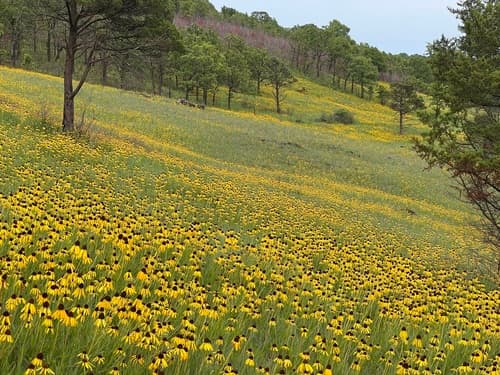
Echinacea paradoxa, the Bush's purple-coneflower, is a drought-tolerant prairie forb with yellow petaled blooms from May through July. It thrives in full sun on rocky, well-drained soils typical of Ozark glades and southern Great Plains grasslands.
Toxicity unknown
Bush's purple-coneflower (Echinacea paradoxa) is not listed by the ASPCA Animal Poison Control Center (opens in new tab) or the other sources we check, so we have no verdict for it either way. Absence from those lists is not a clearance. If your pet shows symptoms after eating any plant, call the ASPCA at (888) 426-4435.
Light
full sun
Water
low
Size
24"–36" H × 12"–18" W
Bloom
May, Jun, Jul
Native to
AR, MO, OK, TX
Pollinators
native bees, butterflies
Before you buy
Your city may pay you to plant this
Cities and water utilities offer rebates for replacing lawn with native and water-wise plants. We track 452 programs across 44 states, each with a link to the provider and the date we last checked it.
Find rebates in your areaBrowse plants for this ecoregion
The only coneflower with yellow rather than purple rays, which droop sharply back from a dark chocolate cone. It is deep-rooted, tolerant of thin rocky soil, and holds its stems upright without staking.
Growing Bush's purple-coneflower
Grow Bush's purple-coneflower in full sun and low water. Mature plants reach 24 to 36 inches tall and spread 12 to 18 inches wide.
How to care for Bush's purple-coneflower, by region
How to care for Bush's purple-coneflower where it is actually grown: year-round basics plus what to do each season, region by region, with the sources for each.
Care guidance last updated: September 2026
Ouachita Mountains (includes Hot Springs, AR)
Year-round
Bush's coneflower is state listed native to Arkansas, but the Lady Bird Johnson Wildflower Center's own range description places it in south central Missouri and north central Arkansas, the Ozark glade country, not the Ouachita Mountains where Hot Springs sits. Treat it here as a well matched regional plant rather than a strict native, and give it the lean, fast draining conditions of its home glades.
- The Wildflower Center lists this species' native distribution as south central Missouri and north central Arkansas (Ozark limestone glades and prairies), a different sub region and soil type from the Ouachita Mountains around Hot Springs.
- It wants full sun, six or more hours a day, and soil that drains fast. Native habitat is dry limestone and dolomite glades, so a lean, gritty bed suits it better than a rich, moist one.
- A deep taproot makes it drought tolerant once it settles in, but that same taproot means it does not transplant well once established.
- Main problems reported are occasional Japanese beetle feeding and leaf spot, not usually serious enough to need spraying.
Fall
By fall the flower heads dry into dark, spiky cones that goldfinches and other seed eating birds pick through into the colder months, so this is the season to hold off on a full cutback instead of tidying the bed down to bare ground. A light cleanup of any diseased leaves is enough.
- Leave the seed heads standing through fall rather than deadheading everything. Seed eating birds like goldfinches feed on them into the colder months.
- Remove only foliage showing leaf spot or powdery mildew. The plant itself does not need a full cutback yet.
- Sharpen the bed edge or add a low border around the clump so the planting still reads as tended even with the seed heads left standing.
Dried seed heads left up for the birds can look unkempt from the street at a glance. A crisp bed edge or a defined border keeps the planting reading as intentional, HOA-friendly design rather than a bed that got left alone.
Winter
Winter is when you decide between a full cutback and leaving some structure standing. Cutting the dried stems back to about 6 to 18 inches instead of all the way to the ground gives cavity nesting native bees a place to spend the cold months, and by then the goldfinches have usually picked the seed heads clean anyway.
- If you cut back, leave stems at 6 to 18 inches tall instead of cutting to the ground. Many native bees spend the cold months inside dead, hollow or pithy stems like these.
- If a tidier look matters more than habitat value, wait until late winter, just before new growth starts, instead of cutting everything down in fall.
- Cut the front facing stems shorter while leaving a few taller ones toward the back of the bed for a tended look that still keeps some winter habitat.
A full stand of tall dead stems can read as neglected from the street. Cutting the front rows down to a low, even height while leaving a few taller stems further back keeps the bed looking like intentional, HOA-friendly upkeep rather than something left to go wild.
Spring
Spring is when new basal leaves push up from the crown, and it is the best window in Hot Springs to plant new coneflower or divide an overgrown clump before summer heat sets in. Skip rich soil amendments and heavy fertilizer, since this glade plant naturally grows in lean ground and rich soil just produces soft, floppy stems.
- Wait to cut back last year's dried stems until new basal growth is clearly showing at the base, rather than clearing everything the moment it warms up.
- Plant new starts or divisions in full sun with sharp drainage. Work sand or fine gravel into clay soil rather than compost, which holds more water than this plant is built for.
- Skip high nitrogen fertilizer. Rich soil produces weak, floppy stems that often end up needing to be staked.
- Check new growth after spring rain for slug or snail damage, especially in a shadier or more humid corner of the bed.
Summer
By June the yellow rayed flowers open, right through the heat and humidity of an Arkansas summer that gives some other perennials trouble. Deadhead spent blooms if you want more flowers through the season, or leave some on the plant, since either choice works for this species.
- Deadhead faded flowers to encourage more blooms through summer, or leave some standing. Deadheading just trades summer flowers for fewer winter seed heads.
- Give plants room to breathe. Aster yellows and powdery mildew both show up more in crowded, humid beds with poor air circulation.
- Water first year plants during multi week dry stretches. Established plants generally only need extra water in extreme, prolonged heat, since they are built for dry glade soil.
- Watch for leaf spot and occasional Japanese beetle feeding on foliage, and remove the affected leaves rather than reaching for a broad spray.
Sources: Echinacea paradoxa (Yellow Coneflower), Lady Bird Johnson Wildflower Center Native Plant Database, Echinacea paradoxa, NC State Extension Gardener Plant Toolbox, Coneflower problems, University of Illinois Extension Hort Answers, How to Grow Echinacea (Coneflower), Clemson Home & Garden Information Center, Compatible, Adaptable Coneflowers, Missouri Department of Conservation, Save the Stems, Xerces Society for Invertebrate Conservation
Western Gulf Coastal Plain (includes Houston, TX)
Year-round
Bush's coneflower is not native to the Houston Gulf Coast, but it grows here well as a garden perennial once you solve for drainage; wet clay is the real risk factor for this plant, not the heat.
- This species' native range is limestone glades and prairies in Missouri and Arkansas, with related populations in Oklahoma and parts of Texas farther from the coast, not the Gulf Coast prairie region Houston sits in. Treat it here as a well-adapted garden perennial rather than a native planting.
- Give it full sun to part shade (roughly 4 or more hours of direct sun) and, most importantly, sharp drainage. It is prone to rot in soil that stays wet, so in Houston's clay-heavy yards mix compost or coarse sand into the bed, or plant it in a raised bed.
- Once established, a deep taproot makes it drought tolerant. Water deeply but infrequently and let the top couple inches of soil dry out between waterings rather than keeping it constantly moist.
- It is not a heavy feeder. Skip regular fertilizer and instead top-dress with about an inch of compost once a year; a high-nitrogen feed pushes leafy growth at the expense of blooms.
- Coneflower is not on the ASPCA toxic plant list for dogs, cats, or horses, though eating a large amount of any plant material can still cause mild stomach upset.
- Watch for aster yellows, a disease spread by leafhoppers that turns flowers green, stunted, or distorted. There is no cure, so dig up and discard, do not compost, any plant that shows these symptoms.
Fall
Fall is the switch from deadheading to leaving seed heads standing for wildlife, and a second workable window for division if spring was missed.
- Let the last flush of flowers go to seed instead of deadheading. Standing seed heads feed goldfinches and other seed-eating birds through fall and winter, and the stems shelter overwintering beneficial insects.
- Early fall, roughly 6 to 8 weeks before your first expected frost (Houston's average first frost is late November to early December), is a workable division window if you missed spring, though this species' deep taproot makes spring the lower-risk choice.
- Fall is a reasonable time for the annual compost top-dress if it was not done in spring. Skip nitrogen fertilizer this late in the season since it is not needed and can encourage tender growth right before cooler weather.
- Hurricane season runs into fall along Houston's Gulf Coast. After any heavy tropical rain, check the bed for standing water and improve drainage rather than letting water sit around the crown.
- Growth slows and the plant begins moving toward dormancy; this is a normal seasonal change for the species, not a sign of decline.
Letting the flower heads go to seed instead of deadheading can read as ragged or done-blooming to a strict HOA eye. Keeping the surrounding bed edged and mulched keeps the planting HOA-friendly even while the seed heads stand for the birds.
Winter
Houston's mild winters need no special protection for this coneflower, but the season's rain is exactly when a poorly drained bed shows its problems.
- Houston's Gulf Coast winters (USDA zone 9a/9b) are mild enough that this coneflower, hardy to roughly zone 3a through 9b, needs no winter protection and can be left in the ground as is.
- Leave the dried seed heads and stems standing through winter rather than cutting the plant back. They keep feeding birds and sheltering overwintering insects through the cold months.
- Winter is one of Houston's wetter seasons, and this species is prone to rot in soil that stays soggy. If a bed drains poorly, this is when it tends to show, so it is worth improving drainage now rather than waiting for spring growth to reveal the problem.
- The plant goes dormant and dies back to a basal rosette or below ground; that is normal, not plant loss. Avoid watering on a fixed schedule, since dormant roots sitting in cold, wet soil are a setup for rot.
- Hold fertilizer entirely over winter. Feeding a dormant plant does not help it and risks pushing tender new growth right before a cold snap.
Bare-looking seed heads and stems can read as dead or unkempt from the street in a maintained front yard. A neat mulched edge around the bed keeps this HOA-friendly while the seed heads stay up for wildlife; if a full cutback is needed, do it in late winter just before new growth starts rather than in fall.
Spring
Spring in Houston is planting and establishment season for this coneflower, and the time to keep an eye on new growth for early signs of leafhopper-borne disease.
- Plant or transplant in late winter to early spring, after your last expected frost (Houston's average last frost falls in mid-February to early March), into a bed you have already amended for drainage.
- If an established clump needs dividing, spring, while the crown is still dormant and before new shoots emerge, is the safer window for this deep-taprooted species. Dig carefully to avoid cutting the taproot.
- Water new transplants regularly until roots establish, then taper off. Houston's spring rains often cover established plants on their own, so avoid adding extra water on top of a wet stretch.
- New spring growth is when aster leafhopper activity picks up. Check new leaves and buds for stunting, yellowing, or odd green coloring, an early sign of aster yellows, and remove any plant that develops it.
- Hold off on fertilizer at planting time. A light compost top-dress is enough to start the season; heavy nitrogen feed encourages leafy growth over the coming bloom.
Summer
Summer is the main bloom window; the plant handles Houston heat fine on its deep taproot, but wet soil during the humid, storm-prone months is the thing to manage.
- Peak bloom runs from early summer for several weeks, per Missouri Botanical Garden's records for the species, with sporadic continued blooming through the season if spent flowers are deadheaded as they fade.
- Established plants tolerate Houston's heat and humidity well on their deep taproot. Keep beds well-drained regardless, since waterlogged roots in hot, humid soil are a bigger rot risk than the heat itself.
- Deadhead through summer to keep new blooms coming, then stop by late summer or early fall so the last flush can set seed for birds later in the year.
- Powdery mildew can appear in late summer, especially during a dry spell with warm days and cooler nights. Good air circulation between plants and watering the soil rather than the foliage helps prevent it.
- Gulf Coast hurricane season runs June through November. After heavy tropical rain, check the bed for standing water, since prolonged wet soil raises this plant's rot risk more than the heat does.
Sources: Lady Bird Johnson Wildflower Center, Native Plant Database: Echinacea paradoxa, NC State Extension Gardener Plant Toolbox: Echinacea paradoxa, ASPCA Toxic and Non-Toxic Plants: Coneflower, University of Illinois Extension, Good Growing: Why are my coneflower flowers green? Aster yellows, Common Echinacea Problems and Diseases (drainage and root rot) (community tip), University of Missouri Extension: Increase flower power by dividing overgrown perennials
Want these tasks as reminders timed to your yard? Pollinator Patch turns this guidance into a season-by-season care plan for the plants you actually grow.
Wildlife value
Long-blooming nectar for butterflies and native bees, and the seed heads feed goldfinches if left standing.
Common questions
- When does Echinacea paradoxa bloom?
- It typically flowers from May through July, producing daisy-like yellow blooms atop upright stems.
- What kind of light does Echinacea paradoxa need?
- It grows best in full sun and performs poorly in shaded conditions, reflecting its origin in open rocky glades and prairies.
- How much water does this plant require?
- Once established, it tolerates low water and prefers well-drained soil, though it can handle occasional medium moisture without issue.
- What pollinators visit Echinacea paradoxa?
- Native bees and butterflies commonly visit its flowers for nectar and pollen.
These answers were drafted with an AI model from this plant's data. Verify care details with a local expert.
Native range data from the World Checklist of Vascular Plants (Kew). Pollinator and host plant associations compiled from GBIF, iNaturalist, and published ecological literature.
If something looks wrong
Common plant problems, and what to check first
These come up on almost any plant. Each guide lists the likely causes in the order they are worth ruling out, with one thing to check before you act on any of them, and links to the source it came from.
- It is dying right after planting
- Leaves turning yellow
- Wilting even though I watered it
- Brown crispy leaf tips
- Bugs on the plant
Ready to grow Bush's purple-coneflower? Add it to your garden in Pollinator Patch to track it and get season-by-season care guidance.
Planning a bed around it? Start a free plan with this plant
Not sure where to start? Take the 2-minute yard quiz