Retama
Parkinsonia aculeata
Last reviewed: October 2026
Retama (Parkinsonia aculeata) is a perennial tree native to AZ, TX. It blooms in April, May, June, July, and August. The flowers draw bees and butterflies.
Toxicity unknown
Retama (Parkinsonia aculeata) is not listed by the ASPCA Animal Poison Control Center (opens in new tab) or the other sources we check, so we have no verdict for it either way. Absence from those lists is not a clearance. If your pet shows symptoms after eating any plant, call the ASPCA at (888) 426-4435.
Light
full sun
Water
low
Size
180"–300" H × 180"–300" W
Bloom
Apr, May, Jun, Jul, Aug
Native to
AZ, TX
Pollinators
bees, butterflies
Native alternatives to Retama
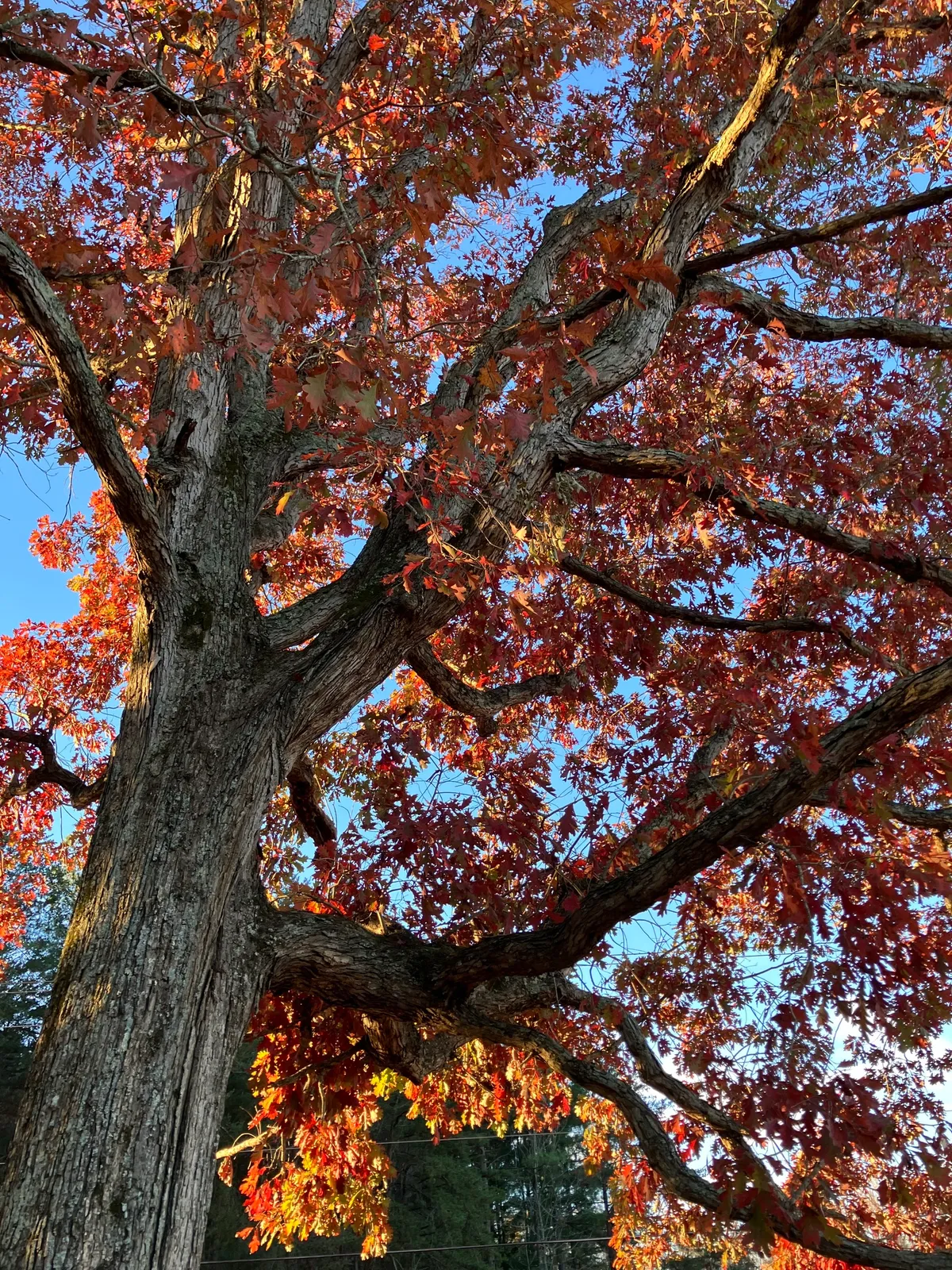
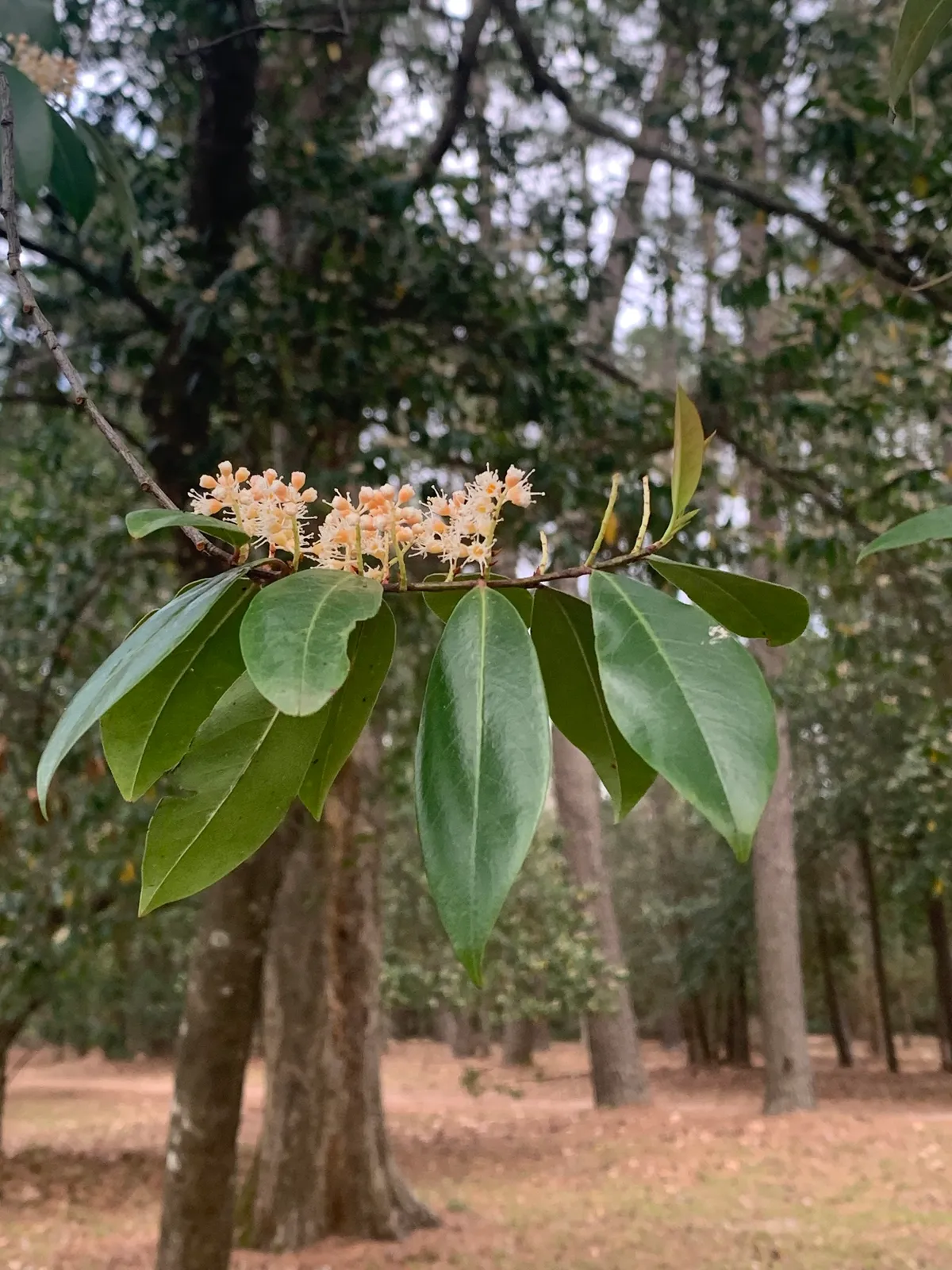
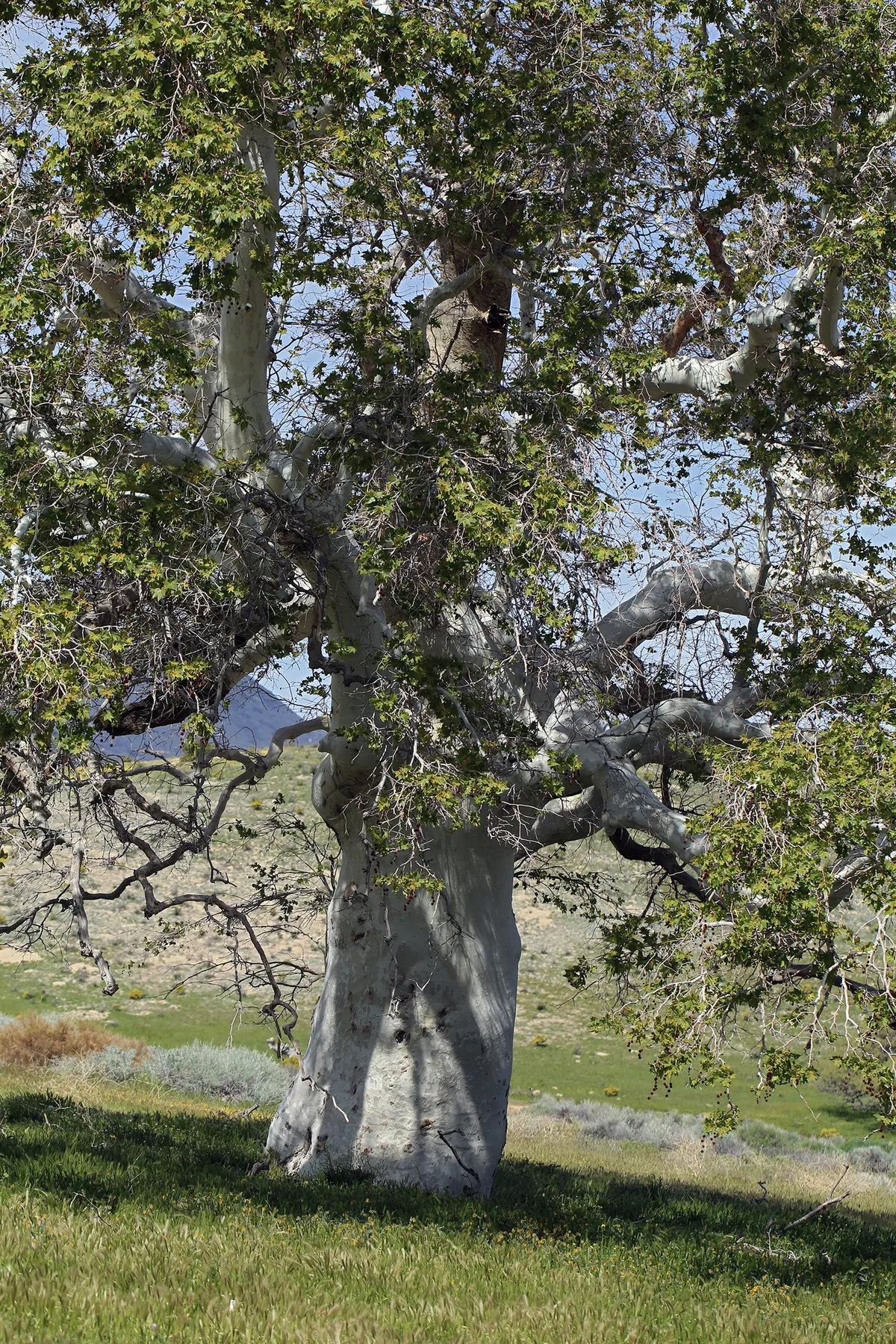
Retama is not native to the United States. These natives fill a similar role in a planting, matched on bloom season, bloom color and mature size.
Before you buy
Your city may pay you to plant this
Cities and water utilities offer rebates for replacing lawn with native and water-wise plants. We track 459 programs across 44 states, each with a link to the provider and the date we last checked it.
Find rebates in your areaPicture natives in your own yard
Wondering what could grow where Retama is now? Upload a photo of the spot and Patch Vision shows a rendering of it replanted with natives for your region.


Browse plants for this ecoregion
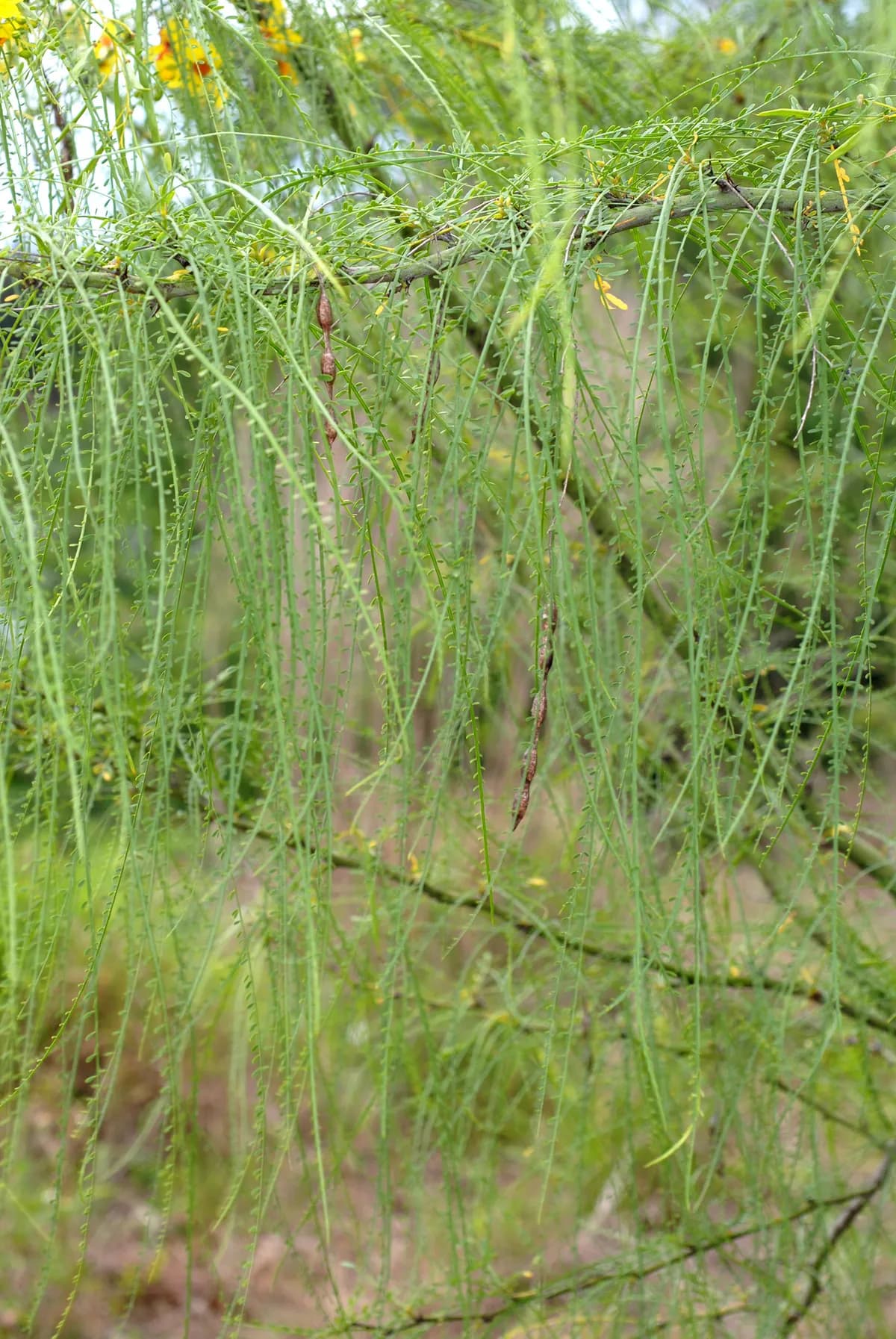
A fast-growing, airy tree with smooth yellow-green bark, drooping thorny branches, and tiny leaflets that give it a delicate, feathery silhouette. Clusters of fragrant yellow flowers bloom over an extended warm season, followed by narrow seed pods. Extremely heat and drought tolerant, useful as a light-canopy shade or accent tree.
Growing Retama
Grow Retama in full sun and low water. Mature plants reach 180 to 300 inches tall and spread 180 to 300 inches wide. Expect moderate maintenance to keep it looking intentional in a front yard.
How to care for Retama, by region
How to care for Retama where it is actually grown: year-round basics plus what to do each season, region by region, with the sources for each.
Care guidance last updated: September 2026
Cross Timbers (includes Fort Worth, TX)
Year-round
Retama, also known as Jerusalem thorn or Mexican palo verde, is a fast growing, feathery-leaved small tree with long-blooming yellow flowers. It shrugs off Texas heat and drought once established, but a hard freeze will strip its leaves overnight and every branch carries sharp thorns.
- Plant it in full sun in well drained soil. Fort Worth's sandier Cross Timbers ground drains fine on its own, but in Dallas's heavier Blackland Prairie clay, plant on a slight mound or work grit into the hole so roots are not sitting in water after a rain.
- This species is native to South Texas and points south into Mexico, not specifically to the Fort Worth or Dallas area, though it is a long established, well adapted landscape tree throughout North Texas.
- Every twig and branch carries sharp thorns. Keep it well away from walkways, play areas, and pool decks, and wear thick gloves whenever you prune or pick up dropped branches.
- It does not appear on the ASPCA's toxic plant lists for dogs, cats, or horses. The thorns, not the leaves or seeds, are the real hazard to watch for around kids and pets.
- Once established, it needs very little supplemental water and actually does better in a dry stretch than in soggy soil. Deep, infrequent watering beats a daily sprinkler.
Fall
Fall is a slow wind down for Retama. The tree thins out gradually well before any hard freeze arrives.
- Leaflets drop gradually through October and November, leaving a lacy, spidery look to the bare branches. That thinning is normal seasonal behavior, not a sign of trouble.
- The green trunk and branches keep functioning even as the leaves thin out, so a sparse looking tree in late fall is still healthy.
- Cut back on watering as growth slows for the year, and skip fertilizer on an established tree.
- Hold off on any real pruning now. Wait for spring regrowth so you know exactly which wood is truly dead.
Winter
A hard freeze can strip a Retama bare in a single night, which catches a lot of homeowners off guard the first time. That is normal winter behavior, not a sign the tree is dying.
- After a hard freeze, the small leaflets and leaf stalks drop all at once, leaving bare green branches behind. The trunk and limbs stay green all winter and keep working even with no leaves.
- Do not prune right after a freeze. Wait for spring growth to show which wood is actually dead, then cut back only those sections.
- In an unusually hard or prolonged freeze the dieback can go further than just the leaves. Give the tree until late spring before deciding it needs to be cut back hard or replaced.
If a bare, freeze-stripped Retama at the curb draws questions from neighbors over winter, it is dormant and expected to leaf back out in spring, not a tree that needs to come out.
Spring
Spring is when Retama leafs out for the year and kicks off its long bloom run, and it is also the best window to see how the tree came through winter.
- New feathery leaves fill in through March and April, and the first round of bright yellow flower clusters usually opens in April.
- Wait for new growth to show before you judge winter damage. Any branch that stays bare once the rest of the tree has leafed out is the wood to prune away, live green stems are fine even without leaves yet.
- Spring is the best time to plant a new Retama, giving roots a full growing season to settle in before next winter's cold hits.
- Water a newly planted tree regularly through its first spring and summer, then taper off as it establishes.
Summer
Summer is Retama's showcase season. It keeps blooming through the hottest, driest stretch of the year with almost no help from you.
- Yellow flower clusters keep opening from late spring through summer into fall, drawing bees and other pollinators to the yard.
- This tree is built for roughly a foot of rain a year once established, so skip extra watering unless you are in a genuinely long dry spell.
- Seed pods start forming in summer and keep dropping through fall. Keep the tree back from pools, patios, and walkways so pods and thorny twig litter are not landing on hardscape all season.
Sweep fallen seed pods and thorny twigs off the walkway and driveway on a regular pass. It keeps the front yard looking tended without any actual pruning needed.
Sources: Lady Bird Johnson Wildflower Center - Parkinsonia aculeata (Retama), ASPCA Toxic and Non-Toxic Plants, letter R (Retama not listed), Austin Native Landscaping - Retama (Parkinsonia aculeata) Plant Profile (community tip), My Gardener Says - A Seasonal Look: Retama (Parkinsonia aculeata) (community tip)
Texas Blackland Prairies (includes Dallas, TX)
Year-round
Retama, also known as Jerusalem thorn or Mexican palo verde, is a fast growing, feathery-leaved small tree with long-blooming yellow flowers. It shrugs off Texas heat and drought once established, but a hard freeze will strip its leaves overnight and every branch carries sharp thorns.
- Plant it in full sun in well drained soil. Fort Worth's sandier Cross Timbers ground drains fine on its own, but in Dallas's heavier Blackland Prairie clay, plant on a slight mound or work grit into the hole so roots are not sitting in water after a rain.
- This species is native to South Texas and points south into Mexico, not specifically to the Fort Worth or Dallas area, though it is a long established, well adapted landscape tree throughout North Texas.
- Every twig and branch carries sharp thorns. Keep it well away from walkways, play areas, and pool decks, and wear thick gloves whenever you prune or pick up dropped branches.
- It does not appear on the ASPCA's toxic plant lists for dogs, cats, or horses. The thorns, not the leaves or seeds, are the real hazard to watch for around kids and pets.
- Once established, it needs very little supplemental water and actually does better in a dry stretch than in soggy soil. Deep, infrequent watering beats a daily sprinkler.
Fall
Fall is a slow wind down for Retama. The tree thins out gradually well before any hard freeze arrives.
- Leaflets drop gradually through October and November, leaving a lacy, spidery look to the bare branches. That thinning is normal seasonal behavior, not a sign of trouble.
- The green trunk and branches keep functioning even as the leaves thin out, so a sparse looking tree in late fall is still healthy.
- Cut back on watering as growth slows for the year, and skip fertilizer on an established tree.
- Hold off on any real pruning now. Wait for spring regrowth so you know exactly which wood is truly dead.
Winter
A hard freeze can strip a Retama bare in a single night, which catches a lot of homeowners off guard the first time. That is normal winter behavior, not a sign the tree is dying.
- After a hard freeze, the small leaflets and leaf stalks drop all at once, leaving bare green branches behind. The trunk and limbs stay green all winter and keep working even with no leaves.
- Do not prune right after a freeze. Wait for spring growth to show which wood is actually dead, then cut back only those sections.
- In an unusually hard or prolonged freeze the dieback can go further than just the leaves. Give the tree until late spring before deciding it needs to be cut back hard or replaced.
If a bare, freeze-stripped Retama at the curb draws questions from neighbors over winter, it is dormant and expected to leaf back out in spring, not a tree that needs to come out.
Spring
Spring is when Retama leafs out for the year and kicks off its long bloom run, and it is also the best window to see how the tree came through winter.
- New feathery leaves fill in through March and April, and the first round of bright yellow flower clusters usually opens in April.
- Wait for new growth to show before you judge winter damage. Any branch that stays bare once the rest of the tree has leafed out is the wood to prune away, live green stems are fine even without leaves yet.
- Spring is the best time to plant a new Retama, giving roots a full growing season to settle in before next winter's cold hits.
- Water a newly planted tree regularly through its first spring and summer, then taper off as it establishes.
Summer
Summer is Retama's showcase season. It keeps blooming through the hottest, driest stretch of the year with almost no help from you.
- Yellow flower clusters keep opening from late spring through summer into fall, drawing bees and other pollinators to the yard.
- This tree is built for roughly a foot of rain a year once established, so skip extra watering unless you are in a genuinely long dry spell.
- Seed pods start forming in summer and keep dropping through fall. Keep the tree back from pools, patios, and walkways so pods and thorny twig litter are not landing on hardscape all season.
Sweep fallen seed pods and thorny twigs off the walkway and driveway on a regular pass. It keeps the front yard looking tended without any actual pruning needed.
Sources: Lady Bird Johnson Wildflower Center - Parkinsonia aculeata (Retama), ASPCA Toxic and Non-Toxic Plants, letter R (Retama not listed), Austin Native Landscaping - Retama (Parkinsonia aculeata) Plant Profile (community tip), My Gardener Says - A Seasonal Look: Retama (Parkinsonia aculeata) (community tip)
In an HOA neighborhood
Retama is an HOA-friendly choice. Maintenance level: moderate. Tidiness: 2 out of 5.
Works well in: street edge, mid zone.
- thorny branches can pose a hazard near walkways and play areas
- considerable leaf and seed pod litter
Wildlife value
Long-blooming flowers are a major nectar source for bees and butterflies through the warm months.
Common questions
- How much water does Parkinsonia aculeata need?
- This tree tolerates low water once established and does best in soils that drain quickly, making it a good fit for arid and semi-arid landscapes.
- When does the Retama tree bloom?
- Parkinsonia aculeata typically flowers from April through August, producing clusters of small five petaled yellow blooms along its slender green branches.
- What pollinators are attracted to Retama flowers?
- Bees and butterflies regularly visit the flowers of Parkinsonia aculeata for nectar during its long summer bloom period.
- What does Parkinsonia aculeata look like as it grows?
- It develops into a small to medium tree with a spreading, often drooping canopy, smooth green bark, and slender branches that can carry small thorns.
- Is Retama HOA-friendly?
- Retama is generally an HOA-friendly choice in the right placement, with moderate maintenance.
These answers were drafted with an AI model from this plant's data. Verify care details with a local expert.
Pollinator and host plant associations compiled from GBIF, iNaturalist, and published ecological literature.
If something looks wrong
Common plant problems, and what to check first
These come up on almost any plant. Each guide lists the likely causes in the order they are worth ruling out, with one thing to check before you act on any of them, and links to the source it came from.
- It is dying right after planting
- Leaves turning yellow
- Wilting even though I watered it
- Brown crispy leaf tips
- Bugs on the plant
Ready to grow Retama? Add it to your garden in Pollinator Patch to track it and get season-by-season care guidance.