Rose-pink
Sabatia angularis
Last reviewed: August 2026
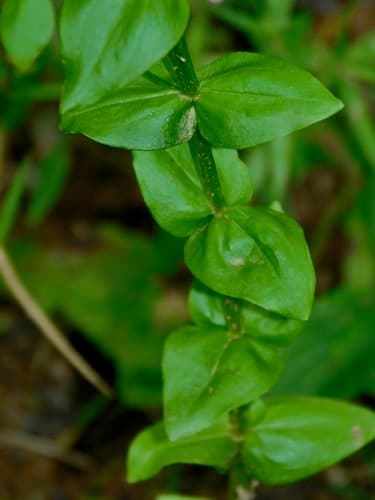
Sabatia angularis, or rose-pink, is a biennial forb that blooms from July through September with clusters of pink, star-shaped flowers. It grows in meadows, open woodlands, and roadside fields across much of the eastern and central United States.
Toxicity unknown
Rose-pink (Sabatia angularis) is not listed by the ASPCA Animal Poison Control Center (opens in new tab) or the other sources we check, so we have no verdict for it either way. Absence from those lists is not a clearance. If your pet shows symptoms after eating any plant, call the ASPCA at (888) 426-4435.
Light
part sun
Water
medium
Size
12"–24" H × 6"–12" W
Bloom
Jul, Aug, Sep
Native to
AL, AR, DE, FL and 22 more states
Pollinators
bees, butterflies
Before you buy
Your city may pay you to plant this
Cities and water utilities offer rebates for replacing lawn with native and water-wise plants. We track 459 programs across 44 states, each with a link to the provider and the date we last checked it.
Find rebates in your areaPicture natives in your own yard
Upload a photo of your yard and Patch Vision shows a rendering of it planted with natives for your region, like Rose-pink.


Browse plants for this ecoregion
Rose-pink is a charming native wildflower that produces bright pink, five-petaled flowers from summer through early fall. This compact perennial forms neat clumps with slender stems and narrow leaves, creating a delicate cottage garden appearance. It thrives in partial sun with average moisture and provides consistent seasonal color.
Growing Rose-pink
Grow Rose-pink in part sun and medium water. Mature plants reach 12 to 24 inches tall and spread 6 to 12 inches wide. Expect low maintenance to keep it looking intentional in a front yard.
How to care for Rose-pink, by region
How to care for Rose-pink where it is actually grown: year-round basics plus what to do each season, region by region, with the sources for each.
Care guidance last updated: August 2026
Willamette Valley (includes Portland, OR)
Year-round
Rosepink is worth trying in a Portland yard, but it is not from the Pacific Northwest, so treat it as a plant you are hosting rather than one you are restoring.
- Rosepink grows wild from Ontario down through Michigan and Wisconsin, south to Florida and Texas. It is not native to Oregon or anywhere in the Pacific Northwest, so this is about growing it well here, not bringing back a local plant.
- It is a biennial, not a perennial. Year one it is just a low rosette of leaves close to the ground. Year two it sends up branching stems and blooms, then that plant is finished.
- Give it full sun to part shade and soil that stays on the moist side. Loam, sand, or peat all work. It does not want to dry out completely or sit in standing water.
- It is hardy down to USDA zone 5, so Portland's zone 8a to 8b winters are mild by comparison and will not be a problem for it.
Fall
Fall is when the second-year plant finishes up and dies back, and it is the right time to sow next year's seed.
- Once a second-year plant finishes blooming and its seed pods mature, that plant dies. Let the pods dry and drop before you clear anything if you want it to come back on its own next year.
- This is the best time to sow new seed. It needs a stretch of cold to break dormancy, so scatter it right on top of the soil in late fall or winter rather than saving it for spring.
- Portland's first frost can land as early as the first week of November near the airport or as late as the end of November downtown, so get any seed down and cleanup done before the ground turns cold and wet.
- Once the flowering stems are spent and brown, cut them back so the bed does not sit there looking dead through the rest of fall.
A fall cutback of the spent flowering stems is worth doing on a front-facing bed to keep it looking tended.
Winter
Winter is quiet for this plant. Portland's mild wet season is not a cold problem, it is a drainage one.
- This plant is hardy down to USDA zone 5, and Portland sits in zone 8a to 8b, so the rosette sitting in your bed all winter is not at real risk from the cold.
- The bigger risk here is soil that stays waterlogged for weeks at a time during the rainy season. Make sure the bed drains between storms so the roots do not rot.
- There is nothing to prune or feed this time of year. Just leave the first-year rosette alone and it will bolt and bloom the following summer.
- If you sowed seed on the surface back in fall, winter's cold and wet is exactly what it needs to break dormancy, so leave that spot undisturbed.
Spring
Spring is when a fall-sown seed finally sprouts and when a second-year rosette starts bolting toward its summer bloom.
- If you scattered seed on bare soil back in late fall or winter, spring is when the cold and moisture it needed finally breaks dormancy and it germinates.
- Any rosette that has been sitting there since last year will start pushing up its flowering stem this month, heading toward a July to September bloom.
- Portland's last frost date ranges from late February downtown to late March out near the airport, so wait until you are past that window for your spot before moving new starts outside.
- The Willamette Valley's heaviest rain runs from November into early spring, so you likely will not need to water this one on your own yet.
Summer
Summer is bloom time, right when Portland's dry season kicks in, so this plant needs more help from you than it would back home.
- Flowers open pink with a yellow-green center from July through September, which lines up with the driest stretch of the Portland year.
- In its home range it gets natural rain through summer. Here it will not, so plan on watering deeply whenever the top couple inches of soil dry out.
- It wants soil on the moist side, not a dry bed, so do not let it go more than a few days without a check during a hot stretch.
- A layer of mulch around the base helps hold that moisture and keeps the root zone from overheating in the afternoon sun.
Sources: Lady Bird Johnson Wildflower Center: Sabatia angularis (SAAN), NC State Extension: Sabatia angularis, Prairie Moon Nursery: Sabatia angularis growing guide, Wikipedia: Climate of Oregon (community tip), Portland Nursery: Average Frost Dates
In an HOA neighborhood
Rose-pink is an HOA-friendly choice. Maintenance level: low. Tidiness: 4 out of 5.
Works well in: front yard, foundation, street edge, mid zone.
Wildlife value
The showy pink flowers are excellent for attracting bees and butterflies throughout the long blooming season. This plant serves as a valuable nectar source during late summer when many other flowers have finished blooming.
Common questions
- When does rose-pink bloom?
- Rose-pink typically flowers from July through September, producing pink, star-shaped blossoms on branching stems.
- What pollinators visit rose-pink flowers?
- Bees and butterflies are the main visitors, drawn to the open, pink flowers during the summer bloom period.
- How much light and water does rose-pink need?
- Rose-pink does best with part sun and medium moisture, and it tolerates a range of light from full sun to part shade in the right soil conditions.
- Is rose-pink an annual or a perennial?
- Rose-pink is a biennial forb, forming a low rosette of leaves the first year and sending up flowering stems the second year before setting seed.
- What kind of habitat does rose-pink prefer?
- It grows in open meadows, prairies, glades, and along roadsides where sunlight is plentiful and soil moisture is moderate.
- Is Rose-pink HOA-friendly?
- Rose-pink is generally an HOA-friendly choice in the right placement, with low maintenance.
These answers were drafted with an AI model from this plant's data. Verify care details with a local expert.
Native range data from vouchered herbarium specimen records and regional native plant society lists. Pollinator and host plant associations compiled from GBIF, iNaturalist, and published ecological literature.
If something looks wrong
Common plant problems, and what to check first
These come up on almost any plant. Each guide lists the likely causes in the order they are worth ruling out, with one thing to check before you act on any of them, and links to the source it came from.
- It is dying right after planting
- Leaves turning yellow
- Wilting even though I watered it
- Brown crispy leaf tips
- Bugs on the plant
Ready to grow Rose-pink? Add it to your garden in Pollinator Patch to track it and get season-by-season care guidance.