Florida Paspalum
Paspalum floridanum
Last reviewed: August 2026
Toxicity unknown
Florida Paspalum (Paspalum floridanum) is not listed by the ASPCA Animal Poison Control Center (opens in new tab) or the other sources we check, so we have no verdict for it either way. Absence from those lists is not a clearance. If your pet shows symptoms after eating any plant, call the ASPCA at (888) 426-4435.
Light
part sun
Water
medium
Size
60"–84" H × 12"–24" W
Bloom
Jun, Jul, Aug, Sep, Oct, Nov
Native to
AL, AR, DE, FL and 18 more states
Before you buy
Your city may pay you to plant this
Cities and water utilities offer rebates for replacing lawn with native and water-wise plants. We track 452 programs across 44 states, each with a link to the provider and the date we last checked it.
Find rebates in your areaBrowse plants for this ecoregion
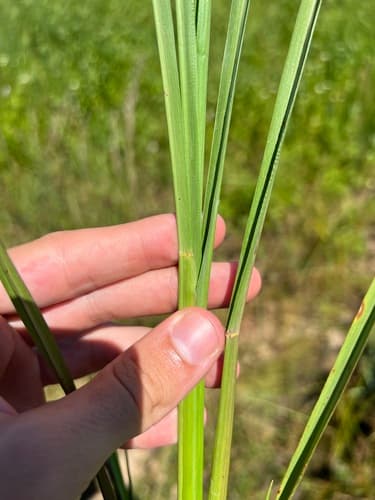
Florida Paspalum is a tall native grass that forms upright clumps reaching 5-7 feet in height. It produces attractive seed heads throughout summer and fall, providing texture and movement in the landscape. This warm-season grass goes dormant in winter, turning tan or brown before new growth emerges in spring.
How to care for Florida Paspalum, by region
How to care for Florida Paspalum where it is actually grown: year-round basics plus what to do each season, region by region, with the sources for each.
Care guidance last updated: September 2026
Ouachita Mountains (includes Hot Springs, AR)
Year-round
Florida paspalum is a warm season native bunchgrass in the grass family, native to Arkansas and well suited to the Ouachita Mountains region around Hot Springs. It grows in an upright clump 3 to 6 feet tall from short, thick rhizomes and does best with part sun to part shade and soil that stays on the moist side.
- This grass is native to Arkansas according to the USDA PLANTS national database, so it belongs naturally in a Hot Springs area native planting.
- Give it part sun to light shade and soil on the moist side, though it also tolerates average garden soil once established, per the Lady Bird Johnson Wildflower Center.
- Expect an upright clump 3 to 6 feet tall that spreads slowly from short, thick rhizomes, per the USDA NRCS plant fact sheet.
- As a warm season grass it grows actively from late spring through fall, then goes dormant and turns tan for winter.
- Skip routine fertilizer, established clumps generally only need it if a soil test shows a real deficiency, per USDA NRCS.
- Quail, dove, and turkey eat the seed heads, so leaving the stalks up into fall and winter adds food value for birds, per USDA NRCS.
Fall
Fall is when Florida paspalum sets its seed heads, which mature into late fall. This warm season bunchgrass is typically left standing now rather than cut back.
- Seed heads mature in late fall, per USDA NRCS, leave them in place so birds can feed on them into winter.
- Skip cutting the grass back now, waiting until late winter or early spring keeps shelter available for overwintering insects, per the Xerces Society.
- The foliage will start turning tan and brown as the plant goes dormant, that color change is expected and not a sign of a problem.
- Fall is not the time to reseed or divide the clump, plan that work for spring instead.
- A mowed edge or defined bed border around the clump helps the tall standing grass read as an intentional planting.
Leaving seed heads and dry stems standing through fall can look untidy to a neighbor, a clean mowed edge or defined bed line around the clump signals it is a planned planting rather than neglect.
Winter
Florida paspalum is fully dormant in winter. Its tan seed stalks and foliage stand through the cold, serving as shelter until the clump greens up again in spring.
- Tan, dry looking growth is normal for a dormant warm season grass in winter, not a sign the plant has died, per USDA NRCS.
- Leave the standing stems up through winter, they shelter insects and small wildlife that a pollinator friendly yard depends on, per the Xerces Society.
- Do not cut back or mow now, save that task for late winter or early spring instead.
- An established, dormant clump handles typical Hot Springs area winter cold without extra protection.
- If a winter storm mats the grass down, it is fine to clear loose debris, but hold off on a full cutback.
A dormant, tan clump can look bare in winter, keeping the bed edges clean and mulched signals it is an active planting rather than an abandoned patch.
Spring
Spring is when Florida paspalum breaks dormancy and greens up as the soil warms. It is also the best window to cut back last year's dry growth before new blades emerge and, if wanted, to seed or divide new plants.
- Cut old stems back to about 4 to 6 inches before new green growth starts, USDA NRCS notes the plant handles mowing that low without harm.
- Do not expect visible new growth until the soil warms in mid to late spring, that delay is normal for a warm season grass.
- If direct seeding, plant a quarter to three quarter inch deep into a firm seedbed, per USDA NRCS guidance.
- Water new seedlings regularly through their first spring, seedlings take hold fast with reliable moisture.
- Hold off on fertilizer unless a soil test shows a real need.
Cutting back last year's dry stems in early spring, right as the neighborhood's lawns green up, keeps the planting looking tended rather than overgrown.
Summer
Summer is Florida paspalum's peak growing season in Arkansas heat. The clump fills in and begins pushing up its tall seed stalks as this warm season grass hits its stride.
- Expect the fastest growth of the year now, warm season grasses like this one are built for summer heat, per USDA NRCS.
- Water deeply and less often during dry spells rather than frequent light sprinkles, especially for a clump still getting established.
- No mowing is needed once the clump is established, this is a clumping ornamental grass, not a lawn grass.
- Seed stalks typically start emerging by late summer.
- Pull competing weeds from around the base while a young clump is still filling in.
Sources: USDA PLANTS Profile: Paspalum floridanum, USDA NRCS Plant Fact Sheet: Florida Paspalum, Lady Bird Johnson Wildflower Center: Paspalum floridanum, Xerces Society: Put Down Those Pruners, Pollinators Need Your Garden Garbage
Want these tasks as reminders timed to your yard? Pollinator Patch turns this guidance into a season-by-season care plan for the plants you actually grow.
In an HOA neighborhood
Florida Paspalum takes more care to keep looking intentional in a front yard. Maintenance level: low. Consider it for backyard or mid-zone beds rather than the street edge.
Works well in: backyard only.
- Height exceeds typical HOA-friendly range
Wildlife value
The seed heads provide food for birds and small mammals throughout fall and winter. As a native grass, it supports various insects and provides nesting material for wildlife.
Common questions
- How much sun does Florida Paspalum need?
- Florida Paspalum grows best in part sun conditions.
- When does Florida Paspalum bloom?
- Florida Paspalum blooms in June, July, August, September, October, and November.
- Where is Florida Paspalum native?
- Florida Paspalum (Paspalum floridanum) is native to AL, AR, DE, FL and 18 more states, per vouchered herbarium specimen records and regional native plant society lists.
- Is Florida Paspalum HOA-friendly?
- Florida Paspalum takes more care to look intentional in a front yard. Consider it for backyard or mid-zone beds rather than the street edge.
Native range data from vouchered herbarium specimen records and regional native plant society lists. Pollinator and host plant associations compiled from GBIF, iNaturalist, and published ecological literature.
If something looks wrong
Common plant problems, and what to check first
These come up on almost any plant. Each guide lists the likely causes in the order they are worth ruling out, with one thing to check before you act on any of them, and links to the source it came from.
- It is dying right after planting
- Leaves turning yellow
- Wilting even though I watered it
- Brown crispy leaf tips
- Bugs on the plant
Ready to grow Florida Paspalum? Add it to your garden in Pollinator Patch to track it and get season-by-season care guidance.
Planning a bed around it? Start a free plan with this plant
Not sure where to start? Take the 2-minute yard quiz