Plains Yellow Primrose
Oenothera serrulata
Last reviewed: October 2026
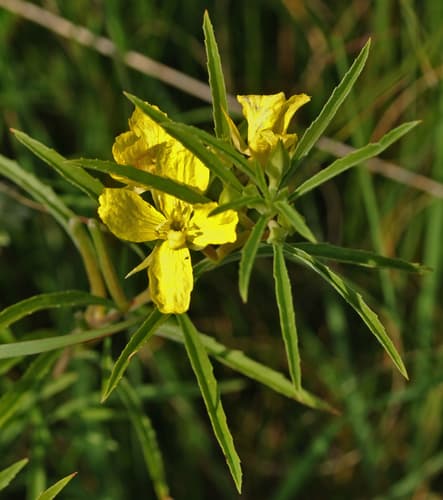
Oenothera serrulata is a low-growing forb with bright yellow flowers that open from May through August, thriving in full sun and dry, well-drained soils typical of prairies and rocky plains.
Toxicity unknown
Plains Yellow Primrose (Oenothera serrulata) is not listed by the ASPCA Animal Poison Control Center (opens in new tab) or the other sources we check, so we have no verdict for it either way. Absence from those lists is not a clearance. If your pet shows symptoms after eating any plant, call the ASPCA at (888) 426-4435.
Light
full sun
Water
low
Size
9"–24" H × 6"–18" W
Bloom
May, Jun, Jul, Aug
Native to
AR, AZ, CO, IA and 16 more states
Pollinators
moths, bees, hummingbirds
Before you buy
Your city may pay you to plant this
Cities and water utilities offer rebates for replacing lawn with native and water-wise plants. We track 459 programs across 44 states, each with a link to the provider and the date we last checked it.
Find rebates in your areaPicture natives in your own yard
Upload a photo of your yard and Patch Vision shows a rendering of it planted with natives for your region, like Plains Yellow Primrose.


Browse plants for this ecoregion
Yellow Evening Primrose is a low-growing perennial wildflower that produces bright yellow, four-petaled blooms throughout the summer months. This drought-tolerant native forms compact clumps and thrives in full sun with minimal water once established.
Growing Plains Yellow Primrose
Grow Plains Yellow Primrose in full sun and low water. Mature plants reach 9 to 24 inches tall and spread 6 to 18 inches wide. Expect low maintenance to keep it looking intentional in a front yard.
How to care for Plains Yellow Primrose, by region
How to care for Plains Yellow Primrose where it is actually grown: year-round basics plus what to do each season, region by region, with the sources for each.
Care guidance last updated: September 2026
Texas Blackland Prairies (includes Dallas, TX)
Year-round
Plains Yellow Primrose is a native, low-water plant for the Dallas area that needs almost nothing beyond full sun and soil that drains, and it is fine to plant near pets.
- This plant is native to the Blackland Prairie region around Dallas, so it's naturally built for the area's heat and clay-heavy ground once there's decent drainage.
- Give it full sun and dry, well-drained soil. Sandy, rocky, or amended clay all work, but soggy soil will rot the roots.
- It grows a deep taproot early on and does not like being dug up and moved, so pick its permanent spot before you plant.
- Skip regular fertilizer. This plant is built for poor soil, and heavy feeding tends to make it floppy instead of full.
- It is not on the ASPCA's toxic plant list for dogs, cats, or horses. The toxic 'primrose' some pet owners worry about is Primula, an unrelated plant.
Fall
Fall is cutback and replanting season here, once bloom tapers off and the North Texas heat finally breaks.
- Once bloom tapers off, cut the flowering stems back to the low rosette of leaves at the base. This resets the plant for next year's growth.
- Fall is also a good time to direct-sow scarified seed for next spring, or plant new starts, since the worst of the heat has broken but the ground is still warm enough for roots to settle in before winter.
- This plant can self-seed. Leave a few seed heads if you want the patch to fill in, or pull unwanted seedlings where you don't want it spreading.
- Skip heavy mulch. If you do mulch for winter, keep it off the crown so the base doesn't stay wet.
This fall cutback is the easiest HOA-conscious move for this plant, a tidy dormant clump reads as intentional instead of overgrown.
Winter
This plant rests as a low rosette through Dallas's mostly mild winters and needs no protection from typical cold snaps.
- North Texas winters are mostly mild, but a hard freeze can drop temps into the teens or low 20s for a night or two most years. This plant is winter-hardy here and doesn't need covering.
- It mostly rests through winter as a low rosette of leaves at the base. Don't expect much growth or bloom right now.
- Keep it dry. Cold, waterlogged soil, common in Dallas's heavier clay after winter rain, is a bigger risk to this plant than the cold itself.
- Standing seed heads left over winter are fine to leave for the birds. Save the real cutback for when spring growth starts.
If tidiness matters for the HOA, a lighter fall cleanup beats leaving full seed heads standing into winter.
Spring
Spring is planting, seeding, and cutback season for this plant in North Texas, right before the first flush of yellow blooms opens.
- Plant or direct-sow in early spring, before North Texas heat sets in. Because of the taproot, seed or small starts settle in better than large potted plants.
- Cut back any dead growth left from last year down to the low rosette of leaves at the base, before new stems take off.
- Look for the first yellow blooms starting in April. Established plants don't need extra water if spring rainfall is close to normal.
- If you're starting from seed, soak it 5 to 10 hours first to help it sprout.
A quick early spring cutback of last year's dead growth is a good, low-effort way to keep the bed looking tended before bloom starts.
Summer
Through Dallas's hot, humid summer this plant keeps blooming on its own with no supplemental water needed once established.
- Blooms come and go through summer once the big spring flush passes. Deadheading spent flowers helps push out new ones.
- Dallas summers bring long stretches of 95 to 100-plus degree heat with little rain. Established plants handle this without help. Water new plantings lightly if you must, this plant would rather stay on the dry side.
- Skip heavy mulch around the base. In our humid summers, mulch piled against the crown holds moisture and can lead to rot.
- If the clump looks worn out by late summer, hold off on a hard cutback until fall so the last blooms finish out naturally.
Deadheading through summer keeps the front bed tidy for neighbors even during the slow, hot stretch.
Sources: Lady Bird Johnson Wildflower Center: Calylophus serrulatus (Oenothera serrulata) plant profile, Native Plant Society of Texas: Oenothera serrulata plant profile, ASPCA Animal Poison Control: Primrose
In an HOA neighborhood
Plains Yellow Primrose takes more care to keep looking intentional in a front yard. Maintenance level: low. Consider it for backyard or mid-zone beds rather than the street edge.
Works well in: backyard only.
- Has wild, weedy appearance that most HOAs reject
- Very informal growth habit unsuitable for maintained landscapes
- Evening blooming pattern means flowers often closed during day
Wildlife value
The flowers attract night-flying moths and various bee species. Blooms open in the evening, making this plant particularly valuable for nighttime pollinators.
Common questions
- When does Plains Yellow Primrose bloom?
- Oenothera serrulata typically flowers from May through August, with cup-shaped yellow blooms that often open in late afternoon or evening.
- What pollinators does Oenothera serrulata attract?
- Bees visit during the day and moths are drawn to the flowers as they open toward evening, making this plant useful for supporting both groups.
- What growing conditions suit this plant best?
- It grows best in full sun with low water needs, tolerating dry, sandy or rocky, well-drained soils similar to those found on open plains and prairie slopes.
- Is Oenothera serrulata a good choice for a dry garden bed?
- Yes, its low water requirement and preference for full sun make it well suited to xeriscapes, prairie gardens, and other low-maintenance dry plantings.
- Is Plains Yellow Primrose HOA-friendly?
- Plains Yellow Primrose takes more care to look intentional in a front yard. Consider it for backyard or mid-zone beds rather than the street edge.
These answers were drafted with an AI model from this plant's data. Verify care details with a local expert.
Native range data from the World Checklist of Vascular Plants (Kew). Pollinator and host plant associations compiled from GBIF, iNaturalist, and published ecological literature.
If something looks wrong
Common plant problems, and what to check first
These come up on almost any plant. Each guide lists the likely causes in the order they are worth ruling out, with one thing to check before you act on any of them, and links to the source it came from.
- It is dying right after planting
- Leaves turning yellow
- Wilting even though I watered it
- Brown crispy leaf tips
- Bugs on the plant
Ready to grow Plains Yellow Primrose? Add it to your garden in Pollinator Patch to track it and get season-by-season care guidance.