Rum Cherry
Prunus serotina
Last reviewed: October 2026
Prunus serotina, or black cherry, is a deciduous tree with drooping clusters of white flowers in May and June. It thrives in woodlands, fencerows, and old fields across much of the eastern and central United States.

Rum Cherry is toxic to dogs and cats.
Listed as toxic by the ASPCA Animal Poison Control Center (opens in new tab) (last reviewed 2026-05-21). If your pet has been exposed, call the ASPCA Animal Poison Control Center at (888) 426-4435 and your veterinarian's emergency line.
Pollinator Patch flags toxic plants so you can choose a pet-safe native alternative for your yard.
Native swaps for a yard with pets
Rum Cherry is listed as toxic to dogs by the ASPCA Animal Poison Control Center. These natives fill a similar role in a planting and are not on the ASPCA toxic plant list for dogs or cats. Each plant's page carries its dated record.
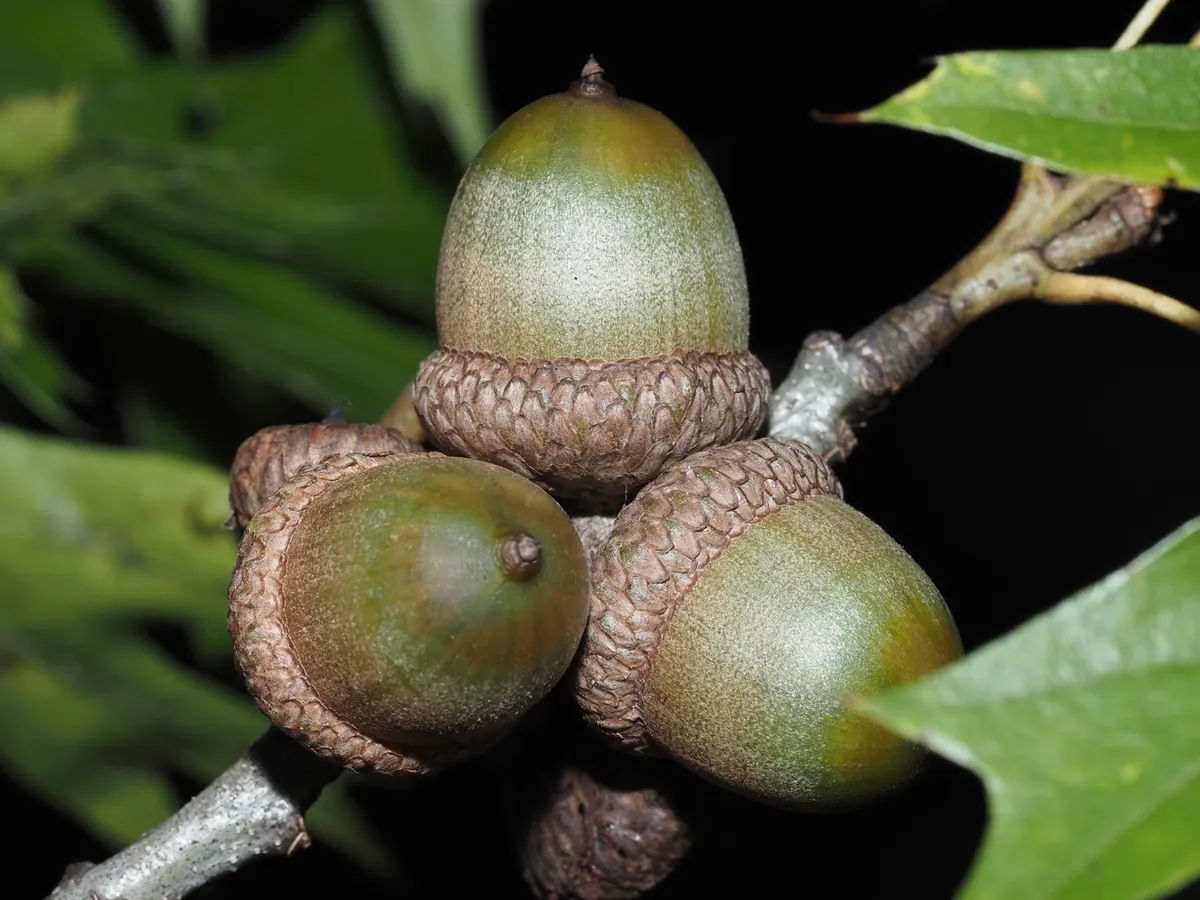
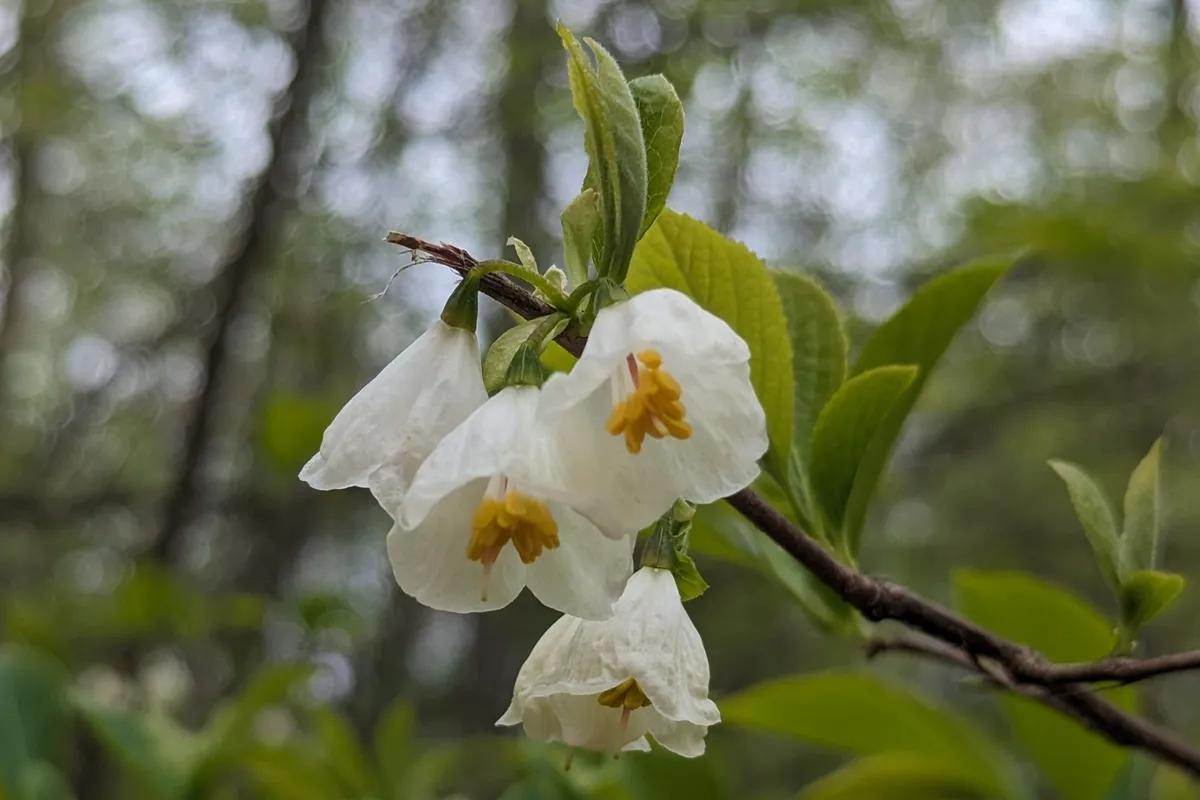
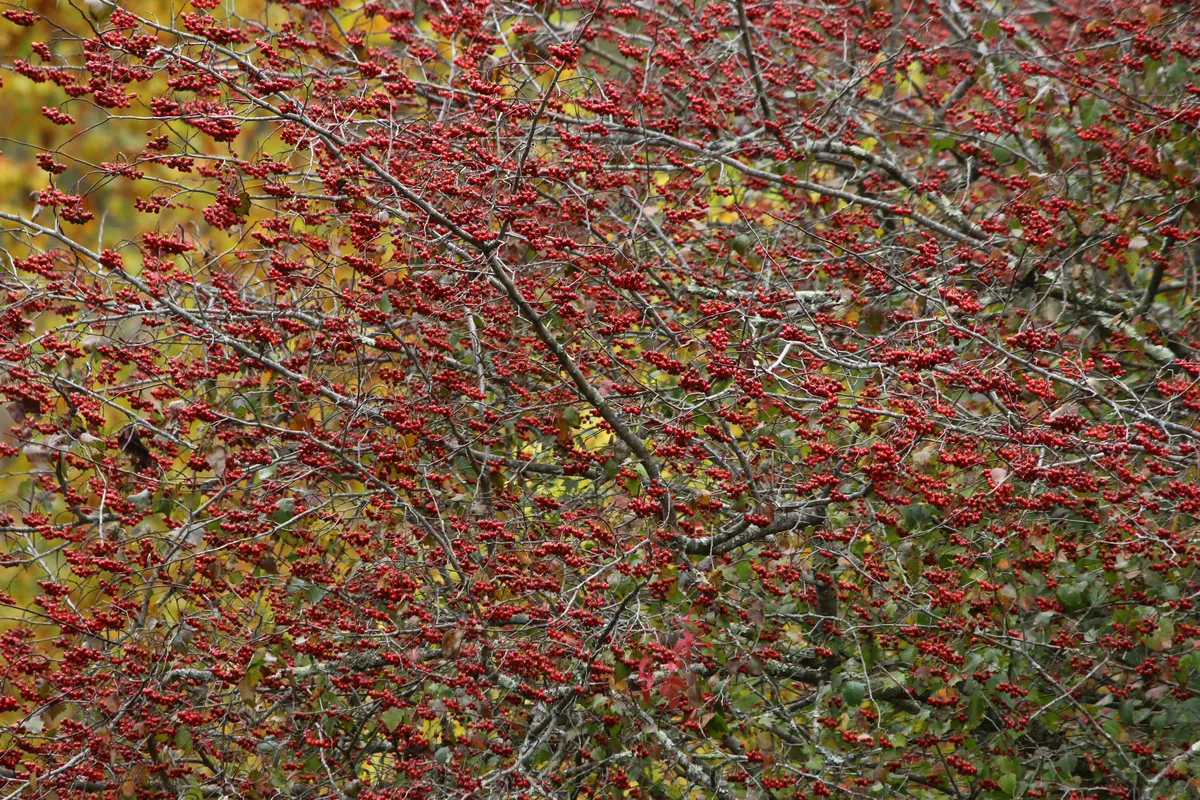
Rum Cherry is listed as toxic to grazing livestock such as cattle, sheep, and goats at a severe level by the USDA PLANTS Database (opens in new tab). This is a livestock indicator and is separate from pet toxicity.
Light
full sun
Water
medium
Size
840"–1320" H × 360"–480" W
Bloom
Mar, Apr, May
Native to
AL, AR, AZ, CO and 35 more states
Pollinators
bees, beetles, butterflies, moths
Before you buy
Your city may pay you to plant this
Cities and water utilities offer rebates for replacing lawn with native and water-wise plants. We track 459 programs across 44 states, each with a link to the provider and the date we last checked it.
Find rebates in your areaPicture natives in your own yard
Upload a photo of your yard and Patch Vision shows a rendering of it planted with natives for your region, like Rum Cherry.


Browse plants for this ecoregion
Rum cherry is a large native tree that produces fragrant white flower clusters in late spring followed by small dark berries in summer. This fast-growing deciduous tree develops an oval to rounded crown and can reach substantial size at maturity.
Growing Rum Cherry
Grow Rum Cherry in full sun and medium water. Mature plants reach 840 to 1320 inches tall and spread 360 to 480 inches wide. Expect moderate maintenance to keep it looking intentional in a front yard.
How to care for Rum Cherry, by region
How to care for Rum Cherry where it is actually grown: year-round basics plus what to do each season, region by region, with the sources for each.
Care guidance last updated: September 2026
Piedmont (includes Atlanta, GA)
Year-round
Black cherry is a native shade tree that grows fast and needs very little upkeep once it settles in, but wilted leaves, twigs, and seeds contain cyanide compounds that make it a real hazard for grazing animals and pets that get into fallen branches.
- Give it room. In the Atlanta area this tree can reach 60 to 100 feet tall with a crown spreading up to 70 feet at maturity, so plant it well away from the house, power lines, and driveways.
- Water a newly planted tree regularly through its first two growing seasons. Once established, it tolerates both dry and moist soil and rarely needs extra watering.
- Rake up and haul away fallen branches and prunings promptly. Wilted leaves and twigs carry the highest levels of the cyanide compounds this species contains.
- Keep dogs, cats, and horses away from wilted foliage and fallen limbs. Black cherry is on the ASPCA's toxic plant list for its stems, leaves, and seeds.
- Expect volunteer seedlings nearby since birds spread the seed readily. Pull the ones you do not want while they are still small and easy to remove.
Its mature size and wide root spread near walks or driveways is worth planning around up front. Choosing a spot well clear of hardscape and sightlines keeps the tree looking HOA-friendly as it grows into its full size.
Fall
Fall brings yellow to orange leaf color and is the season to spot storm damage and disease before the dormant-season prune. It is also the easiest time of year to see black knot fungus on the branches.
- Leaves turn yellow to orange in autumn for a solid, if not blazing, seasonal color change in the Atlanta area.
- As leaves drop, look over the branch structure for any crossing, broken, or dead limbs and mark them for removal once the tree is fully dormant in late winter.
- Check for rough, dark, swollen growths on branches. That is black knot fungus, a disease extension offices list as a real concern for this species, and it is far easier to spot once the leaves are down.
- Rake and remove fallen fruit and leaf litter promptly. Decomposing fruit can stain walkways, and fallen leaves still carry the same cyanide compounds as fresh growth while they wilt.
A fall cleanup of fruit litter and dropped leaves keeps street-facing beds looking tidy heading into winter.
Winter
Winter dormancy is the best window for structural pruning on black cherry in the Atlanta area, and the bare branches make both storm damage and overwintering pest eggs easy to spot.
- Prune in late winter, January into early March before buds break. Cuts close more cleanly while the tree is dormant and most pests and pathogens are inactive.
- Look along branch forks for small, dark egg masses ringing a twig. Removing them now, a method UGA Extension recommends, heads off the spring web-forming pest before it starts.
- With leaves down, check the branch structure once more for the swollen growths of black knot fungus and cut out any affected wood.
- Skip winter watering unless the ground stays unusually dry. A dormant tree does not need the supplemental water a newly planted one does.
- Clear away any limbs a winter storm brings down. Wilted or damaged wood still carries the same cyanide compounds as fresh growth, so keep pets and grazing animals clear until it is cleaned up.
Clearing storm-dropped limbs and doing the dormant-season prune keeps the tree's winter silhouette tidy for a street-facing yard.
Spring
Spring is bloom season for black cherry around Atlanta, with small white flower clusters opening as new leaves unfold. It is also when the tree's most common seasonal pest becomes active.
- Expect fragrant white flower clusters to open in April as new leaves emerge, generally a few weeks after the last hard freeze in the Atlanta area.
- Check branch forks for small silken tents in early spring. This web-forming pest, common on wild cherry trees, finishes its one yearly cycle within a few weeks. UGA Extension recommends pulling the webs out by hand rather than reaching for a spray.
- Use the new leaf-out to spot any branches broken by winter storms and remove them now, while wounds still have a full growing season to close over.
- Clear any spring storm-broken twigs promptly. Wilted twigs are the most concentrated source of the cyanide compounds this species carries.
- Keep a mulch ring out to about 3 feet from the trunk to hold spring soil moisture for a young tree, keeping the mulch itself off the bark.
Fallen white petals after bloom are a quick spring sweep, not a liability. Most front yards read a flowering tree as a curb-appeal plus once the petal drop is cleared.
Summer
Summer is when black cherry's fruit ripens and drops, which draws in birds, and it is the tree's peak growing season for water needs.
- Cherries ripen from red to near black through mid to late summer and drop steadily. Birds strip most of the crop within days in the Atlanta area, so expect some fruit litter on paved surfaces underneath the canopy.
- During a dry summer stretch, give a young tree in its first two or three seasons an occasional deep soak. An established tree generally does not need extra watering.
- Watch for wilting on any storm-damaged or heat-stressed branches. Wilted leaves carry the highest levels of this species' cyanide compounds, so clear them promptly if pets or grazing animals share the yard.
- Black cherry tolerates full sun through partial shade, which covers most Atlanta summer conditions, though flowering and fruiting are heaviest in full sun.
Fruit drop onto a driveway, sidewalk, or parked car can stain during peak ripening. Planning the tree's spot away from hardscape, or budgeting a quick sweep during drop, keeps the area tidy.
Sources: Lady Bird Johnson Wildflower Center: Prunus serotina plant database, Georgia Native Plant Society: Black Cherry (Prunus serotina), ASPCA: Black Cherry, Toxic and Non-Toxic Plants, Tree Service Sandy Springs: Best Time to Trim Trees in Georgia (community tip), UGA Extension: Eastern Tent Caterpillar (Malacosoma americanum), University of Illinois Extension: Black Cherry, Wild Cherry (Prunus serotina)
In an HOA neighborhood
Rum Cherry takes more care to keep looking intentional in a front yard. Maintenance level: moderate. Consider it for backyard or mid-zone beds rather than the street edge.
Works well in: backyard only.
- Becomes very large for most residential lots
- Berries can create mess on walkways and driveways
- May be considered too wild or informal for front yards
Wildlife value
Host plant for tiger swallowtail, promethea moth, eastern tent caterpillar.
The flowers attract bees and beetles in May and June, while the berries feed numerous bird species. The foliage serves as a host plant for several butterfly and moth caterpillars.
Common questions
- When does black cherry bloom?
- Black cherry produces its white flower clusters in May and June, appearing after the leaves have emerged.
- What pollinates black cherry flowers?
- Bees and beetles are the main visitors to black cherry flowers, drawn to the nectar and pollen produced in the spring blooms.
- How much light does black cherry need?
- Black cherry grows best in full sun but tolerates part sun to part shade, often establishing first in open fields or forest edges before growing into the canopy.
- What kind of soil moisture does black cherry prefer?
- It grows well in medium moisture, well-drained soils but can tolerate drier sites once established, which is why it appears in a wide range of upland and disturbed habitats.
- How large does black cherry grow?
- Given room and time, black cherry can reach 60 to 80 feet tall, developing a straight trunk and rounded crown typical of mature forest trees.
- Is Rum Cherry toxic to dogs?
- Yes. Rum Cherry is listed as toxic to dogs by the ASPCA Animal Poison Control Center (aspca.org). If your pet has been exposed, call the ASPCA Animal Poison Control Center at (888) 426-4435.
- Is Rum Cherry toxic to cats?
- Yes. Rum Cherry is listed as toxic to cats by the ASPCA Animal Poison Control Center (aspca.org). If your cat has been exposed, call the ASPCA Animal Poison Control Center at (888) 426-4435.
- Is Rum Cherry toxic to livestock?
- Rum Cherry is listed as toxic to grazing livestock such as cattle, sheep, and goats (severe severity) by the USDA PLANTS Database. This is separate from pet (dog and cat) toxicity.
- Is Rum Cherry HOA-friendly?
- Rum Cherry takes more care to look intentional in a front yard. Consider it for backyard or mid-zone beds rather than the street edge.
These answers were drafted with an AI model from this plant's data. Verify care details with a local expert.
Native range data from the World Checklist of Vascular Plants (Kew). Pollinator and host plant associations compiled from GBIF, iNaturalist, and published ecological literature.
If something looks wrong
Common plant problems, and what to check first
These come up on almost any plant. Each guide lists the likely causes in the order they are worth ruling out, with one thing to check before you act on any of them, and links to the source it came from.
- It is dying right after planting
- Leaves turning yellow
- Wilting even though I watered it
- Brown crispy leaf tips
- Bugs on the plant
Pollinator Patch flags toxic plants like Rum Cherry and shows pet-safe natives for your ecoregion instead.