Louisiana Sagewort
Artemisia ludoviciana
Last reviewed: October 2026
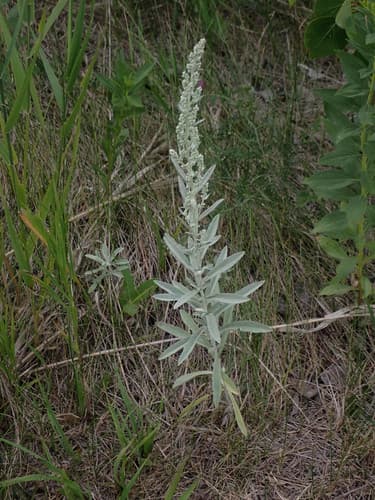
Artemisia ludoviciana, often called Louisiana sagewort or white sagebrush, is a silvery-leaved forb that blooms from July through September. It grows well in full sun with low water on prairies, dry meadows, and rocky slopes.
Toxicity unknown
Louisiana Sagewort (Artemisia ludoviciana) is not listed by the ASPCA Animal Poison Control Center (opens in new tab) or the other sources we check, so we have no verdict for it either way. Absence from those lists is not a clearance. If your pet shows symptoms after eating any plant, call the ASPCA at (888) 426-4435.
The USDA PLANTS Database (opens in new tab) does not flag Louisiana Sagewort as toxic to livestock.
Light
full sun
Water
low
Size
18"–36" H × 6"–12" W
Bloom
Jul, Aug, Sep
Native to
AL, AR, AZ, CA and 35 more states
Pollinators
bees, butterflies, beetles
Before you buy
Your city may pay you to plant this
Cities and water utilities offer rebates for replacing lawn with native and water-wise plants. We track 459 programs across 44 states, each with a link to the provider and the date we last checked it.
Find rebates in your areaPicture natives in your own yard
Upload a photo of your yard and Patch Vision shows a rendering of it planted with natives for your region, like Louisiana Sagewort.


Browse plants for this ecoregion
Louisiana sagewort is a silvery-gray perennial herb with aromatic foliage that forms spreading clumps. It produces small, inconspicuous flower clusters in late summer and thrives in dry conditions with minimal care. The plant goes dormant in winter, losing its leaves completely.
Growing Louisiana Sagewort
Grow Louisiana Sagewort in full sun and low water. Mature plants reach 18 to 36 inches tall and spread 6 to 12 inches wide. Expect moderate maintenance to keep it looking intentional in a front yard.
How to care for Louisiana Sagewort, by region
How to care for Louisiana Sagewort where it is actually grown: year-round basics plus what to do each season, region by region, with the sources for each.
Care guidance last updated: July 2026
Cross Timbers (includes Fort Worth, TX)
Year-round
Louisiana Sagewort is a low, silvery gray perennial native to North Texas, grown for its soft aromatic foliage rather than its flowers. It spreads by underground rhizomes to form a colony, so plan for it to expand outward over time.
- Give it full sun, at least 6 hours a day; it gets floppy and less silvery with more shade.
- Water it in through the first month after planting, then let rainfall carry it. Once established it tolerates dry soil.
- Expect it to spread by rhizomes into a patch several feet wide over a couple of seasons; give it room or install a buried edging barrier if you want to contain it.
- Cut it back hard in late winter to keep new growth compact and silvery instead of leggy.
- In heavy black clay, set the crown a little high or work in coarse material for drainage; in the sandier soils west of the metro it drains fast and may need a deep soak during the hottest stretches.
Because it spreads to form a colony rather than staying in a tidy clump, treat it as a filler groundcover with a defined edge rather than a foundation specimen, and keep that edge trimmed so it reads as maintained.
Fall
Fall is a good time to divide crowded clumps of Louisiana Sagewort and to pull back its spread before winter dormancy.
- Divide and transplant crowded clumps in October or November once temperatures cool.
- Cut the whole clump back to about 6 inches after the first hard freeze, typically mid to late November, to tidy it for winter.
- Dig out rhizome runners that have spread past the bed edge while the soil is still workable.
- Skip fertilizer going into fall; it doesn't need it, and lush new growth going into winter is more freeze-tender.
A fall cutback and runner cleanup keeps the bed edge sharp headed into winter, when bare stems otherwise read as neglected.
Winter
Louisiana Sagewort is dormant and mostly out of sight in a North Texas winter after a hard freeze, though mild spells can leave some silver foliage standing.
- Leave the cut-back clump alone through winter; no watering needed unless the ground stays bone dry for over a month.
- It tolerates North Texas's short hard freezes without protection. Only an extended Arctic outbreak with prolonged hard cold may kill stems to the ground, and it resprouts from the roots in spring.
- Check in January or February for rhizome shoots emerging early during a mild stretch and edge them back.
- Skip mulch piled against the crown; it prefers to stay on the dry side over winter.
A cut-back clump can look bare through winter; a neat bed edge and light mulch over the soil (not the crown) keeps it reading as a maintained bed rather than an empty patch.
Spring
Spring is the best time to plant or divide Louisiana Sagewort, since new rhizome shoots emerge as the soil warms and roots need the season to establish before summer heat.
- Plant divisions from mid March through April, after the last frost, so roots establish before the hottest weather.
- Water new plantings twice a week for the first four to six weeks.
- Pull or trim any rhizome shoots crossing into walkways or neighboring beds as new growth appears.
- Cut back any winter-damaged stems to about 4 to 6 inches to push fresh silvery growth.
Fresh spring growth reads as an intentional groundcover if the bed edge stays crisp; trim runners crossing the border so it doesn't look like it escaped the bed.
Summer
Once established, Louisiana Sagewort handles the hottest part of the North Texas summer with little water, though first-year plants still need help through July and August.
- Established clumps need no supplemental water beyond rain in most summers; first-year plants should get a deep soak every 10 to 14 days during 100F stretches.
- Expect small yellow-green flower spikes from July through September; they are inconspicuous compared to the silver foliage.
- Water at the base rather than overhead. Wet foliage in the summer humidity can invite fungal spotting on the fuzzy leaves.
- Trim back any stems that flop in the heat to keep the clump from sprawling over a walkway.
The bloom is subtle, so summer curb appeal comes from the silver foliage staying compact; a mid-summer trim keeps it from sprawling untidily over a walkway or sidewalk.
Sources: Lady Bird Johnson Wildflower Center: Artemisia ludoviciana
Texas Blackland Prairies (includes Dallas, TX)
Year-round
Louisiana Sagewort is a low, silvery gray perennial native to North Texas, grown for its soft aromatic foliage rather than its flowers. It spreads by underground rhizomes to form a colony, so plan for it to expand outward over time.
- Give it full sun, at least 6 hours a day; it gets floppy and less silvery with more shade.
- Water it in through the first month after planting, then let rainfall carry it. Once established it tolerates dry soil.
- Expect it to spread by rhizomes into a patch several feet wide over a couple of seasons; give it room or install a buried edging barrier if you want to contain it.
- Cut it back hard in late winter to keep new growth compact and silvery instead of leggy.
- In heavy black clay, set the crown a little high or work in coarse material for drainage; in the sandier soils west of the metro it drains fast and may need a deep soak during the hottest stretches.
Because it spreads to form a colony rather than staying in a tidy clump, treat it as a filler groundcover with a defined edge rather than a foundation specimen, and keep that edge trimmed so it reads as maintained.
Fall
Fall is a good time to divide crowded clumps of Louisiana Sagewort and to pull back its spread before winter dormancy.
- Divide and transplant crowded clumps in October or November once temperatures cool.
- Cut the whole clump back to about 6 inches after the first hard freeze, typically mid to late November, to tidy it for winter.
- Dig out rhizome runners that have spread past the bed edge while the soil is still workable.
- Skip fertilizer going into fall; it doesn't need it, and lush new growth going into winter is more freeze-tender.
A fall cutback and runner cleanup keeps the bed edge sharp headed into winter, when bare stems otherwise read as neglected.
Winter
Louisiana Sagewort is dormant and mostly out of sight in a North Texas winter after a hard freeze, though mild spells can leave some silver foliage standing.
- Leave the cut-back clump alone through winter; no watering needed unless the ground stays bone dry for over a month.
- It tolerates North Texas's short hard freezes without protection. Only an extended Arctic outbreak with prolonged hard cold may kill stems to the ground, and it resprouts from the roots in spring.
- Check in January or February for rhizome shoots emerging early during a mild stretch and edge them back.
- Skip mulch piled against the crown; it prefers to stay on the dry side over winter.
A cut-back clump can look bare through winter; a neat bed edge and light mulch over the soil (not the crown) keeps it reading as a maintained bed rather than an empty patch.
Spring
Spring is the best time to plant or divide Louisiana Sagewort, since new rhizome shoots emerge as the soil warms and roots need the season to establish before summer heat.
- Plant divisions from mid March through April, after the last frost, so roots establish before the hottest weather.
- Water new plantings twice a week for the first four to six weeks.
- Pull or trim any rhizome shoots crossing into walkways or neighboring beds as new growth appears.
- Cut back any winter-damaged stems to about 4 to 6 inches to push fresh silvery growth.
Fresh spring growth reads as an intentional groundcover if the bed edge stays crisp; trim runners crossing the border so it doesn't look like it escaped the bed.
Summer
Once established, Louisiana Sagewort handles the hottest part of the North Texas summer with little water, though first-year plants still need help through July and August.
- Established clumps need no supplemental water beyond rain in most summers; first-year plants should get a deep soak every 10 to 14 days during 100F stretches.
- Expect small yellow-green flower spikes from July through September; they are inconspicuous compared to the silver foliage.
- Water at the base rather than overhead. Wet foliage in the summer humidity can invite fungal spotting on the fuzzy leaves.
- Trim back any stems that flop in the heat to keep the clump from sprawling over a walkway.
The bloom is subtle, so summer curb appeal comes from the silver foliage staying compact; a mid-summer trim keeps it from sprawling untidily over a walkway or sidewalk.
Sources: Lady Bird Johnson Wildflower Center: Artemisia ludoviciana
In an HOA neighborhood
Louisiana Sagewort takes more care to keep looking intentional in a front yard. Maintenance level: moderate. Consider it for backyard or mid-zone beds rather than the street edge.
Works well in: backyard only.
- Spreads aggressively and can look weedy
- Dies back completely in winter leaving bare patches
- Informal growth habit lacks structured appearance
Wildlife value
The summer flowers attract bees, butterflies, and beetles, providing nectar during the hottest months when many other plants struggle. The dense foliage also offers shelter for beneficial insects.
Common questions
- When does Louisiana sagewort bloom?
- It typically flowers from July through September, producing small, inconspicuous yellowish-white blooms held above soft, silvery-gray foliage.
- What pollinators does this plant attract?
- Bees, butterflies, and beetles are commonly seen visiting the flower clusters of Louisiana sagewort during its summer bloom period.
- What growing conditions suit Louisiana sagewort best?
- This plant does best in full sun with low water needs and well-drained soil, which suits the dry prairies, meadows, and rocky or sandy sites where it is often found.
- How is Louisiana sagewort typically used in a garden?
- Its silvery foliage and drought tolerance make it a popular choice for xeriscapes, prairie-style plantings, and mixed borders where low maintenance and low water use are priorities.
- Is Louisiana Sagewort toxic to livestock?
- The USDA PLANTS Database does not flag Louisiana Sagewort as toxic to livestock.
- Is Louisiana Sagewort HOA-friendly?
- Louisiana Sagewort takes more care to look intentional in a front yard. Consider it for backyard or mid-zone beds rather than the street edge.
These answers were drafted with an AI model from this plant's data. Verify care details with a local expert.
Native range data from the World Checklist of Vascular Plants (Kew). Pollinator and host plant associations compiled from GBIF, iNaturalist, and published ecological literature.
If something looks wrong
Common plant problems, and what to check first
These come up on almost any plant. Each guide lists the likely causes in the order they are worth ruling out, with one thing to check before you act on any of them, and links to the source it came from.
- It is dying right after planting
- Leaves turning yellow
- Wilting even though I watered it
- Brown crispy leaf tips
- Bugs on the plant
Ready to grow Louisiana Sagewort? Add it to your garden in Pollinator Patch to track it and get season-by-season care guidance.