Yaupon Holly
Ilex vomitoria
Last reviewed: September 2026
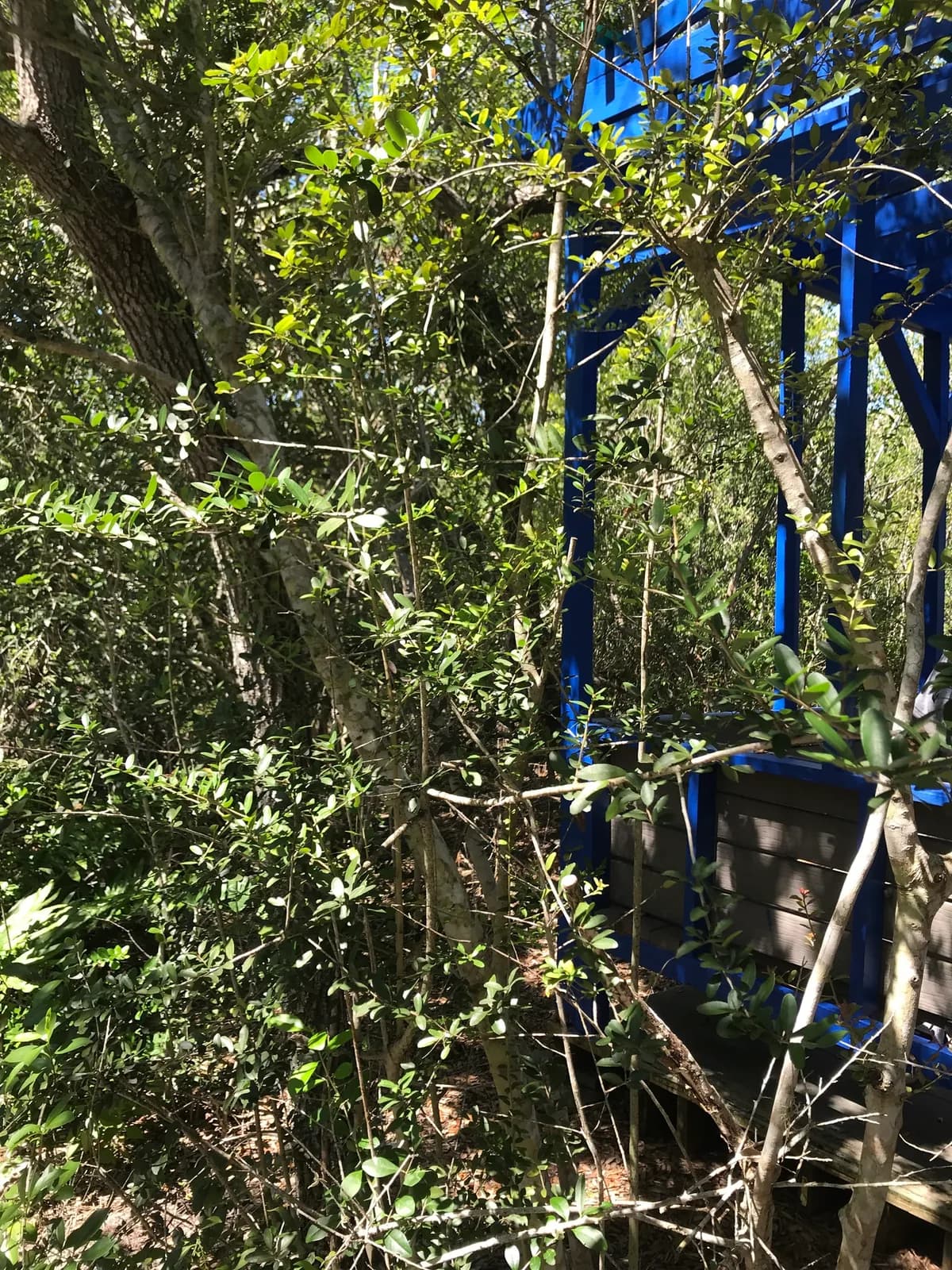
Ilex vomitoria is an evergreen shrub found in coastal plains and woodlands of the southeastern United States, blooming with small white flowers from March through May and holding bright red berries into winter.
Toxicity unknown
Yaupon Holly (Ilex vomitoria) is not listed by the ASPCA Animal Poison Control Center (opens in new tab) or the other sources we check, so we have no verdict for it either way. Absence from those lists is not a clearance. If your pet shows symptoms after eating any plant, call the ASPCA at (888) 426-4435.
The USDA PLANTS Database (opens in new tab) does not flag Yaupon Holly as toxic to livestock.
Light
full sun
Water
low
Size
144"–300" H × 96"–144" W
Bloom
Mar, Apr, May
Native to
AL, AR, FL, GA and 7 more states
Pollinators
butterflies, nectar insects
Before you buy
Your city may pay you to plant this
Cities and water utilities offer rebates for replacing lawn with native and water-wise plants. We track 452 programs across 44 states, each with a link to the provider and the date we last checked it.
Find rebates in your areaBrowse plants for this ecoregion
Yaupon Holly is a versatile evergreen shrub that can be maintained as a compact foundation plant or allowed to grow into a large screening hedge. It produces small white flowers in spring followed by bright red berries on female plants, and tolerates drought well once established.
Growing Yaupon Holly
Grow Yaupon Holly in full sun and low water. Mature plants reach 144 to 300 inches tall and spread 96 to 144 inches wide. Expect low maintenance to keep it looking intentional in a front yard.
How to care for Yaupon Holly, by region
How to care for Yaupon Holly where it is actually grown: year-round basics plus what to do each season, region by region, with the sources for each.
Care guidance last updated: September 2026
Cross Timbers (includes Fort Worth, TX)
Year-round
Yaupon holly is a tough, low-water evergreen shrub that is native to North Texas and tolerates heavy pruning, so it works well as a hedge or shaped accent near the front of the house.
- Plant in full sun for the densest growth and best berry set on female plants, though it also tolerates partial shade.
- In heavy black clay, plant high on a slight mound or amend the hole for drainage; in the sandier soils west of the metro it will need water more often through the first summer while roots establish.
- Give it room to reach 12 to 25 feet tall and wide if left unpruned, or plan on annual shearing if you want to keep it as a hedge.
- Only female plants produce the red berries; if berries matter to you, check with the nursery that you bought a female clone.
- It is a larval host plant for the Henry's Elfin butterfly, so leaving a few branches unsheared gives caterpillars a place to feed.
Fall
Fall is a strong second planting window for this shrub, and it is when the red berries on female plants start to color up and hold through winter.
- Fall (after the heat breaks, before mid November's first frost) is actually a better planting window than spring for a woody shrub like this, since roots grow through the mild winter ahead.
- Skip fertilizer in fall so new growth has time to harden off before the first freeze.
- This is a good time for a shaping prune if you skipped it in spring, since the shrub is heading into slower winter growth.
- Berries begin turning red on female plants in fall and will persist into winter, feeding birds through the colder months.
Red berries against evergreen leaves read as a deliberate seasonal accent, which can help a front yard hedge or corner planting look intentional going into winter.
Winter
Yaupon holly stays evergreen and needs little care through a North Texas winter, but keep an eye on the red berries if small children or pets spend time in the yard.
- No routine watering needed in a normal winter; water only during an extended dry, mild spell.
- This shrub handles North Texas winters well, including short hard freezes, though a severe Arctic outbreak can burn leaf tips on younger plants; that is cosmetic and it recovers in spring.
- Hold off on pruning until late winter or early spring so you are not cutting into the coldest weather.
- The berries carry saponins and, per the ASPCA, are documented as toxic to dogs, cats, and horses in enough quantity, causing vomiting, diarrhea, and lethargy; the ASPCA also notes the leaves and berries are low in toxicity, but it is worth keeping an eye on small children and pets around a heavily fruited shrub.
Spring
Spring is the best time to plant a new yaupon holly and to do any major shaping before the small white flowers open in April and May.
- Plant after the last frost (mid March in North Texas) so roots have the full growing season to establish before next summer's heat.
- Do any heavy shearing or shape correction in early spring, before flowers open, since this species tolerates heavy pruning well.
- Water a newly planted shrub two to three times a week for the first several weeks, tapering as roots spread.
- Small white flowers appear in April and May and draw in native bees; avoid spraying during bloom if bees are working the shrub.
Fresh, even shearing in spring reads as an intentional hedge or foundation planting rather than an unkempt shrub, which helps it pass as a deliberate landscape feature.
Summer
Yaupon holly is drought tolerant once established, but a shrub planted within the last year still needs regular water through the hottest part of North Texas summer.
- Deep water once a week during a normal summer, and add a second watering during multi week stretches without rain in July and August.
- Keep a 2 to 3 inch layer of mulch out to the drip line to hold soil moisture and moderate the heat around the roots.
- Hold off on major pruning during peak heat; light touch ups to keep a hedge line are fine, but heavy cuts stress the plant when it is already under drought stress.
- Established shrubs (in the ground two or more years) can generally coast through a normal North Texas summer on rainfall alone.
Sources: NC State Extension Plant Toolbox: Ilex vomitoria, Lady Bird Johnson Wildflower Center: Ilex vomitoria, ASPCA: Holly (Ilex species) toxic and non-toxic plants
Edwards Plateau (includes San Antonio, TX)
Year-round
Yaupon holly is an evergreen native shrub and one of the toughest, lowest-maintenance plants for the San Antonio area, tolerating heat, drought, and a wide range of soils once established.
- Yaupon holly (Ilex vomitoria) is native to Texas, including the Edwards Plateau region that reaches into the San Antonio area, and specimens have been documented growing wild in Bexar County itself.
- It grows in full sun to deep shade, though more sun means a fuller, denser shape and more of the bright red berries that appear only on female plants.
- It tolerates a wide range of soils from dry to occasionally wet, and once established it needs very little supplemental water.
- Yaupon holly is not listed by name on the ASPCA toxic plant list, though the ASPCA and Pet Poison Helpline both note that holly species in general and holly berries can cause mild vomiting, drooling, or stomach upset if a pet eats them, so it is still worth keeping curious pets away from fallen berries.
- It takes heavy pruning well, which is why it is a common choice for clipped hedges, screens, and foundation plantings.
Its dense evergreen growth and tolerance for heavy shearing make it easy to keep as a neat, HOA-friendly clipped hedge or foundation planting year-round.
Fall
Fall is when female yaupon holly plants set their signature bright red berries, which persist into winter and are a key food source for birds.
- Berries ripen in fall on female plants only, since yaupon holly is dioecious, meaning male and female flowers grow on separate plants.
- Fall rainfall in San Antonio typically picks up somewhat from summer, so supplemental watering can usually be reduced.
- Fallen berries can stain a walkway or patio, which is worth factoring in if the shrub sits close to hardscape in a front-yard planting.
Winter
Winters in San Antonio are mild by national standards, USDA zone 8b to 9a, and an established yaupon holly handles the occasional freeze without special protection.
- Yaupon holly is cold hardy well into USDA zone 7, so San Antonio's typical winter lows are not a concern for an established plant.
- Hold off on major pruning until late winter, after the worst freeze risk has passed, rather than cutting back right before a hard freeze.
- Berries usually persist on female plants through winter, providing food for birds when little else in the yard is fruiting.
Spring
Spring in San Antonio, roughly March through May, is when yaupon holly puts out new growth and is the right window for shaping cuts once frost risk has passed.
- Prune to shape, size, or maintain a hedge line in late winter to early spring, before major new growth starts.
- Water new spring growth if the season turns dry, but an established plant generally does not need supplemental watering beyond normal spring rainfall.
- San Antonio's average last spring frost falls in late February, so trim out any winter dieback once that frost risk has passed.
Summer
San Antonio summers are long, hot, and often dry, but an established yaupon holly is one of the more drought-tolerant shrubs for that stretch.
- Once established, generally after the first full year in the ground, yaupon holly typically only needs deep watering every 2 to 3 weeks during dry summer stretches.
- It tolerates full South Texas sun well and rarely shows heat stress once established, though a newly planted shrub still needs more frequent watering through its first summer.
- Favor occasional deep watering over daily shallow watering, since shallow watering encourages shallow roots that struggle more in San Antonio's summer heat.
Sources: Native Plant Society of Texas, Ilex vomitoria, ASPCA Toxic and Non-Toxic Plants: Holly, Pet Poison Helpline, Holly Plants are Toxic to Dogs, USDA PLANTS Fact Sheet: Yaupon (Ilex vomitoria), Lady Bird Johnson Wildflower Center, Ilex vomitoria, NC State Extension Gardener Plant Toolbox, Ilex vomitoria
Mississippi Valley Loess Plains (includes Memphis, TN)
Year-round
Yaupon holly is not originally from the Memphis area, but it is a tough evergreen shrub that grows reliably in our USDA zone 8a climate with very little upkeep.
- Plant in full sun to part shade in well drained soil, and work compost into Memphis's heavy clay at planting time.
- Water weekly through the first growing season, then only during a long dry stretch once it is established.
- It is hardy through USDA zone 7a to 9b, so a typical Memphis winter in zone 8a is comfortably within its range.
- Skip routine fertilizer in average garden soil, it does not need regular feeding to look good.
- The berries are toxic if eaten, so keep pets and small kids from snacking on a fruiting plant.
Fall
Fall is a solid planting window in Memphis, and this is when female yaupon holly plants begin to show their red berries.
- Plant in early to mid fall so roots can settle in before winter, avoiding the stress of summer heat.
- Only female plants produce red berries, and they need a male plant nearby to fruit well.
- Reduce watering as the weather cools, fall rain is usually enough on its own.
- Berries are toxic if eaten, so watch pets and kids around a heavily fruiting plant this time of year.
Winter
Memphis winters sit within yaupon holly's normal range, so cold is rarely the problem. An ice storm is the bigger concern.
- USDA zone 8a winters in Memphis are comfortably within yaupon holly's zone 7a to 9b hardiness range.
- Hold off on pruning right before or during an ice storm, wait until the ice has melted and branches have thawed.
- Leaving some berries on the plant through winter gives birds a food source when little else is available.
- If it is kept as a hedge, a light winter trim keeps the look clean through the dormant season.
A crisp winter hedge trim reads as intentional landscaping rather than neglect during the bare season, which can help avoid an HOA letter.
Spring
Spring is a good time to plant yaupon holly in Memphis or freshen up an existing hedge before summer heat and humidity arrive.
- West Tennessee's last frost is commonly cited anywhere from late March to mid April, so wait until that risk has passed before hard pruning.
- Spring planting works well here, cooler air and regular rain help new roots establish.
- Lay down two to three inches of mulch to hold moisture as temperatures rise.
- Trim away any winter dieback or brown leaf tips once new growth appears.
A tidy spring trim on a yaupon hedge reads as deliberate upkeep going into the growing season, which helps if your HOA watches for overgrown shrubs.
Summer
Memphis summers are hot and humid, and established yaupon holly handles that easily with only occasional watering.
- Water only during an extended dry spell, this shrub tolerates Mid South summer heat well once established.
- Avoid heavy fertilizer in peak summer heat, it can stress the plant more than help it.
- Good drainage matters more than extra water, soggy soil for weeks at a time is more of a risk than dry soil.
- A summer thunderstorm can knock loose branches, so check for damage after any severe weather.
Sources: USDA PLANTS Profile: Ilex vomitoria (Yaupon), state distribution, Lady Bird Johnson Wildflower Center: Ilex vomitoria, native distribution, ASPCA: Holly (Ilex spp.) Toxicity, no page specific to Yaupon Holly exists, this genus level page covers Ilex species, NC State Extension Gardener Plant Toolbox: Ilex vomitoria, NWS Memphis: Frost and Freeze Information
Texas Blackland Prairies (includes Dallas, TX)
Year-round
Yaupon holly is a tough, low-water evergreen shrub that is native to North Texas and tolerates heavy pruning, so it works well as a hedge or shaped accent near the front of the house.
- Plant in full sun for the densest growth and best berry set on female plants, though it also tolerates partial shade.
- In heavy black clay, plant high on a slight mound or amend the hole for drainage; in the sandier soils west of the metro it will need water more often through the first summer while roots establish.
- Give it room to reach 12 to 25 feet tall and wide if left unpruned, or plan on annual shearing if you want to keep it as a hedge.
- Only female plants produce the red berries; if berries matter to you, check with the nursery that you bought a female clone.
- It is a larval host plant for the Henry's Elfin butterfly, so leaving a few branches unsheared gives caterpillars a place to feed.
Fall
Fall is a strong second planting window for this shrub, and it is when the red berries on female plants start to color up and hold through winter.
- Fall (after the heat breaks, before mid November's first frost) is actually a better planting window than spring for a woody shrub like this, since roots grow through the mild winter ahead.
- Skip fertilizer in fall so new growth has time to harden off before the first freeze.
- This is a good time for a shaping prune if you skipped it in spring, since the shrub is heading into slower winter growth.
- Berries begin turning red on female plants in fall and will persist into winter, feeding birds through the colder months.
Red berries against evergreen leaves read as a deliberate seasonal accent, which can help a front yard hedge or corner planting look intentional going into winter.
Winter
Yaupon holly stays evergreen and needs little care through a North Texas winter, but keep an eye on the red berries if small children or pets spend time in the yard.
- No routine watering needed in a normal winter; water only during an extended dry, mild spell.
- This shrub handles North Texas winters well, including short hard freezes, though a severe Arctic outbreak can burn leaf tips on younger plants; that is cosmetic and it recovers in spring.
- Hold off on pruning until late winter or early spring so you are not cutting into the coldest weather.
- The berries carry saponins and, per the ASPCA, are documented as toxic to dogs, cats, and horses in enough quantity, causing vomiting, diarrhea, and lethargy; the ASPCA also notes the leaves and berries are low in toxicity, but it is worth keeping an eye on small children and pets around a heavily fruited shrub.
Spring
Spring is the best time to plant a new yaupon holly and to do any major shaping before the small white flowers open in April and May.
- Plant after the last frost (mid March in North Texas) so roots have the full growing season to establish before next summer's heat.
- Do any heavy shearing or shape correction in early spring, before flowers open, since this species tolerates heavy pruning well.
- Water a newly planted shrub two to three times a week for the first several weeks, tapering as roots spread.
- Small white flowers appear in April and May and draw in native bees; avoid spraying during bloom if bees are working the shrub.
Fresh, even shearing in spring reads as an intentional hedge or foundation planting rather than an unkempt shrub, which helps it pass as a deliberate landscape feature.
Summer
Yaupon holly is drought tolerant once established, but a shrub planted within the last year still needs regular water through the hottest part of North Texas summer.
- Deep water once a week during a normal summer, and add a second watering during multi week stretches without rain in July and August.
- Keep a 2 to 3 inch layer of mulch out to the drip line to hold soil moisture and moderate the heat around the roots.
- Hold off on major pruning during peak heat; light touch ups to keep a hedge line are fine, but heavy cuts stress the plant when it is already under drought stress.
- Established shrubs (in the ground two or more years) can generally coast through a normal North Texas summer on rainfall alone.
Sources: NC State Extension Plant Toolbox: Ilex vomitoria, Lady Bird Johnson Wildflower Center: Ilex vomitoria, ASPCA: Holly (Ilex species) toxic and non-toxic plants
Western Gulf Coastal Plain (includes Houston, TX)
Year-round
Yaupon holly is native to the Greater Houston area along the Gulf Coast, and it is one of the easiest evergreen shrubs to keep happy in a local yard once it settles in.
- Give it full sun to light shade and well drained soil. It also tolerates Houston's heavy clay and occasional standing water better than most shrubs.
- Water new plants weekly through the first growing season. Established plants usually only need extra water during a long dry stretch.
- Skip routine fertilizer. Yaupon holly grows well in average Gulf Coast soil without regular feeding.
- Left unpruned it can reach 15 to 20 feet as a small tree, so plan for its mature size or commit to regular trimming for a hedge.
- The berries are toxic if eaten, so keep an eye on pets and small kids around a fruiting female plant.
Fall
Fall is a great planting window in Houston, and this is when female yaupon holly plants start showing their signature red berries.
- Cooler fall weather is one of the best times to plant or transplant, roots get to establish before next summer's heat.
- Only female plants produce the classic red berries, and they need a male plant nearby to fruit heavily.
- Cut back on watering as temperatures drop, fall rainfall is usually enough on its own.
- Berries are toxic if eaten, so if kids or pets spend time in the yard, keep an eye on a heavily fruiting plant.
Winter
Houston winters are mild for yaupon holly, the only real risk is a rare hard freeze, and it usually bounces back fine.
- Yaupon holly is hardy through USDA zone 7a to 9b, so a typical Houston winter is well within its range.
- During a rare hard freeze or ice event, hold off on pruning until the cold has fully passed.
- Leave some berries on the shrub through winter, they are an important food source for birds when little else is available.
- If you keep it as a hedge, a light winter trim keeps the shape crisp through the bare season.
A neatly trimmed winter hedge reads as intentional, tidy landscaping during the bare season, which can help head off an HOA appearance complaint.
Spring
Spring is the best time to shape yaupon holly in Houston, once the last of the winter cold has passed.
- Wait until after Houston's typical last freeze, mid to late February on average, before doing any hard pruning.
- Trim now to shape the plant or refresh a hedge line, yaupon holly handles heavy pruning well.
- Refresh mulch to two to three inches deep to help hold moisture as spring temperatures climb.
- New leaf growth may look pale green at first, that is normal and will darken within a few weeks.
A freshly shaped hedge line right after the last freeze reads as deliberate landscaping heading into spring, which helps if your HOA flags overgrown shrubs.
Summer
Summer in Houston is mostly hands off for yaupon holly. The job is watching for drought stress and heavy rain, not daily care.
- Water only during an extended dry spell, established plants handle Houston's summer heat and humidity on their own.
- It tolerates brief standing water after heavy rain, but do not let soil stay saturated for weeks at a time.
- Hold off on fertilizer during peak heat, feeding a stressed plant in summer can do more harm than good.
- After a tropical storm or hurricane, check for broken or hanging branches and clear away storm debris.
Sources: Lady Bird Johnson Wildflower Center: Ilex vomitoria, NC State Extension Gardener Plant Toolbox: Ilex vomitoria, ASPCA: Holly (Ilex spp.) Toxicity, no page specific to Yaupon Holly exists, this genus level page covers Ilex species, USDA PLANTS Profile: Ilex vomitoria (Yaupon), NWS Houston/Galveston: Houston Climate, Frost and Freeze
Want these tasks as reminders timed to your yard? Pollinator Patch turns this guidance into a season-by-season care plan for the plants you actually grow.
In an HOA neighborhood
Yaupon Holly takes more care to keep looking intentional in a front yard. Maintenance level: low. Consider it for backyard or mid-zone beds rather than the street edge.
Works well in: backyard only.
- Height exceeds typical HOA-friendly range
Wildlife value
Spring flowers attract butterflies and other nectar-seeking insects. The bright red berries provide important food for birds throughout fall and winter.
Common questions
- When does Yaupon Holly bloom?
- Yaupon Holly typically blooms in March, April, and May, producing small clusters of white flowers along its branches.
- What pollinators are attracted to Yaupon Holly?
- The flowers draw butterflies and other nectar-feeding insects, which visit the blooms for nectar in spring.
- How much water does Yaupon Holly need once established?
- Established plants tolerate low water conditions well and generally do not need regular irrigation once settled into the landscape.
- What light conditions does Yaupon Holly prefer?
- It grows well in full sun but adapts to part sun, part shade, or even fuller shade, making it flexible for different garden spots.
- Does Yaupon Holly lose its leaves in winter?
- No, it is evergreen and keeps its foliage year round, which also helps its red berries stand out in colder months.
- Is Yaupon Holly toxic to livestock?
- The USDA PLANTS Database does not flag Yaupon Holly as toxic to livestock.
- Is Yaupon Holly HOA-friendly?
- Yaupon Holly takes more care to look intentional in a front yard. Consider it for backyard or mid-zone beds rather than the street edge.
These answers were drafted with an AI model from this plant's data. Verify care details with a local expert.
Native range data from vouchered herbarium specimen records and regional native plant society lists. Pollinator and host plant associations compiled from GBIF, iNaturalist, and published ecological literature.
If something looks wrong
Common plant problems, and what to check first
These come up on almost any plant. Each guide lists the likely causes in the order they are worth ruling out, with one thing to check before you act on any of them, and links to the source it came from.
- It is dying right after planting
- Leaves turning yellow
- Wilting even though I watered it
- Brown crispy leaf tips
- Bugs on the plant
Ready to grow Yaupon Holly? Add it to your garden in Pollinator Patch to track it and get season-by-season care guidance.
Planning a bed around it? Start a free plan with this plant
Not sure where to start? Take the 2-minute yard quiz