Angel Trumpet
Datura wrightii
Last reviewed: October 2026
Datura wrightii is a sprawling forb with large white trumpet-shaped flowers that open in the evening from June through September. It thrives in full sun with medium water and tolerates dry, sandy or disturbed soils.

Angel Trumpet is toxic to dogs and cats.
Listed as toxic by the NC State Extension Gardener Plant Toolbox (opens in new tab) (last reviewed 2026-08-20). If your pet has been exposed, call the ASPCA Animal Poison Control Center at (888) 426-4435 and your veterinarian's emergency line.
Pollinator Patch flags toxic plants so you can choose a pet-safe native alternative for your yard.
Native swaps for a yard with pets
Angel Trumpet is listed as toxic to dogs by the NC State Extension Gardener Plant Toolbox. These natives fill a similar role in a planting and are not on the ASPCA toxic plant list for dogs or cats. Each plant's page carries its dated record.
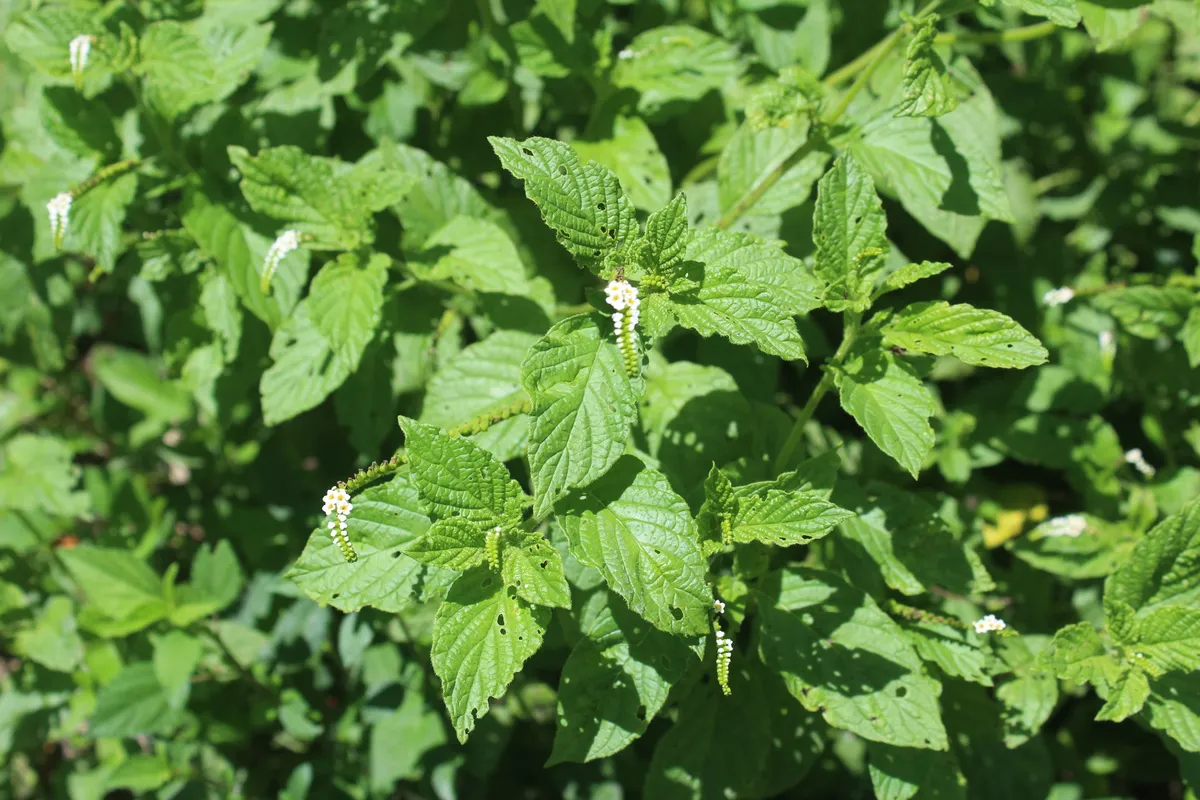
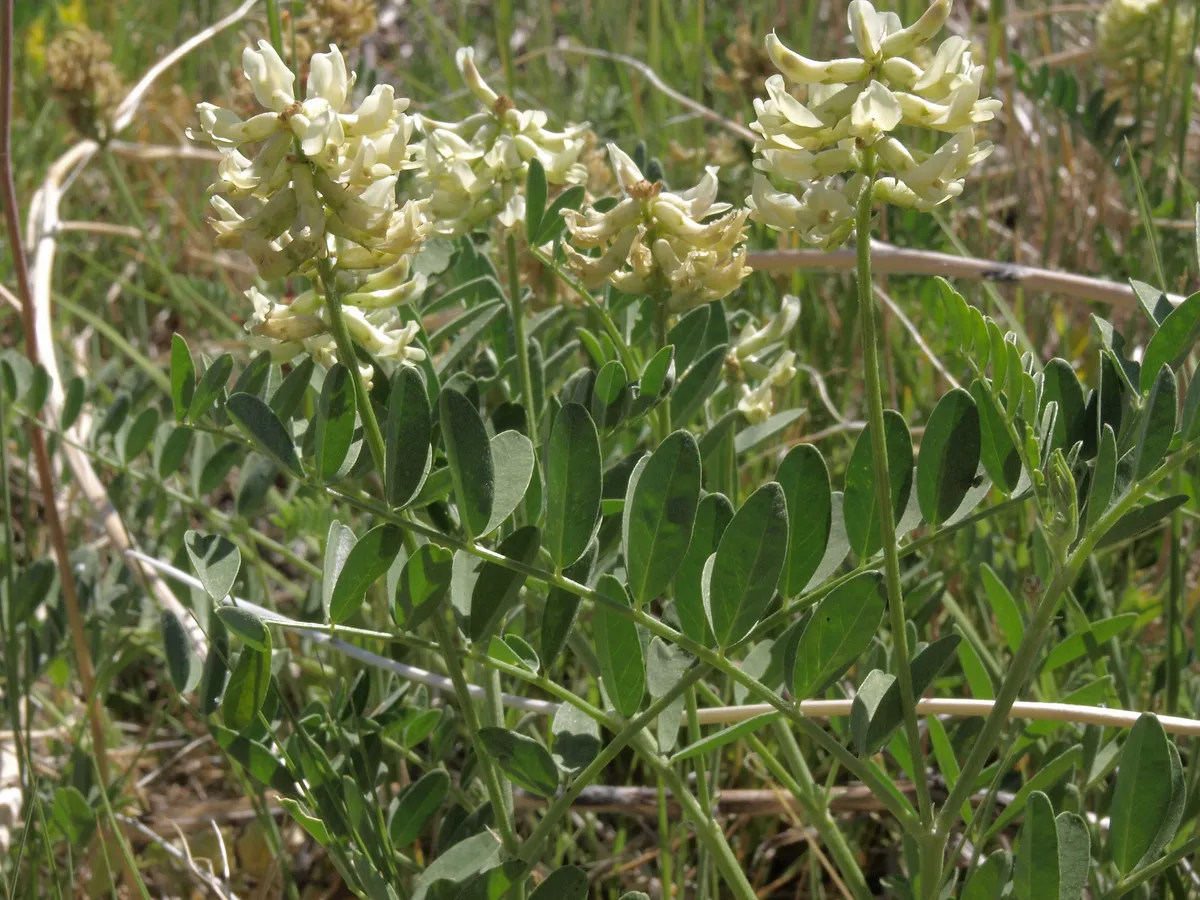
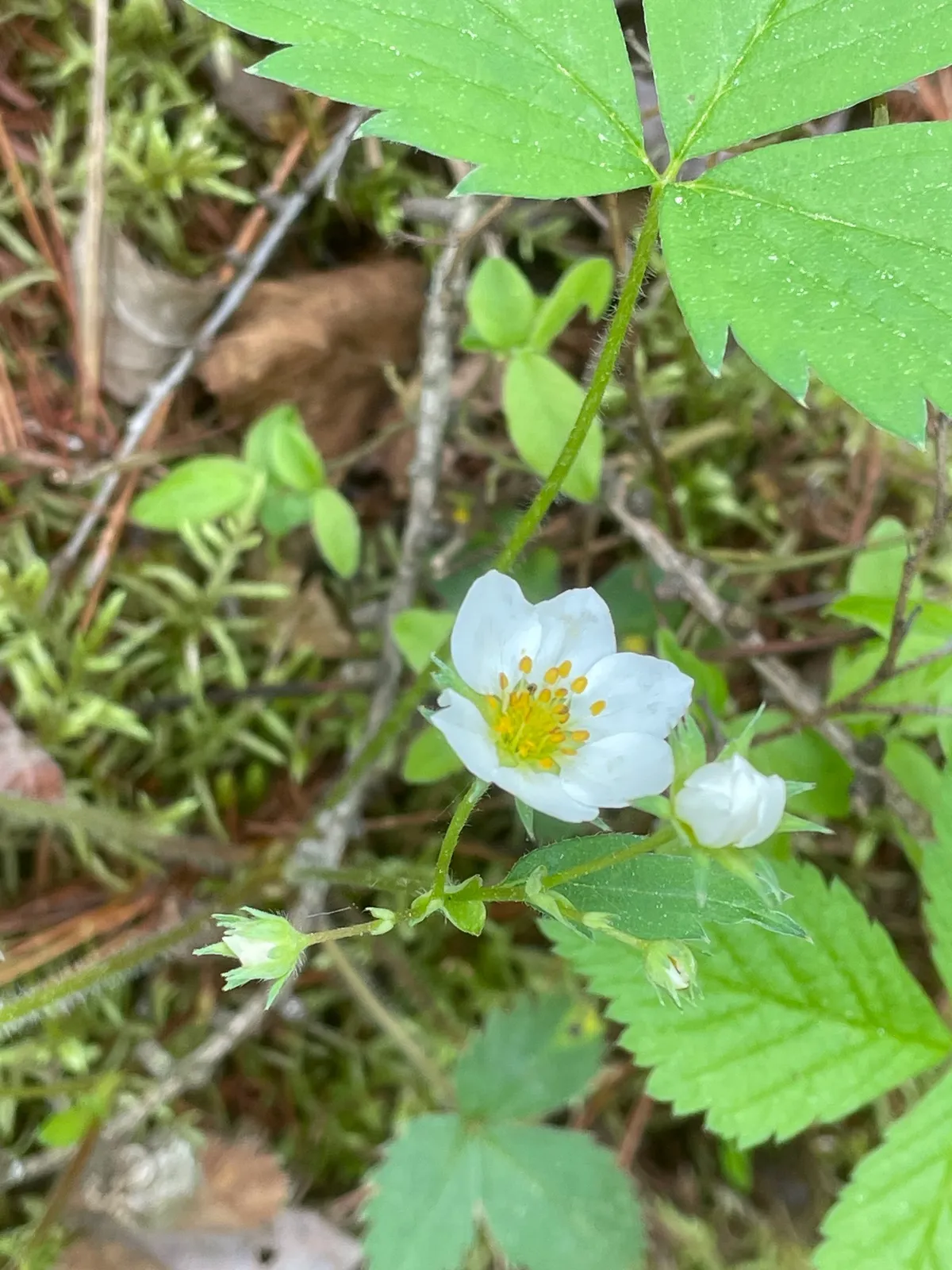
Angel Trumpet is listed as toxic to grazing livestock such as cattle, sheep, and goats at a high level by the NC State Extension Gardener Plant Toolbox; Lady Bird Johnson Wildflower Center (opens in new tab). This is a livestock indicator and is separate from pet toxicity.
Light
full sun
Water
medium
Size
36"–72" H × 36"–36" W
Bloom
Jun, Jul, Aug, Sep
Native to
NM, TX
Pollinators
moths, bees, beetles, nectar insects
Before you buy
Your city may pay you to plant this
Cities and water utilities offer rebates for replacing lawn with native and water-wise plants. We track 459 programs across 44 states, each with a link to the provider and the date we last checked it.
Find rebates in your areaPicture natives in your own yard
Upload a photo of your yard and Patch Vision shows a rendering of it planted with natives for your region, like Angel Trumpet.


Browse plants for this ecoregion
Datura wrightii is a large annual with trumpet-shaped white flowers that bloom from summer into fall. This southwestern native produces dramatic 4-6 inch blooms that open in the evening and attract night-flying pollinators.
Growing Angel Trumpet
Grow Angel Trumpet in full sun and medium water. Mature plants reach 36 to 72 inches tall and spread 36 to 36 inches wide. Expect moderate maintenance to keep it looking intentional in a front yard.
How to care for Angel Trumpet, by region
How to care for Angel Trumpet where it is actually grown: year-round basics plus what to do each season, region by region, with the sources for each.
Care guidance last updated: July 2026
Cross Timbers (includes Fort Worth, TX)
Year-round
This plant contains toxic tropane alkaloids in every part, especially the seed pods, and it is genuinely dangerous to children and pets, not just an ordinary flower. It also spreads wide and can look sprawling, so think about placement before you plant it in a front yard.
- Every part of the plant, especially the seeds and flowers, contains tropane alkaloids (atropine, scopolamine, hyoscyamine); keep it away from areas where small children or pets play and never leave seed pods lying on the ground.
- Grows about 1 to 4 feet tall and 3 to 6 feet wide, so give it at least a 4 foot circle of space.
- Needs full sun and moderate water; once rooted it tolerates North Texas heat and short dry spells.
- Large white trumpet flowers open at dusk and fade by mid morning, blooming June through September.
- Wear gloves when pruning or removing spent flowers and pods, the sap can irritate skin.
Its sprawling, somewhat weedy habit and large spiny seed pods can read as unkempt to an HOA reviewer, so keep it out of the street-facing bed and deadhead regularly if front-yard visibility matters.
Fall
Bloom continues into fall until the first freeze, typically mid November in North Texas, and this is when spiny seed pods are most likely to be present in the bed.
- Expect blooming to continue through October and taper off at the first hard freeze.
- Walk the bed weekly and remove spiny seed pods before they split and drop seed, especially if kids or pets use the yard.
- Fall is not the planting window for this plant; spring is better. Save fall for woody trees and shrubs instead.
- Cut the plant back to the base once the first hard freeze blackens the foliage.
Blackened, frost killed foliage left standing reads as neglected; cut it back within a week or two of the first freeze.
Winter
Top growth dies back to the ground after a hard freeze, but the root usually survives a typical North Texas winter and resprouts in spring.
- Cut the dead stems back to 2 to 4 inches above the ground once frost has blackened them.
- A mild winter with only short freezes rarely kills the root; a severe Arctic outbreak can, so it can behave like an annual in a hard winter.
- Clear away and dispose of any leftover seed pods over winter rather than leaving them on the ground where pets or kids play.
- No fertilizing or watering needed while it is dormant.
A neatly cut back bed reads as intentional over winter; leaving dead, floppy stalks in a front bed does not.
Spring
Spring is when new growth appears from the root or from self sown seed, and it is also the planting window if you are adding one from a nursery pot.
- Plant nursery starts after the last frost (mid March in North Texas) once nights stay reliably above 45F.
- Watch for volunteer seedlings from last year's pods and pull any you do not want, wearing gloves since the whole plant is toxic.
- In heavy black clay, plant high on a slight mound or amend for drainage; in the sandier soils west of the metro it will need water more often through the first summer.
- Water new plantings twice a week until you see fresh growth, then taper off as the plant establishes.
A young plant stays low and unremarkable in spring, so there is little curb appeal concern yet.
Summer
This is bloom season: expect large white trumpet flowers that open in the evening and close by mid morning through the hottest months.
- Flowers open at dusk and fade by mid morning, with the heaviest bloom from June through August.
- Water deeply once or twice a week during 100F stretches; the plant is drought tolerant once established but blooms best with consistent moisture.
- Deadhead spent blooms before the spiny seed pods harden, this cuts down on both self seeding and the amount of toxic seed sitting in the bed.
- Hornworm caterpillars sometimes feed on the leaves; this does not change the fact that the plant itself is toxic to touch and eat.
The large white flowers read well from a distance, but spent blooms and seed pods left in place make the bed look ragged fast; deadhead weekly if it faces the street.
Sources: NC State Extension Gardener Plant Toolbox: Datura wrightii, Lady Bird Johnson Wildflower Center: Datura wrightii, Pet Poison Helpline: Jimson Weed toxicity in pets
Texas Blackland Prairies (includes Dallas, TX)
Year-round
This plant contains toxic tropane alkaloids in every part, especially the seed pods, and it is genuinely dangerous to children and pets, not just an ordinary flower. It also spreads wide and can look sprawling, so think about placement before you plant it in a front yard.
- Every part of the plant, especially the seeds and flowers, contains tropane alkaloids (atropine, scopolamine, hyoscyamine); keep it away from areas where small children or pets play and never leave seed pods lying on the ground.
- Grows about 1 to 4 feet tall and 3 to 6 feet wide, so give it at least a 4 foot circle of space.
- Needs full sun and moderate water; once rooted it tolerates North Texas heat and short dry spells.
- Large white trumpet flowers open at dusk and fade by mid morning, blooming June through September.
- Wear gloves when pruning or removing spent flowers and pods, the sap can irritate skin.
Its sprawling, somewhat weedy habit and large spiny seed pods can read as unkempt to an HOA reviewer, so keep it out of the street-facing bed and deadhead regularly if front-yard visibility matters.
Fall
Bloom continues into fall until the first freeze, typically mid November in North Texas, and this is when spiny seed pods are most likely to be present in the bed.
- Expect blooming to continue through October and taper off at the first hard freeze.
- Walk the bed weekly and remove spiny seed pods before they split and drop seed, especially if kids or pets use the yard.
- Fall is not the planting window for this plant; spring is better. Save fall for woody trees and shrubs instead.
- Cut the plant back to the base once the first hard freeze blackens the foliage.
Blackened, frost killed foliage left standing reads as neglected; cut it back within a week or two of the first freeze.
Winter
Top growth dies back to the ground after a hard freeze, but the root usually survives a typical North Texas winter and resprouts in spring.
- Cut the dead stems back to 2 to 4 inches above the ground once frost has blackened them.
- A mild winter with only short freezes rarely kills the root; a severe Arctic outbreak can, so it can behave like an annual in a hard winter.
- Clear away and dispose of any leftover seed pods over winter rather than leaving them on the ground where pets or kids play.
- No fertilizing or watering needed while it is dormant.
A neatly cut back bed reads as intentional over winter; leaving dead, floppy stalks in a front bed does not.
Spring
Spring is when new growth appears from the root or from self sown seed, and it is also the planting window if you are adding one from a nursery pot.
- Plant nursery starts after the last frost (mid March in North Texas) once nights stay reliably above 45F.
- Watch for volunteer seedlings from last year's pods and pull any you do not want, wearing gloves since the whole plant is toxic.
- In heavy black clay, plant high on a slight mound or amend for drainage; in the sandier soils west of the metro it will need water more often through the first summer.
- Water new plantings twice a week until you see fresh growth, then taper off as the plant establishes.
A young plant stays low and unremarkable in spring, so there is little curb appeal concern yet.
Summer
This is bloom season: expect large white trumpet flowers that open in the evening and close by mid morning through the hottest months.
- Flowers open at dusk and fade by mid morning, with the heaviest bloom from June through August.
- Water deeply once or twice a week during 100F stretches; the plant is drought tolerant once established but blooms best with consistent moisture.
- Deadhead spent blooms before the spiny seed pods harden, this cuts down on both self seeding and the amount of toxic seed sitting in the bed.
- Hornworm caterpillars sometimes feed on the leaves; this does not change the fact that the plant itself is toxic to touch and eat.
The large white flowers read well from a distance, but spent blooms and seed pods left in place make the bed look ragged fast; deadhead weekly if it faces the street.
Sources: NC State Extension Gardener Plant Toolbox: Datura wrightii, Lady Bird Johnson Wildflower Center: Datura wrightii, Pet Poison Helpline: Jimson Weed toxicity in pets
In an HOA neighborhood
Angel Trumpet takes more care to keep looking intentional in a front yard. Maintenance level: moderate. Consider it for backyard or mid-zone beds rather than the street edge.
Works well in: backyard only.
- All parts extremely toxic to humans and pets
- Common name includes 'thorn-apple' suggesting aggressive appearance
Wildlife value
The large white flowers are specifically adapted to attract sphinx moths and other nocturnal pollinators. Bees and beetles also visit the blooms during daytime hours.
Common questions
- When does Datura wrightii bloom?
- Datura wrightii typically blooms from June through September, with large trumpet flowers that open in late afternoon or evening and often close by mid-morning.
- What pollinates Datura wrightii?
- Hawkmoths are the primary pollinators of Datura wrightii, drawn to its evening fragrance and pale flowers, while bees and beetles also visit and contribute to pollination.
- How much water does Datura wrightii need?
- This plant does well with medium watering and also tolerates low-water conditions once established, making it suited to arid and semi-arid landscapes.
- What growing conditions suit Datura wrightii best?
- Datura wrightii grows best in full sun to part sun, in open, well-drained, often sandy or disturbed soils typical of desert flats and roadsides.
- Is Angel Trumpet toxic to dogs?
- Yes. Angel Trumpet is listed as toxic to dogs by the NC State Extension Gardener Plant Toolbox. If your pet has been exposed, call the ASPCA Animal Poison Control Center at (888) 426-4435.
- Is Angel Trumpet toxic to cats?
- Yes. Angel Trumpet is listed as toxic to cats by the NC State Extension Gardener Plant Toolbox. If your cat has been exposed, call the ASPCA Animal Poison Control Center at (888) 426-4435.
- Is Angel Trumpet toxic to livestock?
- Angel Trumpet is listed as toxic to grazing livestock such as cattle, sheep, and goats (high severity) by the NC State Extension Gardener Plant Toolbox; Lady Bird Johnson Wildflower Center. This is separate from pet (dog and cat) toxicity.
- Is Angel Trumpet HOA-friendly?
- Angel Trumpet takes more care to look intentional in a front yard. Consider it for backyard or mid-zone beds rather than the street edge.
These answers were drafted with an AI model from this plant's data. Verify care details with a local expert.
Native range data from vouchered herbarium specimen records and regional native plant society lists. Pollinator and host plant associations compiled from GBIF, iNaturalist, and published ecological literature.
If something looks wrong
Common plant problems, and what to check first
These come up on almost any plant. Each guide lists the likely causes in the order they are worth ruling out, with one thing to check before you act on any of them, and links to the source it came from.
- It is dying right after planting
- Leaves turning yellow
- Wilting even though I watered it
- Brown crispy leaf tips
- Bugs on the plant
Pollinator Patch flags toxic plants like Angel Trumpet and shows pet-safe natives for your ecoregion instead.