Slender Yellow Wood-sorrel
Oxalis dillenii
Last reviewed: August 2026

Slender Yellow Wood-sorrel is toxic to dogs and cats.
Listed as toxic by the ASPCA Animal Poison Control Center (opens in new tab) (last reviewed 2026-05-21). If your pet has been exposed, call the ASPCA Animal Poison Control Center at (888) 426-4435 and your veterinarian's emergency line.
Pollinator Patch flags toxic plants so you can choose a pet-safe native alternative for your yard.
Native swaps for a yard with pets
Slender Yellow Wood-sorrel is listed as toxic to dogs by the ASPCA Animal Poison Control Center. These natives fill a similar role in a planting and are not on the ASPCA toxic plant list for dogs or cats. Each plant's page carries its dated record.
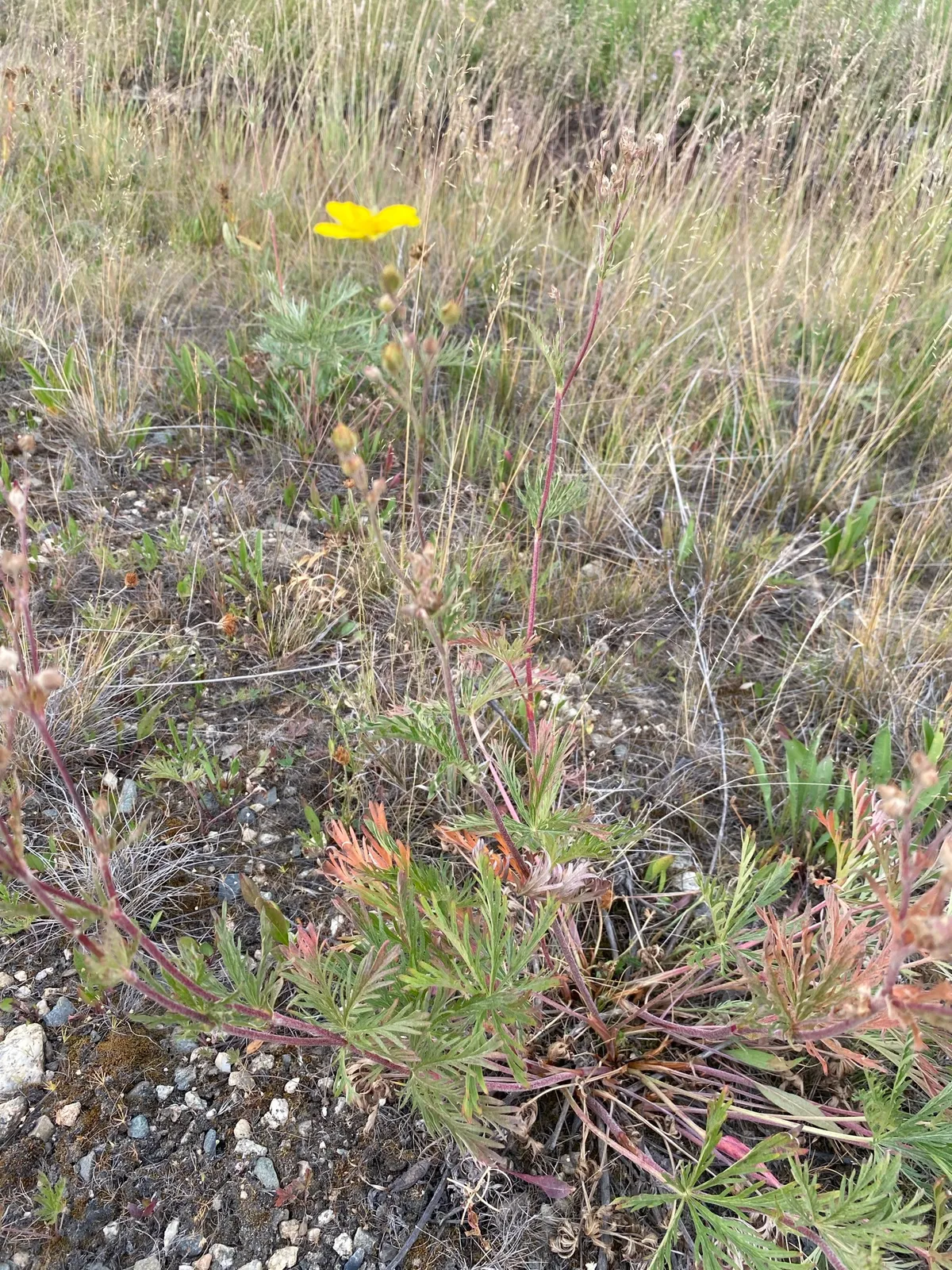
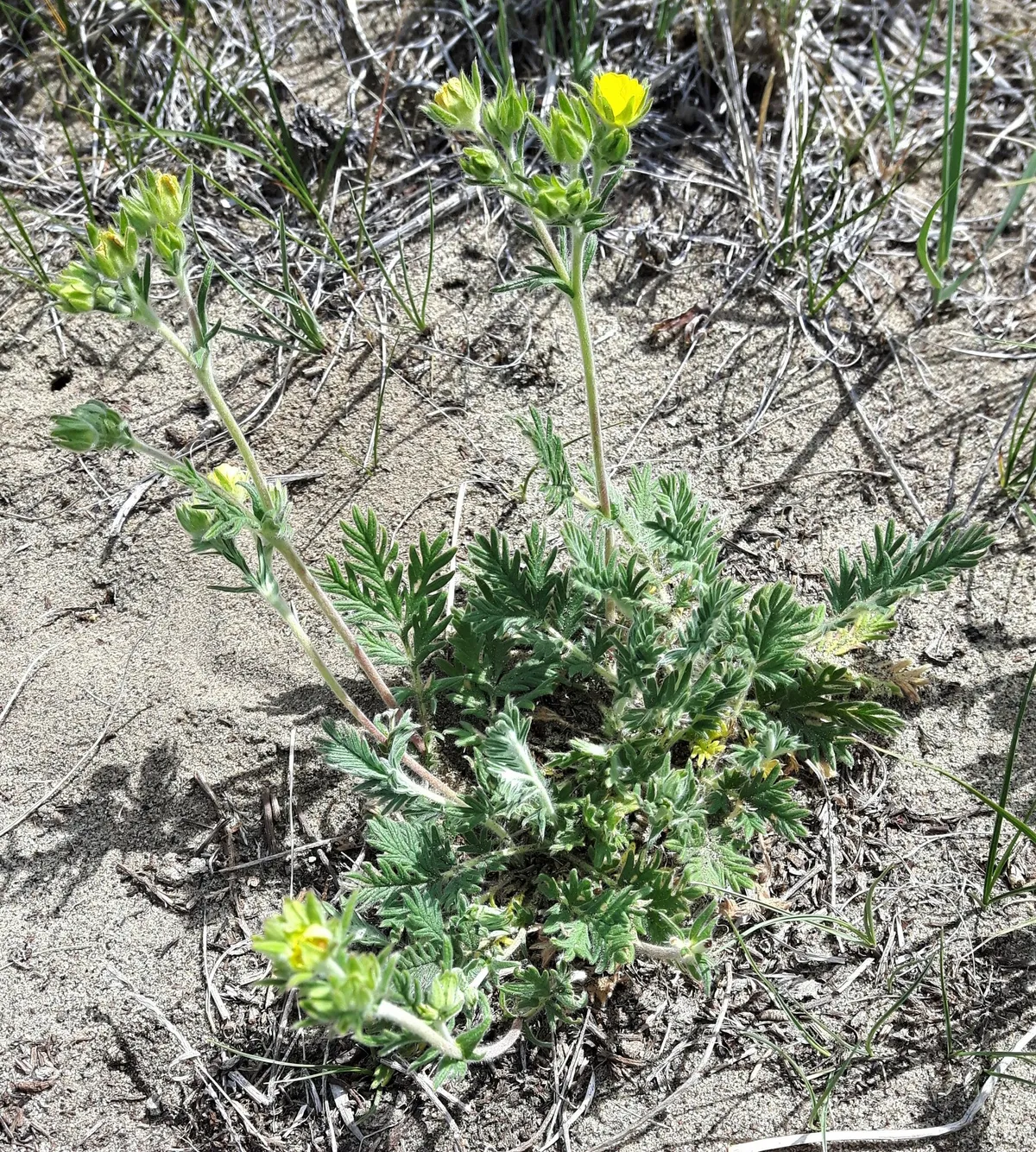
Light
part shade
Water
medium
Size
4"–10" H × 4"–8" W
Bloom
May, Jun, Jul, Aug
Native to
AL, AR, AZ, CO and 38 more states
Pollinators
bees, beetles
Before you buy
Your city may pay you to plant this
Cities and water utilities offer rebates for replacing lawn with native and water-wise plants. We track 459 programs across 44 states, each with a link to the provider and the date we last checked it.
Find rebates in your areaPicture natives in your own yard
Upload a photo of your yard and Patch Vision shows a rendering of it planted with natives for your region, like Slender Yellow Wood-sorrel.


Browse plants for this ecoregion
Slender yellow wood-sorrel is a low-growing native wildflower with delicate three-leaflet foliage and small bright yellow flowers. This compact perennial blooms from late spring through summer, forming small clumps that work well as groundcover in partially shaded areas.
How to care for Slender Yellow Wood-sorrel, by region
How to care for Slender Yellow Wood-sorrel where it is actually grown: year-round basics plus what to do each season, region by region, with the sources for each.
Care guidance last updated: September 2026
Huron/Erie Lake Plains (includes Detroit, MI)
Year-round
Southern yellow woodsorrel is a low, clover-leaved plant that takes care of itself in the Detroit area. The main job is not helping it grow, it is keeping it in bounds, because it reseeds fast. Give it sun to part shade and average soil and it will do the rest.
- Establishment: it settles in on its own from seed or a small plug in spring. No special soil prep needed. It handles poor, dry ground as well as good garden beds.
- Watering once established: water only in a long summer dry spell. Normal Detroit rainfall is plenty, and soggy soil makes it flop.
- Self-seeding management: the seed pods fling seed several feet when they dry. Pinch or shear off the pods before they brown if you want to keep it from spreading into the lawn or neighboring beds.
- Common mistake: treating it like a fussy perennial. Overwatering and rich fertilizer make it leggy and floppy. Lean and dry keeps it tidy.
Fall
As Detroit cools in fall, this plant keeps setting seed until frost. A light cleanup now keeps it from carpeting the yard next spring and keeps the front bed looking cared for.
- Cut spent plants back to a few inches once flowering slows, and rake up dropped seed pods to limit next year's seedlings.
- Do a final pass to remove any plants that wandered into the lawn or a neighbor-facing edge.
- Leave a few plants standing if you want them to reseed on purpose in a spot where you want more.
A tidy fall cutback and cleanup reads as intentional to an HOA and helps you avoid a violation letter over a plant that can look weedy once it browns.
Winter
Detroit winters knock this plant back to the ground or kill the tops off entirely. There is almost nothing to do, and that is normal.
- No watering, no covering, no protection needed. It overwinters as seed or hardy roots and returns on its own.
- If you did not cut it back in fall, clear the dead brown stems now so the bed looks neat through the bare months.
- Expect bare ground where it grew. New sprouts show up on their own once spring warms the soil.
Clearing the dead winter stems keeps the front bed looking intentional and cared for, which is the simplest way to stay HOA-friendly during the bare season.
Spring
Spring is when new plants sprout and old ones green up around Detroit. This is the window to plant a plug or thin out a patch that got too thick over winter.
- Plant or transplant small plugs after the last hard frost, usually mid to late May in the Detroit area.
- Pull or dig out any seedlings creeping past where you want them while the soil is soft and roots are shallow.
- Hold off on fertilizer. This plant grows better lean, and feeding it just makes floppy growth.
Summer
Through a Detroit summer this plant blooms small yellow flowers and sets a lot of seed. Watering is rarely needed, but this is the key season to stay ahead of self-seeding.
- Water only during a stretch of two or more dry weeks. Otherwise let summer rain handle it.
- Shear or pinch off the ripening seed pods every week or two if you want to stop it from spreading into the lawn and beds nearby.
- If a patch gets leggy in the July heat, cut it back by half and it will regrow fresh and lower.
Sources: Lady Bird Johnson Wildflower Center Oxalis dillenii, University of Minnesota Extension yellow wood sorrel
Piedmont (includes Atlanta, GA)
Year-round
A low-maintenance native ground cover for Atlanta yards that mostly takes care of itself, just keep pets away from it.
- Give it average to poor, well-drained soil in sun or light shade, it does not need rich soil or fertilizer to thrive.
- The deep taproot makes it drought-tolerant once established, so extra watering is rarely needed outside a long dry stretch.
- The three heart-shaped leaflets fold up at night and in hot, cloudy weather, that's normal and not a sign of stress.
- It self-seeds from small pods that pop open and shoot seed several feet, so expect volunteer plants to show up nearby over time.
- This wood sorrel is native to the Atlanta area, which makes it a solid fit for a native plant bed.
- It's toxic to dogs and cats if eaten in any quantity, so keep an eye on pets that like to chew on greenery.
Fall
Fall is still bloom season here, so there's not much cleanup to do yet.
- It keeps blooming into October and November around Atlanta before frost finally slows it down.
- No fall cutback is needed, let it keep flowering for whatever late-season pollinators are still active.
- If it's spread further than you want, fall is a good time to hand-pull the extra patches while the soil is still workable.
- Remove the whole plant, roots and all, when pulling it, since it comes back readily from any leftover root pieces.
A light tidy of the bed edges in fall keeps the patch looking intentional heading into winter, especially in a front-facing bed.
Winter
Winters in Atlanta are mild enough that this plant mostly just pauses instead of fully disappearing.
- After the first freeze, usually by mid-November, top growth typically dies back, that's normal and needs no treatment.
- In a milder winter stretch it's common to still see a little green growth low to the ground.
- No pruning or cleanup is needed, dead foliage breaks down on its own and protects the root over winter.
- Most new seedlings for next year germinate in late winter, so this is when you'll start noticing fresh growth if you want to get ahead of it.
A fresh mulch topping over dormant patches keeps front-facing beds looking neat until spring growth returns.
Spring
Spring is when this wood sorrel wakes up and starts flowering hardest around Atlanta.
- New growth appears as the soil warms in March, and flowering ramps up through April and May.
- No fertilizer needed, average garden soil is plenty for it.
- Water lightly during dry spring stretches if it was just planted, established plants can handle it on their own.
- This is peak seed-making season, so thin the patch now if you don't want it spreading everywhere.
Thinning volunteer seedlings along the front walk or bed edge in spring keeps it looking like an intentional planting instead of a stray weed.
Summer
Atlanta's heat and humidity barely slow this plant down, it just needs less from you.
- It keeps flowering right through the summer heat, one of the few natives still blooming in the thick of August.
- Leaves fold down during the hottest part of the day, that's a normal heat response, not wilting.
- The deep taproot makes it drought-tolerant once established, so skip extra watering unless there's a true dry spell.
- This is also peak self-seeding season, pull unwanted volunteers before the pods form if you want to keep the patch contained.
Sources: Lady Bird Johnson Wildflower Center - Oxalis dillenii Plant Profile, ASPCA - Toxic and Non-Toxic Plants: Good Luck Plant (Oxalis spp.), Clemson Cooperative Extension HGIC - Oxalis Control
In an HOA neighborhood
Slender Yellow Wood-sorrel takes more care to keep looking intentional in a front yard. Maintenance level: low. Consider it for backyard or mid-zone beds rather than the street edge.
Works well in: backyard only.
- Often considered a weed by conventional standards
- Very small stature may appear unkempt in formal landscapes
- Can spread and appear weedy to untrained eyes
Wildlife value
The small yellow flowers attract native bees and beetles during its long blooming season from May through August.
Common questions
- How much sun does Slender Yellow Wood-sorrel need?
- Slender Yellow Wood-sorrel grows best in part shade conditions.
- When does Slender Yellow Wood-sorrel bloom?
- Slender Yellow Wood-sorrel blooms in May, June, July, and August.
- Where is Slender Yellow Wood-sorrel native?
- Slender Yellow Wood-sorrel (Oxalis dillenii) is native to AL, AR, AZ, CO and 38 more states, per the World Checklist of Vascular Plants (Kew).
- Is Slender Yellow Wood-sorrel toxic to dogs?
- Yes. Slender Yellow Wood-sorrel is listed as toxic to dogs by the ASPCA Animal Poison Control Center (aspca.org). If your pet has been exposed, call the ASPCA Animal Poison Control Center at (888) 426-4435.
- Is Slender Yellow Wood-sorrel toxic to cats?
- Yes. Slender Yellow Wood-sorrel is listed as toxic to cats by the ASPCA Animal Poison Control Center (aspca.org). If your cat has been exposed, call the ASPCA Animal Poison Control Center at (888) 426-4435.
- What pollinators does Slender Yellow Wood-sorrel attract?
- Slender Yellow Wood-sorrel draws bees and beetles.
- Is Slender Yellow Wood-sorrel HOA-friendly?
- Slender Yellow Wood-sorrel takes more care to look intentional in a front yard. Consider it for backyard or mid-zone beds rather than the street edge.
Native range data from the World Checklist of Vascular Plants (Kew). Pollinator and host plant associations compiled from GBIF, iNaturalist, and published ecological literature.
If something looks wrong
Common plant problems, and what to check first
These come up on almost any plant. Each guide lists the likely causes in the order they are worth ruling out, with one thing to check before you act on any of them, and links to the source it came from.
- It is dying right after planting
- Leaves turning yellow
- Wilting even though I watered it
- Brown crispy leaf tips
- Bugs on the plant
Pollinator Patch flags toxic plants like Slender Yellow Wood-sorrel and shows pet-safe natives for your ecoregion instead.