Balespike Lobelia
Lobelia spicata
Last reviewed: September 2026
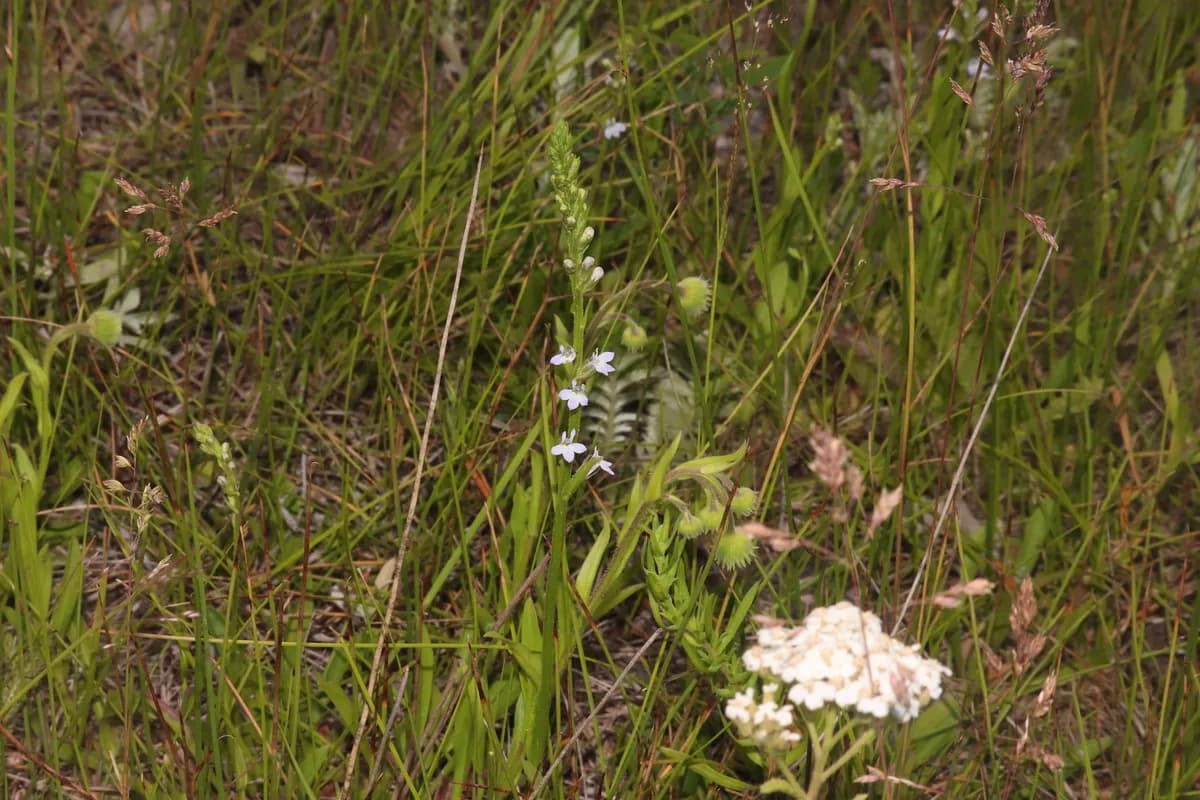
Lobelia spicata is a slender forb that blooms July through September with small pale blue flower spikes. It grows in part sun with medium moisture and suits prairies, meadows and open woodland edges.
Toxicity unknown
Balespike Lobelia (Lobelia spicata) is not listed by the ASPCA Animal Poison Control Center (opens in new tab) or the other sources we check, so we have no verdict for it either way. Absence from those lists is not a clearance. If your pet shows symptoms after eating any plant, call the ASPCA at (888) 426-4435.
Light
part sun
Water
medium
Size
12"–36" H × 6"–12" W
Bloom
Jul, Aug, Sep
Native to
AL, AR, CT, DE and 33 more states
Pollinators
bees, butterflies
Deer
Resistant (per Prairie Moon Nursery)
Before you buy
Your city may pay you to plant this
Cities and water utilities offer rebates for replacing lawn with native and water-wise plants. We track 459 programs across 44 states, each with a link to the provider and the date we last checked it.
Find rebates in your areaPicture natives in your own yard
Upload a photo of your yard and Patch Vision shows a rendering of it planted with natives for your region, like Balespike Lobelia.


Browse plants for this ecoregion
Palespike lobelia is a native perennial wildflower that produces tall spikes of small pale blue to white flowers from summer into fall. This slender plant forms neat clumps and works well in mixed borders or naturalized areas where it provides vertical interest without taking up much space.
Growing Balespike Lobelia
Grow Balespike Lobelia in part sun and medium water. Mature plants reach 12 to 36 inches tall and spread 6 to 12 inches wide. Expect low maintenance to keep it looking intentional in a front yard.
How to care for Balespike Lobelia, by region
How to care for Balespike Lobelia where it is actually grown: year-round basics plus what to do each season, region by region, with the sources for each.
Care guidance last updated: September 2026
Interior River Valleys and Hills (includes Peoria, IL)
Year-round
Pale-spike lobelia is a native Illinois prairie perennial that handles both average garden soil and damp low spots once it is established.
- Give it full sun to part shade. It flowers best with several hours of direct sun a day.
- It is flexible on soil moisture, doing fine anywhere from medium-wet to medium-dry soil, and it prefers soil that drains rather than sitting in standing water.
- Expect a slender plant around 2 feet tall, with small pale blue to white flowers packed into a spike from late spring into summer.
- Space new plants 12 to 18 inches apart. In rich soil or too much shade the flower stalks can flop over, so planting it near other upright prairie plants or grasses helps it stay standing.
- This species is native to Illinois, so it fits the local ecosystem rather than being an import.
- Like other plants in the Lobelia genus, it contains a compound called lobeline, which the ASPCA lists as toxic to dogs and cats if chewed or eaten. Keep an eye on pets that like to nibble garden plants.
Fall
Fall is when you decide how much of the plant to leave standing over winter for pollinators.
- Peoria's average first fall freeze lands around October 23, after which the top growth will die back on its own.
- University of Illinois Extension recommends leaving dead stems and seed heads standing rather than cutting everything down in fall, since native bees and overwintering insects use them for shelter through the cold months.
- If you do want to tidy up, wait until after a hard freeze has browned the plant, then cut rather than pulling, since pulling can disturb the roots of a plant that is still getting established.
If a fully cut-back look matters for how the front yard reads to neighbors, trim stems down to about 12 to 18 inches instead of removing them completely. It still looks intentional while leaving some winter habitat.
Winter
Winter is a dormant, hands-off season for this plant as long as it went into the cold already established.
- The plant dies back to ground level or a low rosette and does not need any watering or feeding while dormant.
- Leaving old stems and leaf litter in place over winter, rather than clearing the bed bare, gives insects a place to overwinter until spring cleanup.
- A plant that only went in the ground late in the season is more sensitive to winter than an established one. A couple inches of mulch over the crown can help it get through the cold without heaving out of the ground.
Spring
Spring is when you wrap up last year's cleanup and can safely put new plants in the ground once frost risk passes.
- Peoria's average last spring freeze lands around April 16, so hold off transplanting new lobelia starts until mid to late April.
- If you left old flower stalks standing over winter for pollinators, cut them back now before new growth gets very tall, so you do not snap off young shoots by accident.
- New growth starts as a low rosette of leaves before the flower stalk sends up later in the season. Do not mistake it for a weed and pull it.
Cutting back last year's dead stems in spring, rather than leaving them up all season, keeps the bed looking tended for neighbors while still giving pollinators their winter shelter.
Summer
Summer is bloom season and the main time this plant needs attention to watering during dry spells.
- Flowers open sometime from May into August, so this is when the plant is doing the most work and showing color.
- Give it a deep watering during stretches of hot, dry weather, especially if it is planted in a drier spot rather than a naturally damp one.
- If the flower spikes start leaning over after wind or heavy rain, it is usually just the plant's floppy habit in rich soil or shade rather than disease. Staking it or planting it among sturdier neighbors is enough to fix it.
Sources: Lobelia spicata (Pale-spike lobelia), Lady Bird Johnson Wildflower Center Native Plant Database, Lobelia spicata Pale Spiked Lobelia, Prairie Moon Nursery, Toxic and Non-toxic Plants: Lobelia, ASPCA, Peoria, Illinois Climate: Frost and Freeze Records, National Weather Service, Fall garden clean up with pollinators and other wildlife in mind, University of Illinois Extension Good Growing blog
Western Allegheny Plateau (includes Pittsburgh, PA)
Year-round
Pale-spike lobelia is a tough native wildflower for the Pittsburgh area. It grows a low rosette of leaves at ground level and sends up a single tall flower spike, and it does fine in average to clay garden soil once it settles in.
- Give it full sun to light shade and soil that stays evenly moist to on the dry side. It handles clay and rocky spots better than most lobelias once established.
- It is a short lived perennial, meaning individual plants often fade after a couple years, but it reliably drops seed and comes back on its own if you let some seed heads ripen.
- Bees, small butterflies, skippers and hummingbirds all use the flowers for nectar.
- The ASPCA does not have a listing specific to this species. A close relative in the same genus, Cardinal Flower (Lobelia cardinalis), is confirmed toxic to dogs, cats and horses from an alkaloid called lobeline, and the Lady Bird Johnson Wildflower Center notes pale-spike lobelia itself contains alkaloids that can cause vomiting, diarrhea and other symptoms if eaten in large amounts. Keep it out of reach of pets and kids to be careful.
The upright spike habit reads as tidy and orderly in a border, which fits an HOA-friendly front bed better than a sprawling wildflower look.
Fall
Fall is when seed capsules ripen along the spike and the plant settles back down into its rosette for winter.
- Let at least some seed capsules mature and split open on their own if you want the patch to persist. This species is short lived and depends on self sown seedlings to keep a planting going year to year.
- You can cut spent flower stalks back after seed drop, or leave them standing into winter for visual interest and for any remaining seed to disperse.
- New basal rosettes should be visible at the base of the plant by late fall. That rosette is what carries the plant through winter.
Cutting the spent stalks back in fall gives the bed a clean, finished look through the off season, if a tidy front yard matters more than letting seed drop.
Winter
Winter is dormant for the flower stalk, but the small rosette of basal leaves stays semi evergreen through Pittsburgh's cold, humid winters.
- Do not disturb or cover the basal rosette. It is doing the work of carrying the plant to next spring.
- This species prefers soil on the dry to average side. In heavy clay that stays waterlogged through winter, root rot is more of a risk than the cold itself.
- A light layer of fallen leaves is fine and can help in exposed spots, but this plant does not need a heavy winter mulch the way tender perennials do.
- Its native range reaches north into Saskatchewan and Montana, so Pittsburgh's zone 6a and 6b winters are well within its cold tolerance.
The low rosette stays inconspicuous over winter, so there is nothing tall or bare looking left standing unless you chose to leave the seed stalks up.
Spring
Spring is when the overwintered rosette sends up its flower stalk, and when you would start new plants from seed.
- New stems emerge from the rosette as soil warms up. Keep the area evenly moist while growth resumes.
- If starting from seed, scatter it on top of the soil in early spring since the seed is tiny and needs light to sprout. Do not bury it.
- Seedlings and young transplants need consistent moisture to get established. Do not let them dry out in their first few weeks.
Fresh spring growth stays low and neat before the flower stalk shoots up, so there is no early season flop to worry about.
Summer
Summer is bloom season, with flowers opening along the spike from June into August.
- Keep soil moisture even during hot stretches. This species handles dry spells better than other lobelias once established, but steady water keeps bloom quality up.
- The flower stalks can flop over, especially in rich soil or part shade. Planting it close to grasses or sturdier neighbors gives it something to lean on instead of staking it.
- Skip heavy fertilizer. Rich soil tends to make the stems weaker and floppier rather than helping the plant.
- Expect steady visits from native bees, skippers and hummingbirds while it is in bloom.
Interplanting with grasses or other upright perennials keeps the spikes from sprawling into a walkway view, which reads as more orderly to a passerby.
Sources: Lady Bird Johnson Wildflower Center - Lobelia spicata plant profile, ASPCA - Toxic and Non-toxic Plants: Lobelia (Lobelia cardinalis), USDA PLANTS Database - Lobelia spicata profile, Prairie Moon Nursery - Lobelia spicata, Pale Spiked Lobelia
In an HOA neighborhood
Balespike Lobelia is an HOA-friendly choice. Maintenance level: low. Tidiness: 3 out of 5.
Works well in: foundation, mid zone.
- May look sparse or weedy as individual specimens
- Dies back completely in winter leaving bare spots
Wildlife value
The tubular flowers attract bees and butterflies throughout the long blooming season. This native lobelia is particularly valued by native bee species and serves as a nectar source during late summer when many other flowers have finished.
Common questions
- When does Lobelia spicata bloom?
- Lobelia spicata typically flowers from July into September, producing narrow spikes of small pale blue to whitish blooms.
- What pollinators visit Lobelia spicata?
- Bees and butterflies regularly visit the flowers of Lobelia spicata for nectar during its summer bloom period.
- What growing conditions does Lobelia spicata need?
- This forb does best in part sun with medium soil moisture, and it tolerates a range of light from fuller sun to lighter shade once established.
- Is Lobelia spicata a good choice for a meadow or prairie garden?
- Yes, its upright habit and summer bloom spikes work well mixed among grasses and other forbs in meadow or prairie style plantings.
- Is Balespike Lobelia HOA-friendly?
- Balespike Lobelia is generally an HOA-friendly choice in the right placement, with low maintenance.
These answers were drafted with an AI model from this plant's data. Verify care details with a local expert.
Native range data from vouchered herbarium specimen records and regional native plant society lists. Pollinator and host plant associations compiled from GBIF, iNaturalist, and published ecological literature.
If something looks wrong
Common plant problems, and what to check first
These come up on almost any plant. Each guide lists the likely causes in the order they are worth ruling out, with one thing to check before you act on any of them, and links to the source it came from.
- It is dying right after planting
- Leaves turning yellow
- Wilting even though I watered it
- Brown crispy leaf tips
- Bugs on the plant
Ready to grow Balespike Lobelia? Add it to your garden in Pollinator Patch to track it and get season-by-season care guidance.