Western Wheat Grass
Elymus smithii
Last reviewed: October 2026
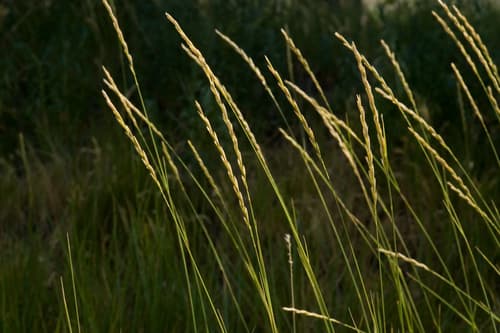
Elymus smithii, commonly known as western wheatgrass, is a cool season sod forming grass that blooms from May through July and thrives in dry prairies and open grasslands with full sun.
Toxicity unknown
Western Wheat Grass (Elymus smithii) is not listed by the ASPCA Animal Poison Control Center (opens in new tab) or the other sources we check, so we have no verdict for it either way. Absence from those lists is not a clearance. If your pet shows symptoms after eating any plant, call the ASPCA at (888) 426-4435.
Light
full sun
Water
medium
Size
12"–36" H × 6"–12" W
Bloom
Mar, Apr, May
Native to
AZ, CA, CO, GA and 27 more states
Pollinators
bees, beetles
Before you buy
Your city may pay you to plant this
Cities and water utilities offer rebates for replacing lawn with native and water-wise plants. We track 459 programs across 44 states, each with a link to the provider and the date we last checked it.
Find rebates in your areaPicture natives in your own yard
Upload a photo of your yard and Patch Vision shows a rendering of it planted with natives for your region, like Western Wheat Grass.


Browse plants for this ecoregion
Elymus smithii is a native bunch grass that forms attractive clumps reaching 2-4 feet tall. This drought-tolerant perennial produces seed heads in late spring through summer and requires minimal water once established. It provides excellent structure and movement in the landscape while supporting local ecosystems.
Growing Western Wheat Grass
Grow Western Wheat Grass in full sun and medium water. Mature plants reach 12 to 36 inches tall and spread 6 to 12 inches wide. Expect low maintenance to keep it looking intentional in a front yard.
How to care for Western Wheat Grass, by region
How to care for Western Wheat Grass where it is actually grown: year-round basics plus what to do each season, region by region, with the sources for each.
Care guidance last updated: August 2026
Cross Timbers (includes Fort Worth, TX)
Year-round
Western wheatgrass is a spreading, cool-season grass that forms sod through underground stems rather than growing as a single clump. In Fort Worth's Cross Timbers soils it tolerates clay and drought well once established, but it spreads on its own and needs a defined edge to stay tidy.
- Western wheatgrass is native to the Cross Timbers and Prairies ecoregion of Texas, which includes the Fort Worth area; Texas A&M AgriLife lists it among the native rangeland grasses documented for this ecoregion.
- It spreads through underground rhizomes, not a single crown, so give it a mowed edge, paver strip, or buried edging where it meets flower beds or sidewalks, or it will colonize past its planted area over a season or two.
- Established plants root several feet deep, which is what gives them strong drought tolerance; regular watering is really only needed during the first growing season while roots are establishing.
- It tolerates the alkaline clay, loam, and sandy soils common around Fort Worth without needing amended soil or routine fertilizer to hold its sod.
- Plant it in full sun to light part shade; heavier shade thins the stand out over time.
- Because seed germinates poorly, patch bare spots by transplanting a rhizome division from a thick area rather than reseeding.
A defined edge (paver strip, buried edging, or a mowed border) keeps this grass's underground spreading from reading as an unkempt lawn to neighbors or an HOA reviewer.
Fall
Fall is this grass's second and most important growth window in North Texas, typically starting around September as the heat breaks. It's the best season to divide, transplant, or firm up thin spots before winter dormancy sets in.
- In Texas, western wheatgrass generally resumes active growth by September as the heat breaks, giving it a real second growing season before winter dormancy.
- This is the best window to divide a rhizome clump and transplant it into a thin or bare area, since the grass is actively rooting again.
- Keep mowing through fall as growth resumes, tapering off the frequency as the grass slows heading into late fall.
- Fort Worth's cooler fall temperatures and typical rainfall are usually enough on their own; extra watering is rarely needed unless it's an unusually dry autumn.
- Rake fallen leaves off the crown so the fresh fall growth isn't smothered going into winter.
Winter
Western wheatgrass stays dormant through winter in North Texas, even in years with normal rainfall, so a brown lawn from December into February is expected here, not a sign of trouble.
- Research on Texas plants found this species puts on no new growth over winter even when irrigated, so there's no need to water it through the cold months.
- Skip fertilizer entirely while it's dormant; the plant can't use it, and it mostly washes off or feeds winter weeds instead.
- A final light mow before the coldest weather clears old growth and tidies the lawn's look heading into winter.
- If the brown color draws a question from neighbors or an HOA, it reflects this species' normal winter dormancy, not neglect.
- Hold off on rhizome division or transplanting until growth resumes in fall or spring, since divisions won't root in dormant winter soil.
Keeping a quick note (in this app's care log, or wherever the household tracks it) that brown winter turf is expected for this species is handy if an HOA landscape review ever asks about it.
Spring
Spring is this grass's biggest growth push in North Texas, with growth typically peaking in April before summer heat arrives. It's the best time to see it fill in, and the best time to divide or transplant it if a spot needs patching.
- In Texas, western wheatgrass puts on its strongest growth of the year in April, so expect the fastest greening and thickest sod during spring.
- Mow more often in spring than any other season, keeping the cutting height around 4 to 6 inches so the grass retains enough leaf area to recover between cuts.
- If a patch needs filling, spring is a good time to move a rhizome division from a thick area rather than reseed, since seed establishes poorly here.
- Skip heavy fertilizer; a grass this deep-rooted and drought-adapted rarely needs it, and pushing fast growth just means more mowing.
- Watch the spreading edges closely this season, since the rhizomes are actively growing outward and can cross into beds fastest during this flush.
Summer
Fort Worth's summer heat pushes this cool-season grass into a dormant, tan phase, and that is normal, not a sign it's dying. Extra watering mostly encourages more rhizome spread rather than a greener lawn, so it's better spent elsewhere.
- Western wheatgrass is a cool-season grass that naturally goes tan and dormant once summer heat sets in, then greens back up in fall, so a dormant look in July and August is expected here.
- Don't run extra irrigation trying to force it green through summer dormancy; that water mostly feeds rhizome spread, which just means more edging work later, not a greener lawn now.
- Raise the mower deck to its highest setting through summer so the remaining leaf blades shade the crown and soil surface.
- Mow less often as growth slows; once it's visibly dormant, mowing mainly cleans up seed heads and any weeds poking through rather than cutting active growth.
- Check thin or bare patches for weeds moving in during dormancy, since the wheatgrass itself isn't actively filling gaps this time of year.
A uniformly tan, evenly mowed lawn through summer dormancy reads as intentional to an HOA reviewer; a mix of green and brown patches next to bare ground is more likely to draw a note.
Sources: Lady Bird Johnson Wildflower Center: Pascopyrum smithii (Western Wheatgrass), Texas A&M AgriLife, Plants of Texas Rangelands: Western Wheatgrass, USDA Forest Service Fire Effects Information System: Pascopyrum smithii, Utah State University Extension: Western Wheatgrass
Mojave Basin and Range (includes Las Vegas, NV)
Year-round
Western wheatgrass spreads, and that is the first thing to plan around. It travels on underground runners that sit only about half an inch to two inches below the surface, and those runners knit into a solid sod, so a patch planted in one bed will walk into the next one. Nursery tags are confusing on this plant, because the accepted botanical name today is Pascopyrum smithii while older labels still read Elymus smithii or Agropyron smithii. It is native across much of western North America, from southern Canada south to Texas and Arizona and west into Nevada and California. It is also a cool-season grass, which in northwest Las Vegas means it does its growing in the mild months and then sits blue-grey and still through the worst summer heat. Plan for a hard edge from day one and for water in the shoulder seasons rather than in July.
- Put a hard edge around every side of the planting before it fills in. The runners sit about half an inch to two inches down, so edging set six inches deep and an inch proud of the soil intercepts them.
- Walk the perimeter once a month during spring and fall and pull any shoots that came up outside the line. New shoots pull easily, established sod does not.
- Water on the cool-season calendar. Most of the year's water belongs in February through April and again in October and November.
- Soak deeply and infrequently rather than sprinkling daily. Most roots sit in the top eight inches with a few running much deeper.
- Expect a thin, patchy first year. Stands develop slowly and fill in mostly by rhizome spread over three or four seasons.
- It takes the alkaline, salty caliche soil here better than most lawn grasses, so skip soil acidifiers and heavy amendment.
Because it spreads on its own, the tidiest front-yard look comes from a defined edge plus a consistent height, which keeps the planting reading as intentional and HOA-friendly rather than volunteer.
Fall
Fall is the second growth window and the most productive stretch of the year for this grass after spring. Once nights cool in October, western wheatgrass wakes back up and puts on good fall growth if there is moisture, which is exactly when to start watering again. It is also the better of the two planting and dividing windows, because roots get a long cool run before next summer. Expect the blue-green color to return within two or three weeks of the first real soakings. Do not rush it in September, when daytime highs here are still near 100.
- Wait for a stretch of highs under 95 before you raise the water. Pushing it in early September waters a plant that is still dormant.
- Resume regular watering in October. Fall assigned days run three times a week in September and October, either Monday, Wednesday, Friday or Tuesday, Thursday, Saturday depending on your group.
- Plant or divide now. Fall is one of the two windows the USDA plant guide names, and stands are slow, so early roots matter.
- Do the fall edge patrol. Summer dormancy hid the runners, and fall regrowth is when shoots outside your line become obvious.
- Skip fall fertilizer unless a soil test says otherwise. This grass evolved on lean, alkaline ground and holds color without feeding.
- Leave the standing growth going into winter rather than cutting it to the ground, because the old blades shelter the crowns.
Fall greenup is the easiest time to make the planting look deliberate, so re-cut the edge and refresh the gravel or mulch border while the grass is filling back in.
Winter
Winter in northwest Las Vegas is mild enough that this grass is never fully asleep. Western wheatgrass is very cold tolerant, so freezing nights are a non-event, and it will start moving again as soon as daytime temperatures reach the low 50s Fahrenheit, which here can happen in February. Water needs are at their lowest, and the water district drops most yards to a single assigned day per week from November through February. The real winter work is the cleanup shear and the edge reset, both done in late January or February before new growth starts. Nothing here needs covering or protecting.
- Water once a week at most on your assigned November through February day, and skip that week entirely after a real rain.
- Shear the old growth to about three inches in late January or early February, before the new blades push through.
- Re-cut or reset the edging while the ground is workable and the plant is quiet. This is the best window of the year for that job.
- Rake out clippings and old thatch so the crowns get sun as they wake up.
- Dig out any shoots that crossed into beds or gravel over the past year, roots and all, while the sod edge is easy to read.
- Hold off on fertilizer. Anything you feed belongs at early greenup, not in December.
A late-winter shear plus a clean re-cut edge is the single change that most improves how this planting reads from the street for the rest of the year.
Spring
Spring is this grass's main season. It starts moving once daytime temperatures reach the low 50s Fahrenheit, which in northwest Las Vegas usually lands in late February, and it greens up to a soft blue-green. Seed spikes push up around May and June, and the plant matures from mid to late summer. This is the window where water actually buys you growth, so it is the right time to be generous inside your assigned watering days. It is also when the runners travel hardest, which makes March and April the months to walk your edges.
- Water deeply on your assigned spring days through March and April, then let the top inch dry out between soakings.
- Shear or mow last year's tan growth down to about three inches before the new blades get more than a few inches tall.
- Walk the full perimeter once in March and once in April and pull any shoots that showed up outside the edging.
- Divide and replant now if you want more of it. Early spring and fall are the two windows the USDA plant guide names.
- Leave the seed spikes if you like the texture, or clip them once they tan for a flatter, more uniform front yard.
- Ergot and leaf rust turn up on the seed heads only during long wet stretches, which is close to a non-issue at under five inches of rain a year. If you keep animals that graze, clipping the seed heads removes the question.
Spring is when this planting looks best from the street, and one shear before greenup is usually all it takes for it to read as maintained rather than weedy.
Summer
This is the season where people kill this grass with kindness. Western wheatgrass is a cool-season grass, so it goes dormant in summer heat and turns blue-grey or straw colored on purpose. Watering it hard in July to green it back up does not work, and soaking a dormant crown in 110 degree soil invites crown and root rot while running the water bill up in a desert city. Give it survival water only and let it come back on its own when nights cool in fall. Utah State Extension puts survival watering for a dormant cool-season lawn at as little as one inch of water per month.
- Cut irrigation back to survival level, roughly one inch of water per month, given as one deep soaking rather than daily sips.
- Do not fertilize between May and September. Feeding a dormant grass pushes growth it cannot carry in this heat.
- Follow the Las Vegas Valley Water District assigned watering days, which are mandatory, and keep sprinklers off between 11 a.m. and 7 p.m. from May 1 through August 31.
- Stop mowing once it browns out. Cutting a dormant crown adds stress with nothing to gain.
- Keep foot traffic light on dormant patches, because the crowns are the living part and they bruise easily when dry.
- If one patch stays lush and green all summer, something nearby is leaking or overspraying. Find it before it rots those crowns.
A blue-grey dormant patch can read as neglect from the curb, so keep the edge crisp and let your board know this is a cool-season grass in seasonal dormancy, which keeps the front yard reading as intentional.
Sources: Lady Bird Johnson Wildflower Center, Pascopyrum smithii plant profile (synonyms, native status, native range), USDA Forest Service Fire Effects Information System, Pascopyrum smithii (rhizome depth, sod formation, cool-season phenology), USDA NRCS Plant Guide, Western Wheatgrass Pascopyrum smithii (rhizomatous root system, slow stand development, saline and alkaline tolerance), Utah State University Extension Range Plants, Western Wheatgrass (growth begins at 12 to 13 C daytime temperatures), Las Vegas Valley Water District, Mandatory Watering Schedule (assigned days are mandatory, sprinkler irrigation prohibited 11 a.m. to 7 p.m. in summer), Utah State University Extension, Is Your Lawn Dead or Dormant (survival watering as little as one inch per month for cool-season grass)
In an HOA neighborhood
Western Wheat Grass is an HOA-friendly choice. Maintenance level: low. Tidiness: 3 out of 5.
Works well in: mid zone, street edge.
- May appear too informal for conservative front yard plantings
- Height could obstruct sight lines near driveways
Wildlife value
This grass supports bees and beetles during its blooming period from May through July. The seed heads also provide food for birds and small mammals.
Common questions
- When does western wheatgrass bloom?
- Western wheatgrass generally flowers from May through July, sending up slender seed heads on upright stems above the sod forming foliage.
- What light and water conditions does western wheatgrass need?
- It grows best in full sun and handles low to medium soil moisture well, which makes it useful in dry prairie plantings and areas that see periodic drought.
- Does western wheatgrass attract pollinators?
- Bees and beetles have been observed on western wheatgrass, though like most grasses its flowers are wind pollinated and offer little nectar; the plant is more valuable as cover and nesting habitat than as a nectar source.
- How does western wheatgrass grow and spread?
- It is a rhizomatous, cool season perennial that spreads underground to form dense, sod-like stands, which helps it stabilize soil in open grassland and prairie settings.
- Is Western Wheat Grass HOA-friendly?
- Western Wheat Grass is generally an HOA-friendly choice in the right placement, with low maintenance.
These answers were drafted with an AI model from this plant's data. Verify care details with a local expert.
See Western Wheat Grass in a real native yard
Western Wheat Grass is one of the natives used in these Garden Planner yard designs. Tap any one to see the before and after.
The after image is a Garden Planner preview, generated by an AI image model from the real yard photo. It replants the yard with native plants chosen to fit that yard's ecoregion, sun, and HOA strictness. The finished planting will look different.
Native range data from the World Checklist of Vascular Plants (Kew). Pollinator and host plant associations compiled from GBIF, iNaturalist, and published ecological literature.
If something looks wrong
Common plant problems, and what to check first
These come up on almost any plant. Each guide lists the likely causes in the order they are worth ruling out, with one thing to check before you act on any of them, and links to the source it came from.
- It is dying right after planting
- Leaves turning yellow
- Wilting even though I watered it
- Brown crispy leaf tips
- Bugs on the plant
Ready to grow Western Wheat Grass? Add it to your garden in Pollinator Patch to track it and get season-by-season care guidance.