Western soapberry
Sapindus saponaria var. drummondii
Last reviewed: September 2026
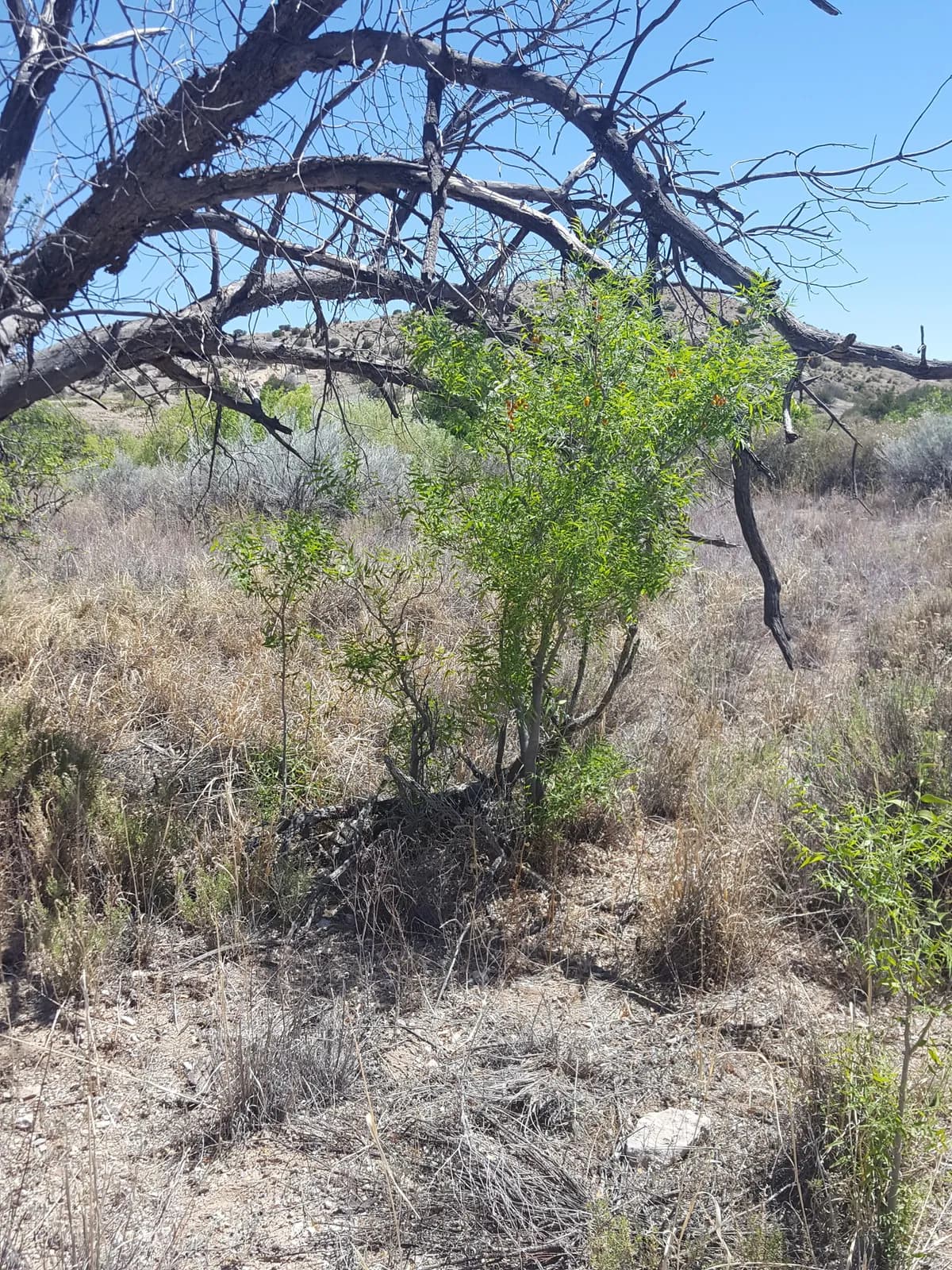
Western soapberry is a deciduous tree suited to full sun and low water landscapes across the southern Great Plains and south central United States, blooming in May and June. Its small cream flower clusters draw bees.
Toxicity unknown
Western soapberry (Sapindus saponaria var. drummondii) is not listed by the ASPCA Animal Poison Control Center (opens in new tab) or the other sources we check, so we have no verdict for it either way. Absence from those lists is not a clearance. If your pet shows symptoms after eating any plant, call the ASPCA at (888) 426-4435.
Western soapberry is listed as toxic to grazing livestock such as cattle, sheep, and goats at a moderate level by the USDA PLANTS Database (opens in new tab). This is a livestock indicator and is separate from pet toxicity.
Light
full sun
Water
low
Size
360"–600" H × 240"–360" W
Bloom
May, Jun
Native to
AZ, NM, TX, OK and 4 more states
Pollinators
bees
Before you buy
Your city may pay you to plant this
Cities and water utilities offer rebates for replacing lawn with native and water-wise plants. We track 458 programs across 44 states, each with a link to the provider and the date we last checked it.
Find rebates in your areaBrowse plants for this ecoregion
A medium to large deciduous tree with an upright, rounded canopy and pinnately compound leaves that turn golden yellow in fall. Produces small creamy white flower clusters in late spring followed by round, amber, translucent berries that persist into winter. Tolerant of drought, heat, and a wide range of soils.
Growing Western soapberry
Grow Western soapberry in full sun and low water. Mature plants reach 360 to 600 inches tall and spread 240 to 360 inches wide. Expect moderate maintenance to keep it looking intentional in a front yard.
How to care for Western soapberry, by region
How to care for Western soapberry where it is actually grown: year-round basics plus what to do each season, region by region, with the sources for each.
Care guidance last updated: September 2026
Cross Timbers (includes Fort Worth, TX)
Year-round
Western Soapberry is a tough, deciduous Texas native tree that mostly takes care of itself once it settles in, and it needs very little fuss from you beyond the first year or two.
- Give it full sun to light afternoon shade. This tree tolerates a wide range of soils, from the sandier ground around Fort Worth to the heavier clay common in Dallas, as long as water is not standing around the roots.
- Water deeply but infrequently for the first year or two while it establishes, then let rainfall do most of the work. Mature trees handle North Texas heat and drought well and rarely need extra watering.
- Expect a slow to moderate grower reaching 30 to 50 feet in good, deep soil, and staying smaller in shallow or rocky ground. Give it room, since roots can send up new sprouts (suckers) some distance from the trunk.
- The small round berries contain natural soap compounds called saponins and are considered poisonous to people if eaten. Western Soapberry is not on the ASPCA's toxic plant list for dogs, but fallen fruit still is not something to let kids or pets snack on.
- This tree is the caterpillar host plant for the Soapberry Hairstreak butterfly, one of the few butterflies specialized to use it, so it earns its keep beyond shade.
Fall
Fall brings clear gold foliage and ripening berries, plus a second good planting window once the heat breaks.
- Leaves turn a clear gold in fall, one of the better fall color shows among North Texas natives, before dropping for winter.
- Ripe berries turn amber and often hang on the tree into winter. Once they drop they can be slick underfoot, so sweep them off walkways and the driveway.
- Fall is a good secondary planting window here, once the worst heat has passed. Water a new tree weekly until the ground cools.
Raking fallen leaves and ripe berries off the sidewalk and driveway keeps the front yard tidy and HOA-conscious through soapberry's fall drop.
Winter
Winter is dormant season for Western Soapberry, bare of leaves, and the easiest time to prune or shape it.
- The tree is fully deciduous and bare through winter. Bark on older trunks develops a rough, plated texture, which is normal and not a sign of trouble.
- This is the right time for any structural pruning or removing dead wood, since you can see the branch framework clearly with no leaves in the way.
- Persistent amber berries may still cling to bare branches into winter and drop over time. Clear them off walkways and near storm drains as they fall.
Winter dormant pruning is the easiest time to shape a young Western Soapberry into a single clean trunk before spring growth starts, keeping the front yard HOA-conscious.
Spring
Spring is when Western Soapberry flowers and puts on new growth, and it is the best window to plant one or watch for suckers.
- Large, cream colored flower clusters open in May, drawing in bees and other pollinators.
- Spring is the best planting window in North Texas. Water a new transplant deeply once or twice a week until you see new growth, then taper off.
- Root suckers tend to pop up near the trunk and sometimes farther out in the yard this time of year. Clip them while small if you want one clean trunk instead of a grove.
Clipping spring root suckers keeps a Western Soapberry looking like one clean shade tree instead of a thicket, which reads as more HOA-conscious at the curb.
Summer
Summer is low maintenance for an established Western Soapberry, and it is also the peak season for the butterfly that depends on it.
- Established trees shrug off Texas summer heat and need little to no extra water. A tree still in its first or second summer benefits from a deep soak weekly during long dry stretches.
- Round, marble sized berries form after the spring bloom and stay green through summer, ripening to a translucent yellow later on.
- This is peak flight season for the Soapberry Hairstreak butterfly, whose caterpillars feed only on this tree's leaves, so it is worth holding off on spraying for leaf chewing insects here.
Sources: Lady Bird Johnson Wildflower Center: Sapindus saponaria var. drummondii, ASPCA Toxic and Non-Toxic Plant List (Dogs), Butterflies and Moths of North America: Soapberry Hairstreak (Phaeostrymon alcestis)
Texas Blackland Prairies (includes Dallas, TX)
Year-round
Western Soapberry is a tough, deciduous Texas native tree that mostly takes care of itself once it settles in, and it needs very little fuss from you beyond the first year or two.
- Give it full sun to light afternoon shade. This tree tolerates a wide range of soils, from the sandier ground around Fort Worth to the heavier clay common in Dallas, as long as water is not standing around the roots.
- Water deeply but infrequently for the first year or two while it establishes, then let rainfall do most of the work. Mature trees handle North Texas heat and drought well and rarely need extra watering.
- Expect a slow to moderate grower reaching 30 to 50 feet in good, deep soil, and staying smaller in shallow or rocky ground. Give it room, since roots can send up new sprouts (suckers) some distance from the trunk.
- The small round berries contain natural soap compounds called saponins and are considered poisonous to people if eaten. Western Soapberry is not on the ASPCA's toxic plant list for dogs, but fallen fruit still is not something to let kids or pets snack on.
- This tree is the caterpillar host plant for the Soapberry Hairstreak butterfly, one of the few butterflies specialized to use it, so it earns its keep beyond shade.
Fall
Fall brings clear gold foliage and ripening berries, plus a second good planting window once the heat breaks.
- Leaves turn a clear gold in fall, one of the better fall color shows among North Texas natives, before dropping for winter.
- Ripe berries turn amber and often hang on the tree into winter. Once they drop they can be slick underfoot, so sweep them off walkways and the driveway.
- Fall is a good secondary planting window here, once the worst heat has passed. Water a new tree weekly until the ground cools.
Raking fallen leaves and ripe berries off the sidewalk and driveway keeps the front yard tidy and HOA-conscious through soapberry's fall drop.
Winter
Winter is dormant season for Western Soapberry, bare of leaves, and the easiest time to prune or shape it.
- The tree is fully deciduous and bare through winter. Bark on older trunks develops a rough, plated texture, which is normal and not a sign of trouble.
- This is the right time for any structural pruning or removing dead wood, since you can see the branch framework clearly with no leaves in the way.
- Persistent amber berries may still cling to bare branches into winter and drop over time. Clear them off walkways and near storm drains as they fall.
Winter dormant pruning is the easiest time to shape a young Western Soapberry into a single clean trunk before spring growth starts, keeping the front yard HOA-conscious.
Spring
Spring is when Western Soapberry flowers and puts on new growth, and it is the best window to plant one or watch for suckers.
- Large, cream colored flower clusters open in May, drawing in bees and other pollinators.
- Spring is the best planting window in North Texas. Water a new transplant deeply once or twice a week until you see new growth, then taper off.
- Root suckers tend to pop up near the trunk and sometimes farther out in the yard this time of year. Clip them while small if you want one clean trunk instead of a grove.
Clipping spring root suckers keeps a Western Soapberry looking like one clean shade tree instead of a thicket, which reads as more HOA-conscious at the curb.
Summer
Summer is low maintenance for an established Western Soapberry, and it is also the peak season for the butterfly that depends on it.
- Established trees shrug off Texas summer heat and need little to no extra water. A tree still in its first or second summer benefits from a deep soak weekly during long dry stretches.
- Round, marble sized berries form after the spring bloom and stay green through summer, ripening to a translucent yellow later on.
- This is peak flight season for the Soapberry Hairstreak butterfly, whose caterpillars feed only on this tree's leaves, so it is worth holding off on spraying for leaf chewing insects here.
Sources: Lady Bird Johnson Wildflower Center: Sapindus saponaria var. drummondii, ASPCA Toxic and Non-Toxic Plant List (Dogs), Butterflies and Moths of North America: Soapberry Hairstreak (Phaeostrymon alcestis)
In an HOA neighborhood
Western soapberry is an HOA-friendly choice in the right placement. Maintenance level: moderate. Tidiness: 3 out of 5.
Works well in: street edge.
- Berries contain saponins toxic if ingested by pets or livestock
- Can produce root suckers that spread beyond the planting area
Wildlife value
Host plant for Soapberry hairstreak.
Flowers draw bees and other pollinating insects; the tree serves as a larval host for the soapberry hairstreak butterfly, and birds occasionally eat the fruit.
Common questions
- When does Western soapberry bloom?
- Western soapberry blooms in May and June, producing small clusters of cream to white flowers at the ends of branches.
- How much sun does Western soapberry need?
- This tree performs best in full sun but can tolerate part sun, especially where summers are hot and dry.
- How much water does Western soapberry require?
- Established Western soapberry trees are drought tolerant and prefer low to medium water, doing well with infrequent deep watering once rooted.
- Do pollinators visit Western soapberry?
- Bees visit the small flower clusters of Western soapberry during its late spring bloom, using it as a nectar source.
- Does Western soapberry lose its leaves in winter?
- Yes, it is deciduous and drops its leaves in fall after turning a yellow color.
- Is Western soapberry toxic to livestock?
- Western soapberry is listed as toxic to grazing livestock such as cattle, sheep, and goats (moderate severity) by the USDA PLANTS Database. This is separate from pet (dog and cat) toxicity.
- Is Western soapberry HOA-friendly?
- Western soapberry is generally an HOA-friendly choice in the right placement, with moderate maintenance.
These answers were drafted with an AI model from this plant's data. Verify care details with a local expert.
Native range data from vouchered herbarium specimen records and regional native plant society lists. Pollinator and host plant associations compiled from GBIF, iNaturalist, and published ecological literature.
If something looks wrong
Common plant problems, and what to check first
These come up on almost any plant. Each guide lists the likely causes in the order they are worth ruling out, with one thing to check before you act on any of them, and links to the source it came from.
- It is dying right after planting
- Leaves turning yellow
- Wilting even though I watered it
- Brown crispy leaf tips
- Bugs on the plant
Ready to grow Western soapberry? Add it to your garden in Pollinator Patch to track it and get season-by-season care guidance.