Prairie Acacia
Acacia angustissima
Last reviewed: September 2026
Toxicity unknown
Prairie Acacia (Acacia angustissima) is not listed by the ASPCA Animal Poison Control Center (opens in new tab) or the other sources we check, so we have no verdict for it either way. Absence from those lists is not a clearance. If your pet shows symptoms after eating any plant, call the ASPCA at (888) 426-4435.
Light
full sun
Water
low
Size
12"–36" H × 18"–24" W
Bloom
Jun, Jul, Aug, Sep, Oct, Nov
Native to
AR, AZ, CA, FL and 6 more states
Pollinators
butterflies, bees, moths, nectar insects
Before you buy
Your city may pay you to plant this
Cities and water utilities offer rebates for replacing lawn with native and water-wise plants. We track 452 programs across 44 states, each with a link to the provider and the date we last checked it.
Find rebates in your areaBrowse plants for this ecoregion
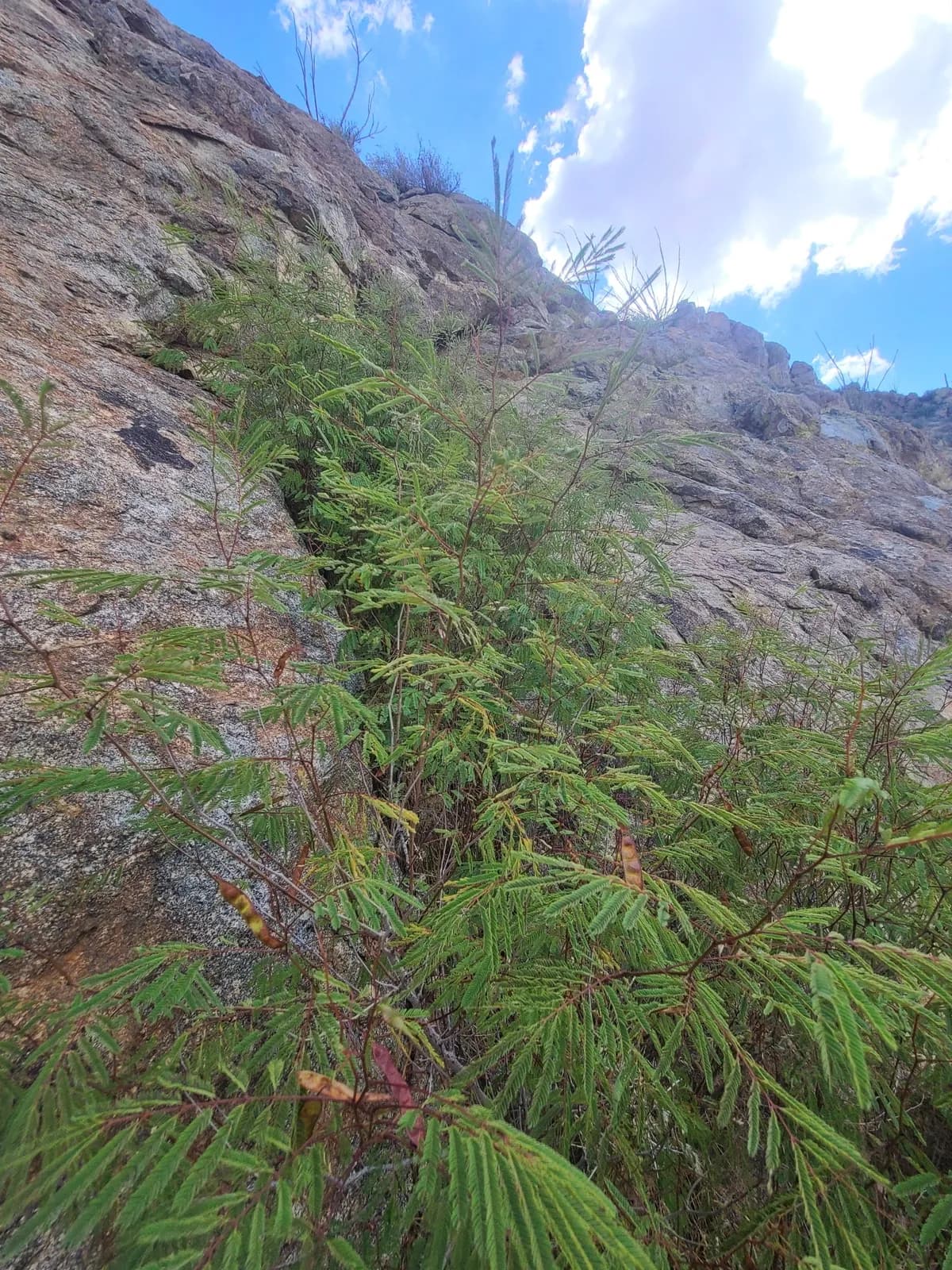
Prairie Acacia is a compact native shrub that produces clusters of fluffy white or cream-colored flowers from summer through fall. This drought-tolerant plant maintains a tidy, mounded form and requires minimal care once established.
How to care for Prairie Acacia, by region
How to care for Prairie Acacia where it is actually grown: year-round basics plus what to do each season, region by region, with the sources for each.
Care guidance last updated: July 2026
Texas Blackland Prairies (includes Dallas, TX)
Year-round
Prairie acacia is a low, thornless subshrub with soft, ferny leaves and small white puff flowers. It stays small (about 1 to 4 feet), likes full sun and well-drained soil, and needs very little water once it settles in around Dallas. It is native to the Texas Blackland Prairies, so it is well suited to this area.
- For the first summer after planting, water deeply about once a week so the deep taproot can get established. After that, it gets by on rainfall in most Dallas years and only needs a soak during a long dry stretch.
- Give it a spot with good drainage. It handles the rocky and clay soils around Dallas fine as long as water does not sit on the roots. Heavy, soggy ground is the main way to lose this plant.
- A thin 2 inch layer of mulch keeps roots cool and holds moisture, but keep the mulch pulled back a couple inches from the stems so they do not stay wet and rot.
- It self-seeds. If you do not want volunteers, snip the seed pods off before they dry and split, or just pull the small seedlings in spring when they are easy to spot.
Fall
In fall around Dallas the plant winds down, sets seed, and the ferny foliage starts to fade as cooler weather arrives. Little work is needed beyond deciding how much to tidy.
- Stop watering as the weather cools. Fall rain and the shorter days are enough, and dry roots going into winter are healthier than wet ones.
- You can leave the seed pods in place if you want new plants next year, or clip them off in fall if you would rather not have seedlings popping up.
- Hold off on a hard cutback until the plant has finished dying back for the season. A light tidy of any floppy stems is fine now if the front bed needs to look neat.
A light fall tidy of stray or floppy stems keeps the planting reading as cared-for from the curb and heads off a neglected look before winter dormancy sets in.
Winter
Prairie acacia is deciduous and dies back in winter around Dallas, where hard freezes are normal. It looks like bare stems or nothing at all, which is expected. This is the main cutback window.
- Expect the top growth to go brown and dormant after the first hard freeze. The deep roots survive the cold and the plant returns from the base in spring, so do not assume it is dead.
- Late winter, before new growth starts, is the best time to cut the old stems down close to the ground. This clears the dead material and makes room for a clean flush of new shoots.
- No watering needed in winter. The dormant plant does not use it, and wet, cold soil is the thing most likely to harm the roots.
Cutting the dormant stems low in late winter gives the bed a clean, intentional look through the bare months and avoids the tangle of dead growth that can prompt a violation letter.
Spring
Spring is when prairie acacia wakes up and puts on its fresh ferny growth around Dallas. This is the time to clean up any winter dieback and start light watering if the spring is dry.
- In early spring, cut any dead brown stems left from winter down to a few inches. New growth pushes from the base, so clearing the old stems keeps the plant looking neat and lets the new shoots come up clean.
- If March and April are dry, water new or young plants about once a week. Established plants usually ride on spring rain and need nothing.
- This is a good window to pull unwanted seedlings that sprouted from last year's pods while they are small and easy to remove.
A quick early-spring cleanup of the dead winter stems reads as intentional and tidy to neighbors and helps a front-yard planting avoid looking neglected.
Summer
Summer is prime time for prairie acacia. It blooms its little white puffs in the Dallas heat and asks for almost nothing. This is the season to enjoy it and hold back on water.
- Established plants handle Dallas summer heat and dry spells well. Only water during a long rain-free stretch, and even then a deep soak every week or two is plenty. Overwatering in summer is a bigger risk than underwatering.
- If the plant gets leggy or floppy, you can trim it back lightly after a round of flowering to keep a rounded, compact shape. Avoid hard cuts late in summer so you do not force tender growth right before fall.
- Leave some spent flowers if you want it to reseed. Snip the developing pods now if you would rather keep volunteers down next spring.
Sources: Lady Bird Johnson Wildflower Center prairie acacia native plant profile, USDA NRCS prairie acacia plant guide, ASPCA toxic and non-toxic plant search, Native Plant Society of Texas prairie acacia profile
Want these tasks as reminders timed to your yard? Pollinator Patch turns this guidance into a season-by-season care plan for the plants you actually grow.
In an HOA neighborhood
Prairie Acacia is an HOA-friendly choice in the right placement. Maintenance level: moderate. Tidiness: 4 out of 5.
Works well in: foundation, mid zone.
- Requires annual shaping to stay compact
Wildlife value
The long blooming season provides nectar for butterflies, bees, and moths from June through November. This plant is particularly valuable for supporting native pollinators during the hot summer months when few other plants are flowering.
Common questions
- How much sun does Prairie Acacia need?
- Prairie Acacia grows best in full sun conditions.
- When does Prairie Acacia bloom?
- Prairie Acacia blooms in June, July, August, September, October, and November.
- Where is Prairie Acacia native?
- Prairie Acacia (Acacia angustissima) is native to AR, AZ, CA, FL and 6 more states, per the World Checklist of Vascular Plants (Kew).
- What pollinators does Prairie Acacia attract?
- Prairie Acacia draws butterflies, bees, moths, and nectar insects.
- Is Prairie Acacia HOA-friendly?
- Prairie Acacia is generally an HOA-friendly choice in the right placement, with moderate maintenance.
Native range data from the World Checklist of Vascular Plants (Kew). Pollinator and host plant associations compiled from GBIF, iNaturalist, and published ecological literature.
If something looks wrong
Common plant problems, and what to check first
These come up on almost any plant. Each guide lists the likely causes in the order they are worth ruling out, with one thing to check before you act on any of them, and links to the source it came from.
- It is dying right after planting
- Leaves turning yellow
- Wilting even though I watered it
- Brown crispy leaf tips
- Bugs on the plant
Ready to grow Prairie Acacia? Add it to your garden in Pollinator Patch to track it and get season-by-season care guidance.
Planning a bed around it? Start a free plan with this plant
Not sure where to start? Take the 2-minute yard quiz