Cane Bluestem
Bothriochloa barbinodis
Last reviewed: September 2026
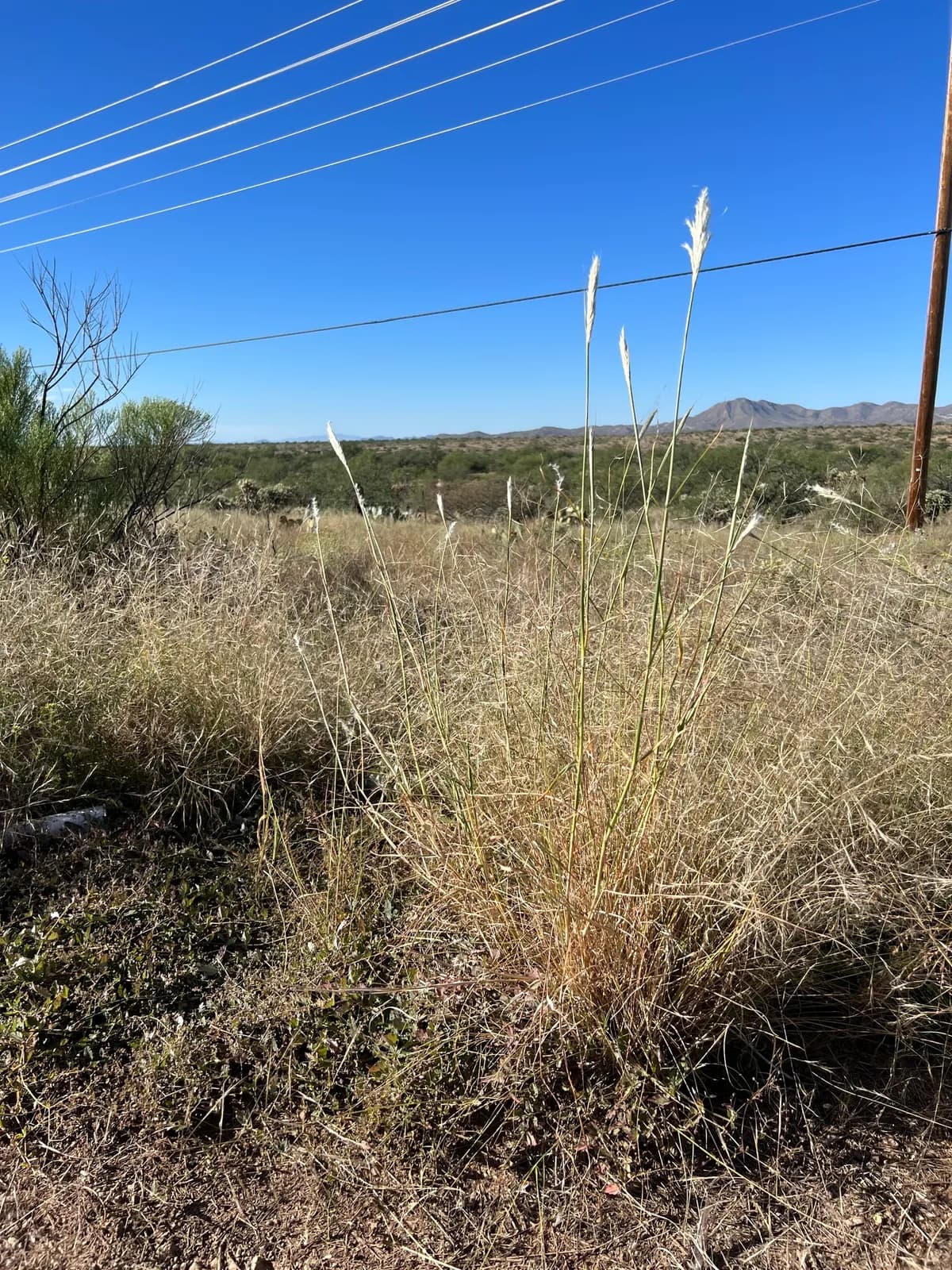
Cane Bluestem is a warm-season bunchgrass found in dry, rocky soils and open grasslands across the Southwest and into Florida, blooming from spring through late summer with feathery silver seed heads.
Toxicity unknown
Cane Bluestem (Bothriochloa barbinodis) is not listed by the ASPCA Animal Poison Control Center (opens in new tab) or the other sources we check, so we have no verdict for it either way. Absence from those lists is not a clearance. If your pet shows symptoms after eating any plant, call the ASPCA at (888) 426-4435.
The USDA PLANTS Database (opens in new tab) does not flag Cane Bluestem as toxic to livestock.
Light
full sun
Water
medium
Size
24"–48" H × 12"–24" W
Bloom
Mar, Apr, May, Jun, Jul, Aug
Native to
AZ, CA, CO, FL and 7 more states
Before you buy
Your city may pay you to plant this
Cities and water utilities offer rebates for replacing lawn with native and water-wise plants. We track 452 programs across 44 states, each with a link to the provider and the date we last checked it.
Find rebates in your areaBrowse plants for this ecoregion
Cane Bluestem is a native Texas bunchgrass that forms upright clumps with blue-green foliage and delicate seed heads. It blooms from spring through summer, producing airy flower spikes that add movement and texture to the landscape. This drought-tolerant grass goes dormant in winter, turning golden-tan before new growth emerges in spring.
Growing Cane Bluestem
Grow Cane Bluestem in full sun and medium water. Mature plants reach 24 to 48 inches tall and spread 12 to 24 inches wide. Expect low maintenance to keep it looking intentional in a front yard.
How to care for Cane Bluestem, by region
How to care for Cane Bluestem where it is actually grown: year-round basics plus what to do each season, region by region, with the sources for each.
Care guidance last updated: August 2026
Central California Foothills and Coastal Mountains (includes San Francisco, CA)
Year-round
Cane bluestem is a warm season bunchgrass most at home in Southern California and the desert Southwest. In a cooler, foggier Bay Area garden it can still work as an ornamental grass, but it will not grow quite the way it does in its native range.
- In California this grass grows natively from San Diego to Santa Barbara and into interior desert grasslands, not the coastal Bay Area, so expect slower and less vigorous growth in San Francisco's cooler, foggier summers than it would get further south or inland.
- Give it the sunniest, driest spot available. It wants full sun and fast draining soil, and struggles in shade or heavy clay that stays wet.
- It grows as a tidy bunching clump rather than spreading, so it stays put in a border once planted.
- Established plants need very little water. Overwatering or rich soil tends to make the clump floppy instead of holding its upright form.
Fall
Fall is a quiet season for cane bluestem, as the grass finishes flowering and its foliage shifts into fall color ahead of winter dormancy.
- Expect the blue green summer foliage to fade toward reddish yellow tones as the grass heads into dormancy.
- Leave the clump standing through fall. The dry seed heads and foliage give the bed some winter interest and shelter for birds and insects.
- Do not cut back yet. Wait until late winter, closer to when new growth is about to start, so the standing clump can protect the crown through the coldest weeks.
A cane bluestem clump looks increasingly dry and straw colored through fall. That fading is the grass's normal seasonal color change, not dieback, and it is best left standing rather than cut for a tidier look this early.
Winter
Winter is cane bluestem's dormant season. The clump goes mostly brown and stops active growth until temperatures warm again in spring.
- The grass is rated cold hardy well into freezing territory, roughly USDA zones 7 through 10, so the Bay Area's mild winters are not a limiting factor for this plant.
- Late winter, shortly before new growth starts, is the best time to cut the dry clump back to a few inches. Cutting too early removes winter shelter for wildlife, and cutting too late risks damaging fresh new blades.
- No winter watering is needed. Wet, poorly drained soil sitting through winter is more likely to cause problems than a lack of water.
Cutting the clump back to a few inches in late winter, right before new growth starts, gives the bed its neatest look heading into spring and matches standard ornamental grass maintenance.
Spring
Spring is when cane bluestem wakes up from winter and starts pushing new blue green blades from the base of last year's clump.
- New growth emerges from the base as temperatures warm. It is often slower to start in the Bay Area's cooler spring than it would be in its native desert grassland range.
- This is the last practical window to cut back any dry winter growth before new blades come in, if that was not already done in late winter.
- Hold off on fertilizer. This grass is adapted to lean soils, and heavy feeding tends to produce weak, floppy growth instead of its normal upright habit.
Cutting back the old dry clump in late winter or very early spring, before new blades emerge, keeps the bed looking tended rather than showing a mix of dead growth and new shoots.
Summer
Summer is cane bluestem's main growing and flowering season, when the clump fills out and sends up its distinctive fluffy seed heads.
- Flowering typically runs from around April through August, with the grass producing silvery, fringed seed heads above the foliage.
- It is drought tolerant and adapted to a warmer, drier summer than the Bay Area usually delivers. Give it full sun and skip extra irrigation beyond what an already established, low water bed gets.
- Foliage often takes on reddish or bronze tones as summer goes on. That is a normal color shift, not a sign of stress.
Sources: Calscape: Cane Bluestem, Lady Bird Johnson Wildflower Center: Bothriochloa barbinodis, Las Pilitas Nursery: Bothriochloa barbinodis, Cane Bluestem, Garden Design: How to Grow and Care for Bluestem Grasses (community tip)
Want these tasks as reminders timed to your yard? Pollinator Patch turns this guidance into a season-by-season care plan for the plants you actually grow.
In an HOA neighborhood
Cane Bluestem is an HOA-friendly choice. Maintenance level: low. Tidiness: 3 out of 5.
Works well in: front yard, mid zone.
- Cut back in late winter
Wildlife value
The long blooming period provides pollen and nectar for various native bees and beneficial insects. Birds feed on the seeds in fall and winter, and the grass provides nesting material and cover for small wildlife.
Common questions
- When does Cane Bluestem bloom?
- Cane Bluestem typically produces its silvery, plume-like flower heads from March through August, with timing varying by region and rainfall.
- How much water does Cane Bluestem need?
- It does best with medium moisture while establishing but tolerates low water and extended dry spells once mature, making it suited to arid and semi-arid landscapes.
- How much sun does Cane Bluestem need?
- This grass grows best in full sun and can tolerate light or part sun conditions, though flowering and form are strongest with more direct light.
- What does Cane Bluestem look like?
- It forms upright clumps of blue-green to gray-green foliage topped by fluffy, silvery-white seed heads that catch light and move easily in wind.
- Is Cane Bluestem toxic to livestock?
- The USDA PLANTS Database does not flag Cane Bluestem as toxic to livestock.
- Is Cane Bluestem HOA-friendly?
- Cane Bluestem is generally an HOA-friendly choice in the right placement, with low maintenance.
These answers were drafted with an AI model from this plant's data. Verify care details with a local expert.
Native range data from the World Checklist of Vascular Plants (Kew). Pollinator and host plant associations compiled from GBIF, iNaturalist, and published ecological literature.
If something looks wrong
Common plant problems, and what to check first
These come up on almost any plant. Each guide lists the likely causes in the order they are worth ruling out, with one thing to check before you act on any of them, and links to the source it came from.
- It is dying right after planting
- Leaves turning yellow
- Wilting even though I watered it
- Brown crispy leaf tips
- Bugs on the plant
Ready to grow Cane Bluestem? Add it to your garden in Pollinator Patch to track it and get season-by-season care guidance.
Planning a bed around it? Start a free plan with this plant
Not sure where to start? Take the 2-minute yard quiz