Late Goldenrod
Solidago altissima
Last reviewed: August 2026
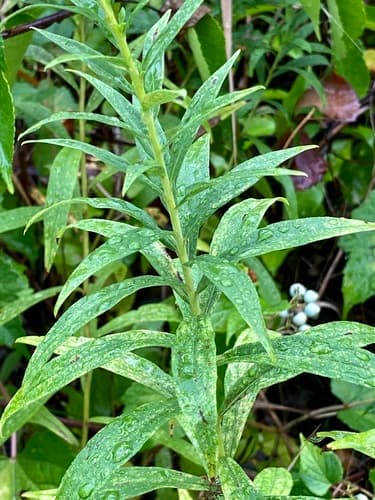
Solidago altissima is a tall perennial forb that blooms from July through September with bright yellow flower clusters. It thrives in full sun with low water needs, often in fields, prairies, and roadside edges.
Toxicity unknown
Late Goldenrod (Solidago altissima) is not listed by the ASPCA Animal Poison Control Center (opens in new tab) or the other sources we check, so we have no verdict for it either way. Absence from those lists is not a clearance. If your pet shows symptoms after eating any plant, call the ASPCA at (888) 426-4435.
The USDA PLANTS Database (opens in new tab) does not flag Late Goldenrod as toxic to livestock.
Light
full sun
Water
low
Size
24"–60" H × 12"–36" W
Bloom
Jul, Aug, Sep
Native to
AL, AR, CO, CT and 36 more states
Pollinators
bees, butterflies, beetles
Before you buy
Your city may pay you to plant this
Cities and water utilities offer rebates for replacing lawn with native and water-wise plants. We track 452 programs across 44 states, each with a link to the provider and the date we last checked it.
Find rebates in your areaBrowse plants for this ecoregion
Late goldenrod is a tall native perennial that produces bright yellow flower clusters from July through September. This hardy prairie plant spreads gradually through underground rhizomes and tolerates drought conditions well once established.
Growing Late Goldenrod
Grow Late Goldenrod in full sun and low water. Mature plants reach 24 to 60 inches tall and spread 12 to 36 inches wide. Expect low maintenance to keep it looking intentional in a front yard.
How to care for Late Goldenrod, by region
How to care for Late Goldenrod where it is actually grown: year-round basics plus what to do each season, region by region, with the sources for each.
Care guidance last updated: September 2026
Ouachita Mountains (includes Hot Springs, AR)
Year-round
Tall goldenrod is a tough, sun loving perennial that already grows wild across Arkansas, including the Ouachita Mountains area around Hot Springs. It is easy to grow but it spreads by underground roots, so give it room from the start.
- Plant in full sun to partial sun in well drained soil. It tolerates the rocky, clay heavy soil common in the Ouachita Mountains foothills around Hot Springs without soil amendments.
- It handles dry spells once established and does not need regular fertilizing.
- The roots spread by rhizomes and can form a dense colony within a few years. Give it a spot where a colony is welcome, or plan to divide it every 2 to 3 years to keep its footprint in check.
- Flowers show up from August into November, later in the season than most garden perennials.
This plant spreads by root and can take over a bed within a couple of seasons. Edging the planting area or dividing it on a regular schedule keeps it looking tended from the street.
Fall
Fall is when tall goldenrod puts on its main show, with bright yellow flower clusters from August into November. It is a major late season food source for bees, butterflies, and other pollinators heading into the cooler months.
- Let it bloom. The flowers from August through November are heavily used by bees, butterflies, and beetles right up until the area's average first freeze, which lands in the last week of October to early November.
- Deadhead spent flower clusters before they go to seed if you want to slow how far it spreads by seed into other parts of the yard. This does not stop the underground rhizome spread, only the seeding.
- Do not cut the plant back hard in fall. Leaving the seed heads and stems standing through the season gives insects food and shelter as it gets colder.
- If the colony is bigger than wanted, mark its edges now while it is easy to see the full spread, so it is simple to dig out strays in spring.
The bright yellow bloom is the showiest part of the year and reads as an intentional wildflower planting rather than an untended lot, especially with a mowed or edged border around the bed.
Winter
Tall goldenrod dies back to the ground for winter in the Hot Springs area. The dried stems and seed heads left standing give shelter to insects through the cold months.
- Leave the dead stems standing over winter rather than cutting them to the ground. Hollow or pithy stems shelter overwintering native bees and other insects until spring cleanup.
- No watering or fertilizing is needed while the plant is dormant. Hot Springs sits in USDA hardiness zone 8a, and this species tolerates winter lows well beyond that range.
- If the bare winter stems bother a front yard view, cut them down to about 12 to 24 inches instead of removing them completely. This keeps some shelter value while looking tidier.
- Take note of where rhizomes spread over the growing season. With the leaves gone, it is easier to see the true edge of the colony, which makes it a good time to plan where to edge or divide once spring arrives.
Standing dry stems can read as unkempt to a neighbor used to a fully mowed-down winter bed. Cutting stems to a uniform 12 to 24 inches instead of leaving the full height keeps the look tidy while still leaving shelter.
Spring
Spring is when new shoots come up from last year's roots. Around Hot Springs the last frost usually lands in March or into April, so early growth can get nipped by a late cold snap but it typically recovers on its own.
- Cut back any dead stems left standing from winter to about 12 to 24 inches before new growth gets tall. Leave some hollow or pithy stems in place if possible, since native bees may still be nesting inside them.
- Watch for new shoots (small rhizome offshoots) coming up around the base plant, and dig out any that stray past the area you want the colony to stay in.
- No fertilizer is needed. If the soil is rocky or compacted, working a little compost into the planting area in early spring helps new shoots establish.
- Divide overcrowded clumps in spring if the colony has spread further than wanted, roughly every 2 to 3 years.
Early in the season the bed can look bare or twiggy while old stems are cut back. A tidy edge along the front of the bed keeps the look intentional.
Summer
Through the hot, humid Hot Springs summer, tall goldenrod mostly grows taller and spreads underground. It is drought tolerant once established, so it needs little extra water even in a dry August.
- Water only during extended dry spells. Established plants handle the area's humid but sometimes dry summer stretches without regular watering.
- Watch the edges of the colony through summer. Rhizomes keep spreading underground in the heat and can pop up several feet from the original planting.
- The plant can reach 2 to 6 feet tall by late summer. If it starts flopping into a walkway or lawn, cutting the stems back by about a third in early summer keeps a shorter, sturdier plant, though it may bloom a little later as a result.
- Skip fertilizer. Extra feeding tends to make the stems grow taller and more likely to flop rather than making the plant healthier.
Sources: NC State Extension: Solidago altissima, USDA Forest Service, Plant of the Week: Tall Goldenrod, University of Arkansas Extension: Goldenrods of Arkansas, National Weather Service Little Rock: Frost and Freeze Information for Arkansas, USDA Plant Hardiness Zone Map
Want these tasks as reminders timed to your yard? Pollinator Patch turns this guidance into a season-by-season care plan for the plants you actually grow.
In an HOA neighborhood
Late Goldenrod takes more care to keep looking intentional in a front yard. Maintenance level: low. Consider it for backyard or mid-zone beds rather than the street edge.
Works well in: backyard only.
- Can appear weedy and unkempt
- Aggressive spreading habit
- Dies back completely in winter leaving bare patches
Wildlife value
Host plant for goldenrod gall fly, goldenrod soldier beetle, wavy-lined emerald.
The abundant yellow flowers attract numerous bees, butterflies, and beetles during late summer. This plant is particularly valuable for monarch butterflies and native bee species preparing for winter.
Common questions
- When does Late Goldenrod bloom?
- Solidago altissima typically flowers from July through September, producing dense clusters of small yellow blooms atop tall stems.
- What pollinators visit Late Goldenrod?
- Bees, butterflies, and beetles regularly visit Solidago altissima for its late-season nectar and pollen, making it a valuable food source as many other flowers fade.
- How much sun and water does this plant need?
- Solidago altissima grows best in full sun and tolerates low to medium water once established, making it well suited to open, dry to moderately moist sites.
- Does Late Goldenrod die back in winter?
- Yes, it is a deciduous herbaceous perennial. The above-ground growth dies back after frost and returns from the root system each spring.
- What kind of habitat suits Late Goldenrod best?
- It commonly grows in open meadows, old fields, prairies, and along roadsides across a wide range of climates, from humid eastern states to drier plains regions.
- Is Late Goldenrod toxic to livestock?
- The USDA PLANTS Database does not flag Late Goldenrod as toxic to livestock.
- Is Late Goldenrod HOA-friendly?
- Late Goldenrod takes more care to look intentional in a front yard. Consider it for backyard or mid-zone beds rather than the street edge.
These answers were drafted with an AI model from this plant's data. Verify care details with a local expert.
Native range data from vouchered herbarium specimen records and regional native plant society lists. Pollinator and host plant associations compiled from GBIF, iNaturalist, and published ecological literature.
If something looks wrong
Common plant problems, and what to check first
These come up on almost any plant. Each guide lists the likely causes in the order they are worth ruling out, with one thing to check before you act on any of them, and links to the source it came from.
- It is dying right after planting
- Leaves turning yellow
- Wilting even though I watered it
- Brown crispy leaf tips
- Bugs on the plant
Ready to grow Late Goldenrod? Add it to your garden in Pollinator Patch to track it and get season-by-season care guidance.
Planning a bed around it? Start a free plan with this plant
Not sure where to start? Take the 2-minute yard quiz