Winecup
Callirhoe involucrata
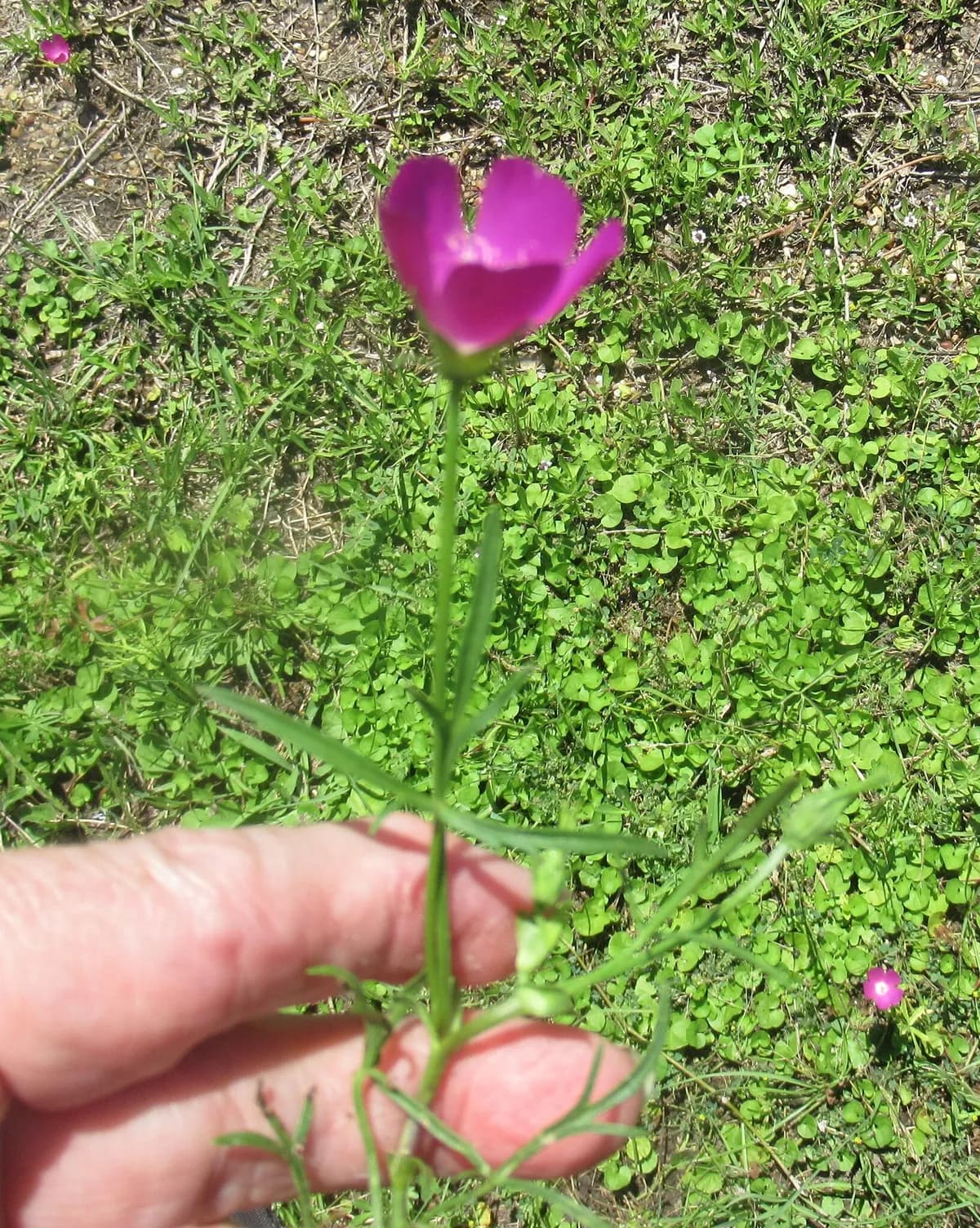
Light
full sun
Water
low
Size
6"–12" H × 18"–36" W
Bloom
Mar, Apr, May, Jun
Native to
Blackland Prairie, Edwards Plateau, High Plains
Pollinators
bees, butterflies
Picture natives in your own yard
Upload a photo of your yard and Patch Vision shows a rendering of it planted with natives for your region, like Winecup.


Browse plants for this ecoregion
Winecup is a perennial forb native to Blackland Prairie, Edwards Plateau, High Plains. It grows best in full sun with low water needs.
Winecup (Callirhoe involucrata) produces deep magenta cup-shaped flowers on sprawling stems from March through June. The color is intense, the bloom season reliable, and the drought tolerance remarkable once the long taproot is established. It is a true prairie native found across the Blackland Prairie and Edwards Plateau in disturbed soils and rocky pastures.
Winecup is not on the ASPCA Animal Poison Control Center toxic plant list for dogs or cats. The stems sprawl 1.5-3 feet wide while staying only 6-12 inches tall, which makes it a good front-of-bed ground cover or rock garden plant. Bees visit the open bowl-shaped flowers and collect pollen readily. The magenta color pairs well with the blues and purples of native salvias and verbenas.
Ecoregion notes for Texas. In the Blackland Prairie (DFW-Austin-San Antonio corridor, heavy clay): native and reliable if drainage is adequate. Plant on a slope or raised berm so water does not pool at the crown. The taproot can reach 2-3 feet deep in clay, which makes it hard to transplant once established; choose the location carefully. In the Edwards Plateau and Hill Country (alkaline limestone, rocky): also native; excellent in rock gardens and on slopes where other perennials struggle. In the High Plains (Lubbock, Amarillo, sandy loam): native; handles the wind and cold better than most Texas perennials.
Winecup goes fully dormant in July and August in most Texas locations. Mark the spot so you do not accidentally dig up the crown. It returns from the taproot in fall and overwinters as a low rosette before blooming in spring. Pair with Texas Bluebonnet for a spring combination that covers each other's gaps. For HOA contexts, the sprawling habit means one plant works in a defined bed; leave a 2-3 foot radius.
Bee species data compiled from GBIF, iNaturalist, Discover Life, and the USGS Native Bee Inventory and Monitoring Lab. Plant-pollinator associations informed by published ecological literature.
How to care for Winecup, by region
How to care for Winecup where it is actually grown: year-round basics plus what to do each season, region by region, with the sources for each.
Care guidance last updated: October 2026
Cross Timbers (includes Fort Worth, TX)
Year-round
This is Winecup, sometimes sold as Purple Poppymallow, and our database still lists it under the name Low Poppymallow. All three names mean the same plant, Callirhoe involucrata, which is native to Texas and is a larval host for the gray hairstreak butterfly. It grows from a small central crown and sends trailing stems out about 3 feet, so it behaves like a low groundcover rather than a tidy clump. Underneath, it builds a deep taproot, which is why it shrugs off Fort Worth heat once it settles in, and also why the spot you pick this week is permanent. A plant still in its pot moves fine, but an established one in the ground cannot be relocated. On Cross Timbers clay, drainage matters more than anything else you will do for it.
- Get it in the ground within a week or two. Pot-bound roots only get harder to settle.
- Choose the final spot now. Container stock plants fine, but once that taproot is down you cannot move it.
- Full sun is best, light afternoon shade is fine. Drainage beats everything.
- On heavy clay, plant on a slight mound or work in decomposed granite so water never stands over the crown.
- Set the crown level with the surrounding soil, never sunk below it. A buried crown rots.
- Leave 2 to 3 feet of open ground around it and skip thick wood mulch right over the crown.
Because it trails to about 3 feet, put in a real bed edge (steel, stone, or a cut trench) the same day you plant. That one decision is what keeps it reading as an intentional HOA-friendly groundcover rather than a plant running loose over the walk.
Fall
Fall is the second good window in Fort Worth, and for planting it is the better one. The soil is still warm, the heat has broken, and the taproot gets months to go down before next summer. If your plant went dormant in August, expect fresh low leaves after the first real September or October rain, and sometimes a scattering of late flowers. This is also the only sensible time to move a plant you regret placing, and only if it went in the ground this same year.
- Plant container stock from mid September through November. This is the best window of the year for it.
- If you must relocate a first year plant, do it now, and dig wide and deep to catch the whole taproot.
- Water new fall plantings about once a week until growth stops, then stop watering.
- Sweep fallen leaves off the crown so it does not sit wet all winter.
- To grow more, collect seed now and treat it before sowing. The seed coat needs scarification, such as a few seconds in hot water.
- Do not fertilize heading into winter.
Fall is the moment to reset the bed edge and trim back any stems that crossed a walkway over the summer, so the planting goes into winter looking deliberate.
Winter
Winter is the easy season. Winecup usually holds a low rosette of leaves through a Fort Worth winter and mostly just sits there. Hard freezes will knock the foliage back, and that is normal rather than damage you need to fix. The one real job is cutting the old trailing stems back to that crown rosette in late winter, before new spring growth starts. Standing water is still the thing to watch, because a cold wet crown in clay is the other way this plant dies.
- Cut the old trailing stems back to the low rosette in late January or February, before new growth pushes.
- Cut the stems only. Do not cut into the crown itself.
- Water almost never. Winter rain is enough unless we go two months bone dry.
- Turn off or redirect any irrigation zone that hits this bed over winter.
- After a hard freeze, leave the browned leaves alone and wait for the late winter cutback.
- Make sure blown leaves or mulch have not piled up on the crown.
The cutback leaves a bare spot for a few weeks, so if this bed faces the street, keep something evergreen next to it and the gap will not read as neglect.
Spring
Spring is when Winecup earns its spot. In North Texas the chalice-shaped magenta flowers start around late March and run into June, with the heaviest show in April and May. Our stored record said June through August, which is late for Fort Worth, because by August the plant is usually resting rather than blooming. The flowers open in the morning and close in the evening, so judge the display at midday. This is also a good window to get a potted plant into the ground, since spring rain helps the taproot reach down before the first run of 100 degree days.
- Plant potted stock now if you have not already. Water it in well, then every 3 or 4 days for the first month.
- Pinch off spent flowers about once a week to stretch the bloom.
- Do not fertilize. Rich soil gives you floppy stems and fewer flowers.
- Bees work these flowers hard, and it is a larval host for the gray hairstreak butterfly, so leave a little leaf chewing alone.
- After a wet stretch, watch for orange rust spots. Pull the worst leaves and give the plant more airflow rather than crowding it.
- Leave a few seed heads at the end of the run if you want it to fill in on its own.
Peak bloom is also peak sprawl, so run hand shears along the walkway or lawn line once in May to keep the trailing stems inside the bed.
Summer
This is the season that kills Winecup, and it is usually kindness that does it. In Fort Worth heat the plant often browns out and goes partly or fully dormant through July and August, which looks exactly like a plant dying of thirst. It is not. Heavy watering on a dormant plant sitting in clay rots the crown and the taproot, and there is no recovering from that. Back off instead, and when a real rain break arrives in September it usually pushes fresh leaves and sometimes a few late flowers.
- When it browns out in July or August, do not water it more. That is the single most common way people lose this plant.
- First year plants only: one deep soak every 10 to 14 days if we go three weeks with no rain. Established plants need nothing.
- Water at the soil line early in the morning, never overhead onto the crown.
- Leave the browned stems in place for now. Cutting them off does not help and can expose the crown.
- A soft or sour-smelling crown means rot from too much water, not heat. Stop watering entirely and let it dry out.
- Check that no sprinkler head, downspout, or AC condensate line is draining onto it.
A dormant Winecup reads as a dead patch from the street in August, so plan a neighbor in the same bed, a summer bloomer or a small evergreen clump, to carry the curb appeal while this one rests.
Sources: Lady Bird Johnson Wildflower Center, Callirhoe involucrata (Winecup), Texas Master Gardeners, Henderson County Plant Library: Winecup, Texas Tech Plant Resources, Callirhoe involucrata landscape info sheet, Native Gardeners (Fort Worth), Winecups product page, Native Plant Society of Texas, Callirhoe involucrata (goes dormant in summer without supplemental water)
East Central Texas Plains (includes College Station, TX)
Year-round
Winecups form a low mat of magenta flowers and want sun, with drainage the key to keeping them alive.
- Give it full sun, which means 6 or more hours a day.
- Plant it in well-drained soil. Wet soil, especially in winter, can cause crown rot.
- A long taproot helps it handle dry spells, but it is hard to move once established.
- It stays 6 to 12 inches tall and spreads up to 3 feet wide.
A low spreading mat works as a soft edge in a front bed. Keep it from creeping onto the walk.
Fall
Fall is a quiet time, and some tags mention a few fall flowers.
- Let the plant slow down.
- It self seeds, so look for baby plants.
- Keep soil from staying wet.
Winter
In winter, the big risk is wet soil around the crown.
- Good drainage matters most during wet winters.
- Avoid mulch piled against the crown.
- No watering or fertilizer is needed while it rests.
Spring
Spring is when the flowers start to open.
- Flowers begin in late spring.
- Water new plants regularly until the roots are in.
- Plant in spring or fall, because transplanting an established plant is hard.
Summer
Summer is bloom time, and it handles dry weather well.
- Flowers continue through summer.
- Water only if soil is dry for a long stretch.
- It may start dying back in late summer after blooming, so do not worry.
Sources: Callirhoe involucrata (NC State Extension Plant Toolbox)
Northeastern Coastal Zone (includes New York, NY)
Year-round
Winecup is a low, sprawling groundcover with magenta cup-shaped flowers that you already have growing. It is hardy in zones 4 to 8, which covers the New York City area, so the plant itself is winter-hardy here. Your whole job comes down to giving it full sun and very sharp drainage, since it hates the wet feet that the Northeast can bring.
- It grows a deep, woody taproot, so plant it in its permanent spot and avoid moving it. That taproot makes transplanting very difficult once established (Wisconsin Horticulture Extension).
- Water new plants their first season to root them, then stop routine watering. Established winecup is drought tolerant and is far more likely to rot from too much water than to suffer from too little.
- Give it the sunniest, best-draining spot you have. In heavier or damp soil, plant on a raised mound or amend with grit so water moves away from the crown and crown rot does not develop.
- Use a thin gravel mulch rather than thick wood mulch, which traps moisture against the crown. Let it self-sow for more plants, but pull unwanted seedlings while they are young since older ones resist moving.
Fall
Fall around New York City cools quickly and pushes winecup toward dormancy. This is the season to manage seeding and to make sure the crown heads into winter on the dry side.
- Leave a few spent flowers if you want it to self-sow, or clip them to prevent spread. Winecup self-sows in the right conditions, and young seedlings pull far more easily than older taprooted plants (Wisconsin Horticulture Extension).
- Stop any watering as nights cool so the plant can harden off before a Northeast winter.
- Keep gravel mulch loose and pulled slightly away from the crown so fall rain and melting snow drain off rather than pooling.
Clearing spent flowers and loose stems in fall gives the bed a groomed edge going into winter, which reads as intentional upkeep and lowers the chance of a neighbor flagging it as neglected.
Winter
Winecup goes fully dormant and disappears in a New York City winter. It is hardy to well below local lows, so cold is not the worry. Wet is. The task is keeping the dormant crown from sitting in soggy, freezing ground.
- Expect the plant to die back completely and vanish above ground, then re-emerge from the crown in spring (Wisconsin Horticulture Extension). Do not dig or replant the spot assuming it died.
- Do not water, and make sure snowmelt and winter rain drain away from the crown. A dormant crown in cold, wet soil is the main way this plant is lost.
- Cut any remaining brown stems flush to the ground once they die off, leaving a clean crown for spring.
Cutting the dead stems flush in winter leaves a neat, deliberate-looking bed instead of a patch of brown growth, which reads as intentional to neighbors and helps avoid an off-season violation letter.
Spring
Spring is when winecup re-emerges and starts its long bloom around New York City. This is the season to plant, to be patient with slow-warming soil, and to skip any feeding.
- Look for new growth rising from the crown as the soil warms, which can run later here than in the South. The plant dies back fully in winter and re-emerges from the crown in spring (Wisconsin Horticulture Extension), so an empty spot in early spring is normal.
- This is the best time to set new plants, once hard frost has passed, so roots settle before summer. Place them carefully, since the taproot makes later moves difficult.
- Do not fertilize. Winecup flowers best in lean soil, and rich feeding gives you floppy stems instead of blooms.
Summer
Summer around New York City brings warmth plus periodic heavy rain and humidity, which is the one time winecup can struggle. Your task is to keep it dry at the crown and tidy the sprawling mat.
- Do not add supplemental water to established plants. They are drought tolerant and thrive without extra watering (Wisconsin Horticulture Extension), and the real risk here is Northeast summer rain sitting around the crown, so make sure the spot drains fast.
- If stems get leggy or bloom slows by midsummer, shear the sprawling growth back lightly to neaten the mat and encourage a fresh flush of flowers.
- After heavy downpours, check that mulch and soil are not staying soggy against the crown, and pull it back if it is, to head off crown rot.
A light midsummer shear keeps the low mat looking groomed and intentional at the curb, which reads as deliberate landscaping and helps avoid a violation letter over a sprawling look.
Sources: Wisconsin Horticulture Extension Winecups, North Carolina Extension Gardener Plant Toolbox Callirhoe involucrata, ASPCA Toxic and Non-Toxic Plant List Cats
Northern Piedmont (includes Lancaster, PA)
Year-round
Purple poppy mallow is a trailing plant from the central U.S. with bright magenta cups. It wants full sun and very sharp drainage. Lancaster's wet, humid summers and soggy winters are hard on it, so success depends on a dry, raised spot.
- Needs full sun, 6 or more hours a day.
- Needs good drainage. Wet soil can cause crown rot.
- Wildflower Center notes rust in wet seasons and summer dormancy.
- Long taproot, so it does not like being moved once settled.
- Stays 6 to 12 inches tall and spreads up to 3 feet.
Trailing stems can flop onto walks, so give it room or trim the edges.
Fall
Plants may be resting or sparse in fall. It can seed itself where conditions suit it.
- Cut back dead stems if you like.
- Keep leaves off the crown.
- Do not fertilize.
- Let a few seed heads drop if you want new plants.
Winter
Wet winters are the biggest risk in Lancaster. Drainage decides whether it comes back.
- Do not mulch heavily over the crown.
- Make sure snowmelt and rain drain away from the plant.
- No watering is needed.
- If it rots, replant in a drier, raised spot next spring.
Spring
Spring is the right time to plant, as long as the spot drains well. Lancaster's wet springs are the first test.
- Plant in full sun on a slope, raised bed, or gravelly soil.
- Mix grit into heavy loam so water drains away.
- Water new plants lightly. Do not keep them soggy.
- Set it where you want it, because the taproot makes moving hard.
Summer
Flowers show from late spring into summer. Humid weather can bring rust, and plants may go dormant or thin out after blooming.
- Do not water during rainy stretches.
- In a long dry spell, water deeply but rarely.
- Remove old flowers to keep blooming longer.
- Cut back tired stems if rust or dieback appears, and expect it may look rough by late summer.
Sources: NC State Extension Plant Toolbox: Callirhoe involucrata, Lady Bird Johnson Wildflower Center: Callirhoe involucrata
Ouachita Mountains (includes Hot Springs, AR)
Year-round
Low Poppymallow is a low, sprawling groundcover for full sun with a tough taproot that lets it shrug off dry spells once it settles in.
- Give it full sun, at least six hours of direct light a day, and soil that drains well. Wet, heavy ground over winter is the main way this plant fails, through crown rot at the base.
- It stays under a foot tall but spreads flat along the ground to about three feet wide, so give it real room instead of tucking it between taller plants.
- The long taproot is what makes it drought tolerant once established, and it is also why the plant resents being dug up and moved after its first year in the ground.
- Magenta, cup shaped flowers open from mid-spring into fall. Deadheading spent blooms keeps new ones coming.
- It is a nectar source for bees and a larval host plant for the Gray Hairstreak butterfly, according to the Lady Bird Johnson Wildflower Center.
Fall
Bloom continues into fall until the first hard freeze, and fall pruning timing matters more than people expect.
- Flowering can continue into fall right up until the first hard freeze.
- Stop pruning by early September. Cutting the plant back later than that pushes out tender new growth that gets damaged by the season's first frosts.
- The plant self-seeds readily, so fall is a good time to let a few seed heads mature if you want it to spread on its own, or to deadhead them if you want to keep it contained.
- Let the plant die back naturally as it goes dormant rather than cutting it hard right before frost.
Stopping pruning by early September and letting the plant die back on its own schedule keeps the front bed looking settled and HOA-conscious heading into winter, instead of showing frost damaged fresh cuts.
Winter
Low Poppymallow goes fully dormant in winter and relies on its taproot to get through the cold, well within its hardiness range in Hot Springs.
- The plant dies back to its taproot for winter. Hot Springs sits in USDA hardiness zone 8a, comfortably within this species' listed hardiness range of zones 4a through 8b.
- Good drainage matters more than winter protection. The taproot is more likely to rot in cold, waterlogged soil than to be hurt by cold air alone.
- Leave dead winter foliage in place rather than cutting it back hard. Wait for new spring growth before pruning, so you can see what is actually dead.
- No mulch is usually needed at this hardiness zone, though a light layer over the crown does not hurt in a harder winter.
A low, dormant mat reads as tidy negative space in a winter front bed rather than tall dead stalks, a simple HOA-friendly look with no work required.
Spring
Spring is when Low Poppymallow wakes up from its taproot and puts out its first flush of bloom, and the best window to plant new starts before summer heat sets in.
- New growth comes up from the crown as the soil warms. This is the best time to plant new starts or divisions so roots can settle into cool, moist spring soil before summer heat arrives.
- First flowers open in mid to late spring and keep coming as the season goes on.
- Wait until you see new leaves before cutting back any ragged winter growth, so you are only removing what is actually dead.
- Water new plantings regularly through their first spring. Once established, this plant needs little extra water even in a dry spring.
A quick spring tidy of leftover winter foliage keeps the low mat looking intentional along a front walk or bed edge, an easy HOA-friendly task.
Summer
Established plants shrug off Hot Springs' hot, humid summers, and this is peak bloom season if you keep up with deadheading.
- Established plants handle summer heat and humidity without extra watering, drawing on the taproot for moisture.
- Deadhead spent flowers regularly through summer to keep new buds forming instead of letting the plant put energy into seed.
- After heavy summer thunderstorms, check that water is not pooling around the crown. Good drainage matters more in summer downpours than in dry spells.
- Some dieback in late summer after the main bloom push is normal for this species, not a sign of trouble.
Regular deadheading through summer keeps the bed looking tended rather than scraggly, an easy HOA-friendly habit for a front-yard planting.
Sources: NC State Extension Gardener Plant Toolbox: Callirhoe involucrata, Lady Bird Johnson Wildflower Center Native Plant Database: Callirhoe involucrata, University of Arkansas Division of Agriculture Extension: USDA hardiness zone update for Arkansas, Missouri Botanical Garden Plant Finder: Callirhoe involucrata
South Central Plains (includes Beaumont, TX)
Year-round
Purple poppy mallow is a low, sprawling perennial that likes full sun and tolerates drought. Beaumont's wet clay is the challenge, so plan for drainage.
- Give it full sun.
- It tolerates drought and shallow rocky soils, so avoid a spot where water stands.
- Stems spread about 3 feet wide and stay around 1 foot tall.
- Buy nursery-grown plants, since wild plants are hard to transplant.
The low mat of magenta flowers suits a bed edge or slope in a front yard.
Fall
Fall is a quiet time and a fine time for new plantings.
- Let plants rest with minimal watering once established.
- Give each plant room for its 3 foot spread.
- Place new plants in full sun.
Winter
Winter needs very little from you.
- Avoid watering in cool wet weather.
- Keep the spot free of standing water.
- Leave plants alone and watch for spring regrowth.
Spring
Spring is a good time to plant and let it settle in before summer.
- Plant from a nursery pot in full sun.
- Choose a spot that drains well and does not stay wet.
- Water new plants until established, then taper off.
Summer
Summer is bloom time, with flowers from May through August.
- Wine-red flowers about 1.5 to 2 inches wide appear.
- Established plants need little extra water.
- In humid wet weather, hold back on watering.
Sources: Missouri Department of Conservation - Purple Poppy Mallow
Texas Blackland Prairies (includes Dallas, TX)
Year-round
Winecup is a low, sprawling groundcover with cup-shaped magenta flowers. It is native to the Great Plains, which includes the Dallas area (Lady Bird Johnson Wildflower Center). Once its deep taproot is set, it takes the North Texas heat and clay with almost no help from you. The main job is giving it sharp drainage and resisting the urge to overwater.
- It grows a long, woody taproot, so set young plants in their final spot and do not move them. The taproot makes transplanting very hard once it is established (Wisconsin Horticulture Extension).
- Water new plants weekly for the first season to root them in. After that first year, skip supplemental water in normal weather, since established winecup is drought tolerant and rots in soggy ground.
- Give it full sun and well-drained soil. In heavy Blackland clay, plant on a slight mound or berm so water drains away from the crown and crown rot does not set in.
- A thin gravel or decomposed-granite mulch suits it better than thick wood mulch, which holds moisture against the crown. Let it self-sow if you want more, but pull unwanted seedlings while they are small since older ones resist moving.
Fall
Fall in North Texas brings cooler nights and sometimes a light second bloom. This is the season to decide how much seed you want and to start easing the plant toward dormancy.
- Leave a few spent flowers if you want the plant to self-sow, or clip them off to keep it from spreading. Winecup self-sows under the right conditions, and young seedlings are far easier to remove than older taprooted ones (Wisconsin Horticulture Extension).
- Cut back on any watering as temperatures drop, letting the plant harden off naturally before winter dormancy.
- Refresh a thin gravel mulch layer if it has thinned over the season, keeping it loose around the crown rather than piled against it.
Tidying spent flowers and stems in fall gives the bed a groomed edge going into winter, which reads as intentional upkeep and lowers the odds of an HOA-conscious neighbor flagging it as neglected.
Winter
Winecup goes fully dormant in winter around Dallas, disappearing to bare crown. Mild North Texas winters are easy on it, so the main task is leaving it alone and protecting the crown from wet.
- Expect the plant to die back completely and vanish above ground. It re-emerges from the crown in spring (Wisconsin Horticulture Extension), so do not dig or replace the spot thinking it is gone.
- Do not water in winter. A dormant crown sitting in cold, wet clay is the main way winecup is lost to rot, so keep the area on the dry side.
- You can cut any remaining dead stems flush to the ground once they brown out, which leaves a clean crown ready for spring.
Clipping the browned-out stems flush in winter leaves a neat, deliberate-looking bed instead of a patch of dead growth, which reads as intentional to neighbors and helps avoid an off-season violation letter.
Spring
Spring is when winecup wakes up and does most of its blooming in the Dallas area. This is the season to plant, feed lightly if at all, and enjoy the flush of magenta cups before summer heat arrives.
- Watch for new growth pushing up from the crown as the soil warms. The plant dies back fully in winter and re-emerges from the crown in spring (Wisconsin Horticulture Extension), so bare ground in March is normal, not a dead plant.
- This is the best window to add new plants, while spring rain helps roots settle before summer. Set them and leave them, since the taproot makes later moves difficult.
- Skip fertilizer. Winecup blooms well in lean soil, and rich feeding just makes floppy stems with fewer flowers.
Summer
Dallas summers are hot and dry, which is exactly what winecup was built for. Your main task is to hold back on water and let it coast through the heat.
- Once established, do not add supplemental water in a normal summer. These plants are drought tolerant and thrive in hot spots without extra watering (Wisconsin Horticulture Extension), and standing moisture in heat invites crown rot.
- If blooming slows and stems look tired by midsummer, you can shear the sprawling stems back lightly to tidy the mat and prompt a fresh flush when temperatures ease.
- Only water new first-year plants during a long dry stretch, and even then water the soil, not the crown, then let it dry out fully between waterings.
A light midsummer shear keeps the mat looking intentional and cared for at the curb, which reads as deliberate landscaping and helps avoid a violation letter over a sprawling, weedy look.
Sources: Lady Bird Johnson Wildflower Center Callirhoe involucrata, Wisconsin Horticulture Extension Winecups, ASPCA Toxic and Non-Toxic Plant List Cats
Western Corn Belt Plains (includes Des Moines, IA)
Year-round
Purple poppy mallow is a low, trailing prairie wildflower native to Iowa and much of the central Great Plains, according to the Lady Bird Johnson Wildflower Center. It thrives in full sun and well drained soil, and its deep taproot makes it very drought tolerant once established.
- Plant in full sun, at least six hours of direct light a day, per North Carolina State Extension.
- Choose a well drained spot. This plant tolerates clay, sandy, and rocky soils but struggles if water sits around the crown.
- Expect a low, spreading mat 6 to 12 inches tall and up to 3 feet wide, so give it room at the front of a bed.
- The long taproot makes established plants hard to move, so pick the final spot before planting.
- It does not appear on the ASPCA's toxic plant lists for dogs or cats, based on the lists currently published.
Fall
As the weather cools, purple poppy mallow slows down and its foliage starts to die back for the year. Fall is also a good window for starting new plants from seed.
- Collect and sow scarified seed in fall for plants next spring, per the Lady Bird Johnson Wildflower Center.
- Cut back dying foliage once it browns to keep the bed tidy for fall.
- Hold off on fall fertilizer. The plant is heading into dormancy and does not need the extra growth push.
- Avoid disturbing the root zone. The long taproot does not tolerate late season transplanting well.
A fall cutback of the browning foliage keeps the front bed looking neat as the season turns.
Winter
Purple poppy mallow goes fully dormant in winter, dying back to its taproot below ground. It handles Iowa winters without extra protection once it is established in the garden.
- Leave the dormant crown undisturbed. No mulch or winter cover is needed for an established planting.
- Keep winter soil on the dry side where you can. Soggy winter soil is the main risk to the taproot, per North Carolina State Extension.
- Use the dormant season to plan next year's layout, since the low mat will fill back in by late spring.
- If last fall's cutback did not happen, trim remaining dead stems now for a tidy winter look.
Trimming back dead stems keeps the bed looking intentional through winter instead of overgrown.
Spring
Spring is when purple poppy mallow starts its show, with cup shaped magenta flowers opening from mid spring into summer. New transplants need a bit of extra water while their taproot gets established.
- Plant nursery starts or direct sow scarified seed in spring once the soil has warmed, per the Lady Bird Johnson Wildflower Center.
- Water new plantings regularly for the first few weeks. Once rooted, this plant only needs occasional water.
- Watch for the first magenta blooms in mid to late spring.
- Skip heavy fertilizer. Rich soil encourages floppy growth instead of the plant's natural low mat.
- Check for rust spots on leaves during cool, wet spring weather and remove affected foliage.
Summer
Summer carries the main bloom season, with flowers opening continuously into the heat before some plants ease into a summer rest. Established plants handle Iowa's dry summer stretches well thanks to their deep taproot.
- Deadhead spent flowers to keep new buds coming through summer.
- Let the soil dry between waterings. Consistently wet soil in summer heat can lead to crown rot, per North Carolina State Extension.
- Do not be surprised if the plant thins out or goes dormant during the hottest weeks. New growth often returns after a good rain.
- Keep the trailing stems edged back from walkways as they spread during peak growth.
Deadheading through summer keeps the front bed looking tended without changing the plant's natural shape.
Sources: Lady Bird Johnson Wildflower Center, Callirhoe involucrata plant profile, NC State Extension Gardener Plant Toolbox, Callirhoe involucrata, ASPCA Toxic and Non-Toxic Plant List, dogs, ASPCA Toxic and Non-Toxic Plant List, cats
Western Gulf Coastal Plain (includes Houston, TX)
Year-round
On the Gulf Coast the one thing that decides whether winecup lives is drainage. It shrugs off heat, drought, and clay, but the crown rots if it sits in soggy ground after a heavy downpour. Plant it in full sun on a mound or raised bed instead of flat gumbo. Expect a strong spring bloom, a thin or dormant stretch in the worst of summer, then fresh growth with fall rain. Once the taproot is down it asks for very little.
- Give it full sun and ground that drains. Crown rot is the main failure in soils that stay wet (Missouri Botanical Garden).
- Plant on a mound or a bed raised 4 to 6 inches above the surrounding clay so water moves away from the crown (Missouri Botanical Garden).
- Space plants 18 to 24 inches apart. Stems trail along the ground and one plant spreads to about 3 feet wide while staying 6 to 12 inches tall (Lady Bird Johnson Wildflower Center).
- Water only to get it established. The long taproot carries mature plants through Gulf Coast dry spells on their own (Missouri Botanical Garden).
- Move it only while it is young. That same taproot makes established plants hard to transplant (Lady Bird Johnson Wildflower Center).
- It is native to Texas, and the Native Plant Society of Texas lists the Gulf Coast among the regions where it grows (Native Plant Society of Texas).
Winecup sprawls along the ground rather than standing upright, so it reads as a groundcover, not a tall meadow planting. Keeping a clean edge along walks and the drive is what makes it look intentional and HOA-friendly.
Fall
Fall is the best time to plant winecup on the Gulf Coast. The long mild autumn lets the taproot get down before next summer's heat, and cool rain does most of the watering for you. Plants that thinned out in July usually leaf back out now. October and November are also the window for sowing seed. Build the bed high and gritty before anything goes in the ground.
- Sow seed in fall. The seed coat needs scarifying to germinate, and seedlings usually flower in their second year (Lady Bird Johnson Wildflower Center).
- Scarify seed with a 5 to 10 second dip in boiling water, cool it right away, then press it into firm contact with the soil (Native Plant Society of Texas).
- Fall and winter are the window for moving a tuber or a young plant. Older plants with a long taproot do not move well (Lady Bird Johnson Wildflower Center).
- Before planting, work coarse material into heavy clay and raise the bed so the crown sits above grade. Poor drainage is what kills this plant (Missouri Botanical Garden).
- Look for fresh growth after autumn rain on plants that went quiet in summer (Lady Bird Johnson Wildflower Center).
Planting now means the mat has filled in by the spring bloom, so the bed looks established from the street instead of patchy through the first season.
Winter
Winter is the easy season for winecup in zone 9a. Mild Gulf Coast winters usually leave a low green rosette in place, and the occasional hard freeze is nothing to a plant rated for far colder country. The work now is tidying. Cut the old trailing stems back to the basal rosette so the bed looks kept, and make sure winter rain is draining away from the crown rather than pooling on it. Late winter is also the moment to take cuttings if you want more plants.
- Cut the plant back to its rosette in winter to clear out spent stems (Native Plant Society of Texas).
- Cold is not the limiting factor here. The species is rated to USDA zone 4, well beyond anything a Houston winter delivers (Missouri Botanical Garden).
- Take tip cuttings as early as February, before flower buds form (Lady Bird Johnson Wildflower Center).
- Check drainage after a cool wet spell. Soil that stays soggy around the crown in winter invites crown rot (Missouri Botanical Garden).
- Leave the bed lean. This plant is adapted to dry, rocky, low fertility ground, so it needs no winter feeding (Missouri Botanical Garden).
The winter cutback is the single thing that keeps a winecup planting from looking neglected in the off season, which matters most in a front yard where the bed is visible year round.
Spring
Spring is when winecup does its work here. Cup shaped magenta flowers open in the morning and close in the evening, running from March into June. Spring is also the wet season on the upper Texas coast, and wet weather is when rust shows up on the leaves. Water at the soil line instead of overhead, and pull weeds crowding the center so air can move through the mat. Pinching off spent flowers keeps the bloom going longer.
- Expect bloom from March through June in this part of Texas (Lady Bird Johnson Wildflower Center).
- Remove old flowers before they set seed to stretch the bloom period (Lady Bird Johnson Wildflower Center).
- Watch for rust on the leaves during a wet spring. Pick off affected leaves and keep water off the foliage (Lady Bird Johnson Wildflower Center).
- Skip fertilizer. This is a dry prairie plant that flowers well in lean, low fertility soil (Missouri Botanical Garden).
- After a 3 inch downpour, check that water is not standing over the crown. Re-mound soil or work in coarse grit if it is (Missouri Botanical Garden).
This is the season the planting looks its best from the street, so it is the right time to re-cut the bed edge and pull any trailing stems back off the sidewalk.
Summer
In a Houston summer winecup usually slows down or goes dormant, often through July and August. The leaves thin out and the plant looks spent. That is normal behavior, not thirst, and the worst response is to soak it in hot wet clay. Leave it be and new leaves push after a good rain or once nights ease off. Any flowers still open are feeding bees.
- Expect partial or full dormancy in July and August. New leaves return after good rain (Lady Bird Johnson Wildflower Center).
- Hold back on watering while it rests. Warm soil that stays wet around the crown is what brings on crown rot (Missouri Botanical Garden).
- If you water at all in a hard drought, soak deeply and rarely. The plant is rated for dry to medium moisture, so frequent shallow watering works against it (Missouri Botanical Garden).
- Keep mulch pulled back a few inches from the center of the plant so nothing holds water against the crown (Missouri Botanical Garden).
- Leave a dormant plant in the ground. The taproot is alive underground even when the top looks finished (Lady Bird Johnson Wildflower Center).
- Flowers that do open early in the season draw native bees, and the plant is listed as a host for the gray hairstreak butterfly (Xerces Society).
A dormant winecup leaves a thin patch in a front bed in midsummer. Setting a low evergreen or a small clumping grass beside it keeps the bed reading as finished while it rests.
Sources: Lady Bird Johnson Wildflower Center: Callirhoe involucrata (Winecup), Missouri Botanical Garden Plant Finder: Callirhoe involucrata, Native Plant Society of Texas: Callirhoe involucrata, Xerces Society: Pollinator Friendly Native Plant Lists
Before you buy
Your city may pay you to plant this
Cities and water utilities offer rebates for replacing lawn with native and water-wise plants. We track 459 programs across 44 states, each with a link to the provider and the date we last checked it.
Find rebates in your areaIf something looks wrong
Common plant problems, and what to check first
These come up on almost any plant. Each guide lists the likely causes in the order they are worth ruling out, with one thing to check before you act on any of them, and links to the source it came from.
- It is dying right after planting
- Leaves turning yellow
- Wilting even though I watered it
- Brown crispy leaf tips
- Bugs on the plant
Ready to grow Winecup? Add it to your garden in Pollinator Patch to track it and get season-by-season care guidance.