Limestone Meadow Sedge
Carex granularis
Last reviewed: September 2026
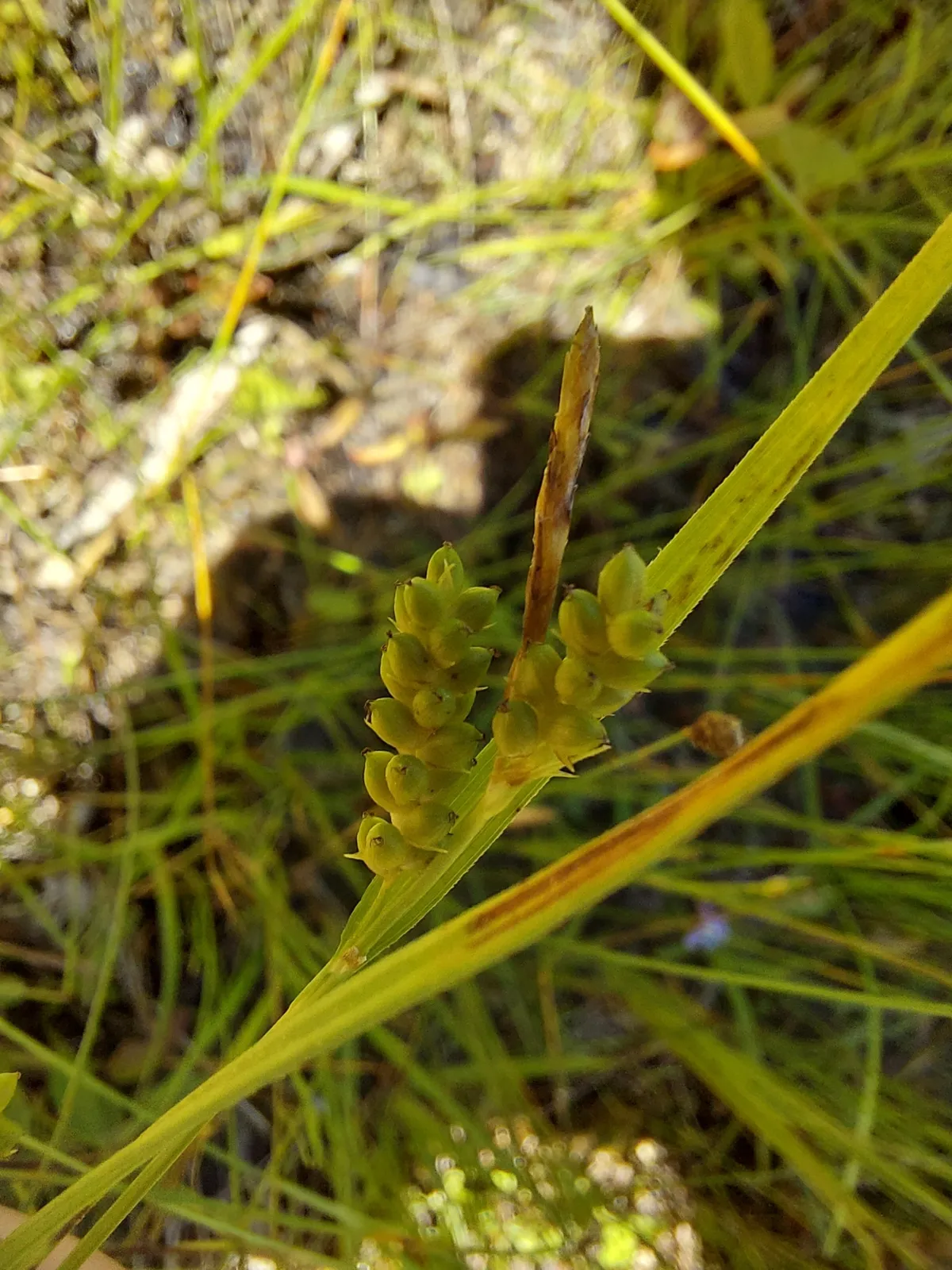
Carex granularis is a clump forming sedge that blooms from May through July and thrives in moist meadows, wet woodland edges, and seepy low ground with part sun to part shade.
Toxicity unknown
Limestone Meadow Sedge (Carex granularis) is not listed by the ASPCA Animal Poison Control Center (opens in new tab) or the other sources we check, so we have no verdict for it either way. Absence from those lists is not a clearance. If your pet shows symptoms after eating any plant, call the ASPCA at (888) 426-4435.
The USDA PLANTS Database (opens in new tab) does not flag Limestone Meadow Sedge as toxic to livestock.
Light
part sun
Water
medium
Size
8"–24" H × 6"–12" W
Bloom
May, Jun, Jul
Native to
AL, AR, CT, DE and 32 more states
Before you buy
Your city may pay you to plant this
Cities and water utilities offer rebates for replacing lawn with native and water-wise plants. We track 459 programs across 44 states, each with a link to the provider and the date we last checked it.
Find rebates in your areaPicture natives in your own yard
Upload a photo of your yard and Patch Vision shows a rendering of it planted with natives for your region, like Limestone Meadow Sedge.


Browse plants for this ecoregion
Limestone meadow sedge is a fine-textured native grass that forms neat, compact clumps with arching green foliage. It produces small, inconspicuous flowers in late spring through summer and thrives in partial sun with moderate moisture.
Growing Limestone Meadow Sedge
Grow Limestone Meadow Sedge in part sun and medium water. Mature plants reach 8 to 24 inches tall and spread 6 to 12 inches wide. Expect low maintenance to keep it looking intentional in a front yard.
How to care for Limestone Meadow Sedge, by region
How to care for Limestone Meadow Sedge where it is actually grown: year-round basics plus what to do each season, region by region, with the sources for each.
Care guidance last updated: September 2026
Mississippi Valley Loess Plains (includes Memphis, TN)
Year-round
Limestone Meadow Sedge is native to Tennessee and does well in Memphis yards with moist, clay or lime-rich soil and part shade to sun.
- Native to Tennessee statewide, per University of Tennessee Smart Yards and the Lady Bird Johnson Wildflower Center, so it is a solid pick for a Memphis native planting.
- Give it wet to medium moisture. It handles clay and calcareous (limestone-influenced) soil, which is common around Memphis, and tolerates a pH from slightly acid to alkaline.
- It takes full sun to full shade, so it fits under trees, along a shady foundation bed, or in a sunnier low spot that stays damp.
- Forms low, dense clumps one to two feet tall and spreads slowly by rhizomes and reseeding, so it fills in a bed without becoming aggressive.
- It is a cool season grower, most active in spring and fall, which lines up with Memphis's mild spring and fall and hot, humid summer.
Fall
Fall brings a second cool season growth spurt in Memphis, a good time to plant, divide, or just let the clump fill back in.
- As Memphis temperatures cool, this sedge picks growth back up, so fall is a strong window to plant new starts or divide an established clump.
- Keep soil evenly moist as it resumes growing. Fall rains are often enough, but check during any dry stretch.
- Leave the foliage standing through fall. There is no need to cut it back now, and the blue green to gray green blades still look tidy into the cooler months.
- Seed has usually finished by this point, so any self-sown seedlings nearby are easy to spot and thin if you want to keep the clump contained.
Winter
Winters in Memphis are mild enough that this sedge needs little care beyond a tidy-up if the clump looks rough.
- This species is winter hardy well north of Memphis, so a typical Memphis winter (USDA zone 7b to 8a) is easy for it to handle.
- Foliage may fade or flop in cold snaps. If it looks worn, cut the clump back to a few inches any time in late winter before spring growth starts.
- No winter watering is usually needed since the plant is dormant or semi-dormant and Memphis winters bring regular rain, but check soil if there is an extended dry, mild spell.
- No mulch or wrapping is needed for cold protection here. This is a hardy wet meadow native, not a tender ornamental.
A late winter cutback of tattered foliage keeps the bed looking neat before spring growth starts.
Spring
Spring is peak growth for this sedge in Memphis, with fresh green blades and flowering by May.
- This is a cool season sedge, so it puts on most of its new growth now while Memphis soil is still cool and moist.
- Keep the root zone damp. A wet spring is usually enough, but water during any dry stretch since this plant is a wet meadow species at heart.
- Flower and seed heads appear from May into June, small and grassy rather than showy, so no deadheading is needed for bloom.
- If old foliage looks tattered from winter, a light trim to a few inches now tidies the clump before new blades take over.
A quick spring trim of old foliage keeps the clump looking neat from the street without cutting into the plant's bloom.
Summer
Memphis summer heat and humidity slow this cool season sedge down, so the main job is keeping it from drying out.
- Growth naturally slows in the heat of a Memphis summer since this is a cool season plant. That is normal and not a sign of a problem.
- Because it is a wet to medium moisture species, watch for dry spells and water deeply rather than letting the soil go dry, especially in a sunnier spot.
- In full sun locations, expect more moisture stress than in part shade or shade, so a partly shaded bed is more forgiving through Memphis summers.
- No fertilizer is needed. This sedge is adapted to average to moist native soil, not rich feeding.
Sources: Tennessee Smart Yards: Carex granularis, Lady Bird Johnson Wildflower Center: Carex granularis, Prairie Moon Nursery: Carex granularis (Pale Sedge), Minnesota Wildflowers: Limestone Meadow Sedge
In an HOA neighborhood
Limestone Meadow Sedge is an HOA-friendly choice. Maintenance level: low. Tidiness: 4 out of 5.
Works well in: front yard, foundation, street edge, mid zone.
Wildlife value
This sedge provides nesting material and cover for small birds and beneficial insects. The seeds offer food for songbirds and small mammals in late summer and fall.
Common questions
- When does Limestone Meadow Sedge bloom?
- Carex granularis produces its inconspicuous greenish flower spikes from May through July, with seed heads maturing shortly after.
- What kind of light does Carex granularis need?
- This sedge grows best in part sun but tolerates conditions from full sun to part shade, especially where soil moisture stays consistent.
- How much water does this sedge require?
- Carex granularis prefers medium to consistently moist soil and can handle wetter sites such as low meadows, ditches, and seasonally flooded ground.
- Is Carex granularis good for a rain garden or wet meadow planting?
- Yes. Its tolerance for saturated to medium moisture soil makes it a practical choice for rain gardens, pond margins, and wet meadow restorations.
- Does Limestone Meadow Sedge stay green year round?
- No. It is deciduous, dying back in fall and sending up fresh grass-like foliage again in spring.
- Is Limestone Meadow Sedge toxic to livestock?
- The USDA PLANTS Database does not flag Limestone Meadow Sedge as toxic to livestock.
- Is Limestone Meadow Sedge HOA-friendly?
- Limestone Meadow Sedge is generally an HOA-friendly choice in the right placement, with low maintenance.
These answers were drafted with an AI model from this plant's data. Verify care details with a local expert.
Native range data from vouchered herbarium specimen records and regional native plant society lists. Pollinator and host plant associations compiled from GBIF, iNaturalist, and published ecological literature.
If something looks wrong
Common plant problems, and what to check first
These come up on almost any plant. Each guide lists the likely causes in the order they are worth ruling out, with one thing to check before you act on any of them, and links to the source it came from.
- It is dying right after planting
- Leaves turning yellow
- Wilting even though I watered it
- Brown crispy leaf tips
- Bugs on the plant
Ready to grow Limestone Meadow Sedge? Add it to your garden in Pollinator Patch to track it and get season-by-season care guidance.