Bushy Bluestem
Andropogon glomeratus
Last reviewed: September 2026
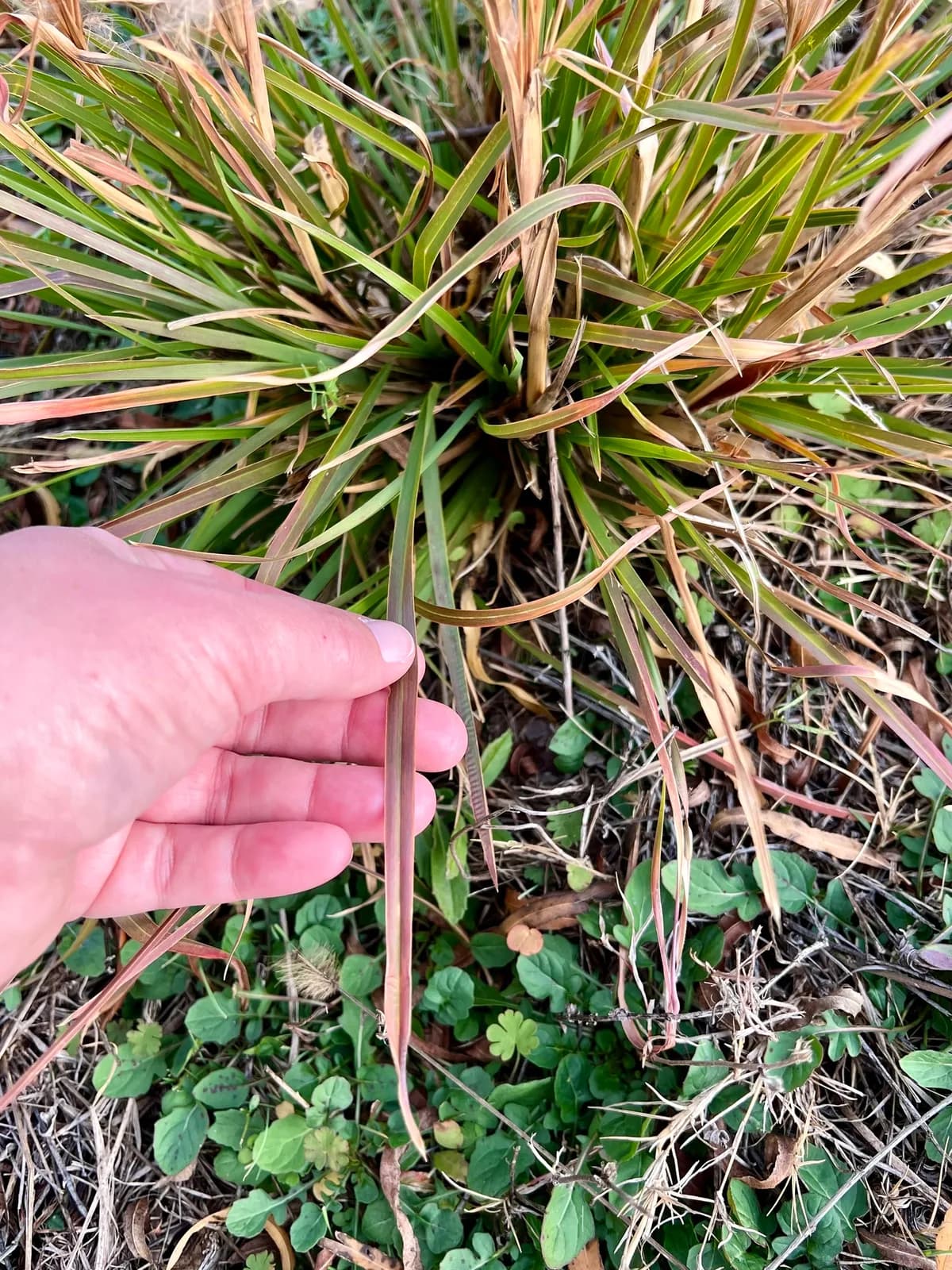
Bushy bluestem is a warm season bunchgrass that grows well in full sun and in soils ranging from consistently wet to fairly dry. It blooms from July through October with fluffy, silvery flower and seed heads on upright stems.
Toxicity unknown
Bushy Bluestem (Andropogon glomeratus) is not listed by the ASPCA Animal Poison Control Center (opens in new tab) or the other sources we check, so we have no verdict for it either way. Absence from those lists is not a clearance. If your pet shows symptoms after eating any plant, call the ASPCA at (888) 426-4435.
The USDA PLANTS Database (opens in new tab) does not flag Bushy Bluestem as toxic to livestock.
Light
full sun
Water
low
Size
24"–60" H × 12"–36" W
Bloom
Jul, Aug, Sep, Oct
Native to
AL, AR, AZ, CA and 33 more states
Pollinators
bees, butterflies, moths
Before you buy
Your city may pay you to plant this
Cities and water utilities offer rebates for replacing lawn with native and water-wise plants. We track 452 programs across 44 states, each with a link to the provider and the date we last checked it.
Find rebates in your areaBrowse plants for this ecoregion
Broomsedge is a native warm-season grass that forms upright clumps with feathery seed heads in late summer and fall. It provides excellent texture and movement in the landscape, turning attractive bronze colors in autumn and winter. This drought-tolerant grass thrives in poor soils where other plants struggle.
Growing Bushy Bluestem
Grow Bushy Bluestem in full sun and low water. Mature plants reach 24 to 60 inches tall and spread 12 to 36 inches wide. Expect low maintenance to keep it looking intentional in a front yard.
How to care for Bushy Bluestem, by region
How to care for Bushy Bluestem where it is actually grown: year-round basics plus what to do each season, region by region, with the sources for each.
Care guidance last updated: September 2026
Cross Timbers (includes Fort Worth, TX)
Year-round
This grass is Bushy Bluestem (Andropogon glomeratus). Some tags and nurseries call it Broomsedge, but in the trade that name usually means a different grass, Andropogon virginicus, so go by the scientific name to be sure you have the right plant.
- Give it full sun, at least 6 hours of direct light a day. In shade it grows thin and flops over.
- Do not treat this as a dry soil grass. In the wild it grows in ditches, seeps and pond edges, so it wants soil that stays consistently moist, and it puts up with poor drainage that would rot most plants.
- That makes the wet spot your best spot: a downspout outfall, the low bottom of a swale, or the soggy corner where nothing else is happy. In heavy black clay it is right at home because it handles slow drainage. In the sandier soils west of the metro the water runs through faster, so plan on watering more often, especially the first summer.
- Give it room. One clump fills about 3 feet across and can reach 2 to 5 feet tall, and tall clumps lean once the seed heads get heavy, so space plants about 3 feet apart and keep it out of narrow entry beds.
- It is native to Texas and much of the eastern United States. The seed feeds birds and small mammals, and it is a larval host plant for some skipper and satyr butterflies. The USDA plant guide records no known toxicity to livestock or horses.
The winter form of this grass reads shaggy, so placement is the real design decision. Used as a repeated group of three or more, or planted in a rain garden where a soft plant clearly belongs, and framed with a clean bed edge, it reads as an intentional, HOA-friendly planting instead of something that got away from you.
Fall
Fall is the payoff. Fluffy silver seed heads show up from roughly August into November and the foliage turns coppery orange. First frost is around mid November.
- Leave the seed heads standing. They are the reason to grow this plant, and birds and small mammals eat the seed through the cold months.
- Autumn storms usually handle the watering, but in a dry October give it a deep soak once a week so it heads into winter with moist roots.
- September through November is a good window to plant or divide it, and it is the better window for any shrub or small tree you plant alongside it.
- If it reseeded more than you wanted last year, snip the seed heads off in October before they shatter. That cuts next spring's weeding way down.
- Do not cut the clump to the ground in fall. The copper color and the standing stems keep working for months yet.
If a loose fall clump worries you, the answer is framing rather than cutting. A crisp bed edge, fresh mulch, and a repeated group of three or more plants make the copper clump read as a deliberate seasonal feature, which is the HOA-friendly way to carry this grass through fall.
Winter
The clump goes brown and dormant, holding an upright coppery shape before it eventually collapses. Winters here are mild with short hard freezes, and this grass sails through them.
- Do nothing for cold protection. This species is native from the Gulf Coast north to New England, so a North Texas winter, including a severe Arctic outbreak, does not bother the roots.
- Leave the dry clump standing through December and January. It gives the bed some structure, and birds work the seed and use the old stems as nesting material.
- Cut the whole clump back to 4 to 6 inches in late February, before new green growth starts. Tie the clump with twine first and it comes off in one neat bundle with hedge shears or loppers.
- Winter dormancy is the time to divide an overgrown clump. Slice it with a sharp spade into pieces at least the size of a dinner plate and replant right away.
- In a dry winter, water once a month. This grass never really likes bone dry soil, even asleep.
This is the season the plant looks its worst, so it is the season to be deliberate. If the planting sits back from the street or is massed, leaving it up all winter looks fine. If it fronts the sidewalk, cut it early and edge the bed so the short stubble reads as maintenance that got done, not a plant that died.
Spring
Spring is both the planting window and the wake up. Last frost in North Texas lands around mid March, and after that the clump pushes fresh blue green blades from the base.
- If last year's clump is still standing, cut it down to 4 to 6 inches in late February or early March, before the new green shoots come up. Cutting after they appear leaves brown stubs sticking through all season.
- Plant new plants from mid March through April so the roots get going before the heat arrives.
- In heavy black clay, set the crown slightly high on a low mound so it is not sitting in standing water right at the base. In sandier soil, plant level and put 2 to 3 inches of mulch over the roots to hold moisture in.
- Water a brand new plant deeply about twice a week through spring unless a storm does it for you. Established clumps usually get everything they need from spring rain.
- Pull seedlings you did not plant while they are small. This grass reseeds freely and spring is the easiest time to edit it.
Spring is when neighbors form their opinion of a bed for the year. Getting the old growth off before the new blades appear, then cutting a crisp edge around the planting, is what makes a loose grass read as intentional and HOA-friendly out front.
Summer
July and August are the hard season here. 100F afternoons and weeks with no rain are when new plantings die, and this grass wants more water than most natives do.
- Water a first year plant deeply once or twice a week all the way through July and August, roughly an inch of water at the base each time, early in the morning.
- If blades curl or the tips go straw colored, that is thirst, not too much water. Soak it and check again in a few days.
- Keep 2 to 3 inches of mulch over the root zone, pulled back about an inch from the crown, so the soil holds moisture through the dry weeks.
- Skip the fertilizer. Extra nitrogen makes this grass tall, soft and much more likely to fall over.
- Leave the foliage alone now. Flower stems start rising in late summer, so a summer haircut removes the whole show before it happens.
Sources: Lady Bird Johnson Wildflower Center, Andropogon glomeratus (Bushy bluestem), USDA NRCS Plant Guide, Andropogon glomeratus (bushy beardgrass), Denton County Master Gardener Association (Texas A&M AgriLife Extension), Monthly Gardening Tips
Mississippi Valley Loess Plains (includes Memphis, TN)
Year-round
Bushy bluestem is a native bunchgrass that wants a wet spot, not a dry bed, and it is one of the better choices for a low corner, ditch edge, or rain garden in the Memphis area.
- Plant it in full sun to part sun, in a spot that stays moist to wet. A dry, well drained bed will not give it what it needs.
- It tolerates clay soil and short periods of standing water, and it handles Memphis heat and humidity well once it is established.
- It is native to Tennessee, including the wetter low ground around the Memphis area, and its seeds and cover support birds through fall and winter.
- The fluffy white to silvery seed heads show up in late summer and stay through winter, which is part of why birds rely on it.
- It can grow several feet tall and reseeds on its own, so it works better in a larger bed than a tight spot right along the front walk.
- Keep the dried clump a few feet clear of the house wall, since dry standing grass foliage can catch fire easily.
Fall
Fall is the showiest season. The seed heads open into fluffy white plumes and the leaves turn copper orange.
- Flower and seed heads appear from late summer into November, opening into a soft silvery white plume that an early Memphis frost does not damage right away.
- Foliage shifts from blue green to a warm copper orange. That is part of the display, not a sign of trouble.
- Songbirds and small mammals feed on the ripening seed through fall.
- Leave the plumes and stems standing rather than cutting back now. A fall cutback removes the winter food source and the main seasonal show.
Leaving the seed heads up through fall reads as an intentional planting rather than an unmown patch, especially if the bed edge stays clean, which keeps it HOA-friendly.
Winter
Winter is a do nothing season for this grass. Leave it standing and let it feed the birds.
- The dry stems and pale seed heads stay upright through a typical Memphis winter and keep feeding birds when other food is scarce.
- No watering or feeding needed while it is dormant.
- Keep the dried clump a few feet clear of the house or any structure, since dry ornamental grass foliage burns easily.
- Save the cutback for late winter or very early spring, right before new growth starts, not now.
Standing dormant grass can read as untended to a passerby, so keeping the clump edged and the bed mulched through winter signals it is a deliberate planting, which is HOA-friendly.
Spring
Spring in Memphis is wet and this is the last window to cut back last year's growth before new blades come up.
- Cut old stems back to a few inches before new growth starts, generally by early to mid March in the Memphis area, so the plant is not pushing through a mat of dead top growth.
- Wait until late winter or early spring to do this cutback rather than doing it in fall, since the standing seed heads feed birds through the cold months.
- New blue green blades come up slowly at first. This grass does not really take off until the soil warms later in spring.
- A wet Memphis spring is normal for this plant and will not cause problems the way it would for a drought tolerant species. Keep the spot consistently moist.
A tidy early spring cutback, trimmed to a few inches and edged, keeps the bed looking intentional and HOA-friendly before new growth fills in.
Summer
Summer is peak growth. Keep the soil from drying out and this grass fills in fast in Memphis heat.
- Full sun and steady moisture are what it wants most. This is not a drought plant, so a dry summer stretch without rain means it needs a drink, especially in its first year.
- Established clumps handle Memphis summer heat and humidity well.
- It gets taller through summer and can flop over in wind or heavy rain if it dries out and the stems weaken. Even moisture helps it stand up straight.
- The foliage supports skipper and satyr butterfly caterpillars over the growing season, which is part of what makes it useful for wildlife beyond the fall seed heads.
- No pruning needed in summer. Just water during dry spells and let it grow.
Sources: Lady Bird Johnson Wildflower Center: Andropogon glomeratus, Tennessee-Kentucky Plant Atlas: Andropogon glomeratus, NC State Extension Plant Toolbox: Andropogon glomeratus, USDA NRCS Plant Guide: Bushy Beardgrass, Tennessee Smart Yards (University of Tennessee Extension): Andropogon glomeratus
Ouachita Mountains (includes Hot Springs, AR)
Year-round
Bushy bluestem is a clump-forming warm season grass that wants consistently moist to wet soil, which makes it a natural fit for a low, soggy spot or a small rain garden in a Hot Springs yard.
- Give it full sun. It needs strong light to stay upright and to bloom well, and it struggles in shade.
- Plant it in soil that stays damp to wet. It tolerates clay, loam, or sandy soil and does fine with poor drainage, so a soggy corner of the yard is not a problem here.
- Expect a clump 2 to 5 feet tall and 2 to 3 feet wide at maturity. Space plants about 2 to 3 feet apart so they have room to fill out.
- Flowering stems rise above the foliage from late summer into fall, topped with fluffy silvery white seed clusters.
- It serves as a larval host plant for several skipper and satyr butterflies, according to the Lady Bird Johnson Wildflower Center.
Fall
Fall is the showiest season. Flowering stems top out with fluffy seed heads and the foliage shifts to warm copper tones.
- Bloom runs from around August into November, per the Lady Bird Johnson Wildflower Center, with fluffy silvery white to pale pink seed clusters at the top of each stem.
- Leaf blades take on warm copper and bronze tones in fall and hold that color well into the dormant months.
- Skip deadheading. The seed heads are the fall display, and they also feed birds through the colder months.
- Do not cut it back now. Hot Springs averages its first fall frost around October 24, and the stems should stay standing through winter rather than being cut back after that.
The upright, clump-forming habit keeps the seed heads looking like an intentional planting instead of an unmown patch, which fits an HOA-conscious front yard.
Winter
Winter is dormant season. Leave the dried stems and seed heads standing for winter interest and cold season food and cover for wildlife.
- The clump goes fully dormant and turns tan to copper for winter. Do not cut it back now. Wait until late winter or early spring, right before new growth starts.
- Hot Springs sits in USDA hardiness zone 8a, so this grass has no trouble surviving a typical local winter once it is established.
- Standing seed heads and stems give small birds like juncos and sparrows a source of winter food and cover, according to the Lady Bird Johnson Wildflower Center.
- In a wet winter, the soil around it can stay saturated without trouble since the plant is built for wet ground.
A single upright clump of tan winter stems reads as a deliberate planting rather than something that needs mowing, keeping a dormant bed HOA-friendly through winter.
Spring
Spring is cutback and green up season. Cut back old growth before new blades emerge, then let the clump leaf out as the ground warms.
- Cut the dried stems down to about 4 to 6 inches before new growth starts. In the Hot Springs area, aim to finish by mid to late March, ahead of the average last spring frost of around April 10.
- New blue green blades push up through April and May as the soil warms.
- Water new divisions or transplants regularly through their first spring. An established clump sitting in a naturally wet spot needs little extra help.
- Spring, right before new growth starts, is also a good time to divide a clump that has outgrown its spot.
A tidy late winter to early spring cutback keeps the bed looking cared for, which reads as HOA-friendly rather than a patch of leftover dead grass.
Summer
Summer is the main growing season. The grass handles Hot Springs heat and humidity easily as long as its roots stay in consistently moist soil.
- Hot Springs summers regularly climb into the 90s with high humidity, and this grass is built for exactly that kind of wet, warm weather since it grows naturally in swales, ditches, and low wet ground.
- If it is not planted in a naturally soggy spot, water deeply during dry stretches so the soil does not dry out for long. It performs best when it never fully dries.
- Skip the fertilizer. Rich soil tends to push floppy, weak growth instead of the upright habit that keeps it looking neat.
- It holds its upright shape through summer storms without staking.
Sources: Lady Bird Johnson Wildflower Center: Andropogon glomeratus plant profile, University of Arkansas Cooperative Extension: 2023 USDA hardiness zone update for Arkansas, National Weather Service Little Rock: frost and freeze dates for Hot Springs, Garland County
Texas Blackland Prairies (includes Dallas, TX)
Year-round
This grass is Bushy Bluestem (Andropogon glomeratus). Some tags and nurseries call it Broomsedge, but in the trade that name usually means a different grass, Andropogon virginicus, so go by the scientific name to be sure you have the right plant.
- Give it full sun, at least 6 hours of direct light a day. In shade it grows thin and flops over.
- Do not treat this as a dry soil grass. In the wild it grows in ditches, seeps and pond edges, so it wants soil that stays consistently moist, and it puts up with poor drainage that would rot most plants.
- That makes the wet spot your best spot: a downspout outfall, the low bottom of a swale, or the soggy corner where nothing else is happy. In heavy black clay it is right at home because it handles slow drainage. In the sandier soils west of the metro the water runs through faster, so plan on watering more often, especially the first summer.
- Give it room. One clump fills about 3 feet across and can reach 2 to 5 feet tall, and tall clumps lean once the seed heads get heavy, so space plants about 3 feet apart and keep it out of narrow entry beds.
- It is native to Texas and much of the eastern United States. The seed feeds birds and small mammals, and it is a larval host plant for some skipper and satyr butterflies. The USDA plant guide records no known toxicity to livestock or horses.
The winter form of this grass reads shaggy, so placement is the real design decision. Used as a repeated group of three or more, or planted in a rain garden where a soft plant clearly belongs, and framed with a clean bed edge, it reads as an intentional, HOA-friendly planting instead of something that got away from you.
Fall
Fall is the payoff. Fluffy silver seed heads show up from roughly August into November and the foliage turns coppery orange. First frost is around mid November.
- Leave the seed heads standing. They are the reason to grow this plant, and birds and small mammals eat the seed through the cold months.
- Autumn storms usually handle the watering, but in a dry October give it a deep soak once a week so it heads into winter with moist roots.
- September through November is a good window to plant or divide it, and it is the better window for any shrub or small tree you plant alongside it.
- If it reseeded more than you wanted last year, snip the seed heads off in October before they shatter. That cuts next spring's weeding way down.
- Do not cut the clump to the ground in fall. The copper color and the standing stems keep working for months yet.
If a loose fall clump worries you, the answer is framing rather than cutting. A crisp bed edge, fresh mulch, and a repeated group of three or more plants make the copper clump read as a deliberate seasonal feature, which is the HOA-friendly way to carry this grass through fall.
Winter
The clump goes brown and dormant, holding an upright coppery shape before it eventually collapses. Winters here are mild with short hard freezes, and this grass sails through them.
- Do nothing for cold protection. This species is native from the Gulf Coast north to New England, so a North Texas winter, including a severe Arctic outbreak, does not bother the roots.
- Leave the dry clump standing through December and January. It gives the bed some structure, and birds work the seed and use the old stems as nesting material.
- Cut the whole clump back to 4 to 6 inches in late February, before new green growth starts. Tie the clump with twine first and it comes off in one neat bundle with hedge shears or loppers.
- Winter dormancy is the time to divide an overgrown clump. Slice it with a sharp spade into pieces at least the size of a dinner plate and replant right away.
- In a dry winter, water once a month. This grass never really likes bone dry soil, even asleep.
This is the season the plant looks its worst, so it is the season to be deliberate. If the planting sits back from the street or is massed, leaving it up all winter looks fine. If it fronts the sidewalk, cut it early and edge the bed so the short stubble reads as maintenance that got done, not a plant that died.
Spring
Spring is both the planting window and the wake up. Last frost in North Texas lands around mid March, and after that the clump pushes fresh blue green blades from the base.
- If last year's clump is still standing, cut it down to 4 to 6 inches in late February or early March, before the new green shoots come up. Cutting after they appear leaves brown stubs sticking through all season.
- Plant new plants from mid March through April so the roots get going before the heat arrives.
- In heavy black clay, set the crown slightly high on a low mound so it is not sitting in standing water right at the base. In sandier soil, plant level and put 2 to 3 inches of mulch over the roots to hold moisture in.
- Water a brand new plant deeply about twice a week through spring unless a storm does it for you. Established clumps usually get everything they need from spring rain.
- Pull seedlings you did not plant while they are small. This grass reseeds freely and spring is the easiest time to edit it.
Spring is when neighbors form their opinion of a bed for the year. Getting the old growth off before the new blades appear, then cutting a crisp edge around the planting, is what makes a loose grass read as intentional and HOA-friendly out front.
Summer
July and August are the hard season here. 100F afternoons and weeks with no rain are when new plantings die, and this grass wants more water than most natives do.
- Water a first year plant deeply once or twice a week all the way through July and August, roughly an inch of water at the base each time, early in the morning.
- If blades curl or the tips go straw colored, that is thirst, not too much water. Soak it and check again in a few days.
- Keep 2 to 3 inches of mulch over the root zone, pulled back about an inch from the crown, so the soil holds moisture through the dry weeks.
- Skip the fertilizer. Extra nitrogen makes this grass tall, soft and much more likely to fall over.
- Leave the foliage alone now. Flower stems start rising in late summer, so a summer haircut removes the whole show before it happens.
Sources: Lady Bird Johnson Wildflower Center, Andropogon glomeratus (Bushy bluestem), USDA NRCS Plant Guide, Andropogon glomeratus (bushy beardgrass), Denton County Master Gardener Association (Texas A&M AgriLife Extension), Monthly Gardening Tips
Want these tasks as reminders timed to your yard? Pollinator Patch turns this guidance into a season-by-season care plan for the plants you actually grow.
In an HOA neighborhood
Bushy Bluestem takes more care to keep looking intentional in a front yard. Maintenance level: low. Consider it for backyard or mid-zone beds rather than the street edge.
Works well in: backyard only.
- Can appear weedy and unkempt, especially when dormant
- May be mistaken for invasive grasses by neighbors
- Informal appearance doesn't suit traditional landscaping expectations
Wildlife value
The fluffy seed heads attract various pollinators including bees, butterflies, and moths during its long bloom period. Seeds provide food for birds, and the dense clumps offer nesting sites and winter shelter for small wildlife.
Common questions
- When does Andropogon glomeratus bloom?
- Bushy bluestem typically flowers from July into October, producing distinctive bushy, silvery white seed clusters at the top of each stem.
- What growing conditions does bushy bluestem need?
- It grows best in full sun and adapts to a wide range of soil moisture, from wet ditches and low meadows to drier upland ground, which makes it useful in rain gardens and along pond or stream edges.
- Does bushy bluestem support pollinators or wildlife?
- The grass provides shelter and structure that bees, butterflies, and moths use for nesting and cover, and its seed heads offer food for birds through fall and winter.
- Is bushy bluestem evergreen?
- No. It is a deciduous, warm season grass that greens up in spring, blooms in summer and fall, and dies back to tan or copper colored foliage after frost.
- Is Bushy Bluestem toxic to livestock?
- The USDA PLANTS Database does not flag Bushy Bluestem as toxic to livestock.
- Is Bushy Bluestem HOA-friendly?
- Bushy Bluestem takes more care to look intentional in a front yard. Consider it for backyard or mid-zone beds rather than the street edge.
These answers were drafted with an AI model from this plant's data. Verify care details with a local expert.
Native range data from the World Checklist of Vascular Plants (Kew). Pollinator and host plant associations compiled from GBIF, iNaturalist, and published ecological literature.
If something looks wrong
Common plant problems, and what to check first
These come up on almost any plant. Each guide lists the likely causes in the order they are worth ruling out, with one thing to check before you act on any of them, and links to the source it came from.
- It is dying right after planting
- Leaves turning yellow
- Wilting even though I watered it
- Brown crispy leaf tips
- Bugs on the plant
Ready to grow Bushy Bluestem? Add it to your garden in Pollinator Patch to track it and get season-by-season care guidance.
Planning a bed around it? Start a free plan with this plant
Not sure where to start? Take the 2-minute yard quiz