Engelmann's Daisy
Engelmannia peristenia
Last reviewed: October 2026
Engelmann's Daisy is a sun loving prairie forb that blooms from March through August across the southern and central Great Plains, tolerating medium to low water once established.
Toxicity unknown
Engelmann's Daisy (Engelmannia peristenia) is not listed by the ASPCA Animal Poison Control Center (opens in new tab) or the other sources we check, so we have no verdict for it either way. Absence from those lists is not a clearance. If your pet shows symptoms after eating any plant, call the ASPCA at (888) 426-4435.
The USDA PLANTS Database (opens in new tab) does not flag Engelmann's Daisy as toxic to livestock.
Light
full sun
Water
medium
Size
18"–42" H × 12"–24" W
Bloom
Mar, Apr, May, Jun, Jul, Aug
Native to
AR, AZ, CO, KS and 6 more states
Pollinators
butterflies, bees
Before you buy
Your city may pay you to plant this
Cities and water utilities offer rebates for replacing lawn with native and water-wise plants. We track 459 programs across 44 states, each with a link to the provider and the date we last checked it.
Find rebates in your areaPicture natives in your own yard
Upload a photo of your yard and Patch Vision shows a rendering of it planted with natives for your region, like Engelmann's Daisy.


Browse plants for this ecoregion
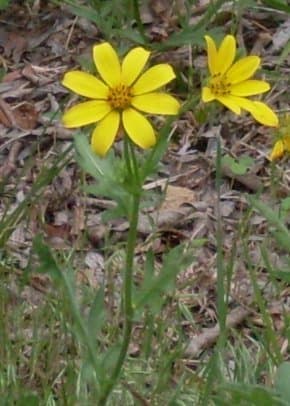
Engelmann's Daisy produces cheerful yellow blooms from spring through summer on sturdy stems that reach up to 3.5 feet tall. This native Texas perennial forms neat clumps and maintains some foliage through winter, making it a reliable garden performer.
Growing Engelmann's Daisy
Grow Engelmann's Daisy in full sun and medium water. Mature plants reach 18 to 42 inches tall and spread 12 to 24 inches wide. Expect low maintenance to keep it looking intentional in a front yard.
How to care for Engelmann's Daisy, by region
How to care for Engelmann's Daisy where it is actually grown: year-round basics plus what to do each season, region by region, with the sources for each.
Care guidance last updated: July 2026
Cross Timbers (includes Fort Worth, TX)
Year-round
Engelmann's daisy is a tough, low-care perennial for the Fort Worth area. It wants full sun and soil that drains well, and once its deep taproot is settled it needs almost no fuss. Water deeply but rarely, skip the rich fertilizer, and leave the seed heads and dry foliage standing over winter for the birds.
- Establishment: water a new plant deeply about once a week for the first spring or summer so the long taproot digs in, then back off.
- Watering once established: soak deeply and let the soil dry out between waterings. It blooms even in drought, so overwatering is the main way to kill it.
- Mulch: a thin gravel or shredded-bark mulch keeps roots cool and holds moisture, but keep it pulled back from the leafy crown so the rosette does not rot.
- Common mistake: do not shear it to the ground in fall. Beneficial insects overwinter in the dry stems and finches eat the seeds, so wait for spring.
Fall
In the Fort Worth area, fall can bring a second round of yellow flowers if you cut the plant back in late summer. Sparrows and finches feed on the seeds now, so resist the urge to tidy it fully. A little deadheading keeps the front-yard look neat without stripping the food source.
- Enjoy the fall rebloom if you trimmed it in late summer. Light supplemental water extends this flush if the fall is dry.
- Leave most of the seed heads standing. Sparrows and finches favor Engelmann's daisy seed in fall.
- Deadhead just the front-facing spent blooms so the planting still reads as tended from the sidewalk.
A quick pass of deadheading on the street-facing flowers keeps the bed reading as intentional and tended so it avoids a violation letter, while you leave the interior seed heads for the birds.
Winter
Engelmann's daisy holds an evergreen rosette of leaves through mild Fort Worth winters, so it never fully disappears. Leave the dry stems standing rather than cutting them down. Overwintering insects shelter in them and the plant needs little to no water in the cool months.
- Do not cut the plant to the ground in winter. Beneficial insects overwinter in the dry foliage, so wait until spring shoots appear.
- Little or no watering is needed while the plant is dormant and the weather is cool and damp.
- If a hard freeze browns the top growth, leave it in place as a natural mulch over the evergreen crown until spring cleanup.
If the standing dry stems read as untidy to your HOA, a low border edge or a small tidy-up of the outer clump keeps the winter silhouette looking intentional so it avoids a violation letter, while the interior stems still shelter overwintering insects.
Spring
Spring is the main show for Engelmann's daisy in the Fort Worth area, with yellow bloom stretching from spring into early summer. Clean up last year's growth now and give a little water only if the spring is unusually dry.
- Once new green shoots push from the crown, shear off the old dry stems from last year to make room for fresh growth.
- If March and April are dry, a deep soak now helps extend the flowering period. In a normal wet spring, let the rain do the work.
- Deadhead a few spent flowers through the season to keep bloom coming, but leave some to set seed if you want it to spread.
Summer
Fort Worth summers are hot and dry, and Engelmann's daisy handles it well. The ray petals curl down in the midday heat to save moisture, which is normal. If you want a second flush of flowers, cut it back in late summer.
- Water deeply only when the plant looks stressed or the soil is bone dry. It is built for drought and rots if kept wet in heat.
- For a fall rebloom, trim the stems back by about one third after the first flush of flowers fades in late summer.
- Do not be alarmed when the petals fold downward during the hottest part of the day. It is the plant conserving water, not wilting from lack of it.
Sources: Lady Bird Johnson Wildflower Center Engelmannia peristenia, USDA NRCS Engelmann's Daisy Plant Guide, Central Texas Gardener Engelmann's Daisy, Gardenia Engelmannia peristenia Engelmann Daisy (community tip), North Carolina Extension Gardener Engelmannia peristenia
Texas Blackland Prairies (includes Dallas, TX)
Year-round
Engelmann's daisy is a low-maintenance native wildflower for North Texas yards, with cheerful yellow, daisy-like flowers held above a low rosette of deeply cut leaves.
- It is native to the Blackland Prairies region and once established handles the area's heavy clay soil and summer drought with little help.
- Give it full sun and let the soil dry between waterings, it does best in dry to average soil, not a spot that stays wet.
- It grows from a long taproot, so if you need to move a plant, do it in winter while it is still a low rosette, not later in the season.
- Expect a bloom height around 18 to 42 inches with a spread of deeply lobed leaves at the base.
- The flower heads close up during the hottest part of the afternoon and reopen later, which is normal behavior for this plant, not a sign of stress.
Its low rosette habit and cheerful yellow blooms read as a tended wildflower planting rather than a weed patch.
Fall
Fall is a good time to plant seed or divide a rosette, and a light late-summer cutback often brings on a fresh round of yellow blooms before the first frost.
- If you did not cut the plant back in late summer, deadhead through September and October to keep any remaining blooms coming until the first frost (mid November in North Texas).
- Fall is the recommended time to direct-seed if you want to fill in a bed; rake the seed in lightly rather than burying it deep.
- Established clumps look rougher and go semi-dormant after the first frost, that is normal, not a sign the plant needs replacing.
- Hold off on heavy pruning of the rosette itself, the low basal leaves stay through winter.
A light fall cutback and seed cleanup keeps the bed looking maintained heading into winter, when the low rosette is the only visible growth.
Winter
Engelmann's daisy holds an evergreen, low rosette of leaves through a North Texas winter and needs essentially no care until spring growth resumes.
- Leave the low rosette of leaves in place, it stays green through mild winter stretches and is the plant's only visible growth until spring.
- Winter, while the plant is still in its rosette stage, is the best time to transplant it if you need to move it, because of its long taproot.
- No watering is needed in winter beyond normal rainfall.
- After a hard freeze the leaves may look ragged, leave them rather than cutting back; new growth comes from the same rosette in spring.
A tidy low rosette through winter reads as a deliberate groundcover bed rather than bare dirt.
Spring
Spring is when Engelmann's daisy comes into its main bloom, and it is also the best window to plant new nursery starts.
- Plant in March or April once the last frost has passed (mid March in North Texas) and water it in well.
- In the Blackland Prairies' heavy black clay, plant it slightly high on a small mound or work in coarse compost so the taproot is not sitting in standing water after spring rain.
- Expect the first yellow, daisy-like flowers by late March or April, opening in the morning and closing during the hottest hours of the afternoon.
- Skip heavy fertilizer, this wildflower blooms best in average to lean soil.
Full spring bloom reads as an intentional wildflower bed, especially planted in a cluster rather than as a single scattered plant.
Summer
Summer heat is the real test for a newly planted Engelmann's daisy. Established plants keep blooming through the heat with little water, but first-year plants need occasional deep watering to get through July and August.
- Water new, first-year plants deeply about once a week during the 100F-plus stretches of July and August; established plants in their second year or beyond usually need no supplemental water.
- Deadhead spent flower heads to keep the plant blooming and to limit how much it self-seeds.
- If the plant looks tired and stops flowering by midsummer, cut it back by about a third in late summer to encourage a second flush of blooms in fall.
- Do not overwater, wet soil during summer heat is a bigger risk to this plant than drought.
Regular deadheading through summer keeps the bed looking tended instead of leggy or spent.
Sources: Engelmannia peristenia, Lady Bird Johnson Wildflower Center
In an HOA neighborhood
Engelmann's Daisy is an HOA-friendly choice. Maintenance level: low. Tidiness: 3 out of 5.
Works well in: mid zone.
- May flop without support
- Best in less formal zones
Wildlife value
The long blooming season provides nectar for butterflies and bees throughout most of the growing season. Its extended flowering period makes it particularly valuable for supporting pollinators during hot summer months.
Common questions
- When does Engelmann's Daisy bloom?
- Engelmann's Daisy typically flowers from March through August, with yellow ray flowers appearing over an extended spring and summer season.
- What pollinators visit Engelmann's Daisy?
- Bees and butterflies regularly visit the flowers for nectar and pollen throughout the bloom season.
- How much sun does Engelmann's Daisy need?
- It grows best in full sun but can tolerate some part sun conditions, especially in hot, open prairie or roadside settings.
- How much water does Engelmann's Daisy require?
- It prefers medium moisture but is drought tolerant once established, making it suited to low water landscapes in warm, dry climates.
- Is Engelmann's Daisy toxic to livestock?
- The USDA PLANTS Database does not flag Engelmann's Daisy as toxic to livestock.
- Is Engelmann's Daisy HOA-friendly?
- Engelmann's Daisy is generally an HOA-friendly choice in the right placement, with low maintenance.
These answers were drafted with an AI model from this plant's data. Verify care details with a local expert.
Native range data from the World Checklist of Vascular Plants (Kew). Pollinator and host plant associations compiled from GBIF, iNaturalist, and published ecological literature.
If something looks wrong
Common plant problems, and what to check first
These come up on almost any plant. Each guide lists the likely causes in the order they are worth ruling out, with one thing to check before you act on any of them, and links to the source it came from.
- It is dying right after planting
- Leaves turning yellow
- Wilting even though I watered it
- Brown crispy leaf tips
- Bugs on the plant
Ready to grow Engelmann's Daisy? Add it to your garden in Pollinator Patch to track it and get season-by-season care guidance.