Mexican Buckeye
Ungnadia speciosa
Last reviewed: August 2026
Mexican buckeye is a small deciduous tree with clusters of pink to rose colored flowers in early spring, thriving in full sun on rocky slopes, canyon washes, and limestone soils in warm, dry climates.
Toxicity unknown
Mexican Buckeye (Ungnadia speciosa) is not listed by the ASPCA Animal Poison Control Center (opens in new tab) or the other sources we check, so we have no verdict for it either way. Absence from those lists is not a clearance. If your pet shows symptoms after eating any plant, call the ASPCA at (888) 426-4435.
Light
full sun
Water
low
Size
96"–240" H × 144"–240" W
Bloom
Mar, Apr, May
Native to
NM, TX
Pollinators
butterflies, bees, moths
Before you buy
Your city may pay you to plant this
Cities and water utilities offer rebates for replacing lawn with native and water-wise plants. We track 452 programs across 44 states, each with a link to the provider and the date we last checked it.
Find rebates in your areaBrowse plants for this ecoregion
Mexican Buckeye is a native Texas shrub or small tree that produces clusters of fragrant pink flowers in early spring before the leaves emerge. It grows 8-20 feet tall with an equal spread, thriving in full sun with minimal water once established. The plant goes dormant in winter, dropping its compound leaves to reveal an attractive branching structure.
Growing Mexican Buckeye
Grow Mexican Buckeye in full sun and low water. Mature plants reach 96 to 240 inches tall and spread 144 to 240 inches wide. Expect moderate maintenance to keep it looking intentional in a front yard.
How to care for Mexican Buckeye, by region
How to care for Mexican Buckeye where it is actually grown: year-round basics plus what to do each season, region by region, with the sources for each.
Care guidance last updated: September 2026
Cross Timbers (includes Fort Worth, TX)
Year-round
Mexican Buckeye is a small native tree with clusters of fragrant pink flowers that appear before the leaves in early spring. It is drought tolerant once it has a season or two to root in, and it keeps a neat, rounded shape that reads as an intentional planting.
- Plant in full sun for the best bloom and the tightest, most compact shape.
- Give it well drained soil; in the sandier loam over clay found west of the metro it handles drought well once established but still needs regular water for its first one to two years.
- Expect a mature height of 8 to 20 feet with a similar spread, so give it room away from walkways and the house foundation.
- This tree is native to the Cross Timbers area and supports pollinators when it blooms.
- The seeds inside the fall seed pods are documented as poisonous if eaten, causing dizziness, nausea, and stomach pain, so keep small children and pets from picking up fallen pods.
A single-trunk or lightly multi-trunked Mexican Buckeye with a rounded canopy reads as a deliberate ornamental tree, not an overgrown volunteer.
Fall
Fall is the better season to plant a Mexican Buckeye if it is a new tree, since cooler air and still-warm soil let roots grow in without summer heat stress. This is also when the leathery seed pods split open to show the shiny, dark seeds inside.
- Plant new trees from October through November, well before the first hard freeze (mid November in North Texas).
- Water a newly planted fall tree weekly for its first six to eight weeks even as temperatures cool.
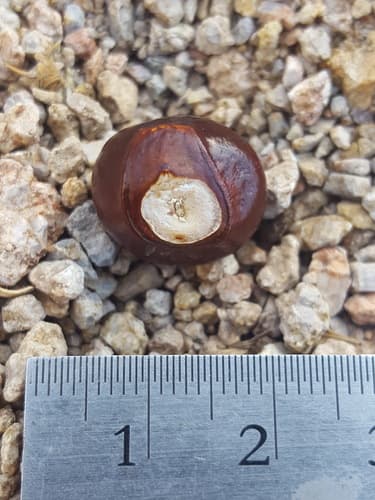
- Rake up and dispose of fallen seed pods promptly, especially if young children or dogs use the yard; the shiny black seeds look like small buckeyes and are documented as poisonous if eaten.
- Expect the foliage to turn a clear yellow before it drops.
Cleaning up dropped seed pods promptly also keeps the bed looking tidy and intentional.
Winter
Mexican Buckeye is deciduous and goes fully dormant in winter, standing bare through most of North Texas's mild winters and short freezes. It is well suited to the zone 8a to 8b cold here.
- Prune to shape or remove crossing branches in January or February while the tree is bare and dormant, before spring buds swell.
- No winter watering is needed for an established tree unless the region goes several weeks without rain.
- During a hard Arctic freeze, young trees benefit from a layer of mulch over the root zone; established trees handle typical North Texas winter lows without protection.
- Leave bare branches over winter rather than pruning heavily; next spring's flowers form on the previous season's growth.
A bare, well-shaped winter silhouette still reads as a maintained ornamental tree rather than a neglected one.
Spring
Spring is when Mexican Buckeye puts on its show: clusters of pink, fragrant flowers open on bare branches before the leaves come out, usually March into May. It is also the best window to get a new tree in the ground.
- Plant new trees in March or April once the last frost has passed (mid March in North Texas) so roots have the full growing season to establish.
- Water a newly planted tree deeply once or twice a week through spring if rainfall is light.
- Skip fertilizer at planting; a layer of mulch 2 to 3 inches deep out to the drip line is enough to help it settle in.
- Watch for the flush of new leaves right after bloom and keep the root zone consistently moist during that push.
The bloom period is the tree's best curb-appeal moment, clusters of pink flowers on bare branches read as an ornamental spring flowering tree.
Summer
Once established, Mexican Buckeye handles North Texas summer heat and dry spells well, but a tree still in its first or second summer needs regular water to make it through the 100F stretch.
- For a tree planted within the last two years, water deeply once a week during July and August if there has been no rain.
- An established tree (three or more summers in the ground) can usually go on rainfall alone and only needs a deep soak during extended dry spells.
- Keep mulch topped up to 2 to 3 inches to hold soil moisture and keep roots cooler through the hottest afternoons.
- Hold off on pruning in summer; heat stress makes fresh cuts slower to heal.
Sources: Lady Bird Johnson Wildflower Center, Ungnadia speciosa, USDA Forest Service FEIS species review, Ungnadia speciosa, Native Plant Society of Texas, Ungnadia speciosa, What to do if Mexican buckeye seeds are eaten, LBJWC Plant Q&A (NPIN)
Edwards Plateau (includes San Antonio, TX)
Year-round
Mexican buckeye is a tough, drought-loving small tree or large shrub that fits well in Hill Country yards around San Antonio.
- Give it at least half a day of sun, with a little afternoon shade in the hottest spots, and well drained soil such as rocky, caliche or clay.
- Once established this tree needs very little water and handles Texas drought well.
- It grows into a large shrub or small tree, usually 8 to 20 feet tall, and often forms several trunks.
- This tree grows naturally on the Edwards Plateau, the Hill Country region that includes San Antonio, according to U.S. Forest Service research.
- The seeds are poisonous if eaten and contain saponin compounds that can cause nausea and other symptoms, so keep pods and loose seeds away from kids and pets.
- Mexican buckeye is not on the ASPCA toxic plant list. The ASPCA does list a plant called Buckeye, but that entry covers Aesculus species like Ohio buckeye, a different plant, not Ungnadia speciosa.
- The flowers are a larval host for the Henry's Elfin butterfly and also draw bees and moths for nectar.
Fall
Fall brings the tree's best color show as leaves turn gold before dropping, and it is a good season for yard cleanup.
- Leaves turn a clear yellow to gold in fall, one of this tree's best ornamental features before it goes dormant.
- Clearing fallen leaves and any dropped seed pods helps keep loose seeds away from curious kids and pets.
- Light shaping is fine now, but save any heavy pruning for later since next year's flower buds are already setting on this season's growth.
- Watering can usually stop once nights cool down, unless the fall turns unusually dry.
Raking fallen leaves and pods keeps the yard tidy for an HOA-conscious curb appeal look.
Winter
Winter is a fully dormant, low-maintenance season, with bare branches standing through the cold months.
- The tree drops all its leaves and stands bare through winter since it is fully deciduous.
- It handles the cold snaps typical of San Antonio's Hill Country winters without extra protection in most years.
- Skip regular watering during dormancy unless the winter turns extended and dry.
- Bare branches make this a good time to look over the structure and clip out any dead or damaged wood before spring buds swell.
A light winter cleanup of dead wood keeps the bare branch structure tidy for curb appeal.
Spring
Spring is bloom season, when clusters of fragrant pink flowers cover the bare branches before the leaves come out.
- Bright pink to purplish, fragrant flowers appear from around March into June, often opening before the leaves emerge.
- Bees, moths and butterflies visit the blooms for nectar, and the plant serves as a larval host for the Henry's Elfin butterfly.
- Hold off on pruning right now since next year's flower buds start forming at the base of this year's growth, so cutting at the wrong time can mean fewer blooms later.
- Water newly planted trees regularly this season. Established trees need little extra water even during spring bloom.
Summer
Summer is a quieter stretch after bloom, when the tree leans on its drought tolerance and seed pods start to form and ripen.
- Established trees shrug off Texas summer heat and dry spells and need very little supplemental water.
- Trees planted within the last year or two still need regular, deep watering through the hottest months while their roots are still developing.
- Seed pods form after the spring flowers and ripen into three part capsules holding shiny dark seeds.
- Those ripening pods and seeds are poisonous if eaten, so keep an eye on them if kids or pets play nearby.
Sources: Lady Bird Johnson Wildflower Center: Ungnadia speciosa (Mexican buckeye) plant profile, USDA Forest Service FEIS: Ungnadia speciosa species review, ASPCA: Toxic and Non-toxic Plants, Buckeye, City of Austin: Discover the Marvels of the Mexican Buckeye Tree, Native Plant Society of Texas: Ungnadia speciosa profile (community tip)
Texas Blackland Prairies (includes Dallas, TX)
Year-round
Mexican buckeye is native to Texas and New Mexico and grows here as a small multi trunk tree, roughly 10 to 20 feet tall and 12 to 20 feet wide. It comes from rocky limestone slopes, so in Dallas black gumbo clay the whole game is drainage, not water. The shiny dark seeds inside the split pods are poisonous if eaten, and they look enough like buckeyes that children pick them up.
- Plant it high. Set the root flare 2 to 3 inches above the surrounding grade, or on a low berm, so heavy clay never holds water against the roots.
- Full sun and low water. The high pH alkaline clay in this area is a plus for this tree, not something to fix.
- Give it 12 to 15 feet of room from a wall, driveway, or sidewalk so the mature canopy never has to be hacked back.
- Backfill with the native soil you dug out. No compost pockets in the hole, no fertilizer, ever.
- Rake up the dropped seeds where small children play. Eating them causes dizziness, nausea, and stomach pain.
This is a tree, so most associations route it through architectural review even where native trees are allowed. Submit the mature size (about 20 feet tall and 20 feet wide) along with your setback distances from the sidewalk, driveway, utility lines, and any corner sightline. Its modest size and clean multi trunk shape are a genuine advantage over a full size shade tree and read as an intentional front yard choice.
Fall
October and November are the best time all year to plant one here, because the roots get the whole mild winter to settle in before summer arrives. Fall is also when the dry pods split open and drop their shiny dark seeds, which are poisonous if eaten.
- Plant October through early December. Dig the hole twice as wide as the pot and no deeper, and leave the root flare slightly above grade.
- Water a new tree every few days for the first two weeks, then once a week, then taper off as cold weather sets in.
- Pods dry, split, and rattle out dark seeds from late August into October. Rake and bag them if small children use the front yard.
- October is the second rain peak of the year in Dallas. Do not run irrigation on top of it.
- Leaves turn soft yellow and drop by late November. No fall fertilizer and no fall pruning.
Empty pods and leaf litter on the walk are the one time of year this tree can read as neglect from the street. Sweeping the sidewalk and driveway after seed drop, and keeping a crisp bed edge through leaf fall, is what keeps it looking intentional and keeps a violation letter off your door.
Winter
Winter is the only time to touch this tree with pruners, and even then it wants very little. The bigger winter job is leaving it dry, because cold soggy clay kills more of these than any summer ever will.
- Prune only between December 15 and February 1. Take out broken, rubbing, or crossing stems and then stop.
- Remove no more than one whorl of limbs in a single year. Do not top it and do not raise the canopy hard.
- If you want one trunk instead of a multi trunk clump, pick the leader in the first two or three winters, not later.
- Shut off irrigation to that bed. Once a month during a long dry stretch is all a dormant tree needs.
- Tan pods hang and rattle on the bare branches all winter. That is the plant, not damage.
Being bare from December into March is the tradeoff for those March flowers. A clean 3 inch mulch ring pulled back off the trunk, plus a defined bed edge, is what makes a leafless young tree read as an intentional planting instead of a dead one, and the dead looking version is what draws a letter.
Spring
Fragrant pink flowers open on bare gray stems in March, before or with the first leaves. A hard freeze after the buds swell can erase the flowers for that one year, which is a local disappointment worth expecting rather than a sign of a sick tree. Leaves follow and the tree is fully filled in by late April.
- Expect bloom from mid March into April in Dallas. After a late freeze you may get few or no flowers that year, and it will bloom normally the next spring.
- Do not fertilize and do not prune in spring. April and May rain is usually all the water an established tree needs.
- Check for standing water at the trunk after the April and May rain peaks. If puddles sit for hours, raise the bed instead of digging a deeper hole.
- Henry's elfin butterfly uses Mexican buckeye as a larval host in Texas, so leave a few chewed April leaves alone.
- If you are planting a container tree this spring instead of fall, plan on a deep soak twice a week through the first summer.
Summer
Once it has two or three years in the ground, this tree coasts through a Dallas July with almost no help. The real summer risk is not the 100 degree heat, it is a lawn sprinkler zone keeping clay soggy around the roots.
- Established tree: one long deep soak every 3 to 4 weeks in July and August is plenty, and skip it entirely after a soaking rain.
- First and second summer after planting: one slow soak per week, roughly 5 gallons, out at the drip line and not against the trunk.
- Aim sprinkler heads away from the root zone. Daily lawn irrigation is the most common way this tree gets lost in black clay.
- Some leaf yellowing or early leaf drop in a brutal August is normal. Do not answer it with more water.
- Green three lobed pods swell all summer and start turning tan by late August.
Sources: Lady Bird Johnson Wildflower Center, Ungnadia speciosa, USDA Forest Service FEIS, Ungnadia speciosa species review, Native Plant Society of Texas, Mexican Buckeye, Dallas County Master Gardeners, Ungnadia speciosa, Lady Bird Johnson Wildflower Center, expert answer on early bloom and freeze, Texas A&M AgriLife Extension, Texas Tree Planting Guide
Want these tasks as reminders timed to your yard? Pollinator Patch turns this guidance into a season-by-season care plan for the plants you actually grow.
In an HOA neighborhood
Mexican Buckeye is an HOA-friendly choice in the right placement. Maintenance level: moderate. Tidiness: 4 out of 5.
Works well in: front yard, mid zone.
- Trees often require HOA/ARC approval even when allowed.
- Verify setbacks from sidewalks, driveways, utilities, and structures.
- Confirm mature height/canopy limits and sightline rules for corners.
Wildlife value
The early spring blooms provide crucial nectar for butterflies, bees, and moths when few other plants are flowering. The seeds are eaten by wildlife, though they are toxic to humans.
Common questions
- When does Mexican buckeye bloom?
- Mexican buckeye generally flowers in March, April, and May, with clusters of pink blossoms often appearing before the leaves fully emerge.
- What pollinators are attracted to Mexican buckeye?
- Bees, butterflies, and moths regularly visit the fragrant spring flowers of Mexican buckeye.
- How much water does Mexican buckeye need?
- Once established, this tree tolerates low water and dry conditions well, though it can also handle occasional moderate watering in well drained soil.
- What light conditions suit Mexican buckeye best?
- It grows best in full sun but can tolerate some part shade, particularly in hotter or more exposed sites.
- Is Mexican buckeye an evergreen tree?
- No, Mexican buckeye is deciduous. It drops its leaves in fall and produces new growth along with its flowers the following spring.
- Is Mexican Buckeye HOA-friendly?
- Mexican Buckeye is generally an HOA-friendly choice in the right placement, with moderate maintenance.
These answers were drafted with an AI model from this plant's data. Verify care details with a local expert.
Native range data from vouchered herbarium specimen records and regional native plant society lists. Pollinator and host plant associations compiled from GBIF, iNaturalist, and published ecological literature.
If something looks wrong
Common plant problems, and what to check first
These come up on almost any plant. Each guide lists the likely causes in the order they are worth ruling out, with one thing to check before you act on any of them, and links to the source it came from.
- It is dying right after planting
- Leaves turning yellow
- Wilting even though I watered it
- Brown crispy leaf tips
- Bugs on the plant
Ready to grow Mexican Buckeye? Add it to your garden in Pollinator Patch to track it and get season-by-season care guidance.
Planning a bed around it? Start a free plan with this plant
Not sure where to start? Take the 2-minute yard quiz